
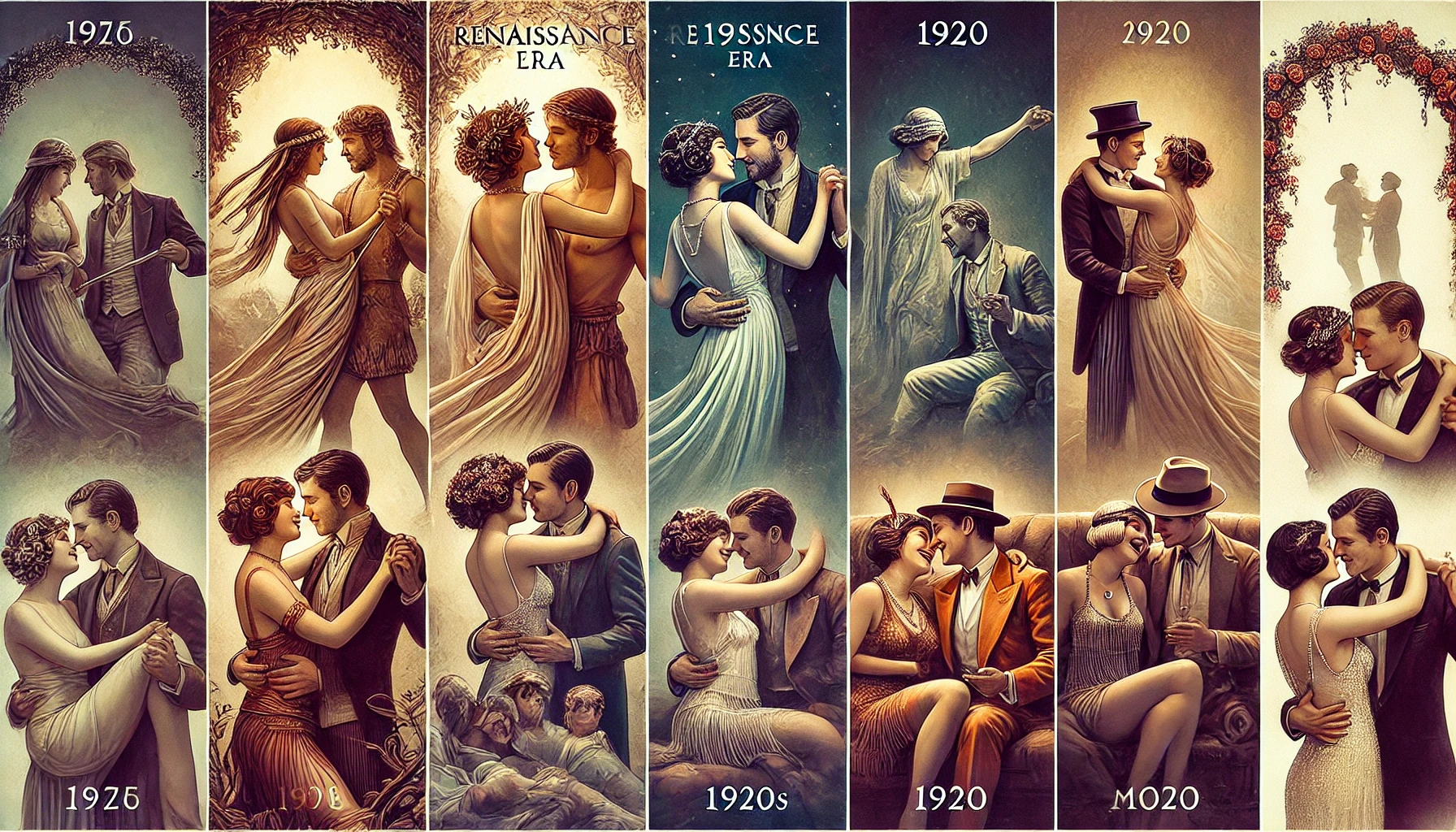
Swinging Through the Ages takes us on a journey through the history of non-monogamous relationships, revealing how these practices have evolved over time. From ancient cultures to modern-day communities, swinging has transformed in ways that reflect societal changes and attitudes toward sexuality. This article explores the different eras of swinging, highlighting key moments that shaped its current form and the diverse communities that continue to thrive today.
Key Takeaways
- Swinging has roots in ancient practices of non-monogamy, including polyandry.
- The 19th and early 20th centuries saw the rise of organized swinging and secret societies promoting sexual freedom.
- The sexual revolution of the 1960s played a crucial role in popularizing swinging in America.
- Modern swinging communities emphasize consent, communication, and etiquette among participants.
- Today, swinging is more accessible than ever, thanks to online platforms and changing societal attitudes.
Ancient Spouse Swapping
Historical Context of Swinging
Swinging, or sexual exploration in relationships, isn’t some new fad. It’s got roots that stretch way back. While the modern version with organized parties and online apps is relatively recent, the basic idea of couples sharing partners has popped up in different forms throughout history. It’s tough to pinpoint exactly when and where it started, but it’s safe to say it’s been around for a while.
Polyandry in Early Societies
Polyandry, where a woman has multiple husbands, is one example of non-monogamy that existed in some early societies. This wasn’t always about sex; sometimes it was about survival or maintaining family land. In certain cultures, it helped keep resources within a family or provided extra support for women in harsh environments. It’s a different setup than modern swinging, but it shows that the idea of multiple partners isn’t a new one.
Cultural Practices of Non-Monogamy
Across different cultures, there have been various practices that challenge the idea of strict monogamy. These range from formal arrangements to more informal social customs. It’s important to remember that these practices weren’t always viewed the same way we see them today. What was acceptable in one society might have been taboo in another. These practices highlight the diverse ways humans have approached relationships and sexual exploration in relationships.
It’s easy to look at these historical examples through a modern lens, but it’s important to understand the context in which they existed. Social norms, economic factors, and religious beliefs all played a role in shaping these practices. It wasn’t always about pleasure; sometimes it was about survival, social status, or maintaining community ties.
From the 19th Century to Mid-20th Century
The 19th century marked a turning point in how people viewed sexuality, especially in Europe and North America. It was during this time that we started seeing the first hints of what would become organized swinging. It’s interesting to think about how social norms were shifting, even if it was just among certain groups.
Historical Context of Swinging
During the 1800s, non-monogamous relationships were definitely happening, particularly among the wealthier folks. It wasn’t exactly out in the open, but it was there. Think about it – social circles were tighter, and what happened behind closed doors often stayed there. The invention of the bidet in the 17th century France helped normalize intimate acts.
Polyandry in Early Societies
While not exactly swinging, the concept of multiple partners has roots way back. Polyandry, where women have multiple husbands, existed in some cultures. It’s a different dynamic, but it shows that the idea of one-on-one relationships hasn’t always been the only option. It makes you wonder how much of our current relationship structure is based on tradition versus actual human nature.
Cultural Practices of Non-Monogamy
Secret societies played a role, too. Groups like the Hellfire Club were known for their, shall we say, unconventional activities. They weren’t just about politics or philosophy; they also explored different kinds of sexual expression. It’s a reminder that even in more restrictive times, people found ways to push boundaries.
It’s easy to look back and judge these periods, but it’s more interesting to try and understand the context. What were people rebelling against? What needs were they trying to meet? The answers probably aren’t as simple as we think.
The Rise of Swinging in America
The mid-20th century marked a significant shift in American culture, setting the stage for the rise of swinging. The post-World War II era saw a surge in suburban living and a focus on family, but beneath the surface, a desire for something more was brewing. This desire, coupled with changing social norms, created a fertile ground for the emergence of swinging as a lifestyle.
Sexual Freedom in the 1950s
The 1950s, often remembered for its conservative values, also saw the seeds of sexual revolution being sown. While not as overt as the following decade, there was a growing undercurrent of questioning traditional norms. Kinsey’s reports on human sexuality challenged conventional wisdom, revealing a wider range of sexual behaviors than previously acknowledged. This created a space for couples to explore their desires and consider alternatives to traditional monogamy. The idea of sexual exploration started to gain traction, even if it remained largely hidden from mainstream society.
Mainstream Acceptance in the 1960s
The 1960s witnessed a significant shift in attitudes towards sex and relationships. The sexual revolution brought about a greater openness and acceptance of diverse lifestyles. The introduction of the birth control pill gave women more control over their reproductive health, leading to increased sexual freedom. This era saw the rise of counterculture movements that challenged traditional values and embraced experimentation. Swinging, as a form of consensual non-monogamy, began to emerge from the shadows and gain a degree of mainstream acceptance.
Formation of Swinger Clubs
As swinging gained popularity, organized groups and clubs began to form. These clubs provided a safe and discreet environment for couples to meet like-minded individuals and explore the lifestyle. These early swinger clubs often operated under a veil of secrecy, using code words and private gatherings to maintain discretion. The formation of these clubs helped to create a sense of community among swingers and provided a platform for sharing experiences and establishing protocols and etiquette.
The rise of swinger clubs in America was a direct response to the growing desire for open and honest communication about sex and relationships. These clubs offered a space for couples to explore their desires without judgment and to connect with others who shared their interests.
Here are some common reasons for the formation of swinger clubs:
- Desire for new experiences
- Seeking enhanced intimacy with partner
- Exploration of sexual fantasies
The Evolution of Swinging Subculture
Protocols and Etiquette
As the history of swinging progressed, so did the unwritten rules. It wasn’t just about sex; it was about respect, communication, and ensuring everyone felt safe and comfortable. These protocols helped to create a positive environment for all involved.
- Clear communication about boundaries was key.
- Respecting ‘no’ was non-negotiable.
- Maintaining discretion was crucial for privacy.
Private Parties and Community Building
Swinging isn’t just a series of random encounters; it’s a community. Private parties became the cornerstone of this subculture, offering a space for like-minded individuals to connect and explore their desires in a safe, controlled setting. These gatherings fostered a sense of belonging and mutual understanding.
The evolution of consensual non-monogamy saw the rise of private parties as a way to build community and establish trust. These events weren’t just about sex; they were about creating a space where people felt accepted and understood.
Challenges and Acceptance
Like any subculture, the evolution of swinger lifestyle faced its share of challenges. Stigma, judgment, and misunderstandings were common hurdles. However, the community persevered, advocating for acceptance and challenging societal norms. Over time, attitudes began to shift, albeit slowly. The Mod subculture was also facing similar challenges.
- Combating negative stereotypes.
- Navigating social stigma.
- Promoting education and awareness.
| Challenge | Impact |
|---|---|
| Social Stigma | Isolation, judgment |
| Misunderstandings | Negative perceptions, discrimination |
| Legal Concerns | Potential risks, privacy issues |
The Swinging Lifestyle from the 20th Century to Today

Impact of the Sexual Revolution
The sexual revolution of the 1960s and 70s had a huge impact. It wasn’t just about sex; it was about challenging norms and exploring different ways of relating to each other. The availability of birth control gave people more control over their bodies and choices, which definitely played a role in the rise of the swinging lifestyle.
Growth of Online Communities
Before the internet, finding like-minded people was way harder. Now, it’s a whole different ballgame. Online communities have made it easier than ever for people to connect, share experiences, and find partners. There are forums, websites, and apps dedicated to the swinging lifestyle, which has helped it become more visible and accessible.
Changing Attitudes Towards Non-Monogamy
Attitudes are changing, slowly but surely. More people are questioning traditional relationship models and exploring different ways of being together. While swinging isn’t for everyone, the conversation around non-monogamy is becoming more open and accepted. This shift in attitudes is influenced by a lot of things, including media representation, academic research, and personal experiences. It’s interesting to see how Modern Dating is evolving.
It’s important to remember that everyone’s journey is unique. What works for one couple might not work for another. The key is open communication, honesty, and respect for each other’s boundaries.
Swinging Today
Modern Practices and Trends
Modern swinging practices have evolved significantly, influenced by technology and changing social norms. What was once a hidden subculture is now more visible, with a wider range of participants and preferences.
- Increased acceptance of diverse relationship structures.
- Greater emphasis on communication and consent.
- More open exploration of individual desires within the Swinger Sex lifestyle.
Technological Influence on Swinging
Technology has revolutionized how people find and connect with others in the swinging community. Online platforms and apps have made it easier than ever to explore modern swinging practices, but they also present new challenges.
- Online dating sites and apps tailored to swinging.
- Virtual meet-and-greets and online events.
- Increased awareness of online safety and privacy.
The internet has undeniably changed the landscape of swinging. It’s easier to find like-minded people, but it also requires a greater focus on verifying identities and ensuring everyone is comfortable and safe.
Cultural Perceptions and Stigma
Despite increased visibility, stigma surrounding swinging persists. Many people still view it as taboo or immoral, leading to judgment and discrimination. However, attitudes are slowly changing as more people become aware of the diversity within the swinging community and the emphasis on consent and communication. The journey of Swinging Through the Ages continues to evolve, challenging societal norms and pushing boundaries.
- Ongoing efforts to educate the public about swinging.
- Increased representation of swinging in media.
- Growing acceptance within certain communities and social circles.
Swinging Around the World
Swinging isn’t just an American thing; it’s got roots and branches all over the globe. The way it looks and how people feel about it can change a lot depending on where you are. Let’s take a look at how different cultures approach this lifestyle.
Global Perspectives on Non-Monogamy
Non-monogamy shows up in many forms around the world, and swinging is just one of them. Some cultures have long histories of polyamorous relationships or accept multiple partners more openly than others. Understanding these different views helps us see swinging as part of a bigger picture of how people connect and form relationships.
Cultural Variations in Swinging
What’s considered normal in one swinging community might be totally different somewhere else. For example, the rules about safer sex, who initiates contact, or even what kind of activities are okay can vary a lot. It’s interesting to see how local customs and values shape the way people explore swinging.
Acceptance in Different Societies
Acceptance of swinging varies widely. In some places, it’s kept very private due to social stigma or legal restrictions. Other societies might be more open or have established communities where swinging is more accepted. The level of acceptance often depends on things like religious beliefs, social norms, and how much individual freedom is valued.
It’s important to remember that swinging, like any lifestyle choice, is deeply personal. What works for one person or couple might not work for another, and that’s okay. Respect and communication are key, no matter where you are in the world.
Wrapping It Up: The Journey of Swinging
So, there you have it. Swinging has been around for ages, and it’s changed a lot over time. From ancient practices to today’s more open and diverse communities, it’s clear that swinging reflects how society views relationships and sexuality. Nowadays, more people are exploring this lifestyle, thanks to the internet and changing attitudes. But let’s be real—there’s still a lot of stigma attached to it. Many folks still don’t get it or think it’s weird. Yet, for those who choose to swing, it can be a fulfilling way to connect with others and explore their desires. As we move forward, it’ll be interesting to see how swinging continues to evolve and maybe even become more accepted in mainstream culture.
Frequently Asked Questions
What is swinging?
Swinging is when couples agree to have sexual experiences with other people, either together or separately. It’s a way to explore relationships and sexuality outside of traditional monogamy.
Is swinging safe?
Like any sexual activity, swinging can be safe if proper precautions are taken. This includes using protection and communicating openly with all partners.
Do you have to be in a relationship to swing?
Not necessarily. While many swingers are couples, some single people also participate in swinging. It’s important to communicate your status and intentions clearly.
How do people find swinger events?
People often find swinger events through online communities, dating websites, or local clubs that cater to the swinging lifestyle.
Is swinging legal?
In many places, swinging is legal as long as all parties involved are consenting adults. However, laws can vary by location, so it’s important to be aware of local regulations.
What should I expect at a swinger party?
At a swinger party, you can expect a relaxed atmosphere where people socialize and may engage in sexual activities. There are usually rules and etiquette to follow to ensure everyone feels comfortable.
Timeless Temptations – Exploring the Passionate History of Swinging
Step into a world where pleasure knows no bounds and connections transcend time. Discover how swinging has evolved from secretive gatherings to a thriving, open-minded community. Join SwingTowns today to connect with adventurous couples and singles who share your desires. Sign up for a free account now and start your journey into exciting new experiences!
“Swingtowns.com has been one of the best places for meeting like minded and fun party people. I’m always looking to meet new people and this site never fails.” -PoundnSand


