
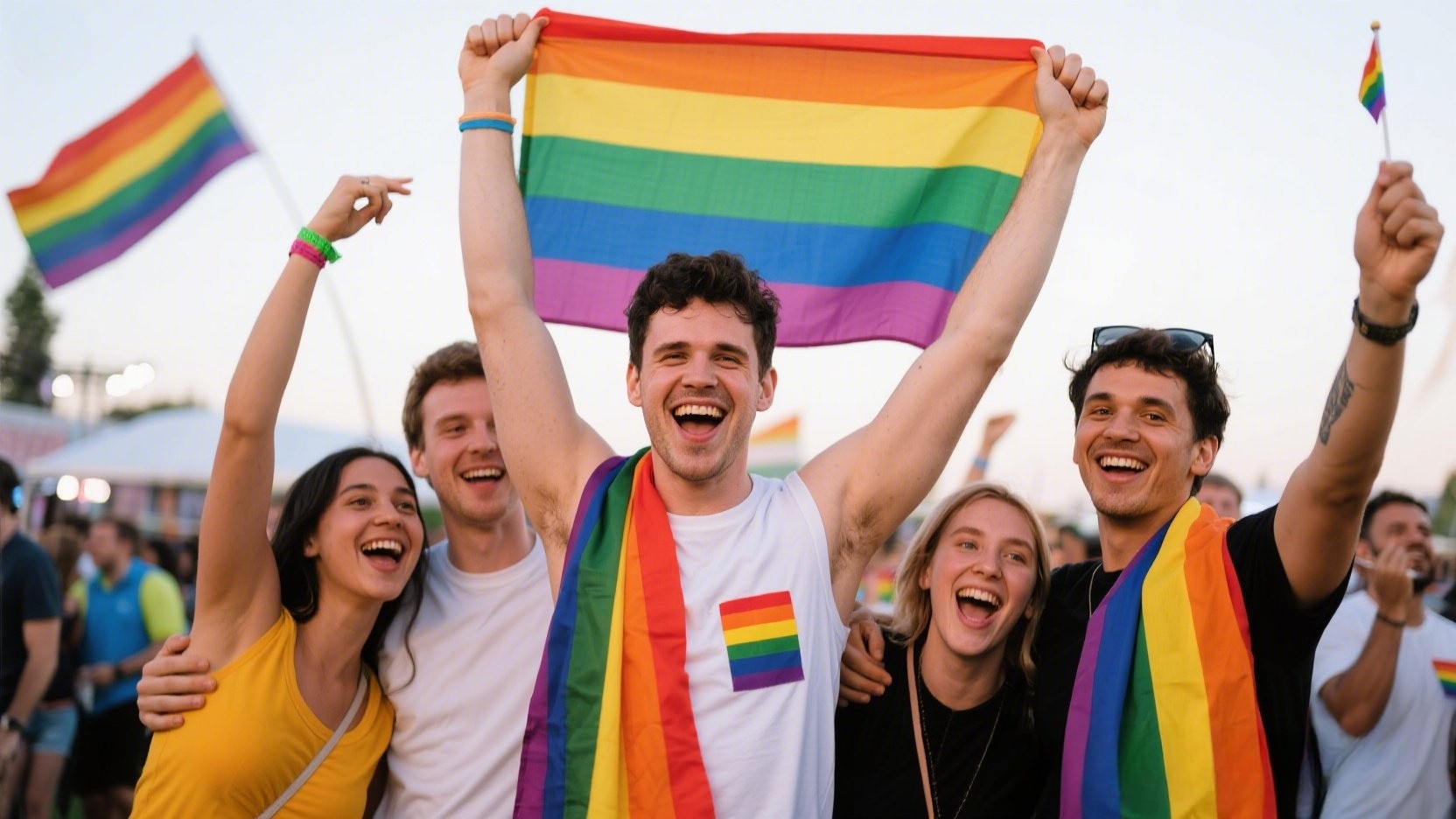
Being a bisexual man in swinger spaces can be a complex journey filled with both highs and lows. Many people have misconceptions about bisexuality, leading to awkward situations and challenges when it comes to dating and community acceptance. This article explores the unique experiences of bi men in the swinger scene, highlighting the joys of connection as well as the hurdles they face.
Key Takeaways
- Understanding bisexuality is key to acceptance in swinger spaces.
- Community support can make a huge difference for bi men.
- Misconceptions about bisexuality can lead to awkward situations.
- Communication and setting boundaries are crucial in swinger relationships.
- Pride and visibility are important for fostering an inclusive environment.
Navigating Identity in Swinger Spaces
Understanding Bisexuality
Bisexuality, at its core, is about attraction to more than one gender. However, the experiences of bi men in swinger communities can add layers of complexity. It’s not just about who you’re attracted to, but how that attraction is perceived and understood within a space that already challenges societal norms. Some bi men find freedom in expressing their full selves, while others face unique hurdles in being seen and accepted for who they are.
The Fluidity of Attraction
One of the defining characteristics of bisexuality is its potential for fluidity. This means that attraction can shift and change over time, or even in different contexts. For bi men in the swinging lifestyle, this can be both a blessing and a challenge. It allows for a wider range of experiences and connections, but it can also lead to misunderstandings or assumptions from partners who may not fully grasp the nuances of fluid attraction.
Overcoming Stereotypes
Bisexuality is often plagued by stereotypes, and these can be amplified in swinger communities. Some common misconceptions include the idea that bi men are inherently more promiscuous, indecisive, or simply “experimenting” before settling down with a man or a woman. These stereotypes can lead to prejudice, exclusion, and a feeling of not belonging. Overcoming these stereotypes requires open communication, education, and a willingness to challenge preconceived notions. The ethical considerations are important to keep in mind.
It’s important to remember that bisexuality is a valid and authentic sexual orientation. The joys of bisexuality in open relationships can be immense, but it’s crucial to create spaces where bi men feel safe, respected, and understood.
Community Acceptance and Rejection
Finding Your Tribe
Finding acceptance as a bi man can be a mixed bag. Some people are super welcoming, while others… not so much. It’s about finding your people, the ones who get it and don’t make assumptions. This might mean seeking out specific bi groups, or just finding friends who are open-minded and accepting. It’s not always easy, but it’s worth it to find a place where you can be yourself without constantly having to explain or defend your identity. I’ve found that online communities can be a great starting point, but nothing beats connecting with people in person. It’s all about building a network of support and understanding.
Experiences of Discrimination
Unfortunately, discrimination is a reality for many bi men, even within the LGBTQ+ community. Sometimes it comes from straight people who don’t understand bisexuality, and sometimes it comes from gay or lesbian people who see bisexuality as somehow less valid or as a ‘stepping stone’ to being gay. I’ve personally experienced biphobia from both sides. It can be subtle, like jokes or assumptions, or it can be more overt, like being excluded from events or conversations. It’s frustrating and hurtful, but it’s important to remember that their ignorance doesn’t define you. Finding allies and building a strong sense of self can help you navigate these situations. It’s also important to call out biphobia when you see it, even if it’s uncomfortable.
Supportive Spaces vs. Hostile Environments
Knowing the difference between a supportive space and a hostile environment is key. A supportive space is one where you feel safe, respected, and accepted for who you are. People listen, ask questions with genuine curiosity, and don’t make assumptions. A hostile environment, on the other hand, is one where you feel judged, invalidated, or even threatened. This could be a bar where people make bi men assumptions, a social group where your identity is constantly questioned, or even a relationship where your partner doesn’t fully accept your bisexuality.
Here are some signs of a supportive space:
- Open and inclusive language
- Active listening and validation
- Respect for boundaries
- Willingness to learn
And here are some signs of a hostile environment:
- Biphobic jokes or comments
- Assumptions about your sexuality or relationships
- Exclusion or marginalization
- Pressure to conform
It’s okay to walk away from hostile environments. Your mental and emotional health is more important than trying to fit in where you’re not wanted. Seek out spaces where you can be yourself and connect with people who truly accept you.
The Impact of Misconceptions
Common Myths About Bisexuality
Bisexuality is plagued by misconceptions. One of the most persistent is the idea that it’s just a phase, a stop on the way to being gay, or a way to experiment without fully committing. People also think bi people are inherently more promiscuous or unable to be monogamous. These myths are harmful and erase the validity of bisexuality as a distinct sexual orientation. Understanding the origins of these myths is important to dismantling them.
The Pressure to Conform
There’s often pressure, both internal and external, to pick a side. If a bi man is dating a woman, he might be seen as straight; if he’s with a man, he’s gay. This pressure to conform can lead to feelings of invisibility and a need to constantly explain or justify one’s identity. It’s exhausting to always feel like you have to prove who you are.
Here are some common pressures:
- Family expectations
- Societal norms
- Fear of judgment
Addressing Biphobia
Biphobia, a specific form of prejudice against bisexual people, is real and damaging. It can manifest as jokes, stereotypes, or outright discrimination. It’s important to call out biphobia when you see it, whether it’s coming from straight, gay, or even other bi people.
Addressing biphobia requires education and open conversations. It’s about challenging the assumptions and stereotypes that fuel prejudice and creating a more inclusive environment for everyone.
Relationships and Dynamics
Dating Within the Community
Dating within the bi community can be a really unique experience. On one hand, there’s an instant connection through shared identity and understanding. You don’t have to explain the basics of bisexuality, which is a huge plus. However, it can also bring its own set of challenges. Sometimes, there can be a smaller dating pool, and you might run into the same people repeatedly. Also, the internalized biphobia within the community can sometimes surface, creating awkward or even hurtful situations. It’s a mixed bag, but the potential for deep understanding is definitely there.
Challenges in Monogamous Relationships
Being bi in a monogamous relationship, especially one that appears straight, can feel like a tightrope walk. One of the biggest hurdles is the assumption of straightness by others. People might not realize you’re bi, leading to erasure and invalidation. It’s like you’re constantly coming out, or choosing not to and feeling invisible. Another challenge is dealing with your own internal feelings. Sometimes, you might feel like you’re missing out on a part of yourself, or that you need to constantly reassure your partner of your attraction to them. It’s important to have open communication and address these feelings head-on. Some people even avoid telling their queer friends that they are in a relationship with a man, because it’s like coming out all over again.
Exploring Open Relationships
For some bi people, open relationships offer a way to explore their attractions to multiple genders without feeling confined. It’s not a one-size-fits-all solution, and it requires a lot of communication, trust, and honesty. Setting clear boundaries is absolutely essential. It’s also important to remember that open relationships aren’t just about sex; they’re about emotional connections too. If you’re considering this path, make sure you and your partner are on the same page and willing to put in the work. It can be incredibly fulfilling, but it’s not without its challenges.
It’s important to remember that every relationship is different, and what works for one person might not work for another. The key is to be honest with yourself and your partner, and to prioritize open communication and mutual respect.
Personal Experiences and Stories
Real-Life Encounters
It’s one thing to read about bisexuality, and another to actually live it. I remember this one time, I was at a coffee shop with some mom friends, and somehow the conversation turned to kids and dating. One of them asked, ‘So, what would Our Story do if your kid turned out to be gay?’ I kind of froze. It was the first time I felt like I was actively hiding a part of myself, masquerading as straight. It wasn’t malicious, but it was definitely invalidating.
Lessons Learned
Being bi in the swinger community has taught me a lot about myself and others.
- Communication is paramount. You can’t assume anything about anyone’s attractions or boundaries.
- People’s reactions can be unpredictable. Some are genuinely curious and accepting, others are… not so much.
- Self-acceptance is a journey, not a destination. There are days when I feel completely confident in my identity, and others when I question everything.
The biggest lesson? Don’t let anyone else define you. Your experiences are valid, your feelings are real, and your identity is yours to own.
Building Resilience
Dealing with misconceptions and biphobia can be exhausting. It’s like coming out all over again, constantly having to explain or defend your existence. But over time, you develop a thicker skin and learn to prioritize your own well-being. I’ve found that focusing on building a strong support system – friends, partners, or even online communities – can make a huge difference. It’s about finding people who see you for who you are and celebrate your authenticity.
The Role of Pride in the Bi Community
Celebrating Diversity
Pride, for the bi community, is a chance to show the world the full spectrum of who we are. It’s not just about being attracted to more than one gender; it’s about celebrating the unique experiences and perspectives that come with that. It’s a time to uplift bi voices and stories, which are often overshadowed or erased in both straight and gay spaces. We get to be visible, loud, and proud of our entire selves, without having to pick a side or fit into a neat little box. It’s about owning our truth and encouraging others to do the same.
Visibility and Representation
For many bi people, Pride is the only time of year they feel truly seen. The lack of representation in media and public life can be isolating, so seeing other bi people at Pride events can be incredibly validating. It’s a reminder that we’re not alone, and that our experiences are real and important. More visibility helps to break down stereotypes and misconceptions about bisexuality, paving the way for greater acceptance and understanding. It’s about creating a world where bi people don’t have to hide or feel ashamed of who they are. It’s important to increase bi visibility to help others feel more comfortable.
Pride Events and Participation
Pride events offer a safe and supportive space for bi people to connect with others, share their stories, and build community. These events can range from large-scale parades and festivals to smaller, more intimate gatherings. Participating in Pride is a way to show solidarity with other LGBTQ+ people, advocate for equal rights, and celebrate the progress that has been made. It’s also a chance to educate others about bisexuality and challenge biphobia. Here are some ways to participate:
- Attend a local Pride parade or festival.
- Volunteer with an LGBTQ+ organization.
- Share your story on social media.
- Support bi-owned businesses.
Pride is more than just a party; it’s a protest. It’s a reminder that the fight for equality is not over, and that we must continue to work towards a world where all LGBTQ+ people are treated with dignity and respect.
Navigating Swinger Etiquette
Swinging, like any social activity, has its own set of unspoken rules and expected behaviors. For bi men, navigating these can be a bit more nuanced, especially when considering societal misconceptions about bisexuality in swinging. It’s all about respect, communication, and ensuring everyone involved is comfortable and having a good time.
Communication is Key
Open and honest communication is the bedrock of ethical swinging. This means talking with your partner about your desires, boundaries, and expectations before, during, and after any encounter. It also means being upfront with potential partners about your bisexuality and what that means for you. Don’t assume anything; clarify everything. This helps avoid misunderstandings and ensures everyone is on the same page.
Setting Boundaries
Boundaries are not just about what you won’t do; they’re also about what you will do and what makes you feel safe and respected. For bi men, this might involve setting boundaries around the types of interactions you’re comfortable with, the language used, or the assumptions made about your sexuality. It’s okay to say no, and it’s crucial that your boundaries are respected by everyone involved. Remember, enthusiastic consent is a must.
Respecting Others’ Comfort Levels
Swinging is about exploration and fun, but it should never come at the expense of someone else’s comfort or well-being. Be mindful of others’ boundaries, and pay attention to their nonverbal cues. Not everyone is comfortable with the same things, and it’s important to respect those differences. This is especially important when emphasizing the importance of etiquette in swinging, as it creates a safer and more enjoyable environment for everyone.
Remember, the goal is to create a positive and inclusive experience for all participants. By prioritizing communication, setting clear boundaries, and respecting others’ comfort levels, you can help ensure that everyone has a great time while exploring their sexuality in a safe and ethical way. This is especially important when considering bisexuality in swinging, as it helps to challenge stereotypes and promote understanding.
Finding Balance in a Complex Identity
In the end, being a bisexual man comes with its own set of challenges and rewards. It’s not just about who you love, but also about how others perceive that love. There are moments of joy, like finding a community that accepts you, and moments of frustration when people make assumptions or react poorly. The journey can feel like a rollercoaster, with ups and downs that sometimes catch you off guard. But through it all, it’s important to remember that your identity is valid, no matter how others see it. Embracing who you are, and finding your place in both the LGBTQ community and the wider world, is what truly matters. So, whether you’re at a bar, a pride event, or just hanging out with friends, know that you belong, and your story is worth sharing.
Frequently Asked Questions
What does it mean to be bisexual?
Being bisexual means you can be attracted to both men and women. It’s not a phase or something temporary; it’s just part of who someone is.
Do bisexual people want to date both genders at the same time?
Not necessarily! Many bisexual people prefer being in a committed relationship with one person, just like anyone else.
Is bisexuality real?
Yes, bisexuality is a valid sexual orientation. Some people might misunderstand it, but being bi is just as real as being gay or straight.
How do bisexual men feel in the LGBTQ community?
Some bisexual men feel accepted, while others face confusion or rejection. It can vary based on personal experiences and the environment.
Can bisexual people be in monogamous relationships?
Absolutely! Many bisexual people are happy in monogamous relationships, just like anyone else.
What is biphobia?
Biphobia is negative feelings or discrimination against bisexual people. It can come from both straight and LGBTQ communities, and it’s important to challenge these attitudes.
Unleash Your Vibe – Where Every Connection is an Adventure
Your journey deserves a space where you’re free to be fully, unapologetically you. Discover a community that celebrates bisexual men and embraces all the ways we connect, explore, and play. Whether you’re new to the scene or a seasoned swinger, you’re never alone here. Sign up for a free SwingTowns account today and start your next adventure with people who truly get it.
“I recommend swingtowns because it’s the first site that even as a free profile you can still connect with ppl. I have since upgraded to lifetime but me and my wife have met some really fun cpls since we started on this site so we fully recommend swingtowns.” -TheRowan


