

In recent years, conversations about sexuality have started to break free from the constraints of silence and stigma. More people are recognizing that discussing sexual issues openly can lead to healthier relationships and communities. This article explores the future of breaking sexual taboos, focusing on how we can create environments that support open dialogue, challenge outdated norms, and empower individuals to express themselves without fear. Together, we can chart a new course for discussions around sexuality and pave the way for a more inclusive society.
Key Takeaways
- Creating safe spaces is vital for honest conversations about sexuality.
- Challenging long-held beliefs can help reshape cultural attitudes towards sex.
- Education and awareness initiatives play a key role in fostering understanding.
- Involving diverse voices enriches the dialogue and highlights different experiences.
- Policy changes are necessary to support the rights and needs of all individuals.
Creating Safe Spaces For Open Dialogue
The Importance of Safe Spaces
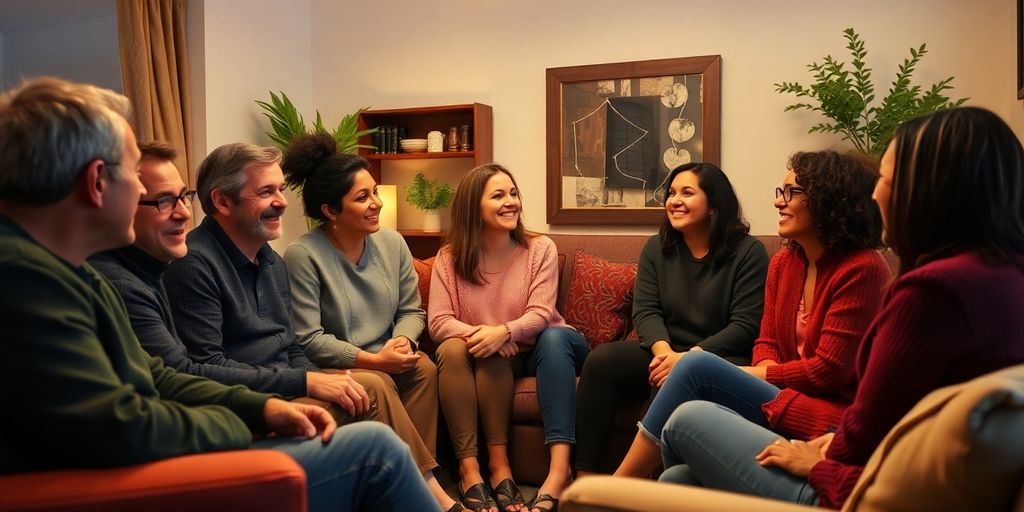
It’s hard to talk about tough stuff if you don’t feel safe. I mean, who wants to open up when they’re worried about getting judged or attacked? Creating safe spaces is the first step in breaking down sexual taboos. These spaces, whether online or in person, need to be places where people feel heard and respected. Think of it like this: if you’re trying to plant a garden, you need good soil. Safe spaces are the good soil for conversations about sexuality. It’s about setting ground rules, like no interrupting, no name-calling, and really listening to what others have to say. It’s not about agreeing with everyone, but it is about treating everyone with decency.
Encouraging Vulnerability in Conversations
Okay, so you’ve got a safe space. Now what? Well, people still need to feel comfortable enough to actually share. That’s where vulnerability comes in. It’s not easy, I know. Putting yourself out there is scary. But when people start sharing their own experiences, it makes it easier for others to do the same. It’s like a chain reaction. One thing that helps is having facilitators who are trained to guide the conversation and make sure everyone gets a chance to speak. Also, it’s important to remember that vulnerability isn’t about oversharing or trauma dumping. It’s about being honest and authentic, while still respecting your own boundaries. We must normalize conversations around CSV in policy arenas.
Building Trust Within Communities
Trust is the glue that holds everything together. Without it, safe spaces fall apart. Building trust takes time and effort. It’s about showing people that you’re reliable and that you care about their well-being. One way to do this is by being transparent about your own biases and assumptions. We all have them, and acknowledging them can help build credibility. Another thing is to follow through on your promises. If you say you’re going to do something, do it. And if you can’t, be honest about why. Also, consider these points:
- Consistent communication
- Active listening
- Respecting confidentiality
“Swingtowns.com has been one of the best places for meeting like minded and fun party people. I’m always looking to meet new people and this site never fails.” -PoundnSand
Redefining Cultural Norms Around Sexuality
Challenging Traditional Beliefs
It’s time to really look at the old ideas we have about sex and gender. A lot of what we think is “normal” is just stuff we’ve been told for years, and it might not actually fit with how people really feel or live. We need to question these norms and be open to new ways of thinking. This means talking about things that used to be off-limits and creating space for different experiences and beliefs. It’s not about throwing everything away, but about figuring out what still works and what needs to change. For example, acceptance of homosexuality has increased significantly in recent years.
Promoting Inclusive Narratives
We need to make sure that everyone’s story gets told, not just the same old ones. This means including people of all genders, sexualities, and backgrounds in the conversation. Inclusive narratives help us understand each other better and challenge stereotypes. It’s about creating media, art, and conversations that reflect the real diversity of human experience.
- Share stories from different cultures.
- Highlight experiences of marginalized groups.
- Create characters that break gender stereotypes.
The Role of Media in Shaping Perceptions
Media has a huge influence on how we see sexuality. It can either reinforce old stereotypes or help us break them down. We need to be critical of what we see and demand more diverse and realistic portrayals of sex and relationships. The media should show understanding sexual liberation and help people feel comfortable with who they are.
“Swingtowns, easy navigating the site, no harassing upgrade ads, easy to find people, premium is not over priced….Just keep swinging, just keeping swinging” -mrgood69
Empowering Education and Awareness
Comprehensive Sex Education Initiatives
Okay, so, sex ed. It’s not just about the birds and the bees anymore, right? We need to move beyond the bare minimum and get into stuff that actually matters. Think consent, healthy relationships, and understanding different sexual orientations and gender identities. It’s about giving people the tools to make informed decisions about their bodies and their lives. It’s wild how many schools still don’t offer this, or if they do, it’s super outdated. We need to push for comprehensive programs that start early and continue through high school. It’s an investment in the future, plain and simple. We need to ensure that kindergarten teachers’ practices are up to par.
Workshops and Community Programs
Not everyone learns best in a classroom, and that’s fine. Workshops and community programs can fill in the gaps and reach people who might not otherwise get this information. These programs can be more flexible and tailored to specific groups, like LGBTQ+ youth, parents, or older adults. They can also create a space for open discussion and Q&A, which can be super helpful. Plus, it’s a chance to connect with others and build a supportive community.
Here’s a few things these programs could cover:
- Healthy communication skills
- Understanding consent and boundaries
- Resources for sexual health and safety
Utilizing Technology for Outreach
Let’s be real, everyone’s online these days. So, why not use technology to spread awareness and provide education? We can use social media, websites, and apps to reach a wider audience and provide information in a way that’s engaging and accessible. Think short videos, infographics, and interactive quizzes. We can also use technology to connect people with resources and support, like online counseling or support groups. The key is to make sure the information is accurate, reliable, and inclusive.
“Swingtowns has been awesome in this lifestyle ! Finding new couples to play with and of course hang with.” -Skaggszy98
Engaging Diverse Voices in the Conversation

Inclusion of Marginalized Communities
It’s easy to talk about “everyone” when discussing sensitive topics, but who is really included in that “everyone”? Often, it’s the same people whose voices are already amplified. We need to make a real effort to include those who are often pushed to the side. This means actively seeking out and listening to people from marginalized communities. It’s not enough to just say we’re open to hearing from them; we need to create spaces where they feel safe and encouraged to share their experiences.
The Impact of Intersectionality
Intersectionality is a big word, but it’s a simple idea: people have multiple identities that overlap and create unique experiences. Someone might be a woman, a person of color, and queer, and each of those identities affects how they experience the world. Ignoring intersectionality means missing out on the full picture. We can’t just look at gender or race or sexuality in isolation; we need to understand how these things interact and shape a person’s perspective.
Creating Platforms for Underrepresented Voices
How do we actually make sure underrepresented voices are heard? It’s not enough to just say we want to hear them. We need to build platforms that actively amplify those voices. This could mean:
- Creating specific panels or workshops focused on the experiences of marginalized groups.
- Partnering with organizations that already work with these communities.
- Offering scholarships or grants to support the work of underrepresented individuals.
“Swingtowns is awesome and we have no complaints. There are tremendous people and wonderful couples on here that we have had the pleasure of meeting” -wearesexy2015
Policy Changes and Legal Reforms

Advocating for Legislative Changes
Okay, so when we talk about changing laws, it’s not just about waving a magic wand. It’s a real grind. Think about it: outdated laws can really hold us back when it comes to, you know, basic human rights and stuff. We need to push for updates that actually reflect how people live now, not how they lived, like, a hundred years ago. It’s about making sure everyone is treated fairly under the law, regardless of who they are or who they love.
- Lobbying lawmakers (ugh, I know).
- Grassroots movements (people power!).
- Strategic litigation (fancy lawyer stuff).
The Role of Government in Addressing Taboos
Governments can either be part of the problem or part of the solution, right? They have the power to either reinforce old, harmful ideas or to actively promote acceptance and understanding. It’s not just about passing laws, but also about funding programs, supporting education, and, honestly, just setting a better example. If the people in charge are still stuck in the past, it’s going to be tough to move forward.
“I’m glad that SwingTowns is growing such an audience of happy, sex-positive people!” -RandySP69
International Perspectives on Sexual Rights
It’s easy to get tunnel vision and think that what’s happening here is the only thing that matters. But the truth is, sexual rights are a global issue, and different countries have wildly different approaches. Some are way ahead of us, and some are, well, still living in the Dark Ages. Looking at how other countries handle these issues can give us ideas about what works, what doesn’t, and what we can do better. Plus, it’s a reminder that we’re all in this together, fighting for the same basic rights, no matter where we live.
| Country | Legal Status of Same-Sex Marriage | Access to Abortion | LGBTQ+ Protections |
|---|---|---|---|
| Canada | Legal Nationwide | Legal | Comprehensive |
| Saudi Arabia | Illegal | Highly Restricted | None |
| Argentina | Legal Nationwide | Legal | Moderate |
The Role of Mental Health in Breaking Taboos
Addressing Trauma and Healing
When we talk about sexuality, it’s easy to forget the deep emotional layers involved. Many people carry past traumas that directly impact their ability to engage in healthy sexual relationships and conversations. Ignoring this is like trying to build a house on a shaky foundation. We need to acknowledge and address these wounds to truly move forward. It’s not just about physical acts; it’s about emotional safety and well-being.
Therapeutic Approaches to Sexuality
Therapy can be a game-changer. It provides a safe space to explore feelings, challenge negative beliefs, and develop healthier coping mechanisms. Different approaches work for different people, but here are a few common ones:
- Cognitive Behavioral Therapy (CBT): Helps identify and change negative thought patterns.
- Acceptance and Commitment Therapy (ACT): Focuses on accepting difficult emotions and committing to values-based actions.
- Trauma-Informed Therapy: Addresses the impact of trauma on the brain and body.
“Great site. Met some great people. Feel secure and private and safe with the site. Definitely recommend!” -Anguslove
Support Systems for Survivors
Having a strong support system is vital. This could include friends, family, support groups, or online communities.
- Connecting with others who have similar experiences can reduce feelings of isolation and shame.
- Learning from others’ experiences can provide hope and inspiration.
- Sharing your story can be empowering and healing.
Breaking down intimacy barriers requires a community effort. It’s about creating a culture where people feel safe to share their stories and seek help without judgment. It’s about understanding that healing is a journey, not a destination.
Harnessing the Power of Social Media
Social media has become a huge part of our lives, and it’s changing how we talk about everything, including topics that used to be off-limits. It’s not just about sharing memes; it’s a real tool for change. But, like any tool, it can be used for good or bad. Let’s look at how we can use it to make things better.
Campaigns to Raise Awareness
Social media campaigns can be super effective at getting the word out. Think about it: a catchy hashtag, a shareable video, and suddenly, thousands, even millions, of people are talking about something. These campaigns can challenge old ideas and get people thinking differently. For example, there could be campaigns that focus on sexting awareness and its implications, reaching a wide audience quickly.
- They can spread information fast.
- They can reach a lot of people.
- They can be really creative and engaging.
Influencers and Their Impact
Influencers have a lot of sway. When they talk, people listen. If influencers start talking openly about previously taboo subjects, it can make a big difference. It’s like they’re giving everyone permission to start talking too. But it’s important that influencers are responsible and share accurate information. It’s not just about getting clicks; it’s about making a real impact.
“We’ve only been in the LS for about a year but we have found some really great people using SwingTowns. Wish we would have found the website sooner.” -2Adults89
Creating Online Communities for Support
Online communities can be a lifeline for people who feel alone or isolated. These groups offer a safe space to share experiences, ask questions, and get support. These communities can be especially helpful for people who don’t have anyone else to talk to about certain topics. They can find others who understand what they’re going through and offer encouragement and advice. It’s like having a virtual support group available 24/7.
- Offer anonymity.
- Provide peer support.
- Connect people across geographical boundaries.
Looking Ahead: Embracing Open Conversations
As we move forward, it’s clear that breaking down these long-standing sexual taboos is not just a nice idea—it’s necessary. We need to keep talking about these issues, even when it feels uncomfortable. The more we share our stories and experiences, the more we can help others feel less alone. It’s about creating a space where everyone can speak up without fear of judgment. This isn’t just about changing minds; it’s about changing hearts and building a culture that values openness and honesty. So, let’s keep the conversation going, challenge the silence, and work together to make a future where everyone feels safe and heard.
Frequently Asked Questions
What are safe spaces for open dialogue?
Safe spaces are places where people can talk openly about sensitive topics without fear of judgment or backlash.
Why is it important to encourage vulnerability in conversations?
Encouraging vulnerability helps people feel comfortable sharing their thoughts and feelings, which can lead to deeper understanding and connection.
How can we challenge traditional beliefs about sexuality?
We can challenge traditional beliefs by having open discussions, sharing diverse experiences, and promoting education that includes different perspectives.
What role does media play in changing perceptions of sexuality?
Media can shape how people view sexuality by portraying diverse stories and experiences, which helps to normalize conversations around these topics.
How can technology help in educating people about sexuality?
Technology can provide access to information through online courses, webinars, and social media campaigns that spread awareness and knowledge.
Why is it important to include diverse voices in conversations about sexuality?
Including diverse voices ensures that all perspectives are heard, which helps to create a more inclusive and understanding dialogue about sexuality.
Chart New Journeys – Where Exploration Shapes the Future
Step into a community that’s redefining connection, expression, and freedom for a new era. Whether you’re ready to explore boldly or simply curious about what lies ahead, you’ll find a space that welcomes every part of you. The next chapter of your adventure is waiting. Sign up for a free SwingTowns account today and start your journey!
Swingtowns is incredible, I have met many awesome couples and single females on here. I recommend this site to anyone in the lifestyle! -MrMsBullDurham


