

In today’s rapidly changing world, our understanding of relationships is undergoing a profound transformation, with polyamory emerging as a dynamic and increasingly recognized way of forming meaningful connections.
4o As more people explore non-monogamous options, understanding how gender identity plays a role in these dynamics is crucial. This article will look into how gender identity shapes polyamorous relationships, the various structures they can take, and the unique challenges faced by individuals within these configurations. By focusing on these aspects, we can better appreciate the rich diversity of human connection in modern society.
Key Takeaways
- Gender identity plays a pivotal role in shaping how individuals navigate and experience polyamorous relationships, influencing dynamics, communication, and the formation of connections.
- Intersectionality, including race and sexual orientation, influences the experiences of those in polyamorous setups.
- Clear communication and consent are fundamental for successful polyamorous relationships.
- Polyamory encompasses a diverse range of relationship structures, including triads, quads, and other configurations, each thoughtfully designed to meet the unique needs and desires of those involved.
- Relationship anarchy offers a non-hierarchical approach, challenging traditional relationship norms.
Understanding Gender Identity in Polyamory
The Social Construction of Gender
Gender isn’t just about biology; it’s heavily shaped by society. Social interactions and expectations mold our understanding of gender roles, often reinforcing heterosexism. This can lead to people performing gender in ways that align with societal demands. It’s wild to think how much of what we consider ‘natural’ is actually learned behavior.
“This is the best site we have found! Easy to navigate and easy to make great long lasting memories and friends!” -julwil8182
Impact of Gender Identity on Relationship Dynamics
Gender identity plays a crucial role in how individuals navigate relationships, particularly within polyamorous contexts. Understanding polyamory and gender roles means acknowledging that traditional gender roles can be challenged or redefined. This approach fosters more equitable and fulfilling connections, encouraging individuals to build relationships based on mutual understanding and respect. However, embracing this path requires a steadfast commitment to open communication, deep self-awareness, and the courage to challenge conventional norms and societal expectations, fostering a more authentic and meaningful connection. The impact of gender identity on relationships is huge, and it’s something we need to keep talking about.
Queer Theory and Polyamorous Relationships
Queer theory challenges the idea that heterosexuality is the norm. Polyamory, in this context, can be seen as a form of resistance to heteronormativity. These relationships often reject socially constructed gender roles and expectations.
Here are some key aspects:
- Challenging traditional relationship structures
- Rejecting rigid gender roles
- Promoting individual expression
Exploring non-monogamous relationships and gender through a queer lens opens up possibilities for more authentic and diverse connections.
Intersectionality and Polyamorous Structures
It’s easy to think of polyamory as just about relationships, but it’s so much more than that. It’s about how identity shapes romantic structures, and how those structures interact with the world. Polyamorous communities are diverse, and that diversity brings unique challenges and strengths.
The Role of Race and Ethnicity
Race and ethnicity play a big role in how people experience polyamory. For example, cultural norms around relationships can vary widely. What’s considered acceptable or normal in one culture might be totally different in another. This can create tension, especially when partners come from different backgrounds. Also, it’s important to remember that most research on polyamory focuses on white people, so we need more studies that include diverse voices.
Navigating Gender and Sexual Orientation
Gender and sexual orientation also add layers of complexity. LGBTQ+ individuals may face unique challenges in polyamorous relationships, especially if they’re also dealing with discrimination or prejudice from outside the community. It’s important to create spaces where everyone feels safe and respected, regardless of their gender identity or sexual orientation.
Challenges Faced by Minoritized Groups
Being part of a minoritized group can make polyamory even harder. People might face discrimination, lack of legal protection, or even judgment from their own communities. It’s important to recognize these challenges and work to create more inclusive and supportive environments. This means advocating for equal rights, building inclusive communities, and being an ally to those who are marginalized.
“Swing towns is my go to dating app. I just joined but truly am in love with swingtowns” -Th3gi4nt
Communication and Consent in Polyamorous Relationships
Importance of Open Dialogue
Communication is everything in polyamorous relationships. Seriously, it’s the bedrock. You can’t just assume everyone’s on the same page; you have to talk, really talk. This means being upfront about your feelings, needs, and expectations right from the start. It also means checking in regularly, not just when there’s a problem. Think of it like preventative maintenance for your relationships. It’s about creating a space where everyone feels safe enough to share what’s going on with them, good or bad. This is where you can find poly-friendly therapists to help you.
Negotiating Boundaries and Expectations
Boundaries aren’t walls; they’re more like fences. They define what you’re comfortable with and what you’re not. And in polyamory, those boundaries can get pretty complex. It’s not just about sex; it’s about time, emotional energy, and even social interactions. You need to talk about what’s okay and what’s not, and be prepared to revisit those conversations as things change. Maybe you’re cool with your partner dating other people, but not with them bringing those dates to your shared home. Or maybe you need a certain amount of alone time each week to recharge. Whatever it is, spell it out.
- Discuss individual needs and desires openly.
- Establish clear boundaries regarding physical and emotional intimacy.
- Regularly revisit and adjust boundaries as relationships evolve.
“The best LS site for sure! Real people, easy to navigate, love it!” -Tlove799
Building Trust Among Partners
Trust is earned, not given, and it’s especially important in polyamorous setups. When you’re juggling multiple relationships, it’s easy for insecurities to creep in. That’s why transparency and honesty are key. Keep your word, be reliable, and show up for your partners. If you say you’re going to do something, do it. If you’re feeling jealous or insecure, talk about it instead of letting it fester. Building trust is an ongoing process that requires effort and commitment from everyone involved. It’s about creating a safe space where everyone feels valued and respected. It’s also important to remember that trust can be broken, and it takes time and effort to rebuild. Consider the importance of explicit consent in all interactions.
Here’s a simple breakdown of how trust can be built:
| Action | Description |
|---|---|
| Honesty | Being truthful and transparent in all communications. |
| Reliability | Consistently following through on commitments. |
| Respect | Valuing each partner’s feelings and boundaries. |
| Communication | Openly discussing concerns and insecurities. |
| Support | Being there for partners during both good times and bad. |
Diverse Relationship Configurations

Exploring Poly Geometry
So, you’re curious about how polyamorous relationships actually look? It’s not just one big amorphous blob of people! “Poly geometry,” as some call it, helps us visualize the different ways people connect. It’s all about understanding the number of people involved and how they relate to each other. Think of it like this: instead of just lines between two people, you’ve got triangles, squares, and even more complex shapes forming a poly web.
Triads, Quads, and Networks
Let’s break down some common configurations:
- Triads: Three people all intimately involved with each other. This can look like a V (one person dating two others who aren’t dating each other) or a triangle (everyone dating everyone).
- Quads: Four people. Things get interesting here! You could have two couples who are friends, or a more interconnected web of relationships.
- Networks: This is where it gets really complex. Think of a group of people where everyone is connected to at least one other person, but not necessarily everyone is dating everyone else. It’s like a social network, but with added intimacy.
Customizing Relationship Structures
One of the coolest things about polyamory is that you get to make up your own rules! It’s not about fitting into a pre-defined box. It’s about figuring out what works for you and your partners. Polyamorous relationships are intended to be egalitarian in nature. For those from minoritized groups, being social equals in their polyamorous relationships has the potential to mitigate some experiences of oppression by the dominant culture and reinforces self-determination and personal agency.
“I recommend swingtowns because it’s the first site that even as a free profile you can still connect with ppl. I have since upgraded to lifetime but me and my wife have met some really fun cpls since we started on this site so we fully recommend swingtowns.” -TheRowan
Relationship Anarchy as a Framework

Defining Relationship Anarchy
Relationship Anarchy (RA) is a way of thinking about relationships that throws out the usual rules. Instead of following a set structure, like dating, marriage, or even the idea of a “primary” partner, RA emphasizes individual choice and agreement. It’s about deciding what you want each relationship to look like, based on what feels right for everyone involved. Autonomy is key. It’s not just about romantic relationships either; RA can apply to friendships, family, and any other kind of connection.
Challenging Hierarchical Norms
One of the main things about relationship anarchy is that it questions the idea of a relationship hierarchy. This means not automatically prioritizing one relationship over another just because of its label. For example, in traditional relationships, a romantic partner might be seen as more important than a friend. RA challenges this, suggesting that each relationship should be valued for what it is, regardless of its type. It’s about recognizing that love and connection aren’t limited resources, and you can have meaningful relationships with multiple people without one diminishing the others.
Here are some ways RA challenges traditional norms:
- No automatic assumptions about commitment levels.
- Each relationship is defined by those involved.
- Emotional bonds are valued over labels.
Case Studies in Relationship Anarchy
Relationship Anarchy can be hard to grasp without seeing it in action. Consider Sarah, Alex, and Jamie, who decided to practice RA within their polyamorous dynamic. They didn’t use labels like “primary” or “secondary.” Instead, they focused on open communication and supporting each other’s connections without ranking them. They found support in online forums and local meetups, which helped them validate their choices. They worked through jealousy by deepening their intimacy and emotional bonds. This allowed their connections to evolve organically, free from prescribed labels or expectations.
“This is an amazing place to explore and experience. The best online platform for swinging.” -Decentfinder
The Influence of Heteronormativity
Understanding Mononormativity
Mononormativity is the belief that monogamy is the only normal, natural, or acceptable relationship structure. It’s so ingrained in Western societies that it often goes unquestioned. This assumption shapes laws, social norms, and even how we understand love and commitment. It’s not just about personal preference; it’s a system that privileges monogamous relationships and marginalizes others.
Impact on LGBTQ+ Relationships
Heteronormativity doesn’t just affect polyamorous folks; it also impacts LGBTQ+ relationships. The push for same-sex marriage, while a victory for equality, can also be seen as an assimilation into mononormative ideals. It’s like saying, “We deserve the same rights, but only if we follow the same relationship rules.” This can create tension within the LGBTQ+ community, especially for those who feel that it reinforces a narrow view of what a valid relationship looks like.
Resistance Through Polyamory
Polyamory can be a form of resistance against heteronormativity. By openly challenging the idea that love and intimacy are limited to two people, polyamorous relationships disrupt the dominant narrative. It’s about creating space for diverse relationship styles and rejecting the pressure to conform to societal expectations. It’s not always easy, but it can be a powerful way to live authentically.
“I’ve been looking for a fun community who share the same interests as I do, and most have failed to meet my expectations. But SwingTowns by far has had the most fun engagements with REAL people, much more than anywhere else I’ve found. Most people on here have been fun, sexy, engaging, and willing to help a young buck learn the ropes of this lifestyle.” -Johncarpenter
Here are some ways polyamory resists heteronormativity:
- Challenging the idea of a single “soulmate.”
- Rejecting traditional gender roles within relationships.
- Prioritizing communication and consent over societal expectations.
Social Justice and Polyamory
Advocating for Equal Rights
From a social justice perspective, fighting for the rights of those in polyamorous relationships is a necessary response to the power dynamics and oppression faced by those who choose relationships outside of mononormative standards. It’s about recognizing that relationship choices are diverse and that legal and social systems should reflect this reality. We need to challenge our assumptions based on a heteronormative, monogamous culture and work towards creating communities that are inclusive, fair, and equitable for everyone.
Building Inclusive Communities
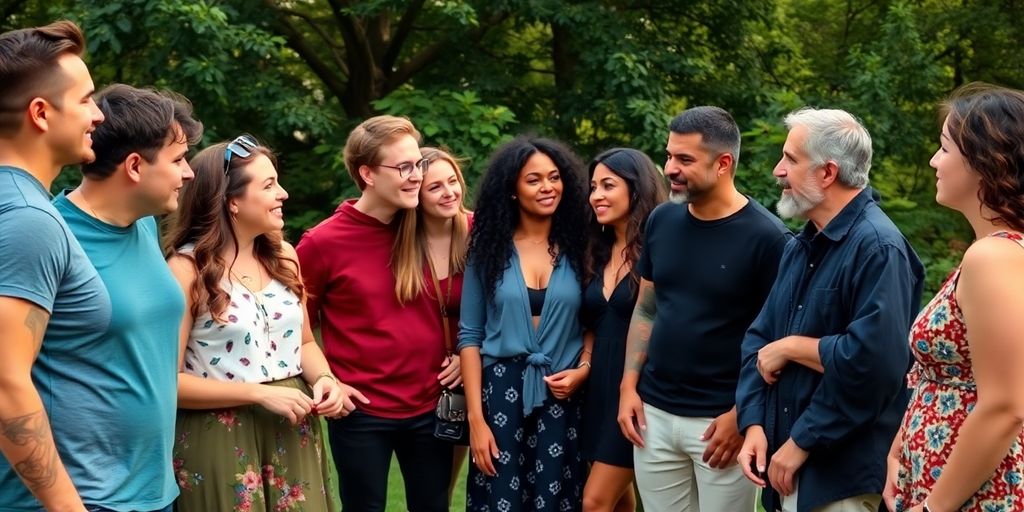
Polyamorous communities show the rich diversity of human experience. Intersectionality, including things like race, gender, and sexual orientation, shapes how people experience polyamorous relationships. To be good allies, we must focus on intersectionality. Understanding the concept of relationship anarchy is also important in discussions about diversity within polyamorous communities. It’s about creating spaces where everyone feels safe, respected, and valued, regardless of their relationship style.
- Actively listen to and amplify the voices of marginalized individuals within polyamorous communities.
- Support organizations and initiatives that advocate for the rights of polyamorous individuals and families.
- Educate yourself and others about the diverse experiences and challenges faced by polyamorous individuals.
“We’ve only been in the LS for about a year but we have found some really great people using SwingTowns. Wish we would have found the website sooner.” -2Adults89
The Role of Allies in Polyamorous Spaces
Being an ally to the polyamorous community means actively working to dismantle the stigma and discrimination they face. It involves challenging societal norms, advocating for equal rights, and creating spaces where polyamorous individuals feel safe and supported. Allies play a crucial role in bridging the gap between the polyamorous community and the broader society. It also means recognizing the legal complexities and challenges faced by polyamorous families, and creating practical agreements to ensure the well-being of all involved.
- Challenge stereotypes and misconceptions about polyamory.
- Speak out against discrimination and prejudice towards polyamorous individuals.
- Support legal and policy changes that protect the rights of polyamorous families.
Wrapping It Up
In the end, gender identity plays a big role in shaping how polyamorous relationships look today. These relationships often push back against traditional norms, allowing people to express themselves in ways that feel right for them. As we’ve seen, polyamory isn’t just about love; it’s about creating spaces where everyone feels equal and respected. The diversity within these relationships reflects the many ways people connect and care for each other. It’s clear that as society evolves, so do our understandings of love and partnership. By embracing this complexity, we can better support each other in our unique journeys, fostering a more inclusive world for everyone.
Frequently Asked Questions
What is gender identity in relation to polyamory?
Gender identity is how someone feels about their own gender, which can be different from what society expects. In polyamorous relationships, understanding gender identity helps partners communicate better and create supportive environments.
How does gender identity affect relationships?
Gender identity can change how people interact in relationships. It influences roles and expectations, helping partners understand each other’s needs and feelings.
What is relationship anarchy?
Relationship anarchy is a way of looking at relationships that doesn’t follow traditional rules. It values each connection equally and allows people to create their own rules about love and friendship.
How do communication and consent work in polyamorous relationships?
In polyamorous relationships, open communication is very important. Partners need to talk about their feelings, set boundaries, and agree on what is okay for everyone involved.
What are some common types of polyamorous relationships?
There are many types of polyamorous relationships, including triads (three partners), quads (four partners), and larger networks. Each type can look different depending on the needs of the people involved.
How can allies support polyamorous individuals?
Allies can support polyamorous individuals by respecting their choices, challenging stereotypes, and creating safe spaces where everyone feels accepted and valued.
Love Without Limits – Where Identities Connect and Evolve
Join a community where love knows no boundaries and every identity finds its place. Discover how modern polyamorous relationships thrive through openness, understanding, and connection. Ready to be part of a vibrant and diverse network? Sign up for a free SwingTowns account today and start your adventure!
“So far it’s been a fun way to connect with like minded people. In a open, judgement free environment. Lots of people to get to know.” -StaggerinVixen86


