
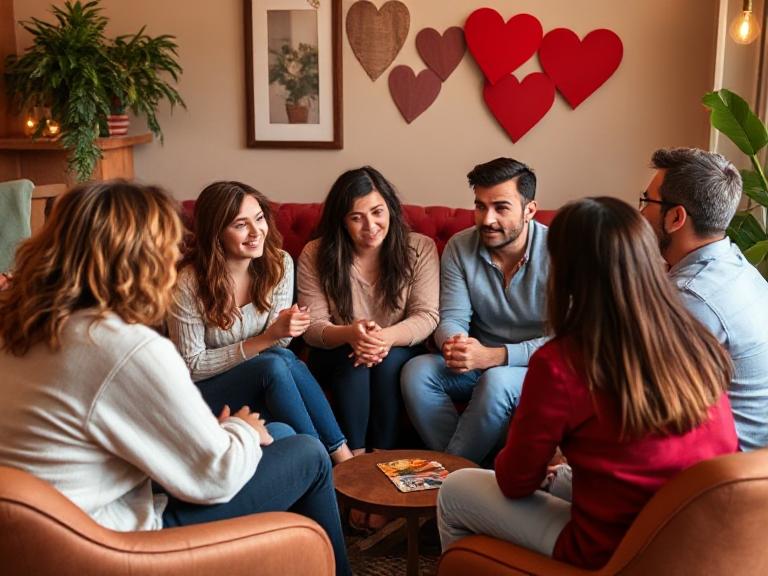
Cisnormativity, the assumption that everyone is cisgender and that cisgender identities are the default, can create real challenges in polyamorous spaces. This can be especially tough for those who identify as queer or trans, as they often face additional layers of marginalization. In this article, we’ll explore how cisnormativity impacts the polyamorous community and discuss practical solutions to create a more inclusive environment for everyone. From addressing couples privilege to promoting supportive practices, there’s a lot to unpack. Let’s dive in and confront these issues together.
Key Takeaways
- Cisnormativity affects relationship dynamics in polyamorous communities, often sidelining queer and trans voices.
- Couples privilege can create barriers for newer or non-married relationships, making inclusivity essential.
- Supportive environments are crucial for all identities, emphasizing community care and open dialogue.
- Addressing power dynamics and conflict, especially regarding abuse, is vital for healthy polyamorous relationships.
- Education on cisnormativity and its impacts is necessary for fostering understanding and acceptance within the polyamorous community.
Understanding Cisnormativity Within Polyamory
Defining Cisnormativity
Cisnormativity is the assumption that everyone is cisgender, and that cisgender identities and experiences are the norm. This assumption can be really harmful in polyamorous communities, which often pride themselves on being open and accepting of different identities and relationship styles. It’s about challenging heteronormativity in polyamory and recognizing that not everyone fits neatly into traditional gender roles. When we talk about cisnormativity, we’re talking about a system of beliefs and practices that centers cisgender people and marginalizes trans and non-binary folks. It’s not always intentional, but its impact can be significant.
Impact on Relationship Dynamics
Cisnormativity can show up in polyamorous relationships in a bunch of ways. For example, people might assume that a person’s gender identity automatically dictates their role or preferences in a relationship. This can lead to misunderstandings, hurt feelings, and even exclusion. It’s important to be aware of these biases and actively work against them. Navigating gender norms in polyamorous relationships requires constant communication and a willingness to challenge your own assumptions. It’s about creating space for everyone to express their identities authentically, without feeling pressured to conform to cisnormative expectations.
Cisnormativity and Intersectionality
Cisnormativity doesn’t exist in a vacuum. It intersects with other forms of oppression, like racism, sexism, and ableism. This means that trans and non-binary people of color, disabled trans folks, and others with marginalized identities may face unique challenges of cisnormativity in polyamory within polyamorous communities. It’s important to consider these intersections and work to create spaces that are truly inclusive of everyone. Understanding diversity in polyamory means recognizing that people’s experiences are shaped by multiple factors, not just their gender identity. We need to listen to and center the voices of those who are most marginalized in order to create a more equitable and just community.
Swingtowns is incredible, I have met many awesome couples and single females on here. I recommend this site to anyone in the lifestyle! -MrMsBullDurham
Identifying Challenges Faced by Marginalized Groups
It’s easy to talk about polyamory as this open, accepting thing, but the truth is, it’s not always a safe space for everyone. Certain groups face extra hurdles, and it’s important to understand what those are.
Experiences of Queer and Trans Individuals
For queer and trans folks, the polyamorous community can be a mixed bag. On one hand, there’s often a greater acceptance of diverse identities than in mainstream society. But on the other, cisnormativity can still rear its ugly head. This might look like assumptions about relationship roles, a lack of understanding of different gender identities, or even outright discrimination. It’s not enough to just be “tolerant”; active inclusion and understanding are needed.
- Microaggressions can be common, like misgendering or invalidating someone’s identity.
- Finding partners who understand and respect their identities can be difficult.
- Navigating dating apps and spaces that aren’t designed with them in mind adds another layer of complexity.
Racial and Ethnic Considerations
Race and ethnicity play a big role too. Polyamorous communities, especially in Western countries, tend to be predominantly white. This can lead to feelings of isolation for people of color. It also means that cultural differences in how relationships are viewed and practiced might be overlooked or dismissed. It’s important to recognize that not everyone comes from the same cultural background, and that affects how they approach relationships. A study by JR Anderson highlights the social and structural barriers faced by non-monogamous individuals, emphasizing the systemic obstacles that lead to their exclusion from society.
- Lack of representation in polyamorous spaces.
- Cultural expectations around relationships that clash with polyamorous values.
- Experiences of racism or prejudice within the community.
Disability and Polyamory
People with disabilities often face unique challenges in polyamorous relationships. Ableism, or discrimination against disabled people, can show up in many ways. It could be assumptions about their ability to form relationships, a lack of accessibility in community spaces, or even partners who aren’t willing to accommodate their needs.
“So far it’s been a fun way to connect with like minded people. In a open, judgement free environment. Lots of people to get to know.” -StaggerinVixen86
- Accessibility issues in meeting spaces and events.
- Assumptions about their capacity for relationships.
- Lack of understanding of their specific needs and challenges.
Addressing Couples Privilege in Polyamorous Spaces
Understanding Hierarchical Norms
Couples privilege in polyamorous relationships refers to the often-unacknowledged advantages that established couples have over other relationship configurations. This privilege can manifest in various ways, impacting the dynamics and fairness within the polyamorous network. It’s important to recognize how societal norms around marriage and cohabitation influence these dynamics, even within communities that aim to challenge traditional relationship structures. We need to promote understanding diverse relationship structures.
Effects on Newer Relationships
Newer relationships within a polyamorous group can be particularly vulnerable to the effects of couples privilege. This can lead to feelings of marginalization, insecurity, and a sense of unequal footing. Some common issues include:
- Decisions being made without input from newer partners.
- Established couples having more influence on shared resources or living arrangements.
- Newer partners feeling pressured to conform to existing relationship patterns.
“SwingTowns is awesome place to meet great people. We have met a lot nice people on here and had amazing time with several couples.” -LoveTerri77
Strategies for Inclusivity
Creating a more inclusive polyamorous space requires conscious effort and a commitment to challenging existing power structures. Here are some strategies that can help:
- Open Communication: Regularly discuss relationship agreements and power dynamics within the group.
- Prioritize Individual Needs: Ensure that each person’s needs and desires are considered, not just those of established couples.
- Challenge Assumptions: Question assumptions about relationship hierarchies and the value of different types of connections.
- Resource Allocation: Distribute resources (time, money, emotional support) fairly among all partners.
Addressing couples privilege is an ongoing process that requires self-reflection, empathy, and a willingness to adapt. It’s about recognizing the impact of societal norms and actively working to create a more equitable and supportive environment for all involved, considering polyamory and intersectionality issues.
Creating Supportive Environments for All Identities
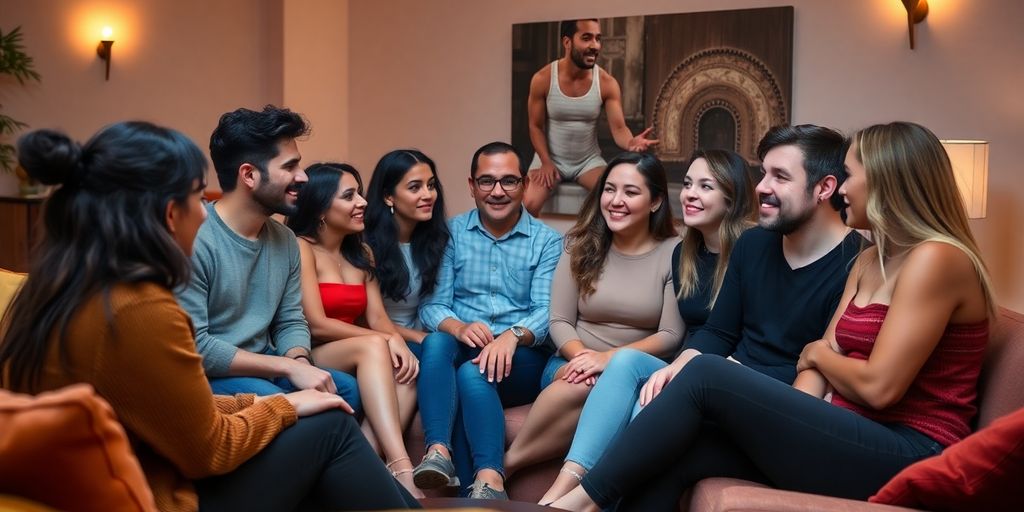
It’s easy to talk about inclusivity, but actually building supportive spaces? That’s where things get real. It’s not just about saying you’re open-minded; it’s about actively working to make sure everyone feels safe, respected, and valued. This means thinking critically about the norms we take for granted and challenging the ways those norms might exclude or marginalize certain people. Creating a truly supportive environment requires ongoing effort and a willingness to learn and grow.
Building Community Care Practices
Community care is all about shifting away from the idea that individuals are solely responsible for their well-being. It’s about recognizing that we’re all interconnected and that we can support each other through challenges. Think of it as a safety net woven from mutual aid and shared responsibility. Here are some ways to build community care practices:
- Organize regular check-ins within your polycule or community to see how everyone is doing.
- Create a shared resource list of therapists, doctors, and other professionals who are LGBTQ+ friendly and knowledgeable about polyamory.
- Establish a buddy system where people can pair up to provide support during difficult times.
Encouraging Open Dialogue
Open and honest communication is the bedrock of any healthy relationship, but it’s especially important in polyamorous communities where there are often more complex dynamics at play. It’s about creating a space where people feel comfortable sharing their thoughts, feelings, and concerns without fear of judgment or reprisal. This includes:
- Actively listening to understand different perspectives, even when you don’t agree with them.
- Using “I” statements to express your feelings and needs without blaming others.
- Being willing to engage in difficult conversations about power dynamics, privilege, and oppression.
“Swingtowns is fun and interesting for all kinds of cats! There a plenty of friendly folks and no pushy pests. Plenty of flavors for every occasion.” -FreakyFux
Resources for Mental Health Support
Polyamory can be incredibly rewarding, but it can also present unique challenges to mental health. Navigating multiple relationships, dealing with jealousy, and facing societal stigma can all take a toll. That’s why it’s so important to have access to mental health resources that are specifically tailored to the needs of the polyamorous community. Some resources include:
- Listing therapists who specialize in relationship issues and are knowledgeable about polyamory.
- Online support groups and forums where people can connect with others who understand their experiences.
- Educational materials and workshops on topics such as communication skills, conflict resolution, and emotional regulation.
Navigating Abuse and Conflict in Polyamorous Relationships
Conflict is inevitable in any relationship structure, but in polyamorous relationships, the dynamics can become particularly complex. It’s important to address these issues head-on to maintain healthy connections. Abuse, unfortunately, can also occur, and it requires specific attention and strategies for resolution.
Role of Metamours in Conflict Resolution
Metamours (your partner’s other partners) can play a tricky role when conflict arises. Sometimes, they can offer a fresh perspective or support, but other times, their involvement can complicate things further. It’s essential to establish clear boundaries and expectations regarding metamour involvement in conflict resolution. Direct communication between all parties involved is often the most effective approach. If a partner has witnessed abuse from another partner, the best course of action is often unclear. This is an important area for learning how to invite collaborative action and community response to abuse in polyamorous contexts. It’s important to remember that the goal is to create a safe and supportive environment for everyone involved.
Addressing Power Dynamics
Power imbalances can significantly impact conflict and abuse within polyamorous relationships. These imbalances can stem from various factors, such as:
- Financial dependence
- Emotional manipulation
- Hierarchical relationship structures
It’s crucial to recognize and address these power dynamics to ensure fairness and equity. Open communication, negotiation, and a willingness to compromise are essential tools for leveling the playing field. Consider how Gottman Therapy can help improve communication skills.
Community Responses to Abuse
When abuse occurs in polyamorous communities, it’s vital to have established protocols for responding effectively. This includes:
- Providing support to survivors
- Holding abusers accountable
- Creating a culture of safety and respect
“This site has been super fun. Would highly recommend for all players :)” -coltpl4y
It’s also important to acknowledge that there are barriers to speaking out about abuse, and these barriers are amplified in some polyamorous contexts. Folks can sometimes expect less support from friends, family, and professionals when experiencing abuse within polyamorous contexts. If the partner using abuse is a nesting or married partner, the practice of polyamory can be blamed as the trigger for the abuse. Polyamory, like bisexuality, can invite what one narrative therapist called “the wild reputation that might have meant people wouldn’t believe me” in terms of describing abuse. And when the partner using abuse is a satellite, secondary, or non-domiciled partner, the same victim-blaming rhetoric of “why don’t you just leave” or end a relationship can be amplified by monogamous-normative discourses that frame polycules as inherently unstable, less committed, less loving, etcetera.
Promoting Inclusive Practices in Polyamorous Communities
Challenging Individualism
It’s easy to get caught up in the ‘me’ of polyamory – my needs, my relationships, my feelings. But true inclusivity means looking beyond that. We need to actively challenge the hyper-individualism that’s so common in our society and can easily seep into polyamorous relationships. This means thinking about how our choices affect everyone in our network, not just ourselves. It’s about recognizing that we’re all interconnected and that our actions have ripple effects. For example, consider how decisions about time, resources, or even emotional energy might impact different partners or metamours. Challenging individualism also means questioning the idea that everyone needs to be completely self-sufficient and independent. It’s okay to ask for help, to rely on others, and to offer support in return. This creates a more resilient and caring community.
Collaborative Approaches to Problem-Solving
When issues arise in polyamorous relationships, the knee-jerk reaction can be to handle it solo or within a dyad. But what if we approached problems collaboratively? This means involving everyone who’s affected by the issue in the problem-solving process. It might sound messy, but it can lead to more creative and equitable solutions. Here’s how it could work:
- Identify the problem clearly and specifically.
- Gather input from everyone involved – their perspectives, feelings, and needs.
- Brainstorm possible solutions together, without judgment.
- Evaluate the pros and cons of each solution, considering its impact on everyone.
- Choose a solution that addresses the needs of the most people, even if it requires compromise.
“Swingtowns is awesome and we have no complaints. There are tremendous people and wonderful couples on here that we have had the pleasure of meeting” -wearesexy2015
Integrating Diverse Perspectives
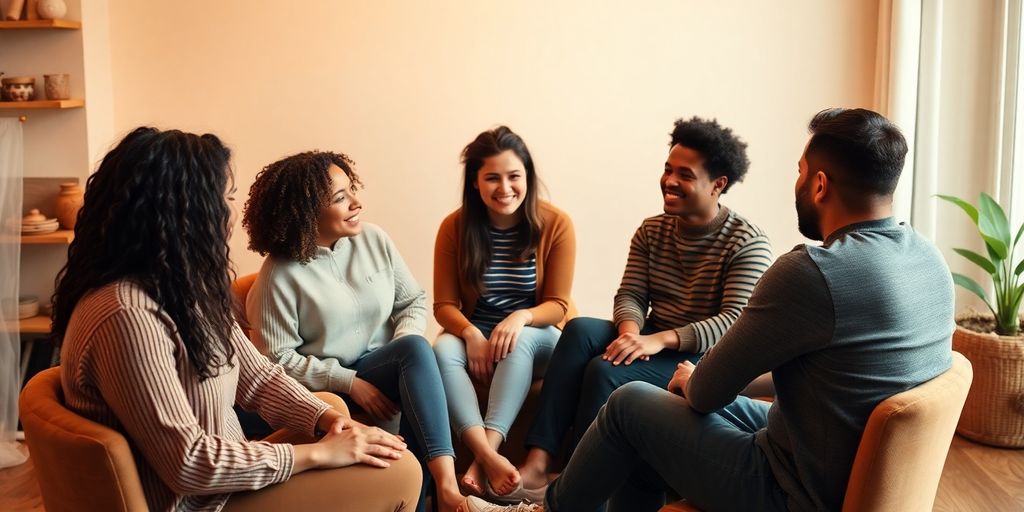
Polyamorous communities aren’t monolithic. People come from all walks of life, with different backgrounds, experiences, and identities. To truly promote inclusive practices in polyamorous relationships, we need to actively seek out and integrate these diverse perspectives. This means creating spaces where marginalized voices are heard and valued. Challenging our own assumptions and biases is essential. Recognizing that what works for one person or relationship may not be suitable for another is equally important. Additionally, acknowledging how various forms of oppression—such as racism, sexism, ableism, and transphobia—can intersect and shape experiences in polyamorous relationships is crucial. For example, LGBTQ+ individuals may face unique challenges in navigating polyamory due to societal stigma and discrimination. By integrating diverse perspectives, we can create a more nuanced and equitable understanding of polyamory and build communities that are truly welcoming to all. This also means actively supporting marginalized voices in poly communities and ensuring they have a seat at the table when decisions are being made.
Educating the Polyamorous Community on Cisnormativity
It’s easy to fall into patterns, and sometimes those patterns reinforce ideas that aren’t fair to everyone. When it comes to polyamory, we need to actively work against cisnormativity. This means making a real effort to understand how assumptions about gender can negatively impact people in our community. It’s not enough to just say we’re open-minded; we have to put in the work to create a truly inclusive space.
Workshops and Training Initiatives
Workshops can be a great way to start conversations and build understanding. These aren’t just lectures; they should be interactive sessions where people can share experiences and learn from each other. Think about including activities that challenge assumptions and encourage empathy. It’s also important to make sure these workshops are accessible to everyone, regardless of their background or experience level. Maybe offer different levels of workshops, from introductory to more advanced topics.
Utilizing Narrative Therapy
Narrative therapy can be a powerful tool for helping people understand how cisnormativity affects their lives and relationships. It focuses on separating the person from the problem, allowing individuals to re-author their stories in ways that empower them. By exploring the dominant narratives that shape our understanding of gender, we can begin to challenge and change them. This approach can be particularly helpful for individuals who have experienced marginalization or discrimination.
Engaging with Broader Social Movements
Polyamory doesn’t exist in a vacuum. The issues we face within our community are often connected to larger social and political movements. By engaging with these movements, we can gain a broader perspective on issues of gender, sexuality, and power. This might involve:
- Supporting LGBTQ+ rights organizations
- Participating in protests and demonstrations
- Educating ourselves about social justice issues
“I’ve been looking for a fun community who share the same interests as I do, and most have failed to meet my expectations. But SwingTowns by far has had the most fun engagements with REAL people, much more than anywhere else I’ve found. Most people on here have been fun, sexy, engaging, and willing to help a young buck learn the ropes of this lifestyle.” -Johncarpenter
Ultimately, education is key. We need to create spaces where people can learn, grow, and challenge their own biases. This isn’t about blaming or shaming anyone; it’s about creating a more just and equitable community for everyone.
Moving Forward Together
In wrapping this up, it’s clear that tackling cisnormativity in the polyamorous community isn’t a quick fix. It’s messy, complicated, and requires all of us to step up and do the work. We need to keep having these tough conversations, support each other, and recognize the different struggles people face. Whether it’s dealing with privilege, abuse, or just the everyday challenges of being in non-traditional relationships, we have to be willing to listen and learn from one another. By creating spaces where everyone feels safe to share their experiences, we can start to break down those barriers. It’s about building a community that truly values diversity and inclusion, where everyone can thrive. So let’s keep pushing for change, together.
Frequently Asked Questions
What is cisnormativity and how does it affect polyamory?
Cisnormativity is the idea that being cisgender (identifying with the sex you were assigned at birth) is the norm. In polyamory, this can create challenges for those who are transgender or non-binary, making them feel excluded or less valued in relationships.
How do marginalized groups experience polyamory differently?
Marginalized groups, like queer and trans individuals, often face additional layers of discrimination. They might deal with biases related to their gender identity or sexuality, which can complicate their experiences in polyamorous relationships.
What is couples privilege in polyamory?
Couples privilege refers to the idea that established couples often receive more attention or priority in polyamorous spaces. This can make newer or non-married partners feel less important or valued.
How can polyamorous communities create more inclusive environments?
To be more inclusive, polyamorous communities can encourage open conversations about different identities, create support systems, and actively work against biases that affect marginalized members.
What role do metamours play in conflict resolution?
Metamours, who are partners of your partner, can help mediate conflicts by providing support and perspective. Their involvement can help address issues and ensure everyone feels heard.
How can education help address cisnormativity in polyamory?
Education can raise awareness about cisnormativity and its effects. Workshops and discussions can help community members understand diverse identities and promote a culture of acceptance and support.
Break the Mold – Where All Identities Belong
Challenge norms and embrace the diversity of your polycule with a community that supports every identity. Discover a space where love and connection thrive beyond labels and expectations. Ready to be part of something bigger? Sign up for a free SwingTowns account today and start your journey!
“We have met so many nice people since joining swingtowns. Only positive things.” -Honeybeee


