

Hey there! So, we’re gonna talk about something pretty interesting today: how love changes over time. We’re not just talking about your typical relationship stuff, but how things have shifted from just one-on-one relationships to more open setups, like swinging, and even beyond that. It’s all about what we’ve figured out about love along the way.
Key Takeaways
- Love isn’t a fixed thing; it changes a lot over time, and what we think of as “normal” relationships has really changed too.
- Moving past just monogamy, things like ethical non-monogamy and polyamory show us there are lots of ways to have relationships, and they’re not all about sex.
- Looking back at history, people have been in polyamorous relationships for a long time, even if we don’t always hear about it.
- It’s important to see different relationship styles as just different, not wrong. Society is slowly getting better at accepting all sorts of love.
- Being in non-monogamous relationships means figuring out a lot of practical stuff, like how to manage time and talk openly with everyone involved.
Understanding the Evolution of Love
From Monogamy to Relationship-Centered Swinging: What We Learned About Love
It’s interesting to think about how our ideas about love have changed. For a long time, monogamy was seen as the only ‘right’ way to do relationships. But now, more people are redefining love and commitment and exploring other options, like relationship-centered swinging. This shift has taught us a lot about what we really want and need in our connections with others.
- People are realizing that love doesn’t have to look one specific way.
- Communication is key, no matter what kind of relationship you’re in.
- It’s okay to question traditional norms and find what works best for you.
Exploring different relationship styles has highlighted the importance of honesty and consent. It’s not just about the structure of the relationship, but about the values that underpin it.
Challenging Traditional Relationship Paradigms
Traditional relationship models often come with a lot of unspoken rules and expectations. Things like who does what around the house, how much time you spend together, and even what your sex life should look like. But what happens when those expectations don’t fit? More and more, people are challenging these paradigms and asking, ‘Why do we do things this way?’ This can lead to some tough conversations, but it can also open the door to more authentic and fulfilling relationships. It’s about questioning the status quo and creating something that truly works for everyone involved. It’s about love in different relationship structures.
The Fluidity and Diversity of Human Relationships
One of the biggest takeaways from this evolution is that relationships are fluid. What works for you today might not work for you tomorrow, and that’s okay. There’s no one-size-fits-all approach to love. The beauty of human connection lies in its diversity. We all have different needs, desires, and experiences, and our relationships should reflect that. Embracing this fluidity and diversity can lead to richer, more meaningful connections with others.
Beyond Monogamy: Exploring Ethical Non-Monogamy

Demystifying Ethical Non-Monogamy and Polyamory
Ethical non-monogamy (ENM) is about having open, honest, and consensual relationships with more than one person. It’s an umbrella term that includes things like polyamory, open relationships, and relationship anarchy. The key is that everyone involved knows about and agrees to the arrangement. It’s not about sneaking around; it’s about building relationships based on trust and communication. Many people start their ethical non-monogamy journey with a lot of questions, and that’s perfectly normal.
Distinguishing Polyamory’s Focus on Love Versus Swinging’s Focus on Sex
Polyamory and swinging are both forms of ENM, but they have different focuses. Polyamory emphasizes having multiple loving, intimate relationships. It’s about emotional connection and commitment with more than one person. Swinging, on the other hand, is usually more focused on sexual experiences with others, often without the expectation of deep emotional bonds. Some people find that swinging enhances their primary relationship, while others see it as a separate activity. Understanding these differences is important when considering open relationship experiences.
Navigating Jealousy and Communication in Open Relationships
Jealousy is a common emotion in any relationship, but it can be especially challenging in open relationships. Good communication is key to managing jealousy and building trust. Here are some tips:
- Talk openly and honestly about your feelings.
- Set clear boundaries and expectations.
- Practice empathy and try to understand your partner’s perspective.
- Schedule regular check-ins to discuss how things are going.
It’s important to remember that jealousy doesn’t mean your relationship is doomed. It just means you need to work on communication and trust. Many people find that addressing jealousy head-on can actually strengthen their relationships. Some people find that the monogamy to polyamory journey is a long one, and that’s okay too.
It’s also important to remember that ethical non-monogamy relationships are not for everyone.
A Historical Perspective on Polyamory
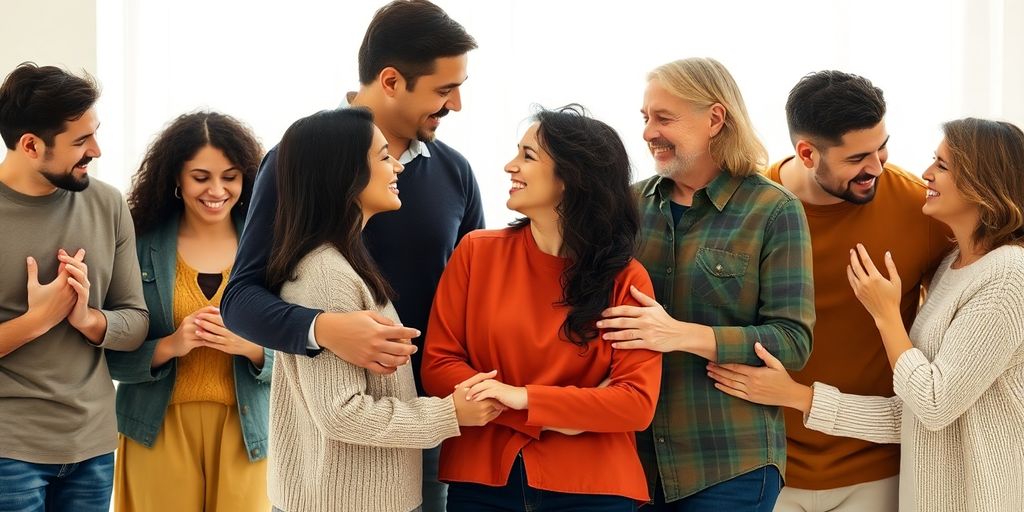
Tracing Polyamory’s Roots Across Civilizations
It’s interesting to think about how long different kinds of relationships have been around. When we look back, we see that polyamory isn’t some new fad. It’s been part of human experience for ages. Different cultures have had different ways of doing relationships, and many of them weren’t strictly monogamous. Understanding this history helps us see that love and relationships can take many forms.
Connecting Past Relationship Structures to Present Practices
Looking at history gives us context. It shows us that the way we do relationships now is built on ideas and practices from the past. For example, some ancient societies had practices that look a lot like what we’d call polyamory today. These historical examples can inform how we think about ethical non-monogamy now. It’s not just about the past; it’s about how the past shapes the present.
The Enduring and Evolving Story of Love Multiplied
Love isn’t a fixed thing; it changes over time. The story of polyamory is part of that bigger story. It’s about how people have always found different ways to connect and build families. It’s a story of challenging norms and finding what works for them. And it’s a story that’s still being written. The history of polyamory and marriage shows us that love can be many things, and it’s always evolving.
Exploring the history of polyamory reveals a continuous human quest for connection and challenges to societal norms. It’s more than just academic; it broadens our perspectives on the multifaceted nature of love and relationships.
Cultural Acceptance and Shifting Mindsets
Embracing Differences as Neutral, Not Deficient
It’s wild how much our view of relationships is shaped by what we’re told is “normal.” For so long, anything outside of the traditional model was seen as, well, wrong. But what if we started seeing these differences as just that—differences? It’s about recognizing that monogamy isn’t the only valid way to love and connect. It’s not about judging one as better than the other, but understanding that people have different needs and desires. This shift in perspective is key to creating a more inclusive and accepting society.
Societal Progression in Accepting Diverse Relationship Orientations
We’re slowly seeing a change in how society views relationships. Shows and movies are starting to portray polyamorous relationships in a positive light, which helps normalize the idea. Online communities are popping up everywhere, offering support and information. It’s not perfect, of course. There’s still plenty of stigma and misunderstanding. But the conversation is happening, and that’s a huge step forward. Think about it:
- More open discussions in the media.
- Increased online support groups.
- Growing legal recognition in some areas.
This progress isn’t just about accepting different relationship styles; it’s about challenging the idea that there’s only one “right” way to live and love. It’s about creating space for people to be authentic and true to themselves, without fear of judgment or discrimination.
The Ongoing Quest for Personal Freedom and Self-Expression
At the heart of this shift is the desire for personal freedom. People want to define their own relationships, not have them dictated by societal norms. It’s about exploring what feels right and authentic, even if it goes against the grain. This quest for self-expression is driving the evolution of relationships. It’s about creating a world where everyone has the freedom to love and connect in a way that feels true to them. The internet has facilitated a cross-cultural exchange of ideas, leading to a more diverse understanding of polyamory.
Practicalities of Non-Monogamous Lifestyles
Logistics of Day-to-Day Polyamorous Functioning
Okay, so you’re thinking about, or already living, a non-monogamous life. What does that actually look like, day to day? It’s not all just fun and games; there’s a lot of scheduling and communication involved. Think of it as juggling multiple relationships, each with its own needs and expectations. It’s like running a small business, but with feelings.
- Shared calendars are your best friend.
- Regular check-ins with all partners are a must.
- Be prepared for a lot of conversations about feelings.
Honestly, sometimes it feels like I spend more time talking about relationships than actually being in them. But that’s the price you pay for making sure everyone feels seen and heard. It’s worth it, but it’s definitely not for the faint of heart.
Establishing Agreements in Separate Relationships
Agreements are the bedrock of any successful non-monogamous setup. These aren’t just casual suggestions; they’re the rules of engagement, designed to protect everyone’s feelings and boundaries. Think of them as the constitution of your relationships. It’s important to have open communication about what you want.
- Define what’s okay and what’s not (e.g., safer sex practices, types of interactions with others).
- Set clear expectations about time commitments.
- Establish protocols for handling conflicts and jealousy.
Managing Multiple Connections and Time Constraints
Time management becomes an art form when you’re balancing multiple relationships. It’s not just about dividing your hours; it’s about being present and engaged with each person when you’re with them. This is where the rubber meets the road in the [swingers lifestyle insights].
- Prioritize quality time over quantity.
- Learn to say no (to social events, extra commitments, etc.) to protect your time.
- Be realistic about what you can handle – don’t overextend yourself.
| Task | Time Allotment | Frequency | Notes |
|---|---|---|---|
| Date Night with Partner A | 3 hours | Weekly | Uninterrupted, focused attention |
| Check-in with Partner B | 1 hour | Bi-weekly | Discuss feelings, address concerns |
| Personal Time | 2 hours | Daily | Recharge, pursue hobbies |
The Broader Impact of Relationship Evolution

Reflecting Collective Struggles and Triumphs in Understanding Relationships
It’s interesting to think about how our ideas about relationships have changed. It’s not just about personal choices; it shows what we, as a society, have been going through. The evolution of relationships mirrors our collective journey – the fights, the breakthroughs, and the constant push to understand each other better. Think about it: each time we challenge old norms, we’re also learning more about ourselves. It’s like holding up a mirror to our values and beliefs. This journey touches on attachment wounds, self-concept, and self-worth.
Informing Future Discussions on Love and Family Structures
How we talk about love and family is changing, and it’s important. The discussions we’re having now about different kinds of relationships will shape how future generations see things. It’s not just about accepting different lifestyles; it’s about creating a world where everyone feels seen and understood. We’re laying the groundwork for more open and honest conversations about what love and family can mean. It’s about moving beyond what’s always been done and exploring what could be. This includes dating and polyamory.
The Living History of Polyamory as a Social Narrative
Polyamory isn’t just a relationship style; it’s a story about social change. It’s about how we’re evolving as a culture and how we’re constantly seeking personal freedom. The history of polyamory shows how we’re trying to understand and accept the many ways people connect with each other. It’s a story that’s still being written, and it reflects our ongoing journey toward a more inclusive and understanding world. It raises societal questions about diversity, tolerance and the evolving nature of family and love.
It’s important to remember that these changes aren’t happening in a vacuum. They’re part of a larger conversation about what it means to be human, to love, and to connect with others in meaningful ways. It’s a conversation that’s worth having, and it’s one that will continue to evolve as we learn and grow together.
Conclusion
So, what’s the big takeaway from all this talk about love and relationships? Well, it’s pretty simple. Love isn’t just one thing, you know? It’s not a straight line from point A to point B. It’s more like a winding road with lots of turns and different paths. We’ve looked at how things used to be, how they are now, and how they might change in the future. The main idea is that relationships, whether they’re monogamous or something else, are always growing and changing. It’s about figuring out what works for you and the people you care about. And that’s a journey that never really ends.
Frequently Asked Questions
What’s the difference between being with one person and being ethically non-monogamous?
Monogamy means being with only one person at a time. Ethical non-monogamy means you can have more than one romantic or sexual partner, but everyone involved knows about it and agrees to it. It’s all about being open and honest.
Is polyamory the same as swinging?
Polyamory is about having deep, loving relationships with more than one person. Swinging is more about having sex with different partners, often as a couple. The main difference is that polyamory focuses on feelings and connections, while swinging is more about physical fun.
How do people handle jealousy in open relationships?
It’s normal to feel jealous sometimes, even in open relationships. The key is to talk about your feelings openly and honestly with your partners. Good communication helps everyone feel safe and understood.
Is polyamory a new thing?
Yes, polyamory has been around for a very long time, in different cultures all over the world. It’s not a new idea, but it’s becoming more talked about now.
What does it mean to accept different kinds of relationships?
Being accepting means understanding that there are many ways people can love and form relationships. It’s about seeing these different ways as simply different, not as wrong or bad. Just like we accept different kinds of families, we can accept different kinds of relationships.
How do polyamorous relationships actually work day-to-day?
People in polyamorous relationships often set up rules and agreements to make sure everyone feels respected and happy. This can include talking about how much time they spend with each partner, what kind of dates they go on, and how they handle money or living situations. It’s like building a team where everyone knows the game plan.
Love Unlocked – Where Exploration Deepens Connection and Joy Knows No Limits
When love evolves, it opens the door to exciting new ways of connecting, growing, and playing together. Step into a welcoming space where shifting from monogamy to meaningful exploration feels natural, supported, and thrilling. You’re not just redefining love — you’re expanding it. Sign up for a free SwingTowns account today and begin your next chapter in a community built on trust, curiosity, and shared adventure.
“SwingTowns is awesome place to meet great people. We have met a lot nice people on here and had amazing time with several couples.” -LoveTerri77


