

It’s interesting to think about how different relationship styles and identities connect. We’re seeing more conversations about polyamory, queer experiences, and even things like ‘hot husbandry,’ which is a newer term for how people manage their relationships. This article looks at how these ideas overlap and what it all means for how we think about love, family, and who we are.
Key Takeaways
- The idea of ‘hot husbandry’ is being discussed in modern relationships, focusing on the active management and care within them, and this intersects with polyamory and queer identity.
- Polyamory offers a flexible structure that can align with and support queer identity, allowing for diverse expressions of self and relationships outside traditional norms.
- Queer experiences often involve challenging societal expectations about relationships and family, and polyamory provides a framework that actively works against these heteronormative structures.
- Legal and social systems, like housing rules and marriage laws, often don’t account for non-monogamous or queer family structures, creating practical hurdles.
- Understanding the spectrum of non-monogamous relationships, from polyamory to relationship anarchy, helps us see new possibilities for connection beyond traditional coupledom.
Understanding The Intersection Of Hot Husbandry, Polyamory, And Queer Identity
It’s interesting to think about how different relationship styles connect with queer identity. We often hear about polyamory, but there’s also this idea of ‘Hot Husbandry’ that’s popping up in conversations about modern relationships. It’s not just about having multiple partners, but about how those relationships are structured and experienced, especially within the queer community. Exploring non-monogamy and LGBTQ+ identities opens up a lot of questions about what we expect from relationships and how we define them.
Defining Hot Husbandry In Modern Relationships
So, what exactly is ‘Hot Husbandry’? It’s a newer term, and it’s not super defined yet, but it seems to point towards a way of managing multiple relationships that feels intentional and, well, hot. It’s about the active work and care that goes into maintaining connections, not just letting things slide. Think of it as the practical, everyday effort that keeps relationships thriving, but with an added layer of passion and intentionality. It’s about being present and engaged with each person, understanding their needs, and contributing to the shared life you’re building, whatever that looks like.
Polyamory As A Framework For Queer Identity
For many in the queer community, polyamory isn’t just an alternative to monogamy; it’s often a natural fit. Traditional relationship structures, built on heteronormative ideals, don’t always make sense for queer experiences. Polyamory, with its emphasis on consent, communication, and individual autonomy, provides a framework that can better accommodate diverse identities and desires. It allows for a more fluid understanding of love, commitment, and family, which often aligns with queer perspectives on multiple partners. It’s about creating a space where different ways of loving and being loved are not just accepted but celebrated.
The Overlap Between Non-Monogamy And Queer Experiences
There’s a significant overlap between the experiences of people in polyamorous relationships and those within the broader queer community. Both often involve challenging societal norms and expectations. When you’re exploring non-monogamy and LGBTQ+ identities, you’re often pushing against the same walls of convention. This shared journey of questioning and redefining can create strong bonds and a sense of solidarity. It’s about recognizing that the desire for diverse forms of connection and intimacy is not an anomaly, but a valid expression of human experience. Understanding polyamory within queer culture means acknowledging that these aren’t separate paths, but often intertwined journeys of self-discovery and authentic living.
“My husband and I joined Swingtowns a couple of years ago. We are new to this lifestyle and were a little apprehensive in getting involved in something like this, but we wanted to spice up our sex life and bite the bullet. We have met some wonderful respectful people and have become friends with everyone we met.” -Needtocome
Challenging Normative Structures In Relationships

So much of how we approach relationships feels assumed, like there’s only one “right” way to do them. Society gives us an unspoken script, and when we ignore it, people say we’re doing it wrong. Marriage and family, in particular, reflect narrow, traditional ideas that shut out difference and diversity.For queer people and those practicing non-monogamy, that script can feel like forcing a square peg into a round hole. We constantly push against expectations that never considered us in the first place.
Deconstructing Traditional Marriage Models
The idea of marriage often comes with a whole package of expectations. Think about it: a wedding, a shared home, children, and a lifelong commitment that society expects to define your main relationship. This model, often called the relationship escalator, lays out a clear path—you meet someone, move in together, get married, and grow old together. It sells this progression as the natural and inevitable way to love. Society presents it as the natural and almost inevitable way relationships should unfold.
But what if that path doesn’t fit your life or your desires? Challenging this traditional structure means asking why these steps are treated as mandatory instead of simply one option among many. Recognizing that the “standard contract” of marriage contains clauses that may not work for everyone is freeing. You get to decide what commitment looks like for you—and that’s more than okay.
Queer Resistance To Heteronormative Expectations
Queer identity naturally pushes back against heteronormativity—the belief that being straight and cisgender is the default or only “normal” way to exist. This resistance goes far beyond attraction; it shapes how people form relationships, build families, and design their daily lives. The traditional relationship model centers a heterosexual couple, placing every other bond in orbit around them. Queer individuals, however, create their own spaces and dynamics that reject those assumptions. They’re building a world where every kind of love and connection isn’t just accepted but celebrated.
Polyamory’s Role In Redefining Family
Polyamory, with its emphasis on multiple loving relationships, really shakes up the traditional definition of family. Instead of a single, primary unit, families can become more like networks of care and support. This can look really different from person to person. Maybe it’s a group of friends who live together and share responsibilities, or perhaps it’s a constellation of partners and their respective partners, all connected in some way. This relational diversity allows for a more fluid and inclusive understanding of what ‘family’ can mean. It moves away from a rigid, biological, or legalistic definition towards one based on chosen bonds, mutual care, and shared commitment, whatever form that takes.
Legal And Social Hurdles For Non-Monogamous Queerness
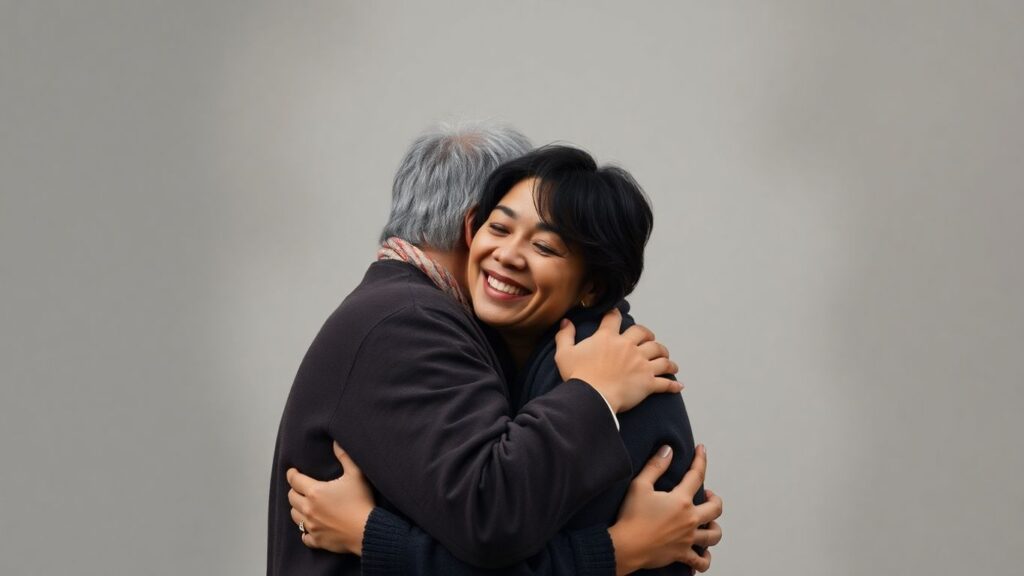
It’s not always smooth sailing when you’re trying to live your life outside the usual two-person box, especially when you’re also part of the queer community. There are a bunch of real-world problems that pop up, things that make everyday life way more complicated than it needs to be.
Housing Restrictions And Unrelated Adults
Housing is one of the biggest headaches for people in nontraditional relationships. Many rental agreements and homeowners’ association rules limit how many unrelated adults can live together, which creates instant problems for polyamorous households. When more than two people share a relationship without being married, the system pushes them into boxes that don’t fit. It assumes everyone pairs off neatly, leaving little space for networks of love or shared connection. Because of these restrictions, some people end up choosing which partners they can live with or breaking the rules altogether. It’s frustrating when all you want is to build a home with the people you love.
The Marriage Equality Struggle’s Impact On Polyamory
We all cheered when marriage equality became a thing, and that was huge. But it also kind of put polyamory in a weird spot. While the fight for same-sex marriage opened some doors conceptually, it also, in a way, reinforced the idea that marriage is only for two people. It’s like the legal system got a little more comfortable with one kind of non-traditional relationship, but didn’t really make space for others. So, even though we’ve made progress, polyamorous folks are still largely left out when it comes to legal recognition. It’s a bit of a mixed bag, honestly.
Navigating Societal Stigma And Judgment
Beyond the legal stuff, there’s just the everyday judgment. People have a lot of opinions about how relationships should look, and anything outside that norm gets a side-eye. You might face questions, assumptions, or even outright disapproval from friends, family, or coworkers. This constant need to explain or defend your relationship choices can be exhausting. It’s a lot of emotional labor to deal with people’s discomfort or lack of understanding. Plus, there’s the risk of discrimination in other areas, like employment or even just accessing services, because your relationship structure isn’t what most people expect or accept.
Here are some common challenges:
- Legal Recognition: Lack of legal rights for multiple partners (e.g., in healthcare decisions, inheritance, child custody).
- Social Acceptance: Dealing with stigma, prejudice, and misunderstanding from the general public.
- Housing Issues: Restrictions on cohabitation based on the number of unrelated adults.
- Family Structures: Difficulty in establishing recognized family units for children with multiple parental figures.
- Healthcare Access: Challenges in getting partners covered under insurance or making medical decisions.
“Swingtowns is fun and interesting for all kinds of cats! There a plenty of friendly folks and no pushy pests. Plenty of flavors for every occasion.” -FreakyFux
Identity Formation Within Polyamorous Frameworks
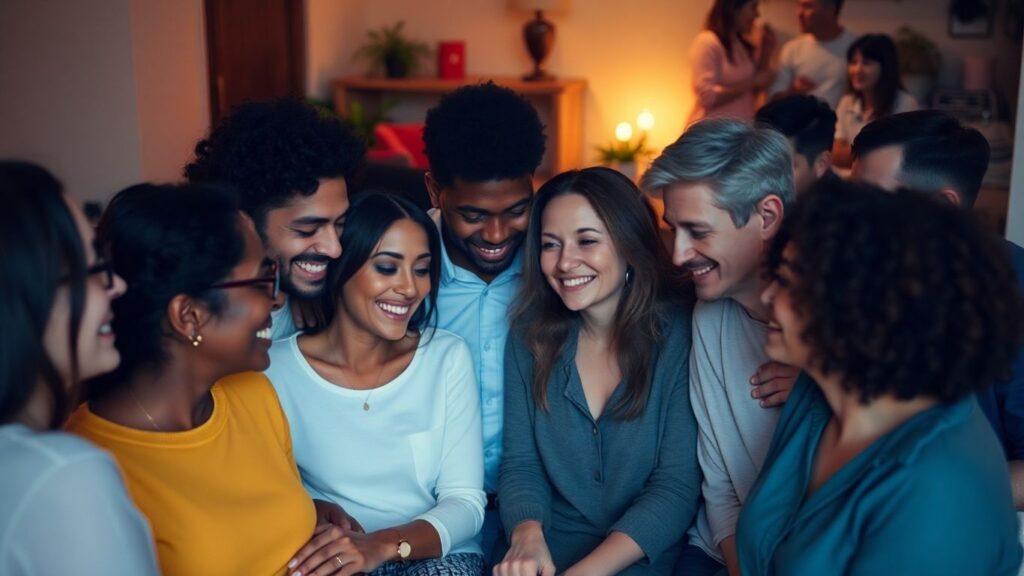
Figuring out who you are, especially when it comes to relationships, can be a whole journey. For many, exploring polyamory isn’t just about dating multiple people; it’s a way to build a new sense of self. It’s about questioning the old rules and finding what actually works for you. This process often involves a lot of self-reflection about your own sexuality, identity, and ethical non-monogamy. It’s like shedding old skin and growing into something more authentic.
Essentialism Versus Queer Identity Exploration
Sometimes, people try to box polyamory into a neat little category, like it’s just about having more partners. But for many queer folks, it’s way more fluid than that. It’s less about a fixed identity and more about a continuous exploration. You might find yourself questioning what love even means, or how you connect with others, outside of what society tells you is
Exploring The Spectrum Of Non-Monogamous Relationships
When we talk about relationships that aren’t strictly one-on-one, it’s easy to lump everything together. However, there’s a lot more depth and nuance than simply “not being monogamous.” In many ways, it’s like saying all food is just “not salad.” There are distinct flavors, textures, and ways of preparing each dish—and likewise, there are many unique approaches to building romantic and sexual connections. By recognizing these differences and exploring how each dynamic works, we can better appreciate the richness and diversity that exist within modern relationships.
Distinguishing Polyamory From Polygamy
This is a common point of confusion, and it’s worth clearing up. Polyamory is about having multiple consensual romantic relationships at the same time. Think of it as having several loving partnerships, each with its own unique dynamic and connection. Polygamy, on the other hand, is typically a religious or cultural practice where one person is married to multiple spouses. The key difference here is the legal and often religious framework. Polyamory doesn’t inherently involve marriage, and its focus is on the consensual, ethical connections between all involved parties. It’s about expanding love, not necessarily about legal or religious structures.
The Nuances Of Open Relationships And Swinging
Open relationships and swinging are also part of the non-monogamous umbrella, but they have their own specific vibes. In an open relationship, a couple might agree that they can have sexual relationships with other people, but the primary romantic connection remains with their main partner. It’s often about sexual exploration outside the primary partnership. Swinging is a bit more specific; it usually involves couples who engage in sexual activities with other couples or individuals, often at organized events or parties. The emphasis here is frequently on recreational sex, and the primary couple bond is usually maintained. The core idea across these is consent and communication, but the intent and structure can vary wildly.
Relationship Anarchy As A Transbinary Mode
This is where things get truly interesting and move beyond simple categories. Relationship anarchy, sometimes called nougamy or transbinary relational modes, challenges the very idea of predefined relationship structures.
Instead of relying on labels like partner, friend, or lover, people who practice relationship anarchy build unique connections based on individual desires and needs—without assuming a hierarchy. It’s about rejecting social rules that dictate how relationships should look and creating bonds organically.
This approach embraces fluidity, recognizing that relationships don’t need to fit into neat boxes. It deconstructs the binary of monogamy versus non-monogamy, opening space for personalized, authentic forms of connection. Relationship anarchy invites us to expand how we think about intimacy and commitment, much like the diversity of human sexuality itself.
The Future Of Relational Diversity
Thinking about where relationships are headed feels like predicting the weather—only with more glitter and even less predictability. People are moving away from rigid, one-size-fits-all models and redefining what connection means. It’s no longer just about finding a single partner; it’s about building a network of love and support that truly reflects who we are. The bigger picture shows a world where our connections evolve freely, unbound by outdated rules and expectations.
Lessons From The Marriage Equality Movement
The fight for marriage equality showed us a lot. It proved that when people band together, they can push for recognition and rights, even against huge odds. This movement wasn’t just about legalizing marriage for same-sex couples; it was about saying that love, in all its forms, deserves respect and protection. It taught us that challenging the status quo takes persistence and that visibility matters. We learned that legal recognition is a big deal, but it’s also just one piece of a larger puzzle.
Prioritizing Relationship Recognition Beyond Marriage
Marriage is great for some, but it’s definitely not the only way to structure a meaningful relationship. We need to think about how we acknowledge and support all sorts of connections – friendships, chosen families, polyamorous networks, and more. This means looking at things like housing policies, healthcare decisions, and even just everyday social interactions. How do we make sure that a close friend or a long-term partner in a non-traditional setup has the same considerations as a married spouse? It’s about creating a society that sees the value in all these different bonds.
Cultivating Inclusive Models Of Care And Affection
So, what does this look like in practice? It means building communities where people feel safe to express their relational needs without judgment. It involves creating spaces where different forms of intimacy and commitment can flourish. Think about shared housing arrangements that aren’t just for married couples, or support systems that recognize the importance of multiple partners or close platonic relationships. It’s about actively designing ways to care for each other that are flexible and honor the spectrum of human connection. This might involve:
- Developing community agreements for shared living spaces that account for multiple adult residents.
- Creating informal networks for childcare and eldercare that rely on a wider circle of trusted individuals.
- Encouraging open conversations about relationship structures within families and social groups.
“SwingTowns is awesome place to meet great people. We have met a lot nice people on here and had amazing time with several couples.” -LoveTerri77
Wrapping It Up
As we’ve seen, building relationships—especially when they involve more than two people—quickly becomes complex. These connections challenge old ideas about family and identity and often clash with legal systems that still prioritize traditional, two-person models. Laws don’t support this kind of diversity, so people in nontraditional relationships often create their own ways to define and protect what they’ve built together. When we look at queer identity and polyamory side by side, it becomes clear that there are countless ways to live authentically and to love deeply. It’s not always a straight line, and that’s okay. We’re still figuring out how all these pieces fit together, and it’s a journey that challenges what we usually take for granted about relationships and who we are.
Frequently Asked Questions
What is ‘hot husbandry’ and how does it relate to polyamory?
‘Hot husbandry’ isn’t a standard term, but in the context of your article title, it likely refers to the idea of actively and enthusiastically managing or nurturing relationships, especially within polyamorous or queer frameworks. It suggests a proactive and passionate approach to making relationships work, which can be especially important when navigating non-traditional relationship structures and identities.
How is polyamory connected to queer identity?
Polyamory, the practice of having multiple romantic relationships at once with the knowledge and consent of everyone involved, often aligns with queer identity because both challenge traditional ideas about relationships and sexuality. Many queer people find that polyamory offers a more flexible and authentic way to express their identities and connect with others, moving beyond the expected one-partner-for-life model.
Why are legal and social issues a big deal for non-monogamous queer people?
Non-monogamous queer individuals face hurdles because society and laws are often built around the idea of one man and one woman being married. Things like housing rules that limit unrelated adults living together, or not having legal recognition for relationships with more than two people, can make life difficult. The fight for marriage equality for same-sex couples, while a victory, didn’t automatically solve these issues for polyamorous people.
What does ‘essentialism’ mean in relation to queer identity?
Essentialism is the idea that people fit into fixed categories with specific, unchangeable traits. For queer identity, challenging essentialism means recognizing that people’s identities and relationships aren’t limited to narrow definitions. It’s about understanding that gender and relationships can be fluid and diverse, not sticking to strict, traditional expectations.
What’s the difference between polyamory and polygamy?
The main difference is that polygamy specifically refers to being married to more than one spouse. Polyamory is a broader term for having multiple romantic relationships, but those relationships aren’t necessarily marriages. You can be polyamorous without being married to multiple people.
What can we learn from the marriage equality movement for the future of relationships?
The marriage equality movement showed how powerful advocacy and public discussion can be in changing laws and attitudes. For polyamory and other forms of relationship diversity, it highlights the importance of pushing for recognition beyond just marriage, focusing on creating inclusive systems that value different kinds of love, care, and family structures.
Expanding Connection – Where Love Defies Labels
Hot husbandry, polyamory, and queer identity intersect in fascinating ways—each rooted in openness, communication, and the freedom to define relationships outside traditional norms. For some queer and poly individuals, hot husbandry becomes a framework for exploring desire, pride, and power dynamics while honoring emotional honesty and fluidity. It celebrates connection without confinement, blending erotic curiosity with identity expression. In these spaces, labels matter less than authenticity and shared understanding. Sign up today for your free SwingTowns account and join a diverse, inclusive community where love, sexuality, and self-expression flow freely.
Swingtowns is incredible, I have met many awesome couples and single females on here. I recommend this site to anyone in the lifestyle! -MrMsBullDurham


