
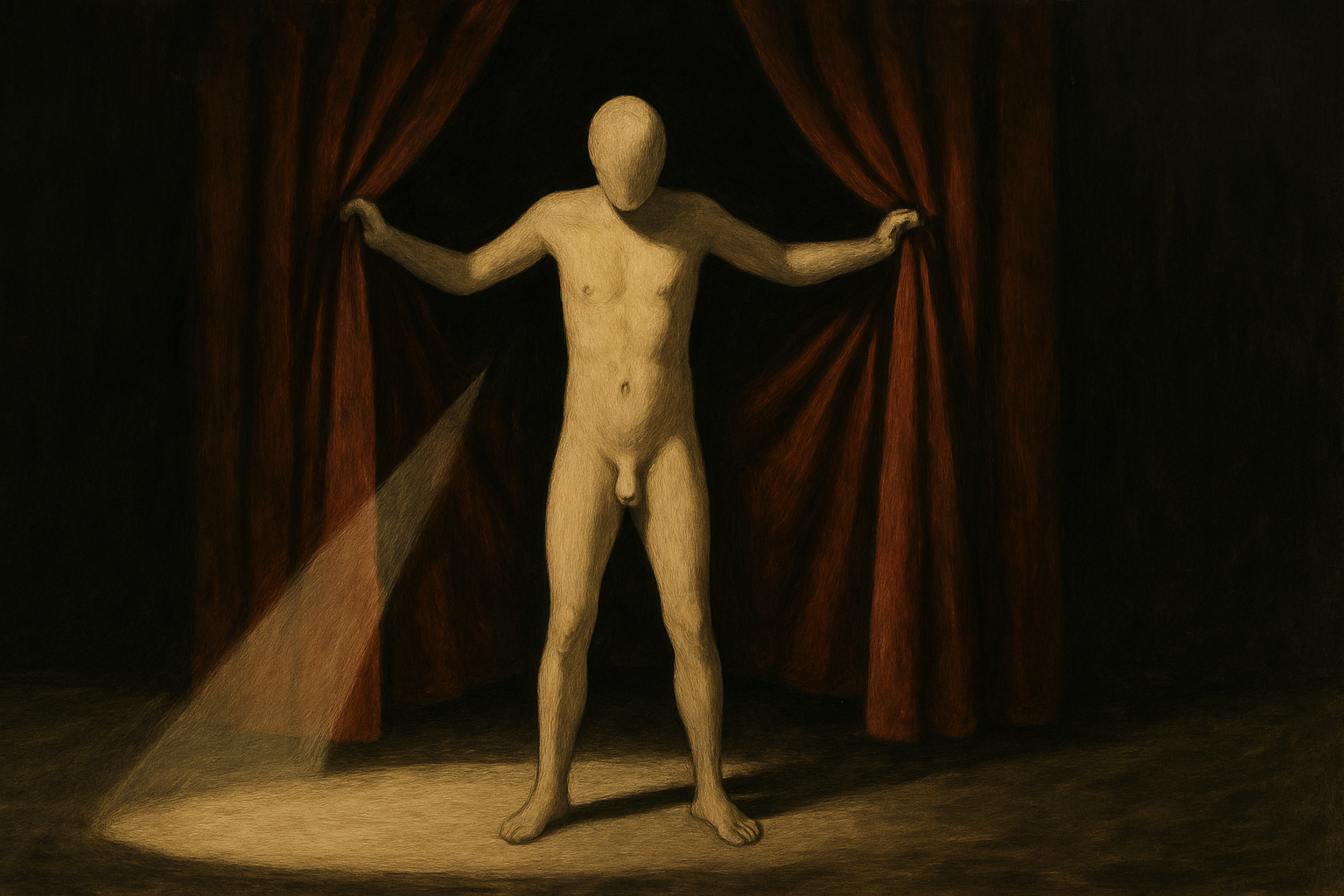
Ever get that little thrill when you think someone might be watching? It turns out, that feeling has a name and a whole lot of psychology behind it. We’re talking about exhibitionism, which is way more than just being naked in public. It’s about the urge to be seen, the excitement of display, and how that plays into our desires. This isn’t about breaking laws or making anyone uncomfortable; it’s about exploring a common human kink in a safe and consensual way. Let’s unpack what’s really going on when someone feels the urge to be seen.
Key Takeaways
- Exhibitionism is the sexual excitement derived from being watched or fantasizing about being watched, and it exists on a spectrum, with many people having such fantasies.
- Unlike the mental health condition of exhibitionistic disorder, healthy exhibitionism involves consent and does not cause distress or harm to others.
- The urge to be seen can stem from a desire for validation, a thrill from challenging social norms, or a combination of arousal and self-expression.
- Exhibitionism and voyeurism are closely related, with consent being the essential element for both to be practiced safely and ethically.
- Exploring exhibitionism can start with fantasy and communication, and safe avenues include play parties or private settings where boundaries are clearly established.
Understanding The Urge To Be Seen

So, what’s this whole deal with wanting to be observed? It’s a pretty common thing, honestly. We’re talking about exhibitionism here, and it’s not always what you see in the movies. It’s really about the thrill of being seen, whether that’s just a little bit or a lot. For many, it’s a way to feel alive and express themselves in a way that feels powerful.
Defining Exhibitionism: More Than Just Being Naked
Let’s clear something up: exhibitionism isn’t just about flashing people. That’s a very specific, and often harmful, behavior. When we talk about exhibitionism in a broader sense, especially in consensual contexts, it’s about the arousal that comes from the possibility of being watched. It can be a fantasy, a part of foreplay, or even a full-blown kink. The key here is that it’s usually about a mutual understanding and desire between people. It’s about the attention, the gaze, and the feeling of being the center of someone’s world, even for a moment. This desire to be observed can manifest in many ways, from a private show for a partner to more public, yet still consensual, scenarios.
The Spectrum of Exhibitionist Desires
Think of exhibitionism like a dial, not an on/off switch. Some people might just enjoy dressing in a way that gets noticed, or maybe they like the idea of their partner watching them masturbate. Others might fantasize about more elaborate scenarios. It’s a wide range, and what turns one person on might be totally different for another. It’s all about what feels exciting and validating. For instance, some might find joy in sharing intimate photos online with a select group, while others might prefer the thrill of a private performance for their partner. The core element is the feeling of being seen and desired.
Exhibitionism Versus Exhibitionistic Disorder
This is a really important distinction. Exhibitionism as a consensual kink is about shared pleasure and exploration. Exhibitionistic disorder, on the other hand, is a mental health condition where someone exposes themselves to unsuspecting strangers, often causing distress to themselves or others. There’s no consent involved in the disorder, and it can interfere with a person’s life. Healthy exhibitionism, however, is about mutual agreement and enjoyment. It’s a way to explore sexuality safely, unlike the disorder which is characterized by unwanted exposure and potential harm. Understanding the difference is key to talking about this topic without judgment. Exhibitionism is a paraphilia characterized by sexual arousal from exposing one’s genitals to unsuspecting strangers, but consensual exhibitionism is different.
The Psychology Behind Exhibitionism
So, why do some people get a thrill from being seen? It’s a complex mix of things, really. For many, it’s about seeking validation. The rush of being watched can feel like a powerful form of acceptance, especially if it’s something they’ve kept hidden.
Validation and Acceptance Through Display
Think about it: in our daily lives, we often try to present a certain image. Exhibitionism, in a consensual context, flips that. It’s about showing your true, often sexual, self and getting a positive reaction. This can be incredibly affirming. It’s like saying, “This is me, and I’m desirable.” The attention itself becomes a reward, boosting self-esteem and making someone feel alive and wanted. It’s a way to feel seen, not just physically, but emotionally too.
Challenging Social Norms and Taboos
There’s also an element of rebellion involved. Society has a lot of rules about what’s okay to show and when. For some, breaking these unspoken rules, even in a private, consensual setting, is part of the excitement. It’s a way to push boundaries and feel a sense of freedom from those societal pressures. This can be particularly true for those who feel stifled by conventional expectations. The thrill comes from the illicit nature of the act, the feeling of doing something a bit naughty.
The Intersection of Arousal and Self-Expression
Ultimately, for many, exhibitionism is a deeply personal form of self-expression that also happens to be sexually arousing. It’s where vulnerability meets empowerment. The act of exposing oneself, whether through fantasy or reality, can be incredibly liberating. It’s a way to connect with one’s own sexuality and desires on a profound level. The psychology of exhibitionistic tendencies often points to this blend of wanting to be admired and wanting to express a core part of oneself. It’s not just about the physical act; it’s about the emotional and psychological release it provides. Understanding the mental health aspects of exhibitionism, particularly when it veers into non-consensual territory, is also important, but in its consensual form, it’s a fascinating aspect of human sexuality. For more on the clinical side, you can look into exhibitionistic disorder.
“Swingtowns is awesome and we have no complaints. There are tremendous people and wonderful couples on here that we have had the pleasure of meeting” -wearesexy2015
Exhibitionism and Voyeurism: Two Sides of a Coin
It’s pretty wild how often exhibitionism and voyeurism pop up together, right? Think of them like two sides of the same coin. Exhibitionism is all about getting turned on by the idea, or the reality, of being watched. Voyeurism, on the other hand, is about getting that thrill from watching others, especially when they’re naked or getting intimate. It’s super common, honestly. Most people have some level of fantasy about being seen or watching others. The big thing, though, is consent. Without it, things can go from a fun exploration to something harmful and even illegal.
The Arousal of Being Watched
For some, the idea of being observed during intimate moments is a huge turn-on. It’s not just about the act itself, but the attention and the potential for judgment or admiration. This can stem from a desire for validation, a way to feel seen and desired. It’s like a performance where the audience’s gaze fuels the performer’s excitement. The thrill often comes from pushing boundaries and challenging the norm of privacy.
The Arousal of Watching Others
Then you have the voyeuristic side. This is where watching others, whether it’s through a screen or in person (with permission, of course!), sparks arousal. It taps into our natural curiosity and the visual stimulation that many find exciting. It’s about observing the vulnerability and intimacy of others, which can be incredibly potent.
Consent as the Foundation for Kink
Seriously, consent is everything here. Whether you’re the one being watched or the one doing the watching, everyone involved needs to be on board. It’s what separates a consensual exploration of kink from something that can cause harm or distress. When everyone agrees and is comfortable, it opens up a whole world of shared pleasure and excitement. Without clear communication and agreement, it’s just not safe or ethical.
Here’s a little breakdown:
- Exhibitionism: Getting aroused by the act of being seen, often in a sexual context.
- Voyeurism: Getting aroused by watching others, particularly in intimate or sexual situations.
- Consent: The absolute must-have for both, ensuring everyone is a willing participant.
“Swingtowns has been awesome in this lifestyle ! Finding new couples to play with and of course hang with.” -Skaggszy98
Exploring Exhibitionism Safely and Consensually
So, you’re curious about exhibitionism, huh? It’s a kink that’s all about the thrill of being seen, and when done right, it can be a really exciting way to explore your sexuality. But here’s the thing: safety and consent are absolutely non-negotiable. We’re not talking about flashing strangers or doing anything illegal here. This is about exploring those urges in a way that’s respectful, consensual, and honestly, a lot more fun.
Starting with Fantasy and Communication
Before acting on any fantasy, start with your imagination and an honest conversation. Explore your exhibitionist desires in your mind first—what excites you about being seen? Is it the thrill, the attention, or the vulnerability? Once you understand that, talk openly with your partner. Communication is key to any healthy sexual exploration. Discuss what feels exciting, what’s off-limits, and where your boundaries lie. Remember, this isn’t just about expressing your wants—it’s also about listening to theirs. You may find that simply sharing your fantasies is incredibly arousing, and that’s a perfectly valid way to explore. If you’re both comfortable, you can then consider how to bring those fantasies to life, perhaps by checking out sex-positive play parties together.
Navigating Play Parties and Safe Spaces
When you’re ready to move beyond fantasy, play parties and designated safe spaces can be fantastic environments for exploring exhibitionism. These places are specifically designed for people to explore their kinks in a controlled and consensual setting. Think of them as sanctuaries where you can be more open about your desires without judgment. However, even in these spaces, consent and respect are paramount. It’s important to understand the unspoken rules and expectations of such venues. Often, there are specific areas or times designated for certain activities, which helps ensure everyone feels comfortable and respected. Being aware of your surroundings and the people in them is key. Remember, the goal is mutual pleasure and exploration, not making anyone uncomfortable.
Establishing Boundaries and Safe Words
This is probably the most important part of exploring exhibitionism, or any kink for that matter. You absolutely need clear boundaries and a way to communicate if things get too intense. Before engaging in any activity, discuss what is and isn’t okay. This includes who can see you, where you are, and what actions are acceptable. Beyond that, a safe word is a must. This is a pre-arranged word or signal that, when used, means the activity stops immediately, no questions asked. It’s your emergency brake, ensuring that everyone involved feels secure and in control.
- Discuss limits: What acts are okay? Who is the intended audience?
- Agree on a safe word: Choose a word that’s easy to remember and not likely to come up in normal conversation.
- Check in regularly: Even if you’re not using the safe word, check in with your partner(s) to make sure everyone is still comfortable and enjoying themselves.
“Swingtowns, easy navigating the site, no harassing upgrade ads, easy to find people, premium is not over priced….Just keep swinging, just keeping swinging” -mrgood69
Common Misconceptions About Exhibitionism
There’s this idea that exhibitionism is automatically dangerous or illegal. That’s not really true. Most forms of exhibitionism, when practiced between consenting adults, are totally safe and harmless. In fact, a lot of people have exhibitionist fantasies and never act on them, or, if they do, they make sure everyone’s on board and happy about it. Problems only come up when someone ignores boundaries or involves folks who haven’t agreed to participate.
- Consensual exhibitionism is different from acts that break the law (like flashing strangers).
- Harm only happens when there’s a lack of consent or when someone feels distressed by their urges.
- Healthy exhibitionist play is more common than you’d think—fantasizing can be as far as someone ever takes it.
The Role of Stigma in Understanding Kink
Stigma clouds how we talk about exhibitionism. As soon as something doesn’t fit the so-called “normal” way of doing things, people start labeling it as weird or risky. Even though kink in general is much more accepted now, a lot of folks still keep their desires secret to avoid judgment. This secrecy can make people feel ashamed for wanting to be seen.
“Swingtowns.com has been one of the best places for meeting like minded and fun party people. I’m always looking to meet new people and this site never fails.” -PoundnSand
Healthy Exhibitionism Versus Disordered Behavior
Not every urge to be seen is a sign of a mental problem. Confusing healthy exhibitionism with exhibitionistic disorder is a big mistake, and it just adds to the confusion.
| Healthy Exhibitionism | Exhibitionistic Disorder | |
|---|---|---|
| Consent | Always present | Usually missing |
| Distress | None or low, shared joy | High, leads to personal problems |
| Impact on Life | Enhances or neutral | Disrupts daily life, legal issues |
- Healthy exhibitionism is a personal or shared activity, just like any other kink.
- Exhibitionistic disorder, on the other hand, often means a person is compelled to act in ways that hurt themselves or others.
- Understanding the difference means more freedom for people to explore safely, without being unfairly labeled.
Manifestations of Exhibitionism

So, what does exhibitionism actually look like in real life? It’s not always about grand, shocking gestures. Often, it’s more subtle, and it really depends on the individual and their comfort level. The urge to be seen can pop up in a lot of different ways, and understanding these can help us get a better handle on the psychology behind it. It’s a spectrum, right? Some people might just enjoy a little extra attention, while others have more specific fantasies about being observed.
Consensual Nude Photo Sharing
This is a pretty common way people explore exhibitionism today, especially with how easy it is to share things online. Think about sending a racy photo to a partner, or maybe even sharing them in a private online group where everyone knows what’s up. It’s all about that thrill of someone seeing you, but in a controlled way. The key here is consent. Everyone involved has to be totally on board and comfortable with what’s happening. It’s a way to feel desired and seen without the risks of public exposure.
Public Displays of Affection
Okay, so this one can be a bit tricky. A little PDA is one thing, but when it starts to push boundaries, it can sometimes touch on exhibitionist urges. Maybe it’s a couple who are a bit more handsy or kissy than most in public, or perhaps someone who enjoys the feeling of being watched while they’re being intimate with their partner. It taps into those reasons for public exposure urges because there’s an awareness of an audience, even if it’s just a few strangers passing by. It’s about that little spark of excitement that comes from doing something a bit daring where others might see.
Exploring Through Media and Performance
This is where things get really interesting. Think about actors who perform intimate scenes, or dancers who express themselves physically on stage. They are, in a way, engaging in a form of exhibitionism. They’re putting themselves out there, being seen, and often deriving a sense of satisfaction from it. It’s not always sexual, but the act of display and the audience’s reaction can be a powerful motivator. For some, this ties directly into exhibitionism and attention seeking, where the performance itself is the erotic act, and the audience’s gaze is the ultimate turn-on. It’s a way to express desires and connect with others through a shared experience, even if it’s just watching.
“We have met so many nice people since joining swingtowns. Only positive things.” -Honeybeee
Here are some common ways people might explore these urges:
- Fantasizing: Many people start with fantasies about being watched, which is a completely normal part of sexuality for a lot of us.
- Sharing intimate content: This could be through private messages, photos, or videos with a trusted partner or within a private online community.
- Engaging in consensual play: This might involve attending events like play parties where exhibitionism is understood and accepted within agreed-upon boundaries.
- Performance art or acting: For some, expressing themselves through artistic mediums that involve being seen can fulfill these desires.
The Urge to Be Seen: Wrapping Up
So, we’ve talked a lot about the urge to be seen, and how it plays out in exhibitionism. It’s a pretty common thing, honestly. Many of us have fantasies about being watched, and for some, it’s a real turn-on. The key thing to remember is that when it’s consensual and safe, it’s just another way people explore their sexuality. It’s not about causing harm or distress, but about mutual pleasure and expression. If you’re curious, start with fantasies, talk to your partner, and always, always make sure everyone involved is comfortable and agrees to what’s happening. It’s all about finding what feels good and right for you and your partner, within healthy boundaries.
Frequently Asked Questions
What exactly is exhibitionism?
Exhibitionism is when someone gets turned on by the idea of being watched, or by actually being watched, while naked or doing something sexual. It’s like a thrill from showing yourself to others, whether it’s in real life or just in your imagination.
Is exhibitionism the same as exhibitionistic disorder?
No, they are very different. Exhibitionistic disorder is when someone shows themselves to strangers without their permission, and it causes problems for them. Healthy exhibitionism is a consensual kink between people who agree to it, and it’s a way to explore desire and have fun together.
How common are exhibitionist fantasies?
More common than you might think! Many people, both men and women, fantasize about having sex in public places or unusual spots. It’s a normal part of human sexuality that exists on a spectrum, meaning everyone experiences it a little differently.
What’s the difference between exhibitionism and voyeurism?
Think of them as two sides of the same coin. Exhibitionism is about the excitement of being seen, while voyeurism is about the excitement of watching others. Both are normal desires, as long as they involve people who agree to participate.
How can I explore exhibitionism safely?
Start by talking openly with your partner about your fantasies. You can also begin by acting out fantasies in private, like imagining you’re being watched. If you decide to try it in real life, make sure everyone involved gives enthusiastic consent and that you have clear boundaries and safe words.
Can exhibitionism be a healthy part of my sex life?
Absolutely! If it’s done with consent, respect, and clear communication, exhibitionism can be a fun and empowering way to explore your sexuality. It’s all about mutual agreement and ensuring everyone feels safe and enjoys the experience.
Step Into the Spotlight – Where Curiosity Meets Connection
Ready to explore the thrill of being seen and the freedom that comes with authentic expression? Join a vibrant community where open-minded exploration and real connections come alive. Discover others who share your curiosity and celebrate your boldest self in a welcoming space. Sign up for a free SwingTowns account today to begin your adventure and see where your desires can take you.
“I’m glad that SwingTowns is growing such an audience of happy, sex-positive people!” -RandySP69


