
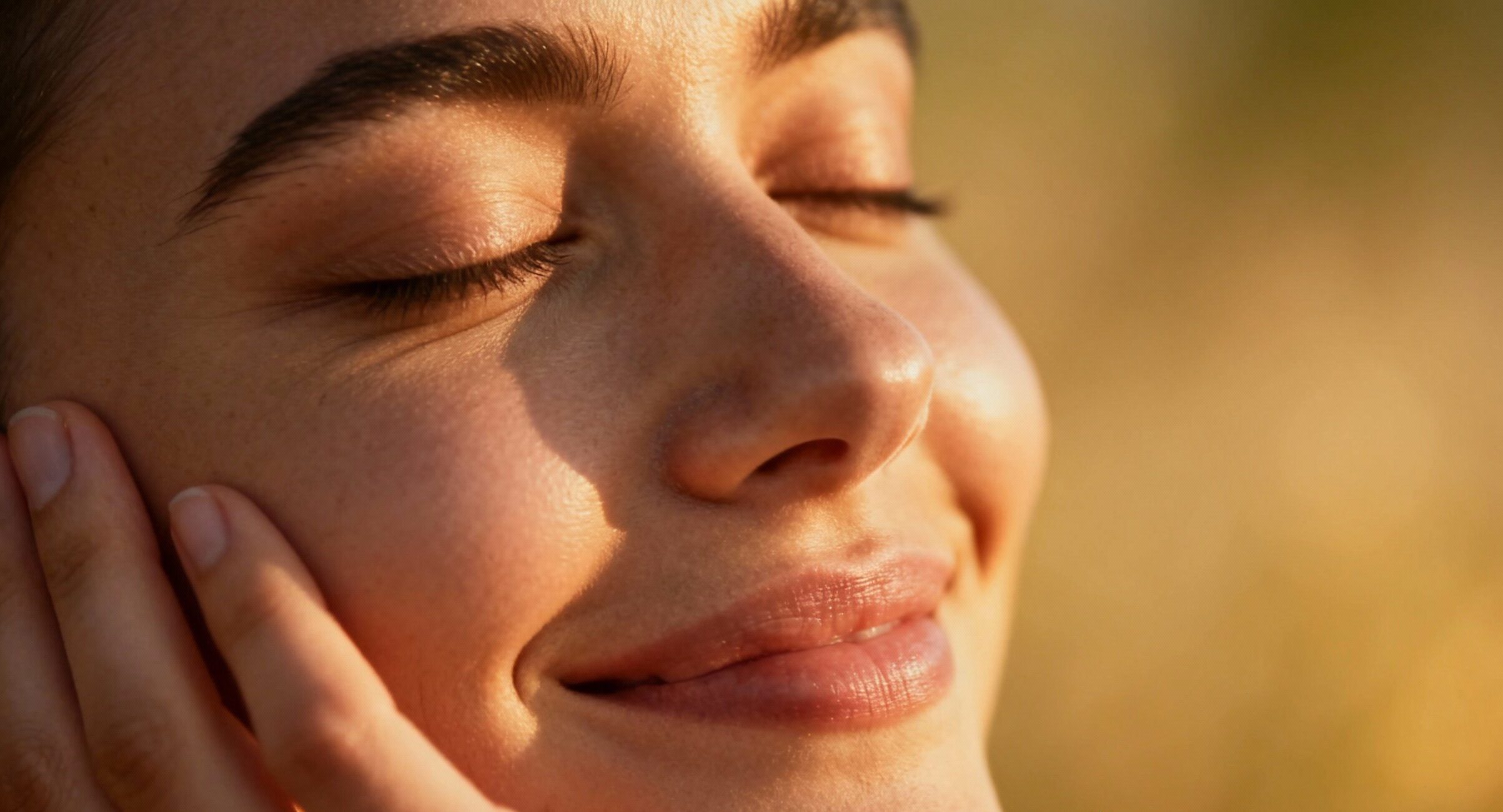
Embracing your body and feeling confident in your skin takes time, and for some people, that journey includes the thrill of being seen. Exhibitionism as Self-Love: Embracing Body Confidence in a Judgmental World explores how showing off, in its many forms, can actually be a powerful act of self-acceptance. It’s not just about attention; it’s about owning who you are and feeling confident about your body, even when society has a lot of opinions.
Key Takeaways
- Exhibitionism can be a way to appreciate and feel powerful about your own body, not just seeking external validation.
- Digital platforms and personal spaces offer ways to explore exhibitionism safely and with control.
- The thrill of being seen often comes from the power and play involved, boosting confidence.
- Practicing exhibitionism requires a strong focus on consent, legality, and ethical boundaries.
- Challenging societal views on the body is part of embracing exhibitionism as a form of self-love.
Understanding Exhibitionism As Self-Love

It might sound a little wild at first, but thinking about exhibitionism as a form of self-love really shifts the perspective. It’s not just about showing off; it’s about owning who you are, body and soul. This is where self-acceptance and confidence start to bloom, and it’s a powerful way of embracing your authentic self.
The Selfie As A Tool For Self-Appreciation
Think about the humble selfie. For many, it’s more than just a quick snap for social media. It can be a deliberate act of looking at yourself, really seeing yourself, and appreciating what you find. That moment you catch the light just right on your collarbone, or you’re feeling good in an outfit and want to capture it – that’s exhibitionism in its gentlest form. This kind of exhibitionism builds self-esteem and empowerment by recognizing your own beauty and presence. It’s a moment of personal validation—a quiet, confident reminder: “I look good, and I love that.” You’re not seeking approval. You’re celebrating yourself, owning your image, and embracing the joy of self-admiration.
The Thrill Of Looking At Your Own Body
There’s a certain buzz, a little spark, that comes from appreciating your own physical form. It’s like admiring a piece of art – and guess what? You’re the artist and the masterpiece. This isn’t about vanity in a negative way; it’s about a healthy connection with your body. When you allow yourself to look at your body with appreciation, even in a slightly sensual way, it can really boost how you feel about yourself. It’s a way to connect with your physical self on a deeper level, recognizing its beauty and power. This internal gaze can be incredibly affirming.
Reclaiming The Gaze And Personal Power
Historically, many people—especially women—have been on the receiving end of the gaze rather than in control of it. Their bodies were often objectified, framed through others’ desires, or judged by societal standards. Modern exhibitionism challenges that imbalance. It allows individuals to reclaim the power to decide how, when, and why they’re seen. By turning the gaze into a conscious choice, it transforms exposure from vulnerability into empowerment.
The Everyday Exhibitionist: Beyond The Bold And Famous
When we hear the word “exhibitionism,” our minds often jump to the dramatic, the scandalous, or the downright famous. We picture celebrities on stage or perhaps those infamous internet moments. But honestly, that’s not the whole story. Exhibitionism, in its most common form, is way more down-to-earth. It’s about how we present ourselves and how we feel in our own bodies. It’s also about the quiet power that comes with self-acceptance.
The Selfie As A Tool For Self-Appreciation
Think about your phone’s camera roll. How many selfies are just for you? That picture you took because the light was hitting your face just right, or the one where you felt particularly good about your outfit? That’s exhibitionism, but the audience is just you. Capture a moment to recognize your own presence and appreciate who you are. This isn’t about seeking validation from others—it’s about honoring yourself. Every glance, pose, or reflection becomes a private celebration of self-worth and self-recognition.
The Thrill Of Looking At Your Own Body
There’s a special buzz in catching your reflection and liking what you see. It feels even better when you’re feeling bold. Maybe it’s walking around your apartment in just your underwear—or catching your reflection in a shop window and feeling that little spark. This self-appreciation, this conscious act of seeing yourself in a way that feels good, can be a real confidence booster. It’s like giving yourself a private wink.
Reclaiming The Gaze And Personal Power
For a long time—and still today—certain bodies have been seen instead of choosing how they’re seen. Exhibitionism, when it’s intentional, flips that script. It’s about taking back control. Sometimes it’s as simple as wearing something that makes you feel amazing, even if it shows a little more, and owning the attention it brings. It’s about deciding who sees what—and when.
Here are a few ways everyday exhibitionism shows up:
- Digital Spaces: Posting a picture on a private social media story, or sharing a slightly more revealing photo with a close friend. It’s about controlled exposure.
- Your Own Home: Feeling comfortable and even a little bold walking around naked while doing chores or relaxing. It’s a private act of self-acceptance.
- Subtle Style Choices: Wearing a sheer top, a low-cut dress, or simply walking with a confident posture that draws the eye. It’s about playing with perception.
“Swingtowns is fun and interesting for all kinds of cats! There a plenty of friendly folks and no pushy pests. Plenty of flavors for every occasion.” -FreakyFux
It’s not always about grand gestures. Sometimes, it’s just about feeling good in your own skin and letting that confidence shine through, whether anyone is looking or not. And that, in itself, is a pretty powerful thing.
Why Some Embrace The Spotlight
So, why do some people just seem to love being the center of attention? It’s not always about being a show-off in a negative way. For many, it’s a deliberate choice rooted in a desire for visibility, a playful engagement with the world, and a way to feel powerful. It’s about controlling the narrative of how you’re seen, rather than just being looked at passively.
Visibility, Power, And Play
At its heart, embracing the spotlight can be about reclaiming power. Think about it: for a long time, certain groups, especially women, have had their bodies and actions scrutinized without having much say in how they were perceived. Exhibitionism, when done intentionally, flips that script. It’s about saying, “I decide what you see, and when you see it.” This act of choosing to be visible, on your own terms, is incredibly empowering. It’s a form of play, a way to engage with the world with a sense of confidence and perhaps a little bit of mischief. It’s less about seeking validation and more about asserting your presence and agency.
The Confidence Boost Of Being Seen
There’s a definite psychological kick that comes from knowing you look good and having that recognized. It’s like getting a little jolt of energy. When you feel confident in your own skin, it’s natural to want to share that feeling—or at least have it noticed. It’s not about craving praise. It’s about the positive cycle: feeling good, looking good, being seen, and feeling even better. This can be a powerful motivator, especially if someone has struggled with self-esteem in the past. It’s a way to actively participate in feeling attractive and desirable.
The Addictive Rush Of Attention
Let’s be honest, there’s a thrill involved. When there’s a perceived risk, like the possibility of being caught or simply the intensity of many eyes on you, your body reacts. Your heart rate might pick up, your senses sharpen – it’s a rush. This adrenaline surge can be quite intoxicating, and for some, it becomes something they actively seek out. It’s a bit like a daredevil’s high, but instead of jumping off a cliff, it’s about the daring act of revealing oneself. This isn’t necessarily about deep psychological need, but more about the physiological response to a situation that feels exciting and a little bit dangerous. It’s the play of the risk that draws people in.
Navigating Exhibitionism Safely And Ethically
So, you’re curious about exploring exhibitionism, maybe dipping your toes in or going for a full dive. That’s cool, but it’s super important to do it right. We’re talking about making sure everyone involved is okay with what’s happening, and that you’re not breaking any laws. It’s a fine line between a thrilling personal expression and something that could seriously mess things up for you and others.
Consent And Legality In Exhibitionism
This is the big one. Consent is non-negotiable. If you’re thinking about showing yourself to someone, they have to be into it, and they have to be able to say yes freely. This means no pressuring, no tricking, and definitely no doing it to someone who hasn’t agreed to be part of it. Flashing someone on the street or sending unsolicited explicit photos online? That’s not exhibitionism as self-love; that’s illegal and harmful. Laws around indecent exposure and cyberflashing are serious, and getting caught can lead to hefty fines or even jail time. It’s about respecting boundaries, both personal and legal.
Exploring Exhibitionism In Safe Environments
Where can you actually explore this side of yourself without landing in trouble or making someone uncomfortable? Think about places where this kind of expression is expected or welcomed. Nude beaches are an obvious one – the whole point is to be au naturel. Some clubs or events, especially those with a kink or BDSM focus, often have spaces where exhibitionism is part of the play, but it’s usually within a community that understands and consents to it. Even digital spaces can be safer, like private cam sessions or platforms where you control who sees what, provided you’re not violating terms of service or someone’s privacy.
The Difference Between Social Nudity And Exhibitionism
It’s easy to get these two mixed up, but they’re not quite the same. Social nudity, like at a nude beach or in a co-ed sauna, is about being comfortable with your body in a context where nudity is accepted. It’s often about freedom, comfort, or just enjoying the experience without a sexual charge for everyone involved. Exhibitionism, on the other hand, usually has a more deliberate, often sexual, element. It’s about the thrill of being seen, the power dynamic, and the act of display itself. Both involve nudity, but intention and context define the difference. One centers on shared comfort; the other often reflects personal arousal or a conscious expression of power.
“My husband and I joined Swingtowns a couple of years ago. We are new to this lifestyle and were a little apprehensive in getting involved in something like this, but we wanted to spice up our sex life and bite the bullet. We have met some wonderful respectful people and have become friends with everyone we met.” -Needtocome
Challenging Societal Perceptions Of The Body
It feels like we’re constantly bombarded with messages about how our bodies should look. From magazines to social media, there’s this narrow idea of what’s considered attractive, and if you don’t fit that mold, you’re kind of on your own. This pressure can make us feel like we need to hide parts of ourselves, or that our bodies are only valuable if they meet certain standards. It’s a lot to deal with, honestly.
The Body As A Commodity
Think about how often bodies are used to sell things. Advertisements, movies, even just scrolling through social media – bodies are everywhere, often presented in ways that make them seem like objects for sale or consumption. This constant objectification can really mess with how we see ourselves and others. It shifts the focus from a person’s whole being to just their physical appearance, making it easy to forget that bodies are more than just things to be looked at or used.
Clothing As A Social Construct
Clothing is interesting, isn’t it? We use it to express ourselves, sure, but it’s also a big part of how society tells us to behave and present. What we wear can signal status, conformity, or rebellion. Sometimes, it feels like clothing is used to hide or control our bodies, rather than just being a practical choice. The body positivity movement has really pushed back against this, encouraging us to question these norms and wear what makes us feel good, regardless of what anyone else thinks.
The Paradox Of Display And Veil
There’s this weird push and pull when it comes to showing our bodies. On one hand, society often sexualizes us from a young age, yet on the other hand, it can be really judgmental about how we choose to display ourselves. It’s like we’re expected to be attractive but also modest, to show off but not too much. This can lead to a lot of confusion and internal conflict. Overcoming societal judgment means finding a way to feel comfortable and confident in our own skin, no matter how we choose to dress or present ourselves.
Here are a few ways we can start challenging these perceptions:
- Question the media: Be aware of the messages you’re consuming. Does it align with how you want to feel about your body?
- Embrace self-appreciation: Take time to notice and appreciate your body for what it can do, not just how it looks.
- Support diverse representation: Seek out and celebrate images and stories that show a wide range of body types and experiences.
- Practice mindful dressing: Choose clothes that make you feel good and authentic, rather than just following trends or expectations.
Swingtowns is incredible, I have met many awesome couples and single females on here. I recommend this site to anyone in the lifestyle! -MrMsBullDurham
The Psychological Drivers Of Exhibitionism

So, why do some people feel the urge to put themselves out there, literally? It’s not always about shock value or a simple desire for attention, though those can play a part. Often, the roots go deeper, touching on how we see ourselves and how we crave to be seen by others.
Self-Esteem And Narcissistic Concerns
For many, exhibitionism is tied up with feelings about their own worth. It can be a way to boost a shaky sense of self-esteem, especially when someone feels they lack other forms of power or validation. Think of it as trying to compensate for perceived shortcomings. Sometimes, this can lean into what some might call narcissistic concerns, where there’s a strong focus on physical appearance, youth, or strength. It’s like trying to hold onto a feeling of being desirable or powerful, particularly as life changes, like aging or losing social status.
- Boosting Self-Worth: When other avenues for feeling good about oneself are blocked, exposing oneself can offer a temporary, intense hit of perceived value.
- Physical Validation: For some, especially those worried about aging or losing their physical appeal, exhibitionism can be a way to seek external confirmation of their attractiveness.
- Control and Power: In situations where individuals feel powerless, the act of controlling who sees what, and when, can be a significant psychological draw.
The Role Of Dopamine In Risky Behaviors
There’s a biological angle to this, too. The thrill of doing something daring, something that pushes boundaries, can trigger a release of dopamine in the brain. This is that feel-good chemical associated with reward and pleasure. When you combine the risk of being caught with the potential for admiration or even just a strong reaction, you get a potent mix that can be quite addictive. It’s a rush that some people find themselves chasing.
“Wow!! This site is absolutely amazing. Me and my lady have met some fun sexy people on here and got some great feedback from other couples about our profile.” -JessnOsc77
Exhibitionism As A Lifestyle Choice
While sometimes seen as a symptom of deeper issues, for a subset of individuals, exhibitionism can evolve into more of a lifestyle choice. It’s not necessarily about a lack of self-esteem, but rather a deliberate way of interacting with the world and seeking specific kinds of experiences. This can involve a conscious decision to integrate this form of expression into their lives, finding a particular kind of satisfaction or identity in it. It’s about how they choose to present themselves and the reactions they aim to elicit, making it a part of their personal narrative.
- Identity Formation: For some, embracing exhibitionism becomes a core part of how they define themselves.
- Seeking Specific Sensations: The unique blend of exposure, risk, and potential reward becomes a sought-after experience.
- Challenging Norms: It can be a way to actively push against societal expectations and explore personal freedom.
Exhibitionism’s Impact On Personal Relationships

When someone engages in exhibitionism, it can really shake things up in their personal life, especially with partners and family. It’s not just about the act itself, but what it means to the people close to the exhibitionist. Sometimes, partners feel confused or even betrayed, wondering why this behavior is happening and what it says about their relationship. Trust can be a big casualty here. It’s like a secret is revealed that changes how you see the person you thought you knew.
Confusion and Loss of Trust
Discovering a partner has exhibitionistic tendencies can be jarring. For many, it brings up feelings of uncertainty and a breakdown of the trust that forms the foundation of any relationship. Partners might question the exhibitionist’s motivations, their understanding of intimacy, and even their own judgment. This can lead to a period of significant emotional turmoil as both individuals try to process the situation and its implications.
Societal Reactions To Exhibitionistic Behavior
It’s not just the immediate partner who might react. If friends, family, or even the wider community become aware of exhibitionistic behavior, the reactions can range from shock and disapproval to outright condemnation. This external judgment can put immense pressure on the relationship, making it harder for the couple to navigate the situation privately. Family members, in particular, might feel a strong need to intervene, sometimes leading to further conflict and misunderstanding.
The Violation of Privacy and Social Mores
At its core, exhibitionism often involves a disregard for the privacy and comfort of others, and this can extend to how it impacts the intimate sphere of a relationship. When a partner engages in such acts, it can feel like a violation, not just of social norms but of the shared boundaries within the relationship itself. This can create a sense of unease and a feeling that personal boundaries have been crossed, making it difficult to feel secure and respected within the partnership.
It’s Your Body, Your Rules
So, what’s the big idea behind all this? It turns out, showing off isn’t just about getting attention. It’s really about taking charge of how you’re seen. Whether it’s a little peek in a sheer top, a confident selfie, or just feeling good in your own skin, the real power comes from you deciding what to share and when. It’s less about the eyes on you and more about who’s in control of the show. So go ahead, own your look, and remember that the world’s a stage, and you get to pick your part.
Frequently Asked Questions
What exactly is exhibitionism?
Exhibitionism is basically the urge to show parts of your body that are usually kept covered, like private areas or even just your chest, to other people. It’s about wanting to catch someone’s attention by displaying these parts. Sometimes it’s about shocking people, like flashing your backside, or other times it’s more about a sexual thrill from being watched.
Is taking selfies considered exhibitionism?
Yes, it can be! When you take a selfie not just to share, but to admire yourself, maybe how the light hits your skin or just to feel good about how you look, that’s a form of exhibitionism. It’s about appreciating your own body and feeling powerful, even if no one else sees the picture.
Why do some people enjoy being watched?
There are a few reasons! For some, it’s about feeling powerful and in control of how they are seen. For others, it’s the excitement and thrill, like an adrenaline rush, that comes from the risk of being caught. It can also be a way to boost self-confidence and feel more attractive.
Can exhibitionism be done safely and legally?
It’s super important to be safe and follow the rules. Exhibitionism is only okay if everyone involved agrees to it. Doing it in public where people don’t expect it, like flashing strangers, is illegal and wrong. Safe places to explore this could be private online spaces with consent, or specific events like nude beaches where it’s accepted.
How does exhibitionism affect relationships?
It can cause problems. If someone in a relationship behaves exhibitionistically without their partner’s knowledge or consent, it can lead to confusion, a loss of trust, and embarrassment. It can feel like a violation of privacy and break down the intimacy and respect in the relationship.
Is exhibitionism always about low self-esteem?
Not necessarily. While some people might act exhibitionistically because they lack confidence, it’s not the only reason. For many, it’s more about exploring their sexuality, feeling powerful, or enjoying the thrill. It can even be a way to feel good about oneself, rather than a sign of insecurity.
Shine Without Shame – Where Confidence Becomes Connection
Exhibitionism can be a powerful act of self-love, a way to embrace your body and reclaim your confidence in a world that often teaches us to hide. It’s not about seeking approval—it’s about celebrating yourself, owning your desires, and finding freedom in visibility. In a supportive, sex-positive community, being seen becomes an act of empowerment. Sign up for a free SwingTowns account today and explore how embracing your confidence can lead to deeper connection and authentic self-expression.
“SwingTowns is awesome place to meet great people. We have met a lot nice people on here and had amazing time with several couples.” -LoveTerri77


