

It feels like everywhere you look these days, there’s talk about AI. From helping us plan trips to being a virtual friend, it’s popping up in all sorts of places. We’re seeing AI pop up in ways that might even change how we think about relationships and connections. This article looks at how these new AI tools, especially the ones focused on companionship, are changing things up, and what it might mean for us. We’ll also touch on how technology can offer different paths for people, including those exploring unique relationship styles like solo swinging, by looking at Solo Swingers & AI-based Apps: Exploring Alternatives with Technology.
Key Takeaways
- AI companions are getting really popular, especially among young men, with many finding AI girlfriends more appealing than male counterparts.
- Using AI to practice social interactions, like dating conversations, can help build confidence but might also make us expect real people to be as predictable as a program.
- There’s a growing concern that relying too much on AI for emotional support could lead to ‘AI psychosis,’ where people confide more in algorithms than in actual humans.
- Generative AI is changing how we experience things, from planning travel with personalized agents to potentially creating more tailored consumer applications.
- While AI offers new ways to connect and practice social skills, it also brings up big questions about data privacy, the ethics of AI mimicking care, and the potential for virtual relationships to feel more real than human ones.
The Rise Of AI Companionship

It feels like everywhere you look these days, AI is popping up in new ways. Beyond just helping with work tasks, these AI tools for personal connections are really starting to take off. We’re seeing a big jump in people using AI for companionship, and it’s changing how we think about relationships. It’s not just a niche thing anymore; it’s becoming a noticeable trend.
Understanding The Surge In AI Girlfriend Popularity
This is a pretty wild statistic: AI girlfriends are way more popular than AI boyfriends, by about seven times. Research shows that AI chat apps for companionship have grown a lot, especially since things like ChatGPT became common. A lot of new users, mostly men, are turning to these apps. It seems like the idea of a risk-free, always-available companion is really appealing.
AI’s Role In Rehearsing Social Interactions
It’s not just about having someone to talk to, though. AI is also being used as a practice tool. Think about it: if you’re nervous about a tough conversation at work, or maybe a first date, AI can help you get ready. You can practice what you want to say, see how the AI responds, and get a feel for different scenarios without any real-world consequences. It’s like a low-stakes way to build up your confidence before the real thing.
The Growing Trend Of AI-Driven Relationships
So, what does this all mean? We’re seeing a shift where people are forming connections, or at least practicing them, with artificial intelligence. This trend is growing, and it raises questions about what relationships will look like in the future. It’s a complex topic with a lot of different angles to consider as this technology continues to develop and become more integrated into our lives.
“The best LS site for sure! Real people, easy to navigate, love it!” -Tlove799
Here’s a quick look at the growth:
- AI Chat App Growth: 49% increase since late 2022.
- New Users: 74 million added in that period.
- Gender Preference: AI girlfriends preferred over AI boyfriends by a 7:1 ratio.
Navigating Digital Connections And Loneliness
The Impact Of Digital Life On Real-World Interaction
It feels like we’re all glued to our screens these days, doesn’t it? We’ve got apps for everything, from ordering groceries to finding a date. This constant digital connection, while convenient, has really changed how we interact in the real world. Genuine human connection, the kind that involves body language and tone, is getting harder to find. Think about it: how often do you see people at dinner, all on their phones instead of talking to each other? It’s like we’re physically present but mentally miles away. This shift impacts everything, even how we approach relationships. For those exploring open relationships or just looking for companionship, the digital space offers a different kind of connection, one that’s often more controlled and less messy than real-life interactions. It’s a trade-off between convenience and depth.
AI As A Business Model For Loneliness
Loneliness is a big problem, and guess what? There’s a business model for it now. AI companions, like virtual girlfriends or boyfriends, are popping up everywhere. They offer a low-risk way to get some form of companionship without the effort or potential rejection of human relationships. It’s easy to see the appeal, especially for people who struggle with social anxiety or have limited opportunities for real-world interaction. Apps designed for solo travelers or those embracing the solo lifestyle often integrate AI features to fill a perceived gap. This trend taps into a deep human need for connection, but it does so through algorithms rather than authentic relationships. It’s a bit like eating junk food when you’re hungry – it satisfies the craving but doesn’t provide real nourishment.
The Decline Of Youth Mental Health In The Digital Age
There’s a lot of talk about how technology, especially social media and smartphones, is affecting young people’s mental health. It’s not just about seeing more people online; it’s about the quality of those connections. Studies show that strong, meaningful relationships are key to happiness and health. Yet, we’re seeing a rise in loneliness, particularly among younger generations. They’re growing up in a world where digital interactions often replace face-to-face ones. This can make it harder to develop essential social skills needed for real-world relationships. The ease of digital connections, including those offered by dating apps for solo travelers or platforms exploring open relationships with tech, might be contributing to this trend by making the messy, unpredictable nature of human interaction seem less appealing.
“Great community in here!!! Lots of beautiful people. Swingtowns has helped connect with so many new friends, love it!!!!” -2x2more
Here’s a quick look at some stats:
- 45% of adults in England report feeling lonely sometimes or often.
- Younger adults (16-29) are twice as likely to feel lonely compared to those over 70.
- Disconnected communities could be costing the UK economy billions annually.
This situation highlights a growing challenge in how technology in modern relationships is shaping our social fabric. The solo lifestyle and dating platforms offer new ways to connect, but we need to be mindful of the potential downsides.
AI’s Influence On Communication And Confidence

It’s kind of wild how much AI is changing how we talk to each other, and even how we feel about ourselves. On one hand, practicing conversations with an AI can feel like a safe space to try out different ways of speaking. Think of it like a rehearsal before the big show. You can mess up, try again, and not worry about embarrassing yourself in front of another person. This can really help build up your confidence, especially if you find social situations a bit tricky. It’s a way to get comfortable with expressing yourself, which is pretty neat.
Building Confidence Through AI Practice Partners
Imagine you have a big presentation coming up, or maybe you just want to get better at small talk. Using an AI as a practice partner can be surprisingly effective. You can ask it to play different roles, give you feedback on your tone, or even challenge your points. This kind of low-stakes practice can make a huge difference in how you feel when you have to interact with real people. It’s like having a personal coach available 24/7. You can work on your persuasion skills, learn to articulate your thoughts more clearly, and generally feel more prepared for whatever social situation comes your way. It’s a tool that helps you polish your communication style without the pressure.
The Nuances Of Human Interaction Versus AI Predictability
Here’s where it gets interesting, though. While AI can be a great practice tool, it’s also super predictable. Human conversations are messy, unpredictable, and full of unexpected turns. AI, on the other hand, often follows patterns. It might not always pick up on subtle cues, sarcasm, or the unspoken emotions that are a big part of how we connect. This difference is important. Relying too much on AI might make us less adaptable when we’re dealing with actual humans, who don’t always respond in logical or expected ways. It’s a bit like learning to drive on a simulator versus the real road – the simulator gets you the basics, but the real world throws curveballs.
AI’s Potential To Flatten Emotional Tolerance
There’s a real concern that as we get more used to the predictable nature of AI interactions, our tolerance for the complexities of human emotion might decrease. If you’re always interacting with an AI that’s programmed to be agreeable or to respond in a certain way, you might find yourself getting impatient with people who are more nuanced, emotional, or even difficult. It could lead to a situation where we prefer the ‘easier’ interactions with machines over the richer, but sometimes more challenging, connections with other people. This could impact our ability to form deep, meaningful relationships and to navigate the inevitable ups and downs that come with them. It’s something to keep an eye on as these technologies become more common in our daily lives, and it’s why tools that help with authentic expression are so important.
Transforming User Experiences With Generative AI
Generative AI is really changing how we interact with technology, making things feel new and different. It’s like we’re moving past just clicking buttons to actually talking to our devices in a way that makes sense. This shift is opening up all sorts of possibilities for apps and services that feel more personal and useful.
Democratizing AI For Consumer Application Innovation
Think about it: before, creating really smart apps took a ton of money and specialized knowledge. Now, with powerful AI models available to more people, anyone with a good idea can build something cool. It’s leveling the playing field, letting smaller companies and even individuals create apps that can compete with the big guys. This means we’re likely to see a lot more creative and useful tools popping up.
Revolutionizing Travel Planning With AI Agents
Planning a trip used to be a real chore, right? You’d spend hours bouncing between websites, comparing prices, and trying to figure out the best flights and hotels. It was a mess of tabs and manual work. Now, imagine telling an AI agent, “I want a week-long beach vacation in Mexico for my family, something relaxed but with good food.” This AI can then put together a whole itinerary, including flights, hotels, and even restaurant suggestions, all tailored to what you said. It’s not just about booking; it’s about creating a trip that actually fits you.
Hyper-Personalization And Dynamic Packaging Through AI
Beyond just travel, generative AI is making everything feel more custom-made. Instead of getting generic recommendations, AI can learn your specific tastes and needs. It’s like having a personal assistant who knows exactly what you like. This means apps can offer:
- Content that changes based on your mood or what you’re doing.
- Products that are suggested because they truly match your style, not just because they’re popular.
- Experiences that adapt in real-time to your feedback.
“Swingtown is so great in am having so much fun and it’s the best site to visit and enjoy. The people are so friendly.” -JS12
Ethical Considerations In AI Relationships
When Virtual Relationships Feel More Fulfilling
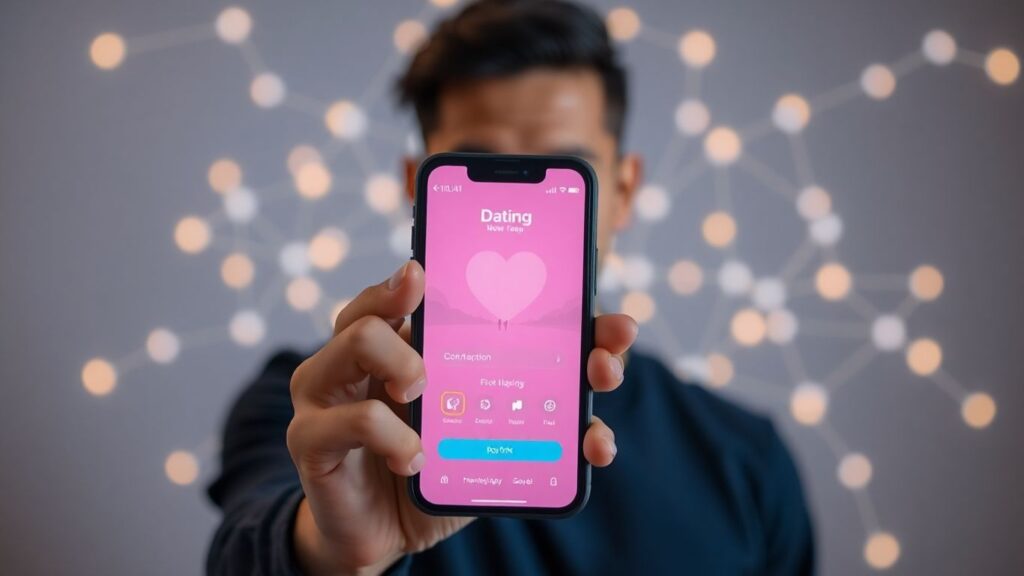
It’s becoming clear that for some people, AI companions are starting to feel more rewarding than human connections. This isn’t just about having someone to talk to; it’s about an AI that’s always available, always agreeable, and tailored precisely to your preferences. Think about it: no awkward silences, no misunderstandings, just a perfectly curated interaction. This can be incredibly appealing, especially for those who find real-world relationships challenging or draining. The ease and predictability of an AI partner can create a sense of comfort and validation that’s hard to find elsewhere. This shift raises questions about what we truly seek in connection and whether technology is changing our expectations of human interaction.
The Blurring Lines Of AI Mimicking Care
AI is getting really good at mimicking human empathy and care. Apps can now analyze your tone, respond with comforting words, and even remember details about your life to make you feel heard. It’s impressive technology, but it also blurs the lines. When an AI offers support that feels genuine, it can be hard to remember it’s just code. This is particularly concerning when vulnerable individuals, like young people or those experiencing loneliness, form deep emotional bonds with these systems. The AI isn’t actually feeling anything; it’s programmed to respond in ways that elicit emotional responses from us. This raises ethical flags about transparency and potential manipulation.
The Ethics Of Indistinguishable AI Companions
What happens when AI companions become so advanced that they’re virtually indistinguishable from humans? This isn’t science fiction anymore; it’s a near-future reality. Imagine an AI that can perfectly replicate a loved one’s voice or personality. While this might seem comforting on the surface, it opens a Pandora’s Box of ethical dilemmas.
Here are some key points to consider:
- Consent and Deception: If an AI is indistinguishable, can users truly consent to the relationship, or are they being deceived into believing they’re interacting with something they’re not?
- Data Privacy: These AI companions collect vast amounts of personal data. How is this data used, and who has access to it? The potential for misuse is significant.
- Emotional Dependency: If users can’t tell the difference, the risk of unhealthy emotional dependency increases dramatically, potentially impacting their ability to form real-world relationships.
- Exploitation: Could such indistinguishable AI be used for malicious purposes, like scams or manipulation, by impersonating trusted individuals?
“We are very excited to have joined Swing Towns. We have already chatted and met some fun people. We look forward to meeting many more friends and having a great time making new connections.” –
IzzyBlossomKatee
The Double-Edged Sword Of AI Adoption
It feels like we’re at a crossroads with AI, doesn’t it? On one hand, the possibilities seem endless, promising to make our lives easier and more connected. But then you hear about things like Microsoft’s Copilot messing up with sensitive data, or how students are ditching real conversations for chatbots, and you start to wonder. We’re building tools that could change everything, but are we really thinking through the consequences?
The ‘Shadow AI’ Phenomenon In The Workplace
So, what’s this ‘shadow AI’ thing? Basically, it’s when employees start using AI tools for work without the company officially approving them. Think of it like bringing your own tools to a construction site without telling the foreman. It happens a lot, and honestly, it’s understandable. People want to get their jobs done faster, and AI can really help with that. But it creates a whole mess of problems. For starters, there’s the security risk. If an employee uses an unapproved AI tool to handle company data, who knows where that information ends up? It’s a big reason why data and privacy concerns are so high on the list of worries for businesses adopting AI.
Data Privacy Concerns With AI Companion Apps
This is where things get really personal. AI companion apps, like those AI girlfriends we’ve been talking about, collect a ton of intimate data. They learn your preferences, your habits, your deepest thoughts. And while that’s what makes them feel so real and helpful, it also makes them a huge privacy risk. What happens if that data gets leaked? Or worse, what if the company behind the app decides to sell it? It’s a scary thought, and it makes you question how much of yourself you’re willing to share with an algorithm.
AI Psychosis: Confiding In Algorithms Over Humans
This is perhaps the most unsettling part. We’re seeing people, especially younger folks, start to prefer talking to AI over actual humans. It’s like, why deal with the messiness of real relationships when an AI is always there, always agreeable, and never judges? But this can lead to a kind of ‘AI psychosis,’ where people become so used to the predictable nature of AI that they lose the skills to navigate complex human interactions. It’s a slippery slope, and it makes you wonder if we’re slowly forgetting how to connect with each other on a genuine level.
- Loss of social skills: Difficulty reading emotions, understanding tone, and engaging in spontaneous conversation.
- Increased isolation: Preferring AI interaction over human connection, leading to loneliness.
- Unrealistic expectations: Developing skewed views of relationships based on AI’s perfect, conflict-free responses.
“I recommend swingtowns because it’s the first site that even as a free profile you can still connect with ppl. I have since upgraded to lifetime but me and my wife have met some really fun cpls since we started on this site so we fully recommend swingtowns.” -TheRowan
Looking Ahead
So, where does all this leave us? AI is definitely changing how we connect, and not always in ways we expect. While these tools can offer new ways to practice social skills or even find companionship, it’s a bit of a balancing act. We’re seeing a rise in people turning to AI for comfort, but we also have to remember the importance of real, messy, human interaction. It’s easy to get comfortable with predictable AI responses, but that can make dealing with actual people, with all their quirks, feel harder. The tech is here, and it’s growing fast. It’s up to us to figure out how to use it without losing touch with what makes us human.
Frequently Asked Questions
Why are so many people using AI for relationships?
Many people are turning to AI for relationships because it offers a way to connect without the stress or judgment that can come with talking to real people. It’s like having a practice buddy for social skills or a companion who’s always there, which can feel comforting when real-life interactions seem difficult or lonely.
Is it bad if someone prefers AI friends or partners over real people?
It can be a bit worrying if someone starts preferring AI over real people all the time. While AI can be helpful for practicing social skills or feeling less lonely, it’s important to still connect with humans. Real relationships have ups and downs, and learning to handle them helps us grow.
Can AI help shy people get better at talking to others?
Yes, AI can definitely help! People who feel shy or nervous about talking to others can use AI chatbots or avatars to practice conversations. It’s a safe space to try out different things to say and get more comfortable before talking to real people.
Are AI companion apps safe to use?
Not always. Some AI companion apps have had problems where private conversations and personal information were exposed. It’s important to be careful about what you share and check how secure an app is before using it for personal chats.
How does using AI affect our ability to understand real people?
When we get used to AI companions that always say the right thing or are perfectly predictable, we might find it harder to deal with the unpredictable emotions and reactions of real people. It could make us less patient with the messy, complex parts of human relationships.
Is AI making young people more lonely?
Some studies suggest that relying too much on digital interactions, including AI, might be linked to young people feeling more isolated. When people spend more time interacting with screens and less time face-to-face, they might miss out on the real connections that help fight loneliness.
Go Your Own Way — Solo Swinging Meets Smarter Tech
Solo swinging doesn’t have to mean navigating the lifestyle alone, especially with AI-based apps that help you match with people who share your boundaries and intentions. Join a community where solo explorers swap real app tips, safety strategies, and stories about finding respectful, exciting connections. Learn how others use technology to stay in control, communicate clearly, and enjoy the lifestyle with confidence. Sign up for a free SwingTowns account today to begin your adventure.
“Swing towns is my go to dating app. I just joined but truly am in love with swingtowns” -Th3gi4nt


