

When you hear about polyamory, you might picture people dating lots of different individuals. But that’s not the only way it works. There’s a specific kind called polyfidelity, and it’s all about commitment within a set group. Think of it like a close-knit circle where everyone agrees to be exclusive to each other. It’s a way to have multiple connections without looking outside the group. This article will help clear up exactly what polyfidelity means and why some people choose this path.
Key Takeaways
- Polyfidelity is a type of consensual non-monogamy where a group of people are committed exclusively to each other and don’t seek partners outside the group.
- Unlike some forms of polyamory, polyfidelity emphasizes exclusivity within the defined relationship circle.
- Open and honest communication is super important for managing emotions, trust, and agreements within the group.
- Commitment in polyfidelity means being faithful to the promises made to the group, not necessarily just sexual exclusivity.
- This relationship style can offer a strong sense of belonging, shared responsibilities, and a wider support network.
What Does Polyfidelitous Mean? Understanding This Form Of Committed Polyamory
When people first hear about relationships that aren’t strictly monogamous, they often picture a free-for-all, with partners coming and going. But that’s just one piece of the puzzle. There’s a whole spectrum of how people do relationships outside the traditional two-person box, and one of those ways is called polyfidelity. So, what exactly is a polyfidelity relationship definition?
Defining Polyfidelity: A Committed Circle
At its heart, polyfidelity is a form of committed non-monogamy explanation where a specific group of people decides to be exclusively involved with each other. Think of it like a closed circle. Instead of opening the relationship up to new partners outside the group, everyone within the circle agrees to direct their romantic and often sexual energy solely towards the other members of that circle. It’s a choice to build deep connections within a defined unit, rather than seeking connections elsewhere. This is a key part of what is polyamory and polyfidelity – it’s a specific structure within the broader idea of polyamory.
Beyond Monogamy: The Core Principles
Polyfidelity isn’t just about having more than two people involved; it’s about the nature of that involvement. The core principles usually revolve around:
- Exclusive Commitment to the Group: This is the defining feature. Partners agree not to seek romantic or sexual relationships with anyone outside of their established polyfidelitous group.
- Open Communication: Like any relationship, but perhaps even more so, honest and frequent communication is vital. Everyone needs to feel heard and understood.
- Deep Emotional Intimacy: The focus is on cultivating strong bonds and emotional support within the group itself.
The Foundational Pillars Of Polyfidelity
Polyfidelity, like any strong relationship structure, rests on a few key ideas that keep things steady and honest. It’s not just about agreeing to be together; it’s about actively building a connection that works for everyone involved. These pillars help make sure the group stays connected and feels secure.
Exclusive Commitment To The Group
At the heart of polyfidelity is the idea that everyone within the defined group is committed only to each other. This isn’t about having a primary partner and then other secondary ones; it’s about a mutual, exclusive bond among all members of the circle. Think of it like a small, tight-knit family where everyone has promised to stay within that unit. This exclusivity creates a unique kind of safety and predictability. It means you don’t have to worry about new people entering the dynamic unless the whole group agrees. This shared promise is what makes the polyfidelitous bond feel so solid and reliable for those who choose it. It’s a deliberate choice to build a world with just the people in your group, focusing all your romantic and often sexual energy inward. This commitment is a cornerstone for building trust and a shared future within your chosen family.
The Vital Role Of Open Communication
When you have more than two people sharing their lives, communication can’t just be good; it has to be exceptional. Misunderstandings can pop up easily, and if they aren’t addressed, they can grow into bigger problems. In a polyfidelitous setup, talking openly and honestly about feelings, needs, and concerns is non-negotiable. This means actively listening to each other, even when it’s uncomfortable. It’s about creating a space where everyone feels safe to speak their mind without fear of judgment or reprisal. Regular check-ins, whether they’re formal meetings or just casual chats, are super important. This constant dialogue helps prevent resentment from building up and allows the group to adapt as life happens. It’s about making sure everyone feels heard and understood, which is key to maintaining harmony within the group. This practice is a big part of what makes polyamory work ethically for many people.
Cultivating Deep Emotional Intimacy
While physical intimacy is often a part of polyfidelitous relationships, the real magic happens in the emotional connections. Because the group is exclusive, there’s a unique opportunity to build incredibly deep bonds with each person. This involves sharing vulnerabilities, celebrating successes together, and supporting each other through tough times. It’s about knowing that you have a reliable network of people who truly care about your well-being. This shared emotional landscape creates a powerful sense of belonging and security. It’s not just about romantic love; it’s about building a chosen family that offers profound companionship and understanding. The effort put into nurturing these emotional ties is what makes the polyfidelitous structure feel so rich and fulfilling for its members.
Navigating The Dynamics Of Polyfidelitous Relationships
Forms Polyfidelity Can Take
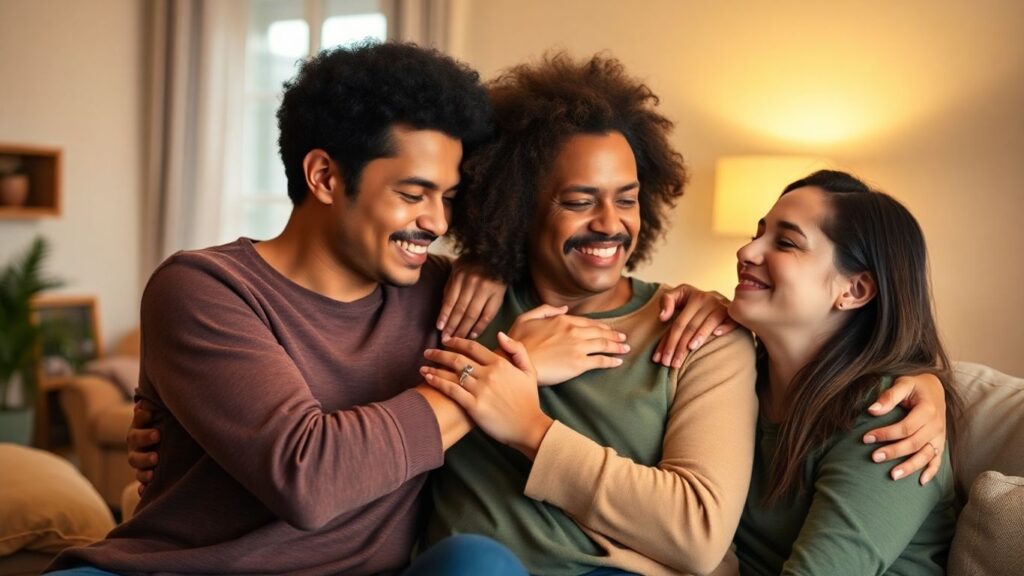
Polyfidelity isn’t a one-size-fits-all deal. It can look pretty different depending on the people involved. Think of a triad, where three people are all committed to each other. Or maybe a quad, with four. Sometimes, larger groups form their own exclusive circles. The key is that everyone in the group agrees to be exclusive to that group. It’s about building a specific, committed unit.
Emotional Support And Shared Responsibilities
One of the big pluses here is having a built-in support system. When you’re in a polyfidelitous relationship, you’ve got multiple people who are invested in your well-being. This means sharing the ups and downs. If one person is having a rough time, others can step in. This can lighten the load, whether it’s about daily chores, emotional support, or even things like childcare. It creates a sense of teamwork.
Addressing Jealousy And Maintaining Trust
Let’s be real, jealousy can pop up in any relationship, and polyfidelity is no exception. But because these are closed polyamorous relationships explained as exclusive to the group, jealousy often gets handled differently. It’s not about someone outside the group causing issues, but more about ensuring everyone feels secure and valued within the existing dynamic. Open talks are super important here. It’s about figuring out what loyalty means to everyone and making sure promises are kept. Building trust means being honest about feelings and working through them together. Sometimes, revisiting the agreements you made as a group can help reset things and reaffirm your commitment to each other.
Commitment And Loyalty In A Polyfidelitous Framework

When we talk about polyfidelity, commitment and loyalty are the bedrock. It’s not about being tied to just one person in the traditional sense, but about a deep, shared promise within a specific group. This isn’t about a lack of options; it’s a deliberate choice to focus love and energy inward, creating a secure, intimate circle. This intentional exclusivity within a chosen group is what defines the unique nature of polyfidelity.
Redefining Fidelity Beyond Sexual Exclusivity
Forget the old-school idea that fidelity only means staying physically with one person. In polyfidelitous relationships, fidelity is about honoring the agreements made with your partners. It’s about being truthful, reliable, and dedicated to the people within your defined relationship structure. This means being honest about your feelings, your actions, and your intentions, all while respecting the boundaries you’ve collectively set. It’s a commitment to the group, not just an individual.
Honoring Agreements And Promises
Agreements are everything in polyfidelity. These aren’t just casual understandings; they are the blueprints for how everyone in the group will relate to each other and to the outside world. Think of them as the rules of engagement that keep the relationship stable and everyone feeling safe. When partners consistently follow through on these promises, it builds a powerful sense of trust. It’s like building a sturdy house – each promise kept is another brick laid.
- Be specific: Clearly define what exclusivity means for your group.
- Be honest: Communicate openly about desires and boundaries.
- Be consistent: Follow through on commitments, big and small.
“This site has been super fun. Would highly recommend for all players :)” -coltpl4y
The Strength Of Collective Loyalty
Loyalty in polyfidelity is a shared responsibility. It’s the feeling that everyone in the group has your back, not just romantically, but in life. This collective loyalty creates a powerful support system, a kind of chosen family that you can always count on. It’s about knowing that you’re not alone, even when facing life’s inevitable bumps. This shared dedication is a key part of what makes polyfidelity so appealing to many.
This commitment to the group, rather than to a single partner, is a core aspect of many ethical non-monogamy structures. It allows for deep connection and security within a defined boundary, offering a different path to lasting relationships.
Structure And Flexibility In Polyfidelitous Bonds
The Importance Of Clear Agreements
Setting up a polyfidelitous relationship isn’t just about feelings; it’s also about practicalities. Having clear agreements from the start is super important. Think of it like building a house – you need a solid blueprint. These agreements cover everything from how you’ll handle finances and chores to what happens if someone gets sick or wants to move. They aren’t meant to be rigid rules that can never change, but rather a shared understanding of how everyone wants to operate within the group. It’s about making sure everyone feels heard and respected.
- Communication Protocols: How will you discuss issues? When? Who needs to be involved?
- Resource Sharing: How will shared expenses, living spaces, or even time be managed?
- Boundary Setting: What are the individual and group boundaries regarding outside relationships (even if just friendships) and personal space?
- Conflict Resolution: What’s the plan when disagreements inevitably pop up?
“We have met so many nice people since joining swingtowns. Only positive things.” -Honeybeee
Adapting To Life’s Changes With Flexibility
Life throws curveballs, right? Jobs change, people move, health issues arise, or maybe someone just needs more personal space for a while. In a polyfidelitous setup, being flexible is key. It means not getting stuck on the initial agreements if circumstances change. Instead, it’s about revisiting those agreements as a group and adjusting them so they still work for everyone. This adaptability is what allows love and commitment to grow and change without breaking.
Creating Stability Through Structure
While flexibility is vital, structure provides the bedrock. This structure comes from those clear agreements we talked about, but also from established routines and shared rituals. Maybe it’s a weekly group dinner, a regular check-in meeting, or a specific way of celebrating milestones. These consistent elements create a sense of predictability and security within the group. It’s this blend of adaptable structure and clear agreements that makes a polyfidelitous bond feel both secure and capable of evolving.
The Unique Advantages Of Polyfidelity

Polyfidelity, while perhaps seeming complex from the outside, offers some really distinct benefits for those who choose this relationship style. It’s not just about having multiple partners; it’s about building a specific kind of secure, committed unit. Think of it as creating your own special club, where everyone inside is dedicated to each other.
An Expanded Network Of Support
One of the biggest pluses is having a built-in support system. When life throws curveballs, and let’s be honest, it does, you’ve got more than one person to lean on. This isn’t just about having someone to talk to; it’s about having multiple people who are deeply invested in your well-being and are committed to helping you through tough times. This can make a huge difference when you’re feeling overwhelmed or just need a friendly face. It’s like having a whole team looking out for you, which can be incredibly comforting. This expanded network of support is a cornerstone of polyfidelity relationships.
Shared Burdens And Deeper Connections
When you share your life with a group of committed partners, responsibilities can feel lighter. Whether it’s household chores, financial planning, or just managing daily schedules, having more hands and minds involved can ease the load. This shared effort often leads to even deeper connections. You’re not just sharing the good times; you’re actively working together through the everyday stuff, which builds a strong sense of partnership and mutual reliance. It’s this shared journey that really solidifies the bonds within the group.
Building A Sense Of Belonging
In a world that can sometimes feel isolating, polyfidelity offers a powerful sense of belonging. You’re part of a chosen family, a unit where you are fully accepted and committed to. This isn’t about casual dating; it’s about creating a stable, loving environment with people you trust implicitly. This feeling of security and being truly seen can be incredibly fulfilling. It’s about having a place where you know you belong, no matter what.
Here’s a quick look at what makes polyfidelity stand out:
- More shoulders to cry on: A larger support network during difficult periods.
- Shared responsibilities: Daily tasks and life’s challenges feel less daunting.
- Intensified intimacy: Deeper emotional bonds formed through shared commitment.
- A secure home base: A strong sense of belonging and acceptance within the group.
“Swingtowns.com has been one of the best places for meeting like minded and fun party people. I’m always looking to meet new people and this site never fails.” -PoundnSand
Wrapping It Up
So, there you have it. Polyfidelity might not be the first thing that comes to mind when you hear ‘polyamory,’ but it’s definitely a real and valid way people build relationships. It’s all about choosing a specific group of people to be committed to, creating a close circle of love and loyalty without looking for partners outside that group. Like any relationship style, it needs clear talks, trust, and a willingness to work things out together. It shows that love and commitment can take many forms, and as long as everyone involved is happy and agrees to the setup, it’s just another way to find connection and build a life with people you care about.
Frequently Asked Questions
What exactly is polyfidelity?
Polyfidelity is a kind of polyamory where a group of people decide to be committed only to each other. Think of it like a closed circle of love. Everyone in the group agrees not to date or be intimate with anyone outside of their specific group. It’s about having multiple partners but staying exclusive within that chosen family.
How is polyfidelity different from regular polyamory?
While both are forms of non-monogamy, regular polyamory often means people can have relationships with others outside their main group. Polyfidelity, however, is about exclusivity within the defined group. It’s like a committed relationship, but with more than two people involved, and everyone agrees to stay within that unit.
Is polyfidelity the same as being married to multiple people?
Not exactly. While polyfidelity involves deep commitment and loyalty, it doesn’t always follow the traditional path of marriage. The focus is on the agreements and emotional bonds within the group, rather than legal or societal marriage structures. It’s more about building a shared life and support system with your chosen partners.
How do people in a polyfidelitous relationship handle jealousy?
Jealousy can still pop up, just like in any relationship. But in polyfidelity, open and honest communication is super important. Partners talk about their feelings, understand each other’s needs, and work together to find solutions. Trust is built by sticking to the agreements they all made.
What are the benefits of being polyfidelitous?
One big plus is having a larger support system. You have more people to share joys and tough times with, which can ease burdens. It also creates a strong sense of belonging and deep emotional connections, as everyone is invested in the well-being of the whole group.
Does polyfidelity require a lot of rules?
It’s less about strict rules and more about having clear agreements. These agreements help everyone understand expectations about things like time, responsibilities, and emotional connection. Having these clear boundaries actually creates a sense of safety and stability, allowing the relationships to grow strong.
Stay Committed Together — Understanding Polyfidelity Clearly
Polyfidelity can offer the depth of long-term commitment while still honoring the reality that love can be shared among more than two people. If you’re exploring what committed polyamory can look like, it helps to learn from others living it with care, clarity, and consent. Join a community where people talk openly about polyfidelitous dynamics, boundaries, and building secure multi-partner relationships. Sign up for a free SwingTowns account today to begin your adventure.
“SwingTowns is awesome place to meet great people. We have met a lot nice people on here and had amazing time with several couples.” -LoveTerri77


