
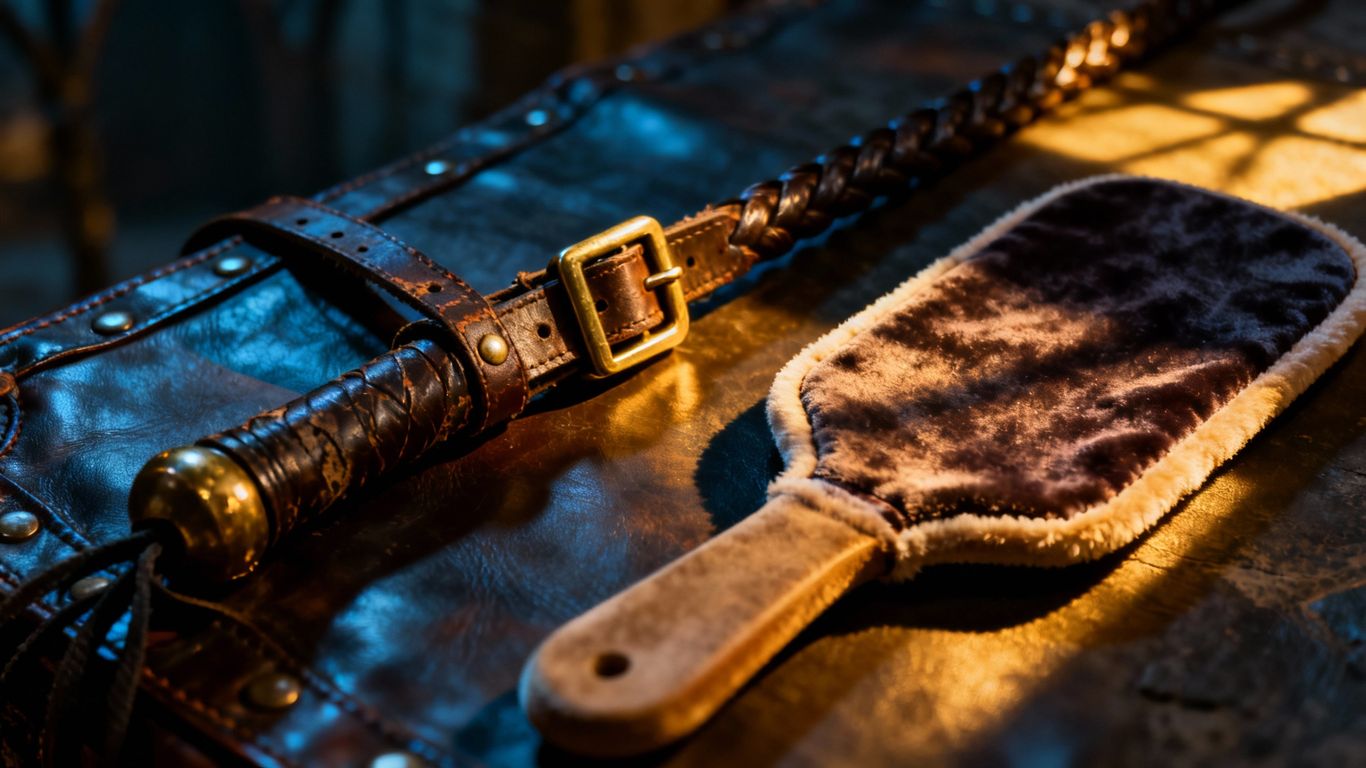
When you hear about erotic flagellation, you might think it’s a new thing, but it’s actually got some really old roots. This article, ‘A Brief History of Erotic Flagellation: From Ancient Art to Modern Kink,’ takes a look at how practices involving whipping and pain for pleasure have shown up in different cultures over time. It’s a journey from ancient rituals and art to the secret lives of Victorians, and finally to the open communities we see today. It turns out, the human desire for certain kinds of intense sensation and power play has been around for a very, very long time.
Key Takeaways
- Eroticized power dynamics and rituals involving pain have been documented in ancient civilizations like those in Greece and Rome, appearing in art and religious practices.
- The Renaissance and Enlightenment periods saw a shift, with more open artistic and literary expressions of desire and flagellation moving from religious contexts to more secular, pleasure-oriented ones.
- Victorian society, despite its reputation for repression, had a hidden kink scene where objects like boots and corsets became fetishized, and secret clubs offered discreet spaces for play.
- The early 20th century brought about modern kink communities with the rise of photography and early psychological discussions, while the post-war era saw the significant influence of the leather scene.
- Mid-20th century social movements, including feminist and LGBTQ+ influences, helped bring kink into more open discussion, emphasizing safe, sane, and consensual practices.
Ancient Roots Of Eroticized Power Dynamics
Rituals and Goddess Worship in Antiquity
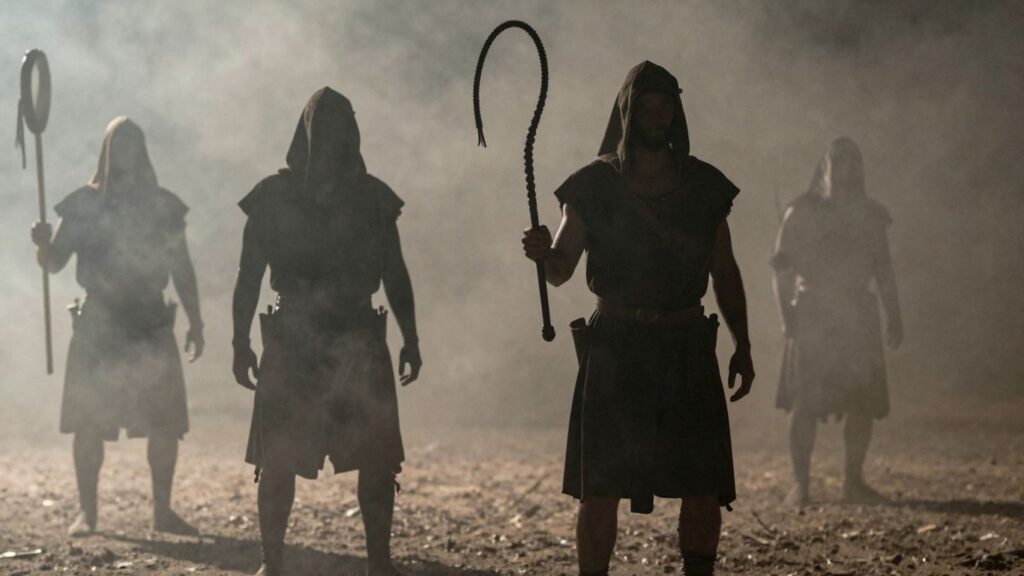
Long before we had words like ‘kink’ or ‘BDSM,’ people were exploring power dynamics and intense sensations. Think about ancient rituals, often tied to religious practices or honoring deities. These weren’t always about sex as we think of it today, but they definitely involved elements of control, surrender, and heightened physical experience. Some ceremonies used striking the body, not for punishment, but as a way to achieve a kind of spiritual or emotional release. It’s fascinating how these ancient rituals and modern sexuality share common threads of seeking altered states of consciousness and exploring the edges of sensation.
Spartan Rites and Etruscan Art
Ancient Sparta, known for its discipline, had rites that involved physical endurance, and while not explicitly sexual, they certainly played with themes of control and pushing limits. Etruscan art, too, sometimes hints at these dynamics, showing figures in poses or situations that suggest power exchange. It’s subtle, but it shows a long-standing human interest in how physical intensity and social roles can intertwine.
Classical Civilizations and Sensual Exploration
Across various classical civilizations, like Greece and Rome, we see more direct explorations of sensuality and power. Mythology and theater often featured stories with dominance, submission, and role-playing. Think about the Kama Sutra from India, which details different kinds of hitting during lovemaking, even specifying areas of the body and types of sounds. It’s one of the earliest texts to discuss impact play, biting, and pinching, emphasizing consent and noting that these acts could be joyful. This shows a clear lineage connecting ancient practices to what we now understand as consensual kink.
- Power dynamics were a common theme.
- Ritualistic pain or discipline was used for various purposes.
- Consent and joy in intense sensations were recognized early on.
“The Swingtowns community has been a major source of inspiration for many years now and has become one of the most popular destinations for swing communities” -Thunderdicka
The Renaissance And Enlightenment: Desire Takes Form
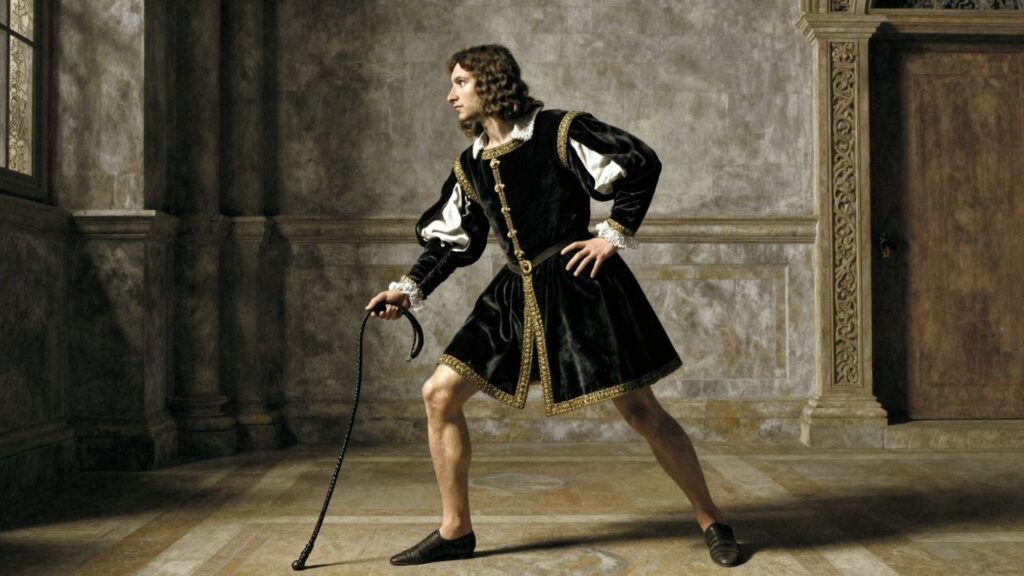
The Renaissance and Enlightenment periods really shook things up when it came to how people thought about desire and the body. It was like a big shift from just hiding things away to actually exploring them, at least in art and literature. Suddenly, the body wasn’t just a vessel for the soul; it was a source of pleasure and fascination.
Artistic Expression and Erotic Themes
Artists started showing more, well, sensual stuff. Think mythological scenes where power dynamics were front and center. You’d see depictions of bondage, submission, or even symbolic humiliation, which were pretty bold for the time. It was like art was giving a nod to fantasies that people kept hidden. Even fashion got in on it, with things like corsets and fancy stockings becoming more than just clothing – they were becoming symbols of erotic interest. It’s wild to think how everyday items could take on such charged meanings.
The Emergence of Erotic Literature
This era also saw a boom in writing that wasn’t afraid to talk about sex and desire. Books started exploring themes that were previously taboo. Some writers even touched on practices like flagellation, though often framed through religious or psychological lenses rather than purely erotic ones. It was a time when the written word became a space to unpack complex feelings and urges, moving them from the shadows into more public discourse, even if it was still a bit coded.
Secularization of Flagellation Practices
While flagellation had roots in religious practices, aiming for spiritual purity or transcendence, things started to change. As society became a bit more secular, these practices began to be viewed differently. The intense physical and emotional sensations, once linked to divine connection, started to be seen more in terms of personal experience and even pleasure. It’s fascinating how the same act could be interpreted so differently based on the cultural mood. The line between pain, release, and spiritual ecstasy started to blur, paving the way for later understandings of kink.
“Swingtowns is hands down the best community that I have had the pleasure to be a part of. Would recommend this website to anyone in the lifestyle!” -SlikRik1Ace
Here’s a look at some of the shifts:
- Artistic Depictions: Increased public display of erotic themes and power dynamics in paintings and sculptures.
- Literary Exploration: Novels and plays began to feature characters and situations exploring desire, submission, and dominance.
- Philosophical Inquiry: Thinkers started examining human nature, pleasure, and pain in new, secular ways.
- Fashion’s Role: Clothing and accessories became more overtly sensual and symbolic of erotic interest.
Victorian Shadows: Hidden Desires and Early Fetishes
The Victorian era gets a bad rap, often painted as a time of extreme prudishness and strict social rules. But peel back that prim exterior, and you’ll find a surprisingly vibrant underground scene where desires that didn’t fit the mold found expression. When society tries to clamp down hard on sexuality, people tend to get more creative about how they explore it, often in secret. It’s like a pressure cooker; the more you try to contain it, the more inventive the outlets become.
Repression and the Underground Kink Scene
It might seem counterintuitive, but the very repression of the Victorian age actually fueled a more imaginative and hidden exploration of kink. Think about it: if certain desires couldn’t be openly acknowledged, they had to find other ways to exist. This led to the development of a subculture that was both discreet and deeply symbolic. The strict moral codes, while limiting on the surface, pushed these explorations into private spaces and coded language. It was a world operating in the shadows, where shared understanding and subtle cues were paramount.
Symbolic Objects of Erotic Fascination
Certain items took on a powerful erotic charge during this period. These weren’t just clothes; they were signifiers of power, submission, and transformation. Think about:
- Corsets: The extreme lacing and shaping of the body became a potent symbol of control and restriction.
- High Boots and Gloves: Often made of leather, these items carried connotations of authority and a certain polished, yet severe, aesthetic.
- Uniforms: Tailored clothing, especially military or formal styles, could evoke themes of discipline and hierarchy.
These objects became shorthand for complex power dynamics and desires, laying the groundwork for many modern fetishes. The very act of wearing or interacting with these items could be a performance of a specific fantasy, a way to step outside the everyday.
Secret Societies and Discreet Gatherings
To facilitate these hidden desires, private clubs and specialized meeting places began to emerge, particularly in larger cities. These weren’t public affairs; they were often invitation-only spaces designed for privacy. Here, individuals could engage in consensual role-play, impact play, and various forms of power exchange without fear of societal judgment. These early communities developed their own unique etiquette and language, forming the nascent stages of what would later evolve into more recognized BDSM subcultures. It was about finding a safe harbor for exploring sexuality outside the mainstream, a testament to the enduring human need for connection and expression, even in the face of social pressure. The historical sexualization of flagellation, for instance, likely found fertile ground in these all-male environments where young men experienced sexual awakening during beatings, contributing to its sexual connotations [c399].
“We’ve only been in the LS for about a year but we have found some really great people using SwingTowns. Wish we would have found the website sooner.” -2Adults89
The Dawn Of Modern Kink Communities
Photography and Fetish Imagery
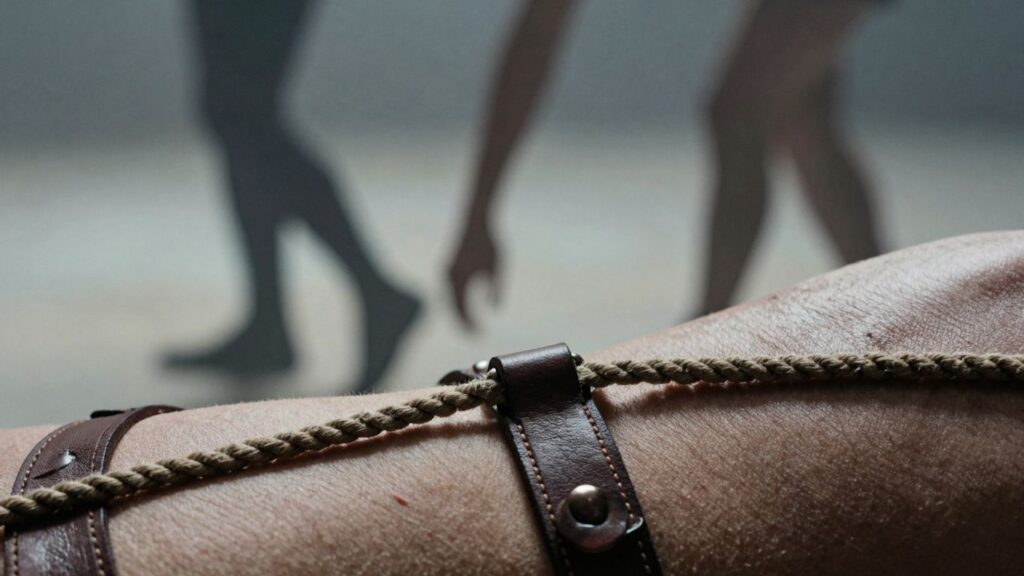
In the mid-20th century, a shift began to happen. Photography started to play a bigger role in how people saw and shared fetish imagery. Think latex, leather, uniforms, boots, and bondage – these were becoming more visible, even if it was still pretty underground. These images, circulating quietly, let people see their own fantasies reflected back at them. It was a way to connect, even if it was just through a magazine or a classified ad. This was a big step for the evolution of BDSM history, moving things from pure secrecy to something that could be seen and shared, albeit discreetly.
Psychology’s Role in Naming Desires
Around the same time, psychologists started looking into these practices. While some of their early attempts to label and categorize kinks were pretty harsh and stigmatizing, there was an unexpected side effect. The very act of naming and documenting these desires made people realize they weren’t alone. Even flawed scientific attention brought a sense of awareness that kink was more widespread than anyone thought. It was a strange way to start normalizing things, by showing that these weren’t isolated oddities but part of a larger human experience.
The Post-War Leather Scene
After World War II, especially with returning gay veterans, the leather community really started to take shape. They borrowed from military styles and a sense of brotherhood, making the leather scene a central part of modern kink identity. It was all about trust, discipline, and consensual power exchange. This scene was a major part of the cultural acceptance of kink history, creating spaces and a shared language for people to explore their desires.
- Key elements of the early leather scene:
- Emphasis on trust and honor.
- Mentorship and passing down knowledge.
- Development of specific aesthetics and practices.
- Consensual power dynamics as a core principle.
“Great site. Met some great people. Feel secure and private and safe with the site. Definitely recommend!” -Anguslove
Mid-20th Century Shifts And Social Movements
The mid-20th century was a time of big changes, and that included how people thought about sex and kink. It wasn’t just about hiding things in the shadows anymore. Social movements started to bring these desires into the open, sparking conversations that were pretty radical for the time.
Liberation Movements and Open Discussion
Think about the sexual liberation movements that really took off. Suddenly, people weren’t as afraid to talk about what they wanted. This period saw a shift from kink being a totally underground thing to something that could be discussed, even if it was still a bit taboo. It was a slow process, but definitely a turning point. This era challenged traditional morality and opened the door for more experimentation.
Feminist and LGBTQ+ Influence
Feminism and the LGBTQ+ movements played a huge role here. They pushed for bodily autonomy and the right to define your own sexuality. This meant that kink, when practiced consensually, started to be seen less as something shameful and more as a valid expression of desire. It helped make kink spaces more welcoming and inclusive, moving away from a purely male-dominated scene. These movements really shaped how kink communities began to organize and think about themselves.
The Rise of Safe, Sane, Consensual Practices
As discussions became more open, so did the need for safety. By the 1970s and 80s, terms like SSC – Safe, Sane, Consensual – started popping up. This wasn’t just about avoiding trouble; it was about building a framework for ethical play. It meant that kink wasn’t seen as reckless behavior but as something that could be done responsibly. This focus on communication and consent became a cornerstone for modern kink communities, and it’s something that continues to evolve today, with ideas like Risk-Aware Consensual Kink (RACK) building on these foundations. It’s all about making sure everyone involved is respected and protected. You can find more about the historical evolution of sexuality in America during this period.
“I’m glad that SwingTowns is growing such an audience of happy, sex-positive people!” -RandySP69
Flagellation’s Place In Erotic History
When we look at the history of eroticized pain, flagellation pops up in a lot of different places. It’s not just a modern kink thing; people have been into it for a long time, in various forms. The origins of sexual whipping practices are pretty complex, stretching back through different cultures and belief systems.
From Religious Ecstasy to Secular Pleasure
Originally, flagellation often had a spiritual or ritualistic purpose. Think ancient rites where pain was seen as a way to connect with the divine or achieve a higher state of consciousness. In places like ancient Sparta, young men underwent ritualistic whipping as part of ceremonies. Even in classical civilizations, like the Etruscans, we see art depicting scenes that blend sexual acts with what looks like ritualistic striking. The Romans had festivals like Lupercalia, where people would run around striking others with thongs, and women would present their hands to be struck, believing it aided fertility. It was a mix of the sacred and the physical.
Over time, especially as societies became more secular, these practices started to shift. The focus moved from religious devotion to personal pleasure and exploration. By the Renaissance and Enlightenment, we see more explicit mentions in literature and art. John Cleland’s Fanny Hill, published in the mid-18th century, famously includes a scene where flagellation leads to arousal and intercourse. This novel, while fictional, hints at a growing awareness and perhaps even acceptance of flagellation as part of erotic encounters.
Prostitution and Erotic Services
It’s also important to note how flagellation became intertwined with sex work. In places like 17th and 18th century England, there are records of prostitutes, sometimes called “Posture Molls,” who specialized in flagellation. These women might offer services that involved giving or receiving whipping, sometimes as an alternative to intercourse. This was partly due to the risks associated with STIs and pregnancy back then. A pamphlet from 1691 even lists women who offered these services, charging for them. It shows that flagellation was available as a specific erotic service, catering to particular desires.
Notable Figures and Practices
While specific names of flagellants from earlier eras are scarce, the literary and artistic records give us glimpses. The descriptions in Fanny Hill offer a detailed, albeit fictionalized, look at how these encounters might have played out. The practice wasn’t always about extreme pain; often, it was about the sensation and the psychological aspect. The idea that erotic pain in historical context could be a turn-on, rather than just punishment or religious penance, became more evident in these later periods. It was a way to explore power dynamics and sensation, moving from the temple to the bedroom, and sometimes, to the discreet rooms of sex workers.
“Swingtowns is awesome and we have no complaints. There are tremendous people and wonderful couples on here that we have had the pleasure of meeting” -wearesexy2015
Here’s a quick look at how the context of flagellation has shifted:
- Ancient Rituals: Primarily religious or ceremonial, focused on spiritual connection or rites of passage.
- Classical Societies: Mixed spiritual and physical elements, sometimes with fertility or purification beliefs.
- 17th-18th Century England: Emergence as a specific erotic service, often within prostitution, and depicted in literature.
- Modern Era: Diversified into various subcultures and kink communities, with an emphasis on consent and personal exploration.
Wrapping It Up
So, looking back, it’s pretty wild to see how far erotic flagellation has come. It wasn’t just some weird thing that popped up out of nowhere; it’s been around for ages, showing up in all sorts of cultures and for different reasons – sometimes religious, sometimes just about power, and often just plain pleasure. What started in ancient rituals and secret societies has, over time, found its way into more open discussions and communities. Today, it’s a part of a much bigger kink scene, where consent and communication are key. It’s a reminder that human desire is complex and has always found ways to express itself, adapting and changing with the times. It’s definitely not going anywhere.
Frequently Asked Questions
When did people start using whipping for fun?
People have been whipping each other for pleasure for a very long time. Evidence shows it was part of ancient rituals and religious practices, and later became a part of secret erotic activities and literature.
Was whipping always seen as sexual?
Not at all. In ancient times, whipping was often part of religious ceremonies or rites of passage, meant to bring about spiritual feelings or test endurance. It only later became more strongly linked with sexual pleasure.
Did famous writers talk about whipping?
Yes, some famous writers mentioned or wrote about whipping in erotic ways. Books like ‘Fanny Hill’ and the works of authors like the Marquis de Sade explored these themes, even if they were shocking at the time.
Were there special places for these activities?
As time went on, especially in places like Victorian England, secret clubs and even specific sex workers offered services related to flagellation. These were often discreet places for people to explore their desires away from public view.
How did modern kink communities start?
Modern kink communities grew from various underground scenes, including the post-war leather community and later, influenced by social movements like feminism and LGBTQ+ rights. These movements helped bring discussions about consent and safe practices to the forefront.
Is flagellation still practiced today?
Yes, flagellation is still a part of BDSM and kink practices today. It’s often done within communities that emphasize safety, consent, and communication between partners, focusing on the shared experience and pleasure.
Curiosity Through Time—Where History Meets Modern Desire
Understanding the history behind kink can make modern exploration feel more grounded, thoughtful, and intentional. Join a welcoming community where open-minded adults share perspectives, experiences, and consent-forward conversations without judgment. Explore at your own pace, connect with people who value clarity, and learn what resonates for you. Sign up for a free SwingTowns account today to begin your adventure.
“I’ve been looking for a fun community who share the same interests as I do, and most have failed to meet my expectations. But SwingTowns by far has had the most fun engagements with REAL people, much more than anywhere else I’ve found. Most people on here have been fun, sexy, engaging, and willing to help a young buck learn the ropes of this lifestyle.” -Johncarpenter


