

After intense erotic flagellation, the scene doesn’t just end when the whip is put down. What happens next, often called aftercare, is super important. It’s all about taking care of yourself and your partner, both physically and emotionally. Think of it as a cool-down period that helps you both transition back to normal. This guide will walk you through why Erotic Flagellation Aftercare: What It Is and Why It Matters, and how to do it right, making sure everyone feels safe, cared for, and connected.
Key Takeaways
- Physical aftercare is about immediate comfort: hydrate, eat, and tend to any marks or bruises with gentle care. Creating a calm space helps your body relax.
- Emotional aftercare focuses on connection and communication. Talking about the scene, listening actively, and validating feelings helps rebuild intimacy.
- Tailor aftercare to individual needs, especially for neurodivergent partners who might need different communication styles or more time to process.
- A gentle transition from intense sensations involves carefully removing equipment, soothing skin, and washing away scene elements to signal the end of play.
- Building deeper intimacy through aftercare means using physical touch, shared vulnerability in conversation, and strengthening trust to reinforce your bond beyond the scene.
Prioritizing Physical Comfort After Intense Play
After a scene involving intense play, especially post-impact play care, focusing on physical comfort is a top priority. It’s about transitioning your body from a state of heightened sensation and potential stress back to a place of ease and safety. This isn’t just about patching up any marks; it’s a holistic approach to physical well-being that supports the entire experience, from safeguarding during kink to providing essential emotional support after impact play.
Immediate Hydration and Nourishment
After a vigorous session, your body might be depleted. Think of it like finishing a tough workout. You’ve likely sweated, your heart rate has been up, and your body has used a lot of energy. So, the first step is simple: rehydrate. Offer water, juice, or even a sports drink. Sometimes, a little sugar can help stabilize blood sugar levels, especially after an adrenaline rush. A small snack like a piece of fruit, a granola bar, or even a bit of chocolate can be really helpful. For some, a warm drink like herbal tea or hot cocoa is incredibly soothing. It’s a way to signal to your body that the intense part is over and it’s time to recover.
Addressing Abrasions and Bruises
Depending on the nature of your play, there might be some physical evidence left behind. This could range from mild redness to more noticeable bruises or even small abrasions. It’s important to check in with yourself and your partner about any areas that might need attention. Gentle cleaning of any minor cuts or scrapes is a good idea, perhaps with an antiseptic wipe. For bruises, applying a cold pack (wrapped in a cloth, of course) can help reduce swelling, or a warm compress might feel soothing on sore muscles. Some people find that a gentle massage with a calming lotion or a specific balm can ease discomfort and show care. Remember, this is about comfort and care, not medical intervention unless absolutely necessary.
Creating a Restful Environment
Once the immediate physical needs are met, creating a calm and restful space is key. This means shifting the sensory input. Dim the lights, perhaps light a calming candle with a scent like lavender or chamomile, or put on some soft, ambient music. The goal is to create a sanctuary where you can both begin to wind down. Think about temperature too; sometimes, after intense play, people can feel a chill. Having a soft blanket or a cozy robe readily available can provide immediate warmth and a sense of security. It’s about making the environment feel safe and nurturing.
Comforting Clothing and Warmth
Changing into comfortable clothing is a significant step in signaling to your body that the scene is over. If you were wearing restrictive or specialized gear, now is the time to switch to something soft and loose. Think sweatpants, a favorite t-shirt, or a plush robe. This physical change helps your body relax and release any lingering tension. For the person who received impact play, having a soft fabric gently placed over reddened skin can be incredibly comforting. It’s a simple act, but it communicates care and a desire for their comfort. Having warm socks or a soft blanket ready can also make a big difference in feeling secure and cared for.
The Importance of Emotional Connection Post-Scene
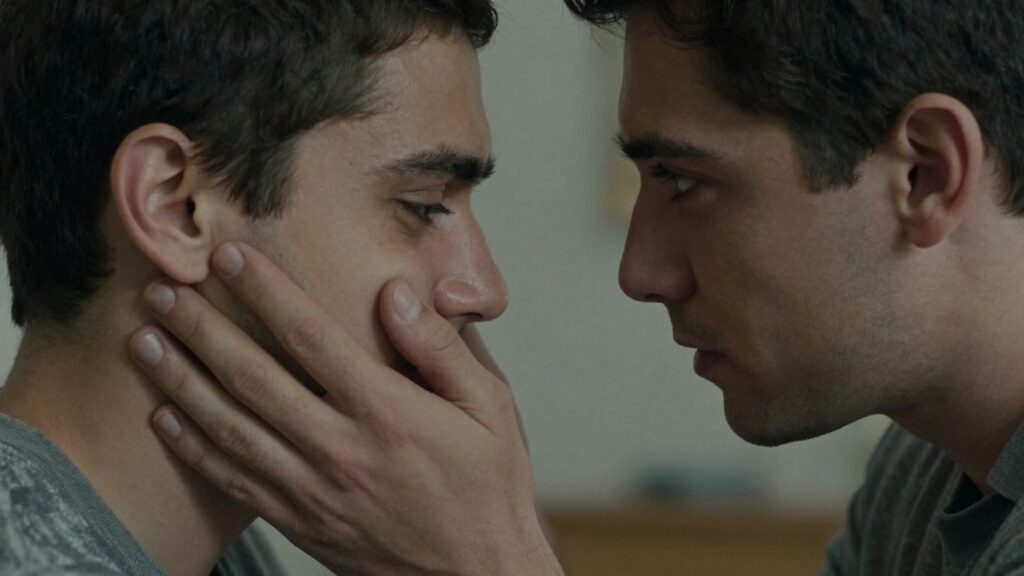
Okay, so you’ve handled the physical stuff, maybe you’ve got water, snacks, and a comfy blanket situation sorted. But what about the feelings? Intense play, especially with flagellation, can stir up a whole lot, and it’s not just about the sting. This is where the emotional side of aftercare really kicks in. It’s about making sure both of you feel seen, heard, and connected, not just as scene partners, but as people.
Open Communication and Active Listening
This is huge. After the intensity fades, talking about what just happened is super important. It’s not just about saying “that was fun.” It’s about really digging into how you both felt. Did something surprise you? Did a particular sensation bring up an unexpected emotion? This is your chance to really connect on a deeper level.
- Check-in: Start with a simple “How are you feeling right now?” and actually wait for the answer. Don’t just assume.
- Share your experience: Talk about what you liked, what felt good, and maybe even what was a little challenging. Be honest, but kind.
- Listen without judgment: This is key. Your partner might share something vulnerable. Your job is to just listen, maybe offer a hug, and let them know it’s okay to feel whatever they’re feeling. No “shoulds” or “buts” allowed here.
- Debriefing: You can make this structured or casual. Maybe you ask each other:
- What was your favorite moment?
- Was there anything that felt a bit much?
- What’s something you’d like to explore next time?
- How did that specific sensation feel for you?
Sometimes, one person might be a bit spacey or quiet after a scene. That’s totally normal. Don’t push for a big talk right away. Just be present, maybe hold their hand, and let them come back to themselves. The conversation can happen later, maybe even the next day. It’s about making sure the emotional threads are picked up.
Validating Feelings and Experiences
After a scene, especially one involving pain or power dynamics, emotions can run wild. You might feel euphoric, drained, a little shaky, or even a bit confused. All of that is valid. Your partner’s feelings are just as valid.
“The best LS site for sure! Real people, easy to navigate, love it!” -Tlove799
This validation can look like:
- Verbal Affirmation: Simple phrases like “You were amazing,” “Thank you for trusting me,” or “I’m so glad we did that” can go a long way. If difficult emotions surfaced, reassure your partner: “I’ve got you, you’re safe, I’m here.”
- Acknowledging Vulnerability: If degrading language was used during the scene, balance it afterward with loving words. Remind your partner of their worth outside the scene.
- Physical Comfort: Sometimes, a simple hug, a gentle stroke of the hair, or just sitting close can say more than words. It’s a physical way of saying, “I see you, and I care about you.”
Reaffirming Partnership Beyond Roles
During a scene, you might be playing specific roles – Dominant and submissive, for example. Aftercare is the time to gently step out of those roles and reconnect as partners. It’s about remembering the person underneath the persona.
- Shift in Language: If you used titles like “Master” or “slave” during the scene, switch back to first names or pet names you use in everyday life. This helps signal the transition.
- Shared Activities: Doing something mundane together, like making tea, watching a silly show, or just chatting about your day, can help ground you both back in reality.
- Humor: A shared laugh can be incredibly bonding. Pointing out something funny about the situation or just cracking a silly joke can break any lingering tension and remind you of your connection outside of kink.
This transition back is important. It reinforces that the scene was a consensual exploration, not a reflection of your core relationship. It’s about saying, “That was play, and this is us, together and connected.”
Tailoring Aftercare to Individual Needs
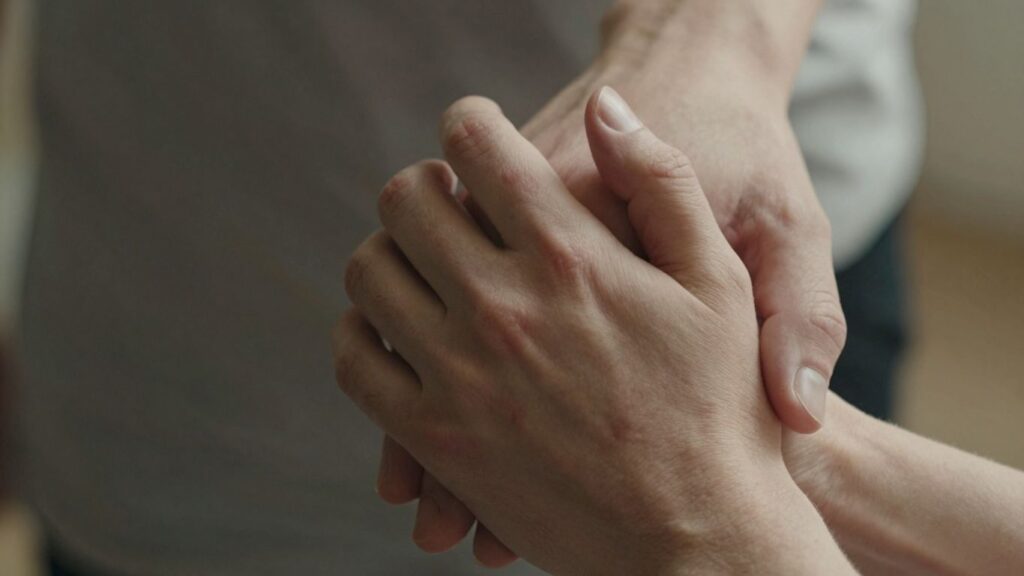
Okay, so we’ve talked about general comfort and connection, but here’s the thing: not everyone bounces back from intense play the same way. What feels amazing and soothing for one person might be totally overwhelming for another. It’s like trying to fit everyone into the same pair of shoes – it just doesn’t work.
Accommodating Neurodivergent Participants
This is a big one. If you or your partner are neurodivergent, like on the autism spectrum or have ADHD, sensory input can hit differently. Some folks might need less stimulation after a scene, not more. Think quiet, dim lighting, maybe even a bit of solitude to just process everything. Others might crave specific textures or gentle, repetitive motions. It’s all about tuning into what helps them regulate.
- Sensory Sensitivity: Be mindful of lights, sounds, and touch. Ask what’s okay and what’s too much.
- Processing Time: Some neurodivergent individuals need more time to decompress. Don’t rush the process.
- Communication Style: Direct, clear communication is often best. Avoid ambiguity.
“Great community in here!!! Lots of beautiful people. Swingtowns has helped connect with so many new friends, love it!!!!” -2x2more
Recognizing Different Emotional Styles
People also process emotions differently. Some might want to debrief immediately, talking through every feeling. Others might need to sit in silence, letting the emotions settle before they can articulate them. There’s no right or wrong way to feel or express it. The key is to create a space where both styles are respected.
- Verbalizers: Need to talk it out, process through words.
- Non-Verbalizers: Prefer quiet reflection, physical comfort, or non-verbal expression.
- Action-Oriented: Might need to engage in a simple, grounding activity.
Planning for Ongoing Emotional Support
Aftercare isn’t always just the immediate aftermath. Sometimes, feelings can bubble up later. It’s good to have a plan for that, too. This could mean scheduling a check-in call the next day, or just agreeing to be available if one of you needs to talk things through again. Thinking about these flagellation recovery tips ahead of time makes a huge difference.
| Scenario Type | Immediate Need | Potential Later Need |
|---|---|---|
| High Intensity | Deep physical comfort | Emotional debrief, reassurance |
| Moderate Intensity | Gentle touch, quiet | Casual check-in, shared meal |
| Low Intensity | Casual chat, hydration | Minimal, perhaps just a thank you |
Remember, the goal is to make sure everyone feels seen, heard, and cared for, long after the scene is over. It’s about building trust and showing that your connection goes beyond the play itself.
Gentle Transition from Intense Sensations

After a really intense play session, the first thing you want to do is ease back into things. It’s like coming down from a roller coaster – you don’t just jump off and run a marathon. This part is all about helping your body and mind shift gears without feeling jolted.
Careful Removal of Play Equipment
This is where you start to physically wind down. Think about anything that was on or attached to the body. If there was wax dripped on skin, gently wipe it off with a warm cloth. If you used clamps or other gear that might have restricted blood flow, take them off slowly. After removing them, give the area a gentle massage. This helps the blood flow back in, which can feel a bit tingly or even stingy at first, but it’s important for recovery. It’s also a good time to remove any scene-specific makeup or clothing. Wiping away dramatic eyeliner or taking off a wig can feel like shedding a character, helping you both return to yourselves.
Soothing Skin and Massaging Areas
Once the equipment is off, focus on the skin. A warm shower or bath can feel amazing, washing away sweat and tension. If you used oils or lotions during play, this is a good time to apply something soothing. Gentle massage is key here. If muscles are sore or strained from the scene, a light massage can really help release that tension. It’s a way of showing care for the body that just went through a lot. Think of it as a physical thank you for its participation.
Washing Away Scene Elements
This step is pretty straightforward but important. It’s about physically cleansing yourself from the remnants of the scene. This could mean a shower, a bath, or even just using warm washcloths. It’s not just about hygiene; it’s also symbolic. It’s like washing away the intensity, the sweat, the maybe even tears, and coming out clean and refreshed. This physical act can really help signal to your brain that the intense part is over and it’s time to relax. It’s a ritualistic way to close the scene.
Here’s a quick checklist for this phase:
- Remove all restraints and equipment slowly.
- Gently clean any residue (wax, makeup, etc.).
- Massage areas that might be sore or have restricted blood flow.
- Take a warm shower or bath.
- Apply a soothing lotion if desired.
Building Deeper Intimacy Through Aftercare
After the intensity of a scene, the moments spent together can really build a stronger connection. It’s not just about physical recovery; it’s about tending to the emotional space that intense play can open up. This is where the real magic happens for healing after BDSM.
The Role of Physical Touch in Bonding
Gentle touch after play can say so much. Think about soft strokes, holding hands, or just leaning against each other. These simple actions can help ground both partners and remind them of their connection outside of the scene’s roles. For someone who might have experienced intense sensations or even a bit of emotional vulnerability, this physical closeness is a powerful way to feel safe and cared for. It’s a way of saying, “You’re important to me, and I’m here with you.”
Shared Vulnerability in Conversation
Talking about the scene afterward is a big part of this. It doesn’t have to be a formal debrief, though that can be helpful too. Sometimes, it’s just sharing what you liked, what surprised you, or even what felt a little overwhelming. Being able to share these feelings openly, without judgment, creates a unique kind of trust. It’s in these honest conversations that you really see and understand each other on a deeper level.
Here are some things you might talk about:
- What sensations were most enjoyable?
- Were there any moments that felt particularly intense?
- How did you feel emotionally during and after the scene?
- What’s something new you learned about yourself or your partner?
Strengthening Trust and Understanding
When you consistently practice good aftercare, you’re showing your partner that you value their well-being. This builds a solid foundation of trust. Knowing that you’ll be cared for after play makes it easier to explore deeper into scenes and be more vulnerable. It’s a cycle: the care you give builds trust, and that trust allows for more profound experiences, which in turn require even more thoughtful care. It’s a beautiful way to grow together.
“Swingtown is so great in am having so much fun and it’s the best site to visit and enjoy. The people are so friendly.” -JS12
Extended Care for More Intense Scenarios
When play gets really intense, like pushing boundaries or involving significant physical sensation, the usual aftercare might not quite cut it. We’re talking about scenes that leave you feeling completely drained, maybe a bit shaky, or even with some lingering physical discomfort. This is where we need to think a bit more carefully about what comes next.
Managing Potential Injuries
After a particularly rough session, it’s smart to do a quick but thorough check for any injuries. This isn’t just about big cuts or bruises, but also smaller things that might not be obvious right away. Think about:
- Skin integrity: Look for any broken skin, deep scratches, or areas that are unusually red or raw. Sometimes, even a light touch can sting if the skin is sensitive.
- Muscle soreness: Intense physical activity, even if it’s not traditional exercise, can lead to sore muscles. Gentle stretching or light massage might help, but be careful not to aggravate anything.
- Joint strain: If there was any twisting or awkward positioning, check for any joint pain or stiffness.
It’s always better to be a little overly cautious here. If something feels off, don’t hesitate to seek advice from a medical professional, especially if you’re unsure about how to treat a specific issue.
Monitoring Skin Health
Skin can take a beating during flagellation. Beyond just looking for immediate injuries, keep an eye on how your skin is doing over the next few days. Things to watch for include:
- Persistent redness or irritation: Some redness is normal, but if it doesn’t fade or seems to be getting worse, it might be a sign of a reaction or a deeper irritation.
- Signs of infection: While rare, any broken skin carries a small risk. Watch for increased pain, swelling, warmth, or pus.
- Bruising patterns: Sometimes, bruises don’t show up fully until a day or two later. Note their size and color to track their healing.
Using gentle, unscented lotions or balms can help soothe irritated skin. Avoid anything with alcohol or strong fragrances that could cause further discomfort.
Considering Nutritional Support
Intense physical activity, and the emotional toll it can take, can really deplete your body’s resources. Think of it like running a marathon – you need to refuel properly afterward. This means:
- Hydration: Keep drinking water, and maybe consider electrolyte drinks if you sweated a lot.
- Balanced meals: Focus on nutrient-dense foods. Protein is good for muscle repair, and complex carbohydrates will help restore energy levels.
- Comfort foods (in moderation): Sometimes, a favorite treat can be a nice psychological boost, but don’t let it replace proper nutrition.
“We are very excited to have joined Swing Towns. We have already chatted and met some fun people. We look forward to meeting many more friends and having a great time making new connections.” –
IzzyBlossomKatee
Planning ahead for these needs can make a big difference in how smoothly you recover. It shows a commitment to care that goes beyond the immediate moments after the scene ends.
Wrapping It Up
So, after all that intense play, remember that taking care of each other doesn’t just stop when the scene does. Both the physical stuff, like getting water and a comfy blanket, and the emotional side, like talking things through and just being there for each other, are super important. It’s really about showing that you value your partner and the experience you shared. Think of it as the final, really sweet act of the whole event. It helps you both come back down gently and feel connected, making sure that whatever happened stays a positive memory. Don’t skip this part; it’s what makes the whole experience feel safe and truly rewarding for everyone involved.
Frequently Asked Questions
What’s the first thing to do after intense play?
Right after a scene, focus on your body’s needs. Drink some water to rehydrate, maybe have a small snack if you’re feeling low on energy, and put on comfy clothes. It’s like giving your body a gentle hug to help it calm down.
How do I take care of any marks or soreness?
Check for any marks, like scratches or bruises, and clean them gently. If an area is sore, a soothing lotion or a cool pack might feel good. Think of it like basic first aid, but with extra care.
Why is talking after a scene so important?
Talking helps you both process what happened and how you’re feeling. It’s a chance to share what you liked, what you didn’t, and to make sure you both feel connected and understood. It’s like checking in with each other’s hearts and minds.
What if my partner is quiet after a scene?
Everyone reacts differently. Some people need to talk a lot, while others need quiet time. If your partner is quiet, just being there with them, maybe holding their hand or sitting close, can be enough. Let them know you’re there when they’re ready to talk.
Does aftercare change if the play was really intense?
Yes, if the play was very intense and might have caused more than just light marks, your aftercare might need to be more thorough. This could include longer rest, more careful cleaning of any wounds, and checking in more often over the next day or two.
Can aftercare help build a stronger relationship?
Absolutely! Taking the time to care for each other physically and emotionally after intense play shows deep respect and love. It builds trust, makes you feel closer, and strengthens your bond as partners.
Care After Connection—Where Trust Continues Beyond the Scene
Aftercare is a vital part of ethical kink, supporting both physical recovery and emotional grounding. Join a welcoming community where open-minded adults share real experiences, consent-forward practices, and thoughtful discussions about BDSM care and communication. Learn how to recognize needs, offer support, and strengthen trust in every dynamic. Sign up for a free SwingTowns account today to connect, learn, and explore with confidence.
“Swing towns is my go to dating app. I just joined but truly am in love with swingtowns” -Th3gi4nt


