

Thinking about adding some impact play to your bedroom adventures? It can be a really exciting way to explore new sensations with a partner. But with so many tools out there, like floggers and whips, it can feel a bit overwhelming to know where to start. This guide is here to help you figure out what works best for you, your partner, and the kind of experience you’re hoping for. We’ll cover the basics, talk about different types of tools, and make sure you know how to keep things safe and fun.
Key Takeaways
- Floggers and whips offer different kinds of sensations, from a spread-out sting to a more focused thud. Understanding these differences helps you pick the right tool for the desired feeling.
- When choosing impact tools, consider your partner’s body type and their experience level with this kind of play. Open communication about what feels good is super important.
- Floggers come in various materials and designs, affecting their weight and how they feel. Leather is common, but silicone and other materials offer unique sensations.
- Whips can range from thin and stingy to heavier, offering a distinct impact. Single-tail and multi-tail whips also provide different experiences.
- Safety and consent are the absolute most important parts of impact play. Always talk about boundaries, use safe words, and plan for aftercare to make sure everyone feels good afterward.
Understanding Floggers and Whips
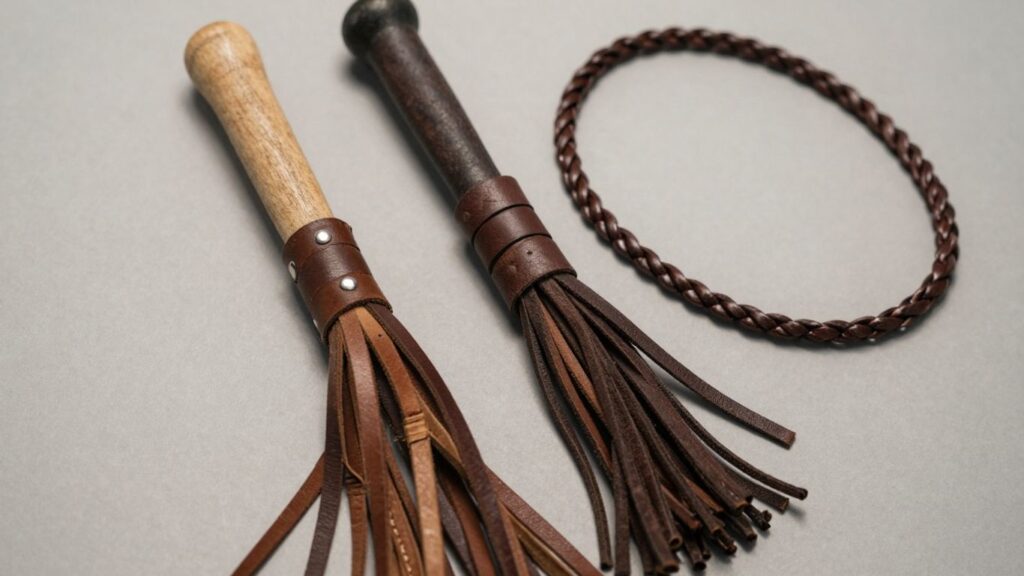
When you’re getting into impact play, the first thing you’ll probably notice is the sheer variety of tools out there. Two of the most common, and often confused, are floggers and whips. They might look similar, but they offer pretty different sensations. Understanding these differences is key to picking the right tool for you and your partner.
The Versatile Nature of Floggers
Floggers are basically a handle with a bunch of flexible tails attached. Think of them as a bundle of soft, impact-delivering strands. Because the impact is spread out over multiple points, floggers tend to feel less sharp and more diffuse than a whip. They can range from super soft and feathery to quite heavy and thuddy, depending on the materials and construction. This makes them really adaptable. You can use a lighter flogger for a gentle, warming sensation, or a heavier one for a more intense, full-body experience. They’re often a good starting point for people new to impact play because they’re generally less intimidating than a single-tail whip. Finding the best floggers for different bodies often comes down to tail length and weight distribution.
Whips: A Different Kind of Sting
Whips, on the other hand, usually have a single, thinner tail. This means the impact is concentrated on a much smaller area, leading to a sharper, more stinging sensation. While some whips can be quite heavy, the defining characteristic is often that focused sting. They can be incredibly satisfying for partners who enjoy that intense, sharp feeling. However, they also require a bit more precision and control from the person wielding them to avoid accidentally hitting sensitive areas or causing unintended pain.
Choosing Based on Sensation
So, how do you pick? It really boils down to what kind of feeling you’re going for. Are you after a broad, diffuse sensation that covers a larger area, or a sharp, focused sting? Floggers generally lean towards the former, while whips are masters of the latter. It’s also worth considering the materials. Leather floggers can offer a classic feel, while silicone or latex might give a different kind of sting or thud. Ultimately, the goal is to find a tool that matches the desired experience for both partners. Exploring different types of impact play can be a journey, and understanding the basic sensations each tool provides is the first step. For a good overview of safe impact play, check out this guide.
Here’s a quick rundown of common sensations:
- Floggers: Generally diffuse, thuddy, or a broad sting. Good for warming up or covering larger areas.
- Whips: Typically sharp, stinging, and focused. Best for targeted sensations.
“We’ve only been in the LS for about a year but we have found some really great people using SwingTowns. Wish we would have found the website sooner.” -2Adults89
Matching Tools to Partner and Body
When you’re picking out floggers, whips, or any other BDSM gear for diverse partners, it’s not just about what looks cool or what you’ve seen in a movie. You’ve got to think about the person you’re playing with. What feels amazing to one person might be way too much, or not enough, for someone else. It’s all about finding that sweet spot together.
Considering Different Body Types
Bodies are different, right? Some people have more sensitive skin, others have thicker skin. Someone with a lot of muscle might feel impacts differently than someone with less. Think about where you’re going to be hitting, too. A flogger might feel great on a broad back, but a thinner tail might be better for more delicate areas. It’s not a one-size-fits-all situation. You might need different tools for different folks, or even different tools for different parts of the same person’s body.
Partner’s Experience Level
Someone new to impact play probably isn’t going to want to start with the heaviest, stingiest whip you own. It’s like learning to swim; you don’t jump into the deep end right away. Start with something lighter, maybe a softer leather flogger, and see how they react. As they get more comfortable and you both learn what they like, you can slowly introduce more intense sensations. For experienced players, they might already know what they like and can tell you exactly what they’re looking for, or they might be ready to explore new territory.
Communicating Desired Sensations
This is probably the most important part. You absolutely have to talk to your partner. What kind of feeling are they after? Are they looking for a dull thud, a sharp sting, or a combination? Do they want something that builds slowly, or a quick, intense burst? Asking questions beforehand and checking in during play is key. You can even use a simple scale, like 1 to 10, to gauge intensity. Open communication is the foundation of safe and enjoyable impact play.
“Great site. Met some great people. Feel secure and private and safe with the site. Definitely recommend!” -Anguslove
Here’s a quick rundown to help you think about it:
- Beginner: Softer leather floggers, lighter materials, focus on broad strokes and less intense areas.
- Intermediate: Can explore slightly heavier floggers, thinner tails, and more varied impact points.
- Advanced: May be ready for stiffer materials, single-tail whips, and more targeted, intense sensations.
It’s always better to start gentler and build up. You can always add more intensity, but you can’t take it away once it’s happened.
Exploring Flogger Characteristics
Floggers are super interesting because they can feel so different depending on what they’re made of and how they’re put together. It’s not just a simple stick with tails; there’s a whole lot of thought that goes into making one that feels just right.
Material Matters: Leather, Silicone, and More
The stuff a flogger is made from really changes the game. Leather is a classic for a reason. It can be soft and fuzzy, giving a nice, diffused thud, or it can be stiffer and thinner, leading to a sharper sting. You’ll find all sorts of leather, from supple calfskin to tougher cowhide, each with its own feel. Then there’s silicone. Silicone floggers are often smoother and can feel a bit cooler on the skin. They tend to be more flexible and can sometimes give a more intense sting than you might expect, especially the thinner ones.
- Leather: Offers a wide range of sensations from soft thuds to sharp stings depending on thickness and stiffness.
- Silicone: Often provides a slicker feel and can deliver a more pronounced sting.
- Biothane: A synthetic material that mimics leather but is more durable and water-resistant, often giving a clean, thuddy impact.
- Nylon/Kevlar: These can be quite stiff and are known for their sharp, sometimes scratchy, sting.
Tail Length and Weight Distribution
How long the tails are and where the weight sits in the flogger makes a big difference in how it swings and lands. A good starting point for tail length is usually about as long as your arm, from your shoulder to your fingertips. This gives you enough reach without being unwieldy. The weight distribution is also key. You want the flogger to feel balanced. If you balance it on two fingers, the heavy spot should be near the handle, where the tails start. This makes it easier to control and swing smoothly. If the weight is off, it can feel awkward and hard to get a good, consistent hit.
The Impact of Flogger Design
Beyond the material and weight, the actual design of the flogger plays a role. Some floggers have a thicker handle, which can be more comfortable for longer play sessions. Others might have a weighted butt, which can help with the swing and momentum. Then there are the tails themselves – are they flat and wide, or thin and round? Flat tails tend to spread the impact over a larger area, feeling more like a thud. Thin, round tails can concentrate the sensation, leading to a sharper sting. Some designs even have knots or other features on the ends of the tails, which can add a different kind of sensation, sometimes a sharper bite or a more focused impact.
“I’m glad that SwingTowns is growing such an audience of happy, sex-positive people!” -RandySP69
It’s really about finding what feels good for both the person swinging and the person receiving. What one person finds intensely pleasurable, another might find too much or not enough. Experimenting with different types is part of the fun, and it helps you learn what you and your partner enjoy most.
Navigating Whip Varieties
When you start looking at whips, things can get a little confusing because the term is used pretty broadly. Generally, a true whip is a longer implement with a shorter handle compared to a flogger. Most whips have one or a few long, flexible lashes. They’re known for delivering a sharp, intense sting, especially the heavier ones. It’s really important to know that whips, especially single-tail ones, often require a good bit of training to use safely and effectively.
The Sting of Thin Tails
Thin-tailed whips are all about that sharp, biting sensation. Think of a quick, almost electric feeling that can be quite intense. They’re great for teasing and building anticipation, or for partners who enjoy a more focused, stinging impact. The key here is precision; a thin tail can really zero in on a spot.
The Thud of Heavier Whips
On the other end of the spectrum, you have heavier whips. These might have thicker tails or be made from materials that give them more weight. Instead of a sharp sting, you get more of a thudding sensation. This can feel more like a deep impact, a solid pressure that resonates. It’s a different kind of intensity, often described as more of a ‘thwack’ than a ‘snap’.
Single Tail vs. Multi-Tail Whips
This is a big difference in how a whip feels and behaves. A single-tail whip is exactly what it sounds like – one long lash. These can be incredibly precise and deliver a very focused sting. However, they also demand a lot of control from the person wielding them to avoid accidental wraps or uneven hits. Multi-tail whips, on the other hand, are more forgiving. They spread the impact out a bit, and while they can still sting, they often have a bit more of a thudding quality due to the multiple points of contact. They can be a good starting point if you’re curious about whips but want something a little less demanding than a single-tail.
When considering whip choices for partners, think about what kind of sensation they’re looking for. Are they drawn to sharp, quick stings, or do they prefer a deeper, more resonant impact? The material and thickness of the tails play a huge role in this.
Here’s a quick rundown of what to expect:
- Thin Tails: Sharp, stinging, precise. Good for building anticipation.
- Thick/Heavy Tails: Thudding, deep impact, resonant. More of a solid ‘thwack’.
- Single Tail: High precision, intense sting, requires more skill.
- Multi-Tail: More forgiving, can offer a mix of sting and thud, easier to control.
“Swingtowns is awesome and we have no complaints. There are tremendous people and wonderful couples on here that we have had the pleasure of meeting” -wearesexy2015
Beginner-Friendly Impact Play
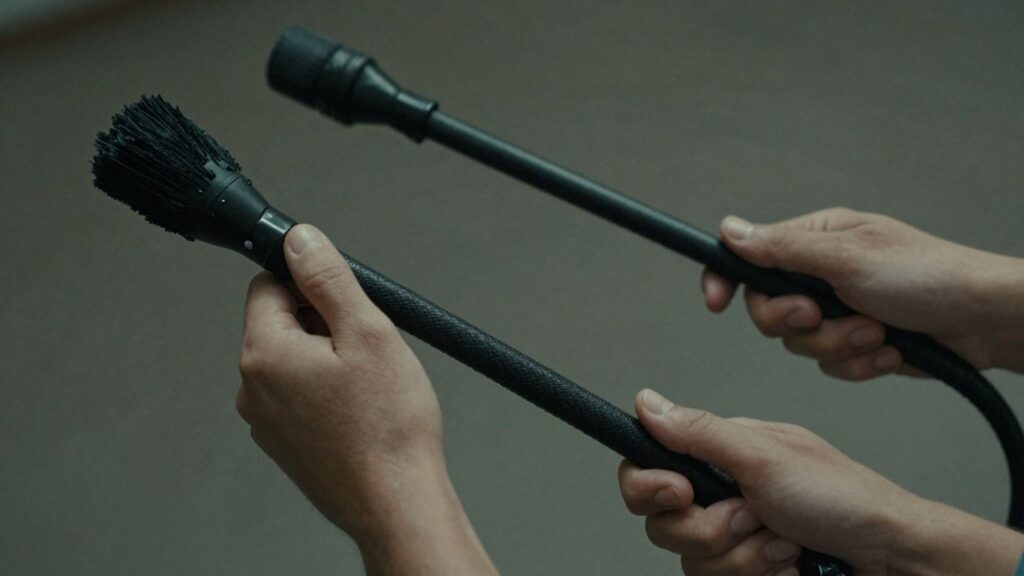
Starting out with impact play can feel a little overwhelming, right? There are so many tools and techniques out there. But honestly, it doesn’t have to be complicated. The most important thing is to take it slow and really talk to your partner about what feels good for both of you. Think of it as exploring together, not a test you have to pass.
Starting with Floggers
Floggers are often recommended for beginners, and for good reason. They tend to distribute sensation over a wider area, which can feel less intense than a sharp sting. Imagine a bunch of soft leather tails gently tapping rather than a single, sharp point. This makes them a great way to get a feel for impact play without being too much, too soon. They’re also pretty versatile; you can use the whole flogger for a broader sensation or just a few tails for something a bit more focused.
Gentle Introduction to Impact
When you’re just dipping your toes in, focus on areas that have a bit more padding and are less sensitive. The glutes and thighs are usually a good starting point. Avoid bony areas, the lower back, and the neck – those are definite no-gos for beginners (and honestly, for most people). Start with very light taps, almost like a playful swat, and gradually increase the pressure only if both you and your partner are comfortable. It’s all about building up gradually.
Here’s a quick rundown of good starting zones:
- Glutes: Plenty of cushion here, making it forgiving.
- Outer Thighs: Another fleshy area that handles sensation well.
- Calves: Can be a good spot for lighter, stingier sensations once you’re more comfortable.
Safe Zones for First-Time Play
Choosing where to play is just as important as choosing your tool. For your very first experiences, stick to the fleshy parts of the body. These areas are more forgiving and less likely to result in accidental injury or intense discomfort. Think of it like this: you want to feel the sensation, not cause actual harm.
“Swingtowns has been awesome in this lifestyle ! Finding new couples to play with and of course hang with.” -Skaggszy98
Don’t feel pressured to go hard or fast. The goal is shared pleasure and discovery. Experiment with different levels of pressure and different parts of the ‘safe zones’ to see what you both enjoy. Communication is your best friend here; talk about what you’re feeling, what you like, and what you’d like to try next. It’s a journey, and the best way to start is by taking small, confident steps together.
Advanced Impact Play Considerations
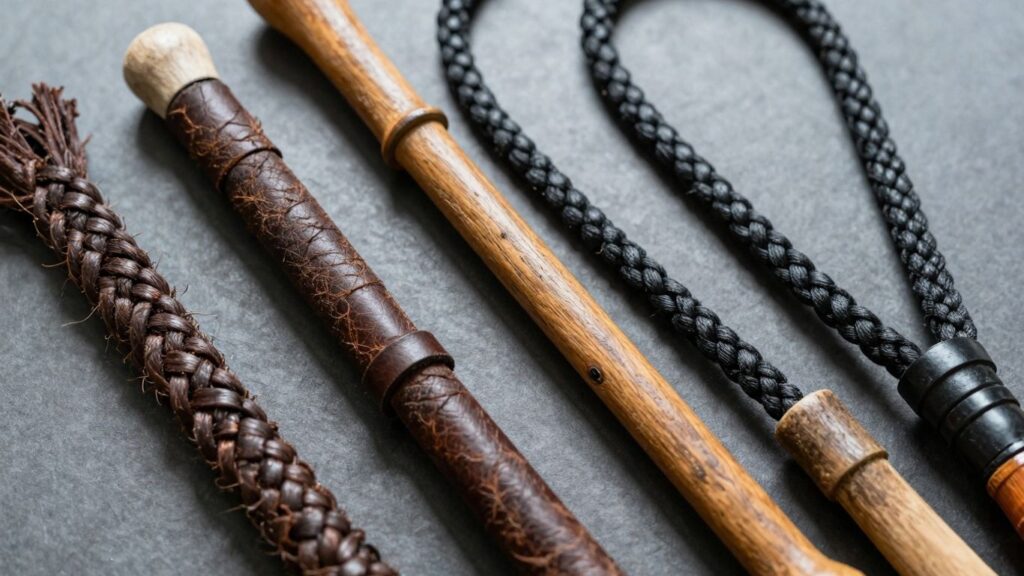
Once you and your partner have a good handle on the basics of impact play, you might be looking to explore more intense sensations or push your endurance a bit further. This is where careful planning and communication become even more important. It’s not just about hitting harder; it’s about understanding the nuances of sensation and how different tools and techniques can create varied experiences.
Exploring Intense Sensations
Moving beyond gentle taps and light thuds means understanding how to safely escalate intensity. This often involves exploring different types of impact that create distinct feelings. For instance, a quick, sharp sting from a thin-tailed whip feels very different from the deep, resonant thud of a heavy flogger. The goal here is to find what feels good and exciting for both partners, not just to inflict pain.
- Sharp Sting: Achieved with tools that have fewer, thinner tails, like a single-tail whip or a thin braided flogger. This sensation can be exhilarating and attention-grabbing.
- Deep Thud: Typically comes from tools with many thick tails, or those with a heavier head, like a multi-tailed leather flogger. This sensation can feel grounding and powerful.
- Broad Impact: Paddles and slappers offer a wider surface area, creating a sensation that can range from a sting to a thud depending on the material and force.
Technique and Endurance
As you get more comfortable, you might find yourselves wanting to play for longer periods or explore more complex sequences. This is where building endurance comes into play, both for the giver and the receiver. It’s about pacing yourselves and listening to your bodies. Think about how different rhythms and patterns of impact can build anticipation and intensity.
“Swingtowns, easy navigating the site, no harassing upgrade ads, easy to find people, premium is not over priced….Just keep swinging, just keeping swinging” -mrgood69
When to Choose Stiffer Implements
Stiffer implements, like canes or certain types of paddles, offer a more direct and often sharper sensation than softer tools like floggers. Their use requires a higher level of precision and awareness. When considering these, think about:
- Target Area: Stiffer tools are often best suited for fleshy, muscular areas like the buttocks and thighs, where there’s less risk of hitting bone or sensitive organs.
- Partner’s Preference: Does your partner enjoy a sharp, focused sensation, or do they prefer a broader, more diffuse feeling?
- Experience Level: Both partners should have some experience with impact play before introducing stiffer implements. This ensures a better understanding of what to expect and how to react.
Making informed impact play toy selection is key to safely exploring these more advanced levels of sensation. Always discuss your desires and boundaries thoroughly before introducing new tools or techniques.
Safety and Consent in Impact Play
Alright, let’s talk about the really important stuff when it comes to floggers, whips, and any kind of impact play. This isn’t just about the tools or the sensations; it’s about making sure everyone involved feels secure and respected. Think of it like a sensual toy fitting guide, but for your bodies and minds.
The Importance of Communication
Seriously, this is the bedrock of everything. You absolutely must talk to your partner before, during, and after any impact play. This isn’t a surprise party kind of thing. Hitting someone, even consensually, can trigger a strong physical or emotional response if it’s not expected or wanted. Open dialogue means discussing desires, limits, and what feels good – or what definitely doesn’t.
- Discuss desired sensations: Are we talking about a light sting, a deep thud, or something in between? This is where you figure out what kind of impact your partner enjoys.
- Talk about tools: What are you using? How will it feel? Are there any specific tools that are off-limits?
- Check in regularly: During play, keep those lines of communication open. A simple “How are you doing?” or “Are you okay?” can make a huge difference.
Establishing Boundaries and Safe Words
Boundaries are non-negotiable. They’re the lines you both agree not to cross. This includes physical areas of the body that are off-limits (like the lower back or kidneys, which can be seriously injured) and the intensity of the impact. Safe words are your emergency exit. They’re words or signals that, when used, mean the play stops immediately, no questions asked. It’s vital that both partners understand and respect the safe word system.
A quick guide to safe words:
- Green: Everything is great, keep going, maybe even ramp it up.
- Yellow: Slow down, ease up, I’m approaching a limit or need a moment.
- Red: Stop immediately. This means stop everything, no exceptions.
Aftercare for Emotional Well-being
After the intensity of impact play, both partners might need some time to come down and reconnect. This is called aftercare. It’s not just about physical comfort; it’s about emotional support too. This could involve cuddling, talking about the experience, having a snack, or just quiet time together. It helps process the sensations and emotions that came up during play and reinforces the bond between you.
“Swingtowns.com has been one of the best places for meeting like minded and fun party people. I’m always looking to meet new people and this site never fails.” -PoundnSand
Remember, this is all part of a larger sensual toy fitting guide, where the most important ‘toy’ is the trust and connection you share with your partner. Always prioritize well-being and consent above all else.
Wrapping It Up
So, we’ve talked about floggers and whips, and how they can bring a whole new level of excitement to your intimate moments. Remember, the most important thing is to chat with your partner about what feels good for both of you. Start slow, maybe with something gentler like a flogger, and see how it goes. There’s a whole world of sensation out there, and finding the right tools and techniques is part of the fun. Keep the lines of communication open, always prioritize safety and consent, and you’ll be well on your way to exploring this exciting side of intimacy together.
Frequently Asked Questions
What’s the main difference between a flogger and a whip?
Think of a flogger like a bunch of soft tails attached to a handle. It spreads the impact over a wider area, often feeling less intense. A whip, on the other hand, usually has one or a few thinner tails that deliver a sharper, more focused sting.
Is impact play just about pain?
Not at all! While some people enjoy the sting or thud, others focus on the feeling of touch, the power exchange between partners, or the way the body reacts. It’s about exploring different sensations, and pain is just one part of that for some.
What’s the safest way to start with impact toys?
It’s best to start with softer, gentler tools like a flogger, especially one with soft tails. Focus on less sensitive areas like the butt or upper back. Always talk with your partner beforehand about what feels good and what doesn’t, and use a safe word.
How do I know what kind of flogger or whip to choose?
Consider what kind of feeling you’re going for. Do you want a widespread sensation or a sharp sting? Materials like leather, silicone, or suede create different feelings. It’s also important to think about the weight and how the tails are arranged. Trying them out or asking experienced friends can help.
What are ‘safe zones’ for impact play?
Generally, fleshy areas with fewer nerves and bones are considered safer, like the buttocks, thighs, and upper back. It’s important to avoid hitting the spine, kidneys, neck, joints, or face. Always discuss with your partner what areas are okay for them.
Why is communication so important in impact play?
Because you’re dealing with physical sensations that can range from ticklish to intense. Talking beforehand sets expectations and boundaries. Checking in during play makes sure everyone is comfortable and enjoying themselves. Using a safe word is crucial in case things become too much.
The Right Tool, the Right Fit—When Awareness Shapes Better Play
Different bodies respond differently, and thoughtful tool choices can make impact play safer and more enjoyable for everyone involved. Join a welcoming community where open-minded adults share real experiences about body awareness, consent, and adapting play across multiple partners. Learn how to communicate preferences clearly, avoid assumptions, and refine your approach with care. Sign up for a free SwingTowns account today to connect, learn, and explore with confidence.
“Swingtowns is hands down the best community that I have had the pleasure to be a part of. Would recommend this website to anyone in the lifestyle!” -SlikRik1Ace


