

Getting into flagellation with more than one partner can be exciting, but it’s also easy to mess up, especially if you’re new to it. Think of it like trying to juggle a few balls at once – you need to be careful not to drop any. We’re going to talk about some common beginner mistakes in erotic flagellation, especially when you’re working with a group. It’s all about making sure everyone has a good time and stays safe. Let’s break down what can go wrong and how to avoid it.
Key Takeaways
- Consent isn’t just a ‘yes’; it’s an ongoing conversation. Pay attention to body language and subtle cues that someone might be uncomfortable, even if they haven’t said a word. Always have clear safewords that everyone understands and respects.
- Don’t skip the prep work. Make sure your gear is in good shape, and that everyone involved is physically and mentally ready for the scene. Planning for after the scene is just as important as planning the scene itself.
- In group play, it’s easy for some people to get overlooked. Make sure everyone feels seen and heard. Don’t let jealousy or other strong emotions drive the action, and always check in with everyone afterward.
- After a scene, it’s natural to think about what happened. But don’t beat yourself up over perceived mistakes. Focus on what you learned and how you can grow, remembering that these scenes are a team effort.
- Be realistic about what everyone can do and wants. Avoid putting partners on pedestals or expecting them to be mind-readers. Plan for the future of your dynamic with clear eyes, not just fantasy.
Misinterpreting Consent and Boundaries
When we’re exploring flagellation, especially in a group setting, it’s super easy to mess up consent and boundaries. It’s not always about a big, dramatic ‘no.’ Sometimes, the signals are way more subtle, and if you miss them, things can go south fast. This is a big part of avoiding common BDSM errors.
Assuming Understanding in Non-Verbal Cues
We like to think we’re good at reading people, right? But relying on a nod, a sigh, or a shift in posture to gauge consent is risky business. What looks like enthusiastic agreement to you might just be someone trying to go along with the flow, or worse, feeling too awkward to speak up. Never assume that silence or a lack of protest means full consent. It’s always better to check in verbally, even if it feels a little clunky.
Overlooking Subtle Signs of Discomfort
People react differently when they’re uncomfortable. Some might freeze, others might fidget, or their breathing might change. These aren’t always obvious cues. If someone’s energy shifts from engaged to withdrawn, or if they start to seem a bit distant, it’s worth pausing and asking if everything is okay. Ignoring these whispers of discomfort can lead to bigger problems down the line.
Failing to Establish Clear Safewords
Safewords are non-negotiable. But just having them isn’t enough. Everyone involved needs to know what they are, what they mean, and that they will be respected immediately. This isn’t just about a word; it’s about a commitment to stop or change what’s happening without question. A safeword system should be:
- Clearly communicated before any scene begins.
- Universally understood by all participants.
- Respected instantly with no hesitation or debate.
“So far it’s been a fun way to connect with like minded people. In a open, judgement free environment. Lots of people to get to know.” -StaggerinVixen86
Inadequate Preparation and Safety Measures
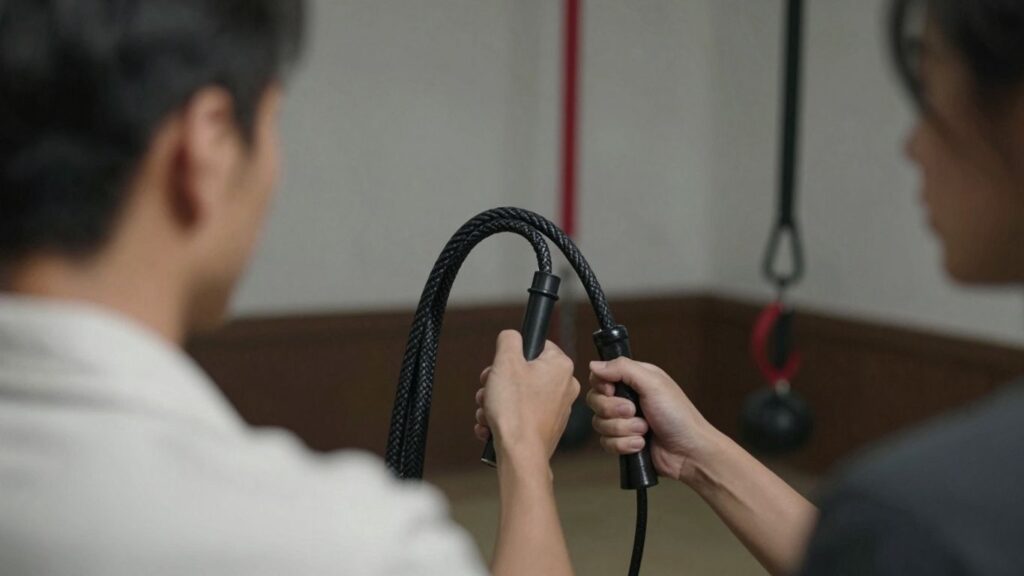
Jumping into any kind of impact play, especially in a multi-partner setting, without proper prep is a recipe for disaster. It’s not just about having the right gear; it’s about making sure everyone involved is physically and mentally ready for what’s about to happen. The dangers of beginner impact play are real, and overlooking these steps can lead to injuries or emotional distress that can really mess things up for everyone.
Neglecting Proper Equipment Maintenance
Think of your floggers, paddles, and whips like tools. If they’re not in good shape, they can cause harm. Ropes can fray, handles can loosen, and leather can become brittle. Regularly inspecting and maintaining your equipment is non-negotiable. This means checking for wear and tear, cleaning them after use, and storing them properly. A damaged tool isn’t just less effective; it’s a safety hazard. Imagine a paddle with a splintered edge or a flogger with a loose handle – not good.
Ignoring Physical and Emotional Readiness
Not everyone is up for the same intensity, and that’s okay. Before a scene, it’s important to check in with all partners. Are they feeling well? Are they stressed about something unrelated? Physical exhaustion or emotional turmoil can make someone much more vulnerable. It’s also a good time to discuss limits and expectations for the scene. This isn’t just about saying ‘yes’ or ‘no’; it’s about understanding each person’s capacity at that moment. A quick check-in can prevent a lot of problems.
Lack of Post-Scene Care Planning
What happens after the scene is just as important as what happens during it. This includes both physical and emotional aftercare. Physically, this might mean checking for any marks or soreness and addressing it. Emotionally, it’s about reconnecting, talking about the experience, and making sure everyone feels safe and cared for. Without a plan for this, lingering discomfort or misunderstandings can easily turn into bigger issues. A simple debrief and some quiet time together can make a world of difference. Remember, aftercare is a key part of responsible impact play.
“This is the best site we have found! Easy to navigate and easy to make great long lasting memories and friends!” -julwil8182
Communication Breakdowns in Group Dynamics
When you’re exploring kink in group settings, things can get complicated fast. It’s not just about one-on-one interactions anymore; you’ve got multiple people with different needs and expectations all in the same space. This is where communication really needs to be on point, or you’ll find yourself in a mess.
Unequal Attention to Individual Needs
It’s super easy in a group scene to get caught up in the main action and forget that everyone involved has their own stuff going on. Someone might be feeling left out, or maybe their specific limits aren’t being respected because the focus is elsewhere. Paying attention to each person is key to a good experience for everyone. You can’t just assume everyone’s on the same page or getting what they need.
- Check-ins: Regularly ask each participant how they’re feeling, even if it’s just a quick nod or a thumbs-up. Don’t wait for someone to speak up.
- Observation: Watch body language closely. Is someone looking withdrawn or uncomfortable? Are they being actively included?
- Individual Focus: Make sure each person gets some dedicated attention, even if it’s brief. This shows you value their presence and their experience.
Allowing Jealousy to Dictate Actions
Jealousy can creep into any relationship dynamic, but it’s particularly tricky when you’re dealing with multiple partners and kink activities. If one person’s jealousy starts to influence the scene, it can quickly turn sour. This isn’t about blaming anyone; it’s about recognizing that these feelings can derail the intended fun and safety. It’s important to address these feelings outside of the scene itself, perhaps through open discussions about polyamory and relationships.
Failing to Debrief After Scenes
This is a big one. After the intensity of a group scene, everyone needs a chance to process what happened. Skipping the debrief means you miss out on:
- Understanding how each person felt about their experience.
- Identifying any moments that felt off or could have been handled better.
- Reinforcing boundaries and consent for future interactions.
“Swing towns is my go to dating app. I just joined but truly am in love with swingtowns” -Th3gi4nt
Emotional Self-Flagellation Post-Scene

After a scene, especially one involving intense physical or emotional play, it’s easy to fall into a trap of self-criticism. This isn’t about constructive reflection; it’s about beating yourself up over perceived mistakes. We might replay moments, focusing on what we think we did wrong, how we could have been ‘better,’ or why a partner seemed less than thrilled. This kind of internal monologue can be incredibly damaging and counterproductive to healthy dynamics.
Excessive Self-Blame for Perceived Failures
It’s common to feel responsible if a scene doesn’t go exactly as planned, or if a partner expresses any dissatisfaction. However, taking on the entire burden of a scene’s outcome is rarely accurate. Relationships, and especially consensual impact scenes, are a collaboration. Focusing solely on your own perceived shortcomings ignores the contributions and experiences of everyone involved. Instead of asking ‘What did I do wrong?’, try ‘What was our experience?’ This shift can help move away from personal blame.
Dwelling on Imperfections Instead of Growth
We all have moments where we feel we could have handled something differently. Maybe you missed a cue, or perhaps your technique wasn’t as smooth as you’d hoped. The key is to distinguish between learning and self-punishment. Instead of getting stuck on the ‘failure,’ extract the lesson. What can you take away from this experience to improve your practice of safe practices for consensual impact scenes? Did you learn something new about your partner’s responses, or your own limits?
Ignoring the Collaborative Nature of Scenes
Scenes, particularly in multi-partner dynamics, are a shared journey. Blaming yourself entirely for any hiccups overlooks the complex interplay of desires, boundaries, and communication between all participants. It’s vital to remember that everyone brings their own experiences and emotional states to a scene. If something felt off, it’s a signal for collective discussion and adjustment, not just individual condemnation. This is a core aspect of erotic flogging safety tips.
- Identify the specific ‘failure’: What exactly are you blaming yourself for?
- Consider external factors: Were there outside stressors affecting anyone?
- Seek partner feedback: Openly discuss the scene with everyone involved.
- Focus on learning: What can be done differently next time?
“The best LS site for sure! Real people, easy to navigate, love it!” -Tlove799
Unrealistic Expectations and Idealization

It’s easy to get caught up in the fantasy, especially when you’re exploring new dynamics with multiple partners. We might start picturing a perfect scene, a flawless connection, or even a fairytale relationship that just isn’t grounded in reality. This is where unrealistic expectations and idealization can really mess things up.
Projecting Fantasies onto Partners
Sometimes, we walk into a scene or a relationship with a pre-written script in our heads. We see a partner, or partners, and immediately start filling in the blanks with what we wish they were like, rather than who they actually are. This can be super unfair to everyone involved. You might be looking for a specific role to be played, a certain reaction, or a particular kind of energy, and when your partners don’t perfectly match that imagined version, it can lead to disappointment or frustration. It’s like expecting a character actor to suddenly become a Shakespearean lead without any rehearsal.
Ignoring Partner’s Actual Limitations
Everyone has limits, both physical and emotional. When we idealize someone, we tend to gloss over these. We might push for things that are beyond their comfort zone, their energy levels, or their current emotional capacity, all because our fantasy version of them wouldn’t have those limits. This can manifest as:
- Ignoring signs of fatigue or overwhelm.
- Pressuring partners to engage in activities they’ve expressed hesitation about.
- Expecting constant availability or emotional output.
- Not recognizing when someone needs a break or a different kind of interaction.
Disregarding the Need for Realistic Future Planning
This isn’t just about planning the next scene; it’s about the long-term health of your connections. If you’re constantly living in a dream world where everything is always perfect and conflict-free, you’re not setting yourself up for success. Real relationships, even those involving kink, have ups and downs. Ignoring the need to plan for potential challenges, discuss evolving desires, or simply acknowledge that people change is a recipe for disaster. It’s important to have conversations about what everyone realistically wants and can commit to, not just what sounds good in a fantasy.
“Great community in here!!! Lots of beautiful people. Swingtowns has helped connect with so many new friends, love it!!!!” -2x2more
Ignoring Red Flags and Toxic Patterns
Sometimes, in the heat of the moment or just wanting things to work, we can overlook some pretty obvious warning signs. It’s like seeing a crack in the wall and just painting over it, hoping it won’t get worse. In multi-partner dynamics, especially when exploring something as intense as flagellation, this can lead to some serious trouble down the line. We’re talking about patterns of behavior that aren’t just quirky; they’re genuinely unhealthy and can really mess with everyone involved.
Dismissing Controlling or Manipulative Behavior
This is a big one. If someone is constantly trying to dictate what others can and can’t do, or if they’re using guilt trips to get their way, that’s not just strong personality. It’s a sign that they might be trying to control the dynamic, and not in a healthy, consensual way. Think about it: are decisions being made together, or is one person always steering the ship, even when it’s not their turn? Healthy dynamics are built on shared power, not dominance disguised as leadership.
Overlooking Patterns of Blame and Guilt-Tripping
Does one person always seem to end up being the scapegoat when things go wrong? Or is there a constant stream of “you made me feel” statements that leave others feeling perpetually in the wrong? This kind of emotional manipulation can chip away at trust and create a really unstable environment. It’s easy to brush off a single instance, but when it becomes a recurring theme, it’s a serious red flag.
Failing to Recognize Emotional Abuse Tactics
This can be subtle. It might involve gaslighting (making someone doubt their own reality), constant criticism disguised as jokes, or the silent treatment when someone doesn’t get their way. These aren’t just minor annoyances; they’re tactics that erode a person’s self-esteem and can create a deeply unhealthy power imbalance. If you find yourself constantly walking on eggshells or questioning your own feelings, it’s time to pay attention.
Here are some things to watch out for:
- Constant need for validation: Always needing reassurance or praise, and getting upset when it’s not immediately given.
- Excessive jealousy: Not just mild insecurity, but possessiveness and attempts to isolate partners from others.
- Blaming others for their own actions: Never taking responsibility, always finding someone else to point the finger at.
- Emotional blackmail: Using threats, guilt, or manipulation to control others’ behavior.
“Swingtown is so great in am having so much fun and it’s the best site to visit and enjoy. The people are so friendly.” -JS12
Wrapping It Up
So, we’ve talked about some common pitfalls when things get complicated in relationships with more than two people involved. It’s easy to fall into patterns of blaming yourself or your partners, or getting lost in what could have been. Remember, relationships are messy, and even more so when there are multiple people. The key is to keep talking, be honest about your feelings, and try not to get stuck in self-blame or unrealistic expectations. Learning from mistakes, both your own and those of others, is how we all get better at this whole relationship thing. It’s not always easy, but working through these issues with respect and open communication is the best way forward.
Frequently Asked Questions
What’s the most common mistake people make when it comes to consent in group relationships?
A big mistake is thinking everyone is on the same page just because they aren’t saying ‘no.’ Sometimes people show they’re uncomfortable in small ways, like pulling back a little or looking away. It’s super important to watch for these signs and not just rely on spoken words. Also, having clear ‘safewords’ that everyone agrees on is key, so anyone can stop things immediately if they feel uneasy.
Why is preparing for a scene important, especially with multiple partners?
When you’re involved with more than one person, things can get complicated fast. Not checking if your gear is in good shape or if everyone is feeling physically and mentally ready can lead to problems. Plus, you need to think about what happens *after* the scene is over – how will everyone feel, and what support might they need? Skipping these steps can make the experience negative for everyone.
How can jealousy cause issues in a group dynamic?
Jealousy can really mess things up when you’re with multiple partners. If one person’s jealousy starts making decisions or causing drama, it takes away from everyone else’s experience. It’s important to make sure each person feels valued and gets the attention they need, rather than letting one person’s feelings dominate the group’s activities.
What is ’emotional self-flagellation’ after a scene?
This means beating yourself up way too much after a scene, thinking you did everything wrong. Instead of seeing mistakes as chances to learn and grow together, you might obsess over every little flaw. Remember, relationships and scenes are a team effort. Blaming yourself entirely doesn’t help anyone and ignores the other people involved.
What does it mean to have ‘unrealistic expectations’ in these situations?
It’s like expecting a fantasy to be real. You might imagine how things *should* be or what your partners *should* be like, instead of seeing them for who they really are. This can lead to disappointment when reality doesn’t match your made-up ideas. It’s crucial to be honest about what everyone can realistically do and want.
What are ‘red flags’ to watch out for in group relationships?
Red flags are warning signs that something isn’t healthy. In group dynamics, this could be one person trying to control others, constantly making partners feel guilty, or using manipulative tactics. Ignoring these signs can lead to toxic situations. It’s vital to recognize and address controlling or abusive behaviors early on.
Learning With Care—Mistakes That Teach, Not Harm
Everyone starts somewhere, and learning safely matters even more when multiple partners are involved. Join a welcoming community where open-minded adults share real experiences, consent-first advice, and practical guidance for navigating kink without unnecessary missteps. Learn how to communicate clearly, slow down thoughtfully, and build trust across every connection. Sign up for a free SwingTowns account today to connect, learn, and explore with confidence.
“Wow!! This site is absolutely amazing. Me and my lady have met some fun sexy people on here and got some great feedback from other couples about our profile.” -JessnOsc77


