

The term ‘wife poacher’ gets thrown around sometimes, and it’s not exactly a pleasant one. It brings up images of someone actively trying to steal another person’s spouse. But where does this phrase come from, and what does it really mean? We’re going to break down the meaning and history of ‘wife poacher,’ look at how it’s sometimes misused, and even touch on how similar ideas pop up in other areas, like wildlife conservation. It’s a loaded term, and understanding its roots helps us see why it’s so controversial.
Key Takeaways
- The term ‘wife poacher’ generally refers to someone who tries to break up a marriage or take someone else’s spouse, often implying manipulative or underhanded tactics.
- Historically, the term reflects societal anxieties about marital fidelity and the perceived threat of external interference in relationships.
- While the term is used metaphorically in human relationships, the concept of ‘poaching’ is more formally defined in wildlife conservation, referring to the illegal hunting of protected animals.
- The misuse of ‘wife poacher’ can arise from drawing parallels between relationship dynamics and wildlife poaching, which can oversimplify complex human behaviors and trivialize serious conservation issues.
- Understanding the origins and context of the term ‘wife poacher’ is important to avoid its casual or inappropriate application and to differentiate between metaphorical language and actual harmful actions.
What Does “Wife Poacher” Mean? Understanding the Term and Its Origins

The Literal Interpretation of “Wife Poacher”
So, what exactly is a “wife poacher”? The term itself sounds pretty dramatic, right? At its core, it refers to someone who tries to lure away or steal another person’s spouse. It’s about interfering in a marriage, often with the intent of starting a relationship with the married individual. This kind of behavior is generally seen as unethical and disruptive to families. It’s not just about a fleeting attraction; it implies a deliberate effort to break up a marriage. Understanding the meaning of wife poacher is the first step in grasping the nuances of this loaded term.
Historical Context of the Term
While the exact first use of “wife poacher” is a bit fuzzy, the concept isn’t new. Throughout history, societies have had rules and expectations around marriage and fidelity. The idea of someone actively trying to break up a marriage, or “poaching” a spouse, has likely existed for as long as marriage itself. Historically, this could have been viewed through different lenses, sometimes as a social transgression, other times with more severe legal or even religious consequences depending on the era and culture. The term itself, however, feels more modern, perhaps gaining traction as social norms around relationships and marriage evolved. It’s interesting to think about how different periods might have dealt with or labeled such actions.
Evolution and Modern Usage
Today, people often use the term “wife poacher” informally—sometimes even as a joke—but it still carries a negative connotation. It describes someone who actively pursues a married person, whether or not they succeed. The history of wife poacher discussions often touches on the idea of intent and action. How do you even identify someone as a “wife poacher”? It usually involves observing persistent attention, inappropriate communication, or actions that clearly aim to undermine the existing marriage. It’s a label applied to someone seen as a threat to a marital union, and while it’s not a legal term, it definitely speaks to social judgments about relationship boundaries.
The Concept of Poaching in Wildlife Conservation
Defining Wildlife Poaching
So, what exactly is wildlife poaching? At its core, it’s the illegal hunting or capturing of wild animals. This isn’t just about a hunter bagging a deer out of season, though that’s part of it. We’re talking about a wide range of activities, from taking animals for their meat, skins, or horns, to capturing them for the exotic pet trade, or even for traditional medicine. It’s a direct assault on biodiversity and the natural world. Think about rhinos being killed for their horns, elephants for their ivory, or pangolins for their scales. These aren’t just isolated incidents; they’re often part of organized criminal networks that operate across borders. The scale of it can be pretty staggering, impacting entire ecosystems and pushing species closer to the brink.
Motivations Behind Poaching
Why do people poach? It’s rarely a simple answer, and the reasons can be pretty complex. For some, it’s about survival – a way to feed their families when other options are scarce. This is especially true in communities that have historically relied on the land for sustenance but are now facing economic hardship or displacement. Then there’s the profit motive. The illegal wildlife trade is a multi-billion dollar industry, and for some, the lure of quick money is too strong to resist. This often involves organized crime syndicates who exploit vulnerable individuals to do the dirty work. Sometimes, it’s driven by cultural practices or demand for specific animal parts, like in traditional medicine or for luxury goods. It’s a mix of desperation, greed, and demand that fuels this illegal activity.
Anti-Poaching Strategies and Their Effectiveness
Fighting poaching is a huge challenge, and conservationists have tried all sorts of approaches. One common method is simply increasing patrols by rangers. The idea is that more boots on the ground will deter poachers. However, studies have shown that just having rangers around doesn’t always stop poaching. It seems like a more targeted approach is needed. Another strategy is using technology, like drones or camera traps, to monitor wildlife and catch poachers in the act. This can be helpful, but it’s expensive and doesn’t always catch everyone.
Here’s a look at some common strategies:
- Increased Patrols: More rangers in the field.
- Technology Deployment: Using drones, sensors, and cameras.
- Community Involvement: Working with local people to report suspicious activity.
- Intelligence Gathering: Trying to understand poaching networks and plans.
“The best LS site for sure! Real people, easy to navigate, love it!” -Tlove799
Sometimes, former poachers are even recruited to help protect wildlife. The thinking is that they know the terrain and the poachers’ tactics. It’s a controversial idea, but it can sometimes work. The key seems to be finding strategies that are not only effective at stopping poaching but also sustainable and don’t create new problems, like human rights abuses.
Community-Based Anti-Poaching Initiatives
When we talk about stopping poaching, it’s easy to think of rangers in camo gear, maybe with some serious hardware. But a lot of the real success stories come from the ground up, involving the people who actually live near these wild places. These community-led efforts are often the most effective because they build trust and give local folks a stake in protecting wildlife.
The Role of Local Communities
Think about it: who knows the land better than the people who call it home? They see the comings and goings, they understand the local environment. Bringing communities into conservation creates a win-win. Communities gain benefits like jobs or tourism income, and wildlife gains protectors with a real stake in keeping it safe. This approach makes conservation work for the community, not just near it. It often involves training and paying local people to monitor wildlife, report suspicious activity, and support patrols. It’s a partnership, not just an order from above.
Empowering Women in Conservation
Something really interesting has been happening lately: women are stepping up in a big way in anti-poaching. Groups like the Black Mambas in South Africa and Akashinga in Zimbabwe consist entirely of women. These groups aren’t symbolic gestures; the women serve as trained rangers who do the demanding work of protecting wildlife. They often come from difficult backgrounds, facing poverty or abuse, and this work gives them a new path, a sense of purpose, and financial independence. It turns out that women can be incredibly effective in these roles, bringing a unique set of skills and a strong commitment to their communities and the environment.
Former Poachers as Protectors
This might sound a bit wild, but sometimes the best people to stop poaching are the ones who used to do it. It sounds counterintuitive, right? But hear me out. If you can offer former poachers a legitimate way to earn a living, like becoming rangers themselves, they can be incredibly valuable. They know the tactics, they know the terrain, and they can often help identify others who are still involved in poaching. It’s about rehabilitation and redirection, giving them a chance to use their knowledge for good instead of for harm. It’s a strategy that’s been tried in places like India, where former poachers were trained and put to work protecting the very areas they once exploited.
“Great community in here!!! Lots of beautiful people. Swingtowns has helped connect with so many new friends, love it!!!!” -2x2more
Here’s a look at how these initiatives can work:
- Community Game Guards: Local individuals are hired and trained to monitor wildlife in their areas, reporting on animal movements and any signs of poaching. This system, seen in places like Namibia, relies on local knowledge and provides income.
- Eco-Development Committees: Groups formed from former offenders, like poachers, who are given training and employment to help protect conservation areas.
- All-Women Ranger Units: Teams composed solely of women who are trained and deployed as rangers, often providing a new avenue for employment and empowerment for women in rural areas.
It’s a complex puzzle, but when communities are at the center of conservation, the chances of protecting wildlife for the long haul go way up. It’s not just about stopping bad guys; it’s about building a better future for everyone involved.
Militarization and Its Impact on Anti-Poaching
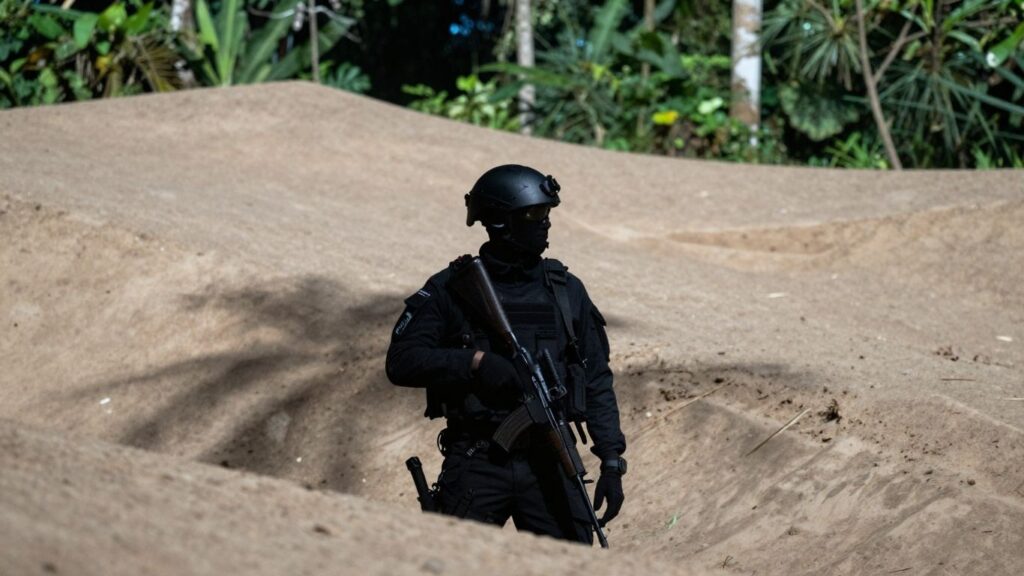
When poaching crises hit hard, especially with high-value targets like rhinos and elephants, conservationists often look for strong, immediate solutions. This is where the idea of “green militarization” comes in. It’s basically bringing military tactics, personnel, and technology into conservation efforts. Think of it as a “war on poaching.” The idea is that by using a more forceful, security-focused approach, you can scare off or stop the armed groups involved in illegal wildlife trade.
The “Green Militarization” Approach
This strategy often involves partnerships between conservation groups, the military, and private security firms. Supporters argue it’s a necessary evil to deal with dangerous criminals. Countries like Botswana and South Africa have employed military units and even adopted “shoot-to-kill” policies against suspected poachers. It’s a tough stance, aiming to deter poaching by showing overwhelming force. This approach can sometimes lead to a shift in how rangers operate, with more time spent on law enforcement and less on traditional conservation tasks. For example, in Kruger National Park, ranger duties dramatically changed from conservation to anti-poaching in response to the rhino crisis.
Human Rights Concerns in Enforcement
However, this militarized approach isn’t without its problems. There are serious concerns about human rights abuses. Reports from local communities mention violence, torture, and even murder by anti-poaching forces. When you treat conservation like a war zone, it can create a lot of fear and mistrust. This can alienate the very communities that conservation efforts often depend on for success. It’s a delicate balance, trying to protect wildlife without harming people.
The Arms Race Between Poachers and Protectors
Another significant issue is the potential for an escalating arms race. As anti-poaching units become more heavily armed and sophisticated, so do the poachers. This can lead to an increasingly dangerous situation for everyone involved. It’s a cycle where each side tries to outdo the other in terms of weaponry and tactics. This escalation makes the job of rangers even more perilous and can divert resources away from other conservation needs. It’s a complex problem with no easy answers, and the effectiveness of these militarized strategies is still debated.
“Swingtown is so great in am having so much fun and it’s the best site to visit and enjoy. The people are so friendly.” -JS12
Here’s a look at some common elements in militarized anti-poaching:
- Increased Patrols: More frequent and heavily armed ranger patrols in high-risk areas.
- Intelligence Gathering: Using advanced technology and informants to track poachers.
- Specialized Units: Formation of elite ranger units, sometimes with military backgrounds.
- Legal Frameworks: Implementing stricter laws and penalties, including shoot-to-kill orders in some cases.
While these measures aim to disrupt organized crime groups involved in wildlife smuggling, it’s important to remember that their direct participation in poaching can vary. Understanding wildlife crime requires looking at the full spectrum of actors and motivations.
Misuse and Misinterpretation of the Term “Wife Poacher”
Analogies and Their Limitations
So, let’s talk about the term “wife poacher.” It’s a phrase that gets thrown around, often with a lot of drama attached. When people use it, they’re usually trying to describe someone who, in their eyes, has interfered with a marriage or a committed relationship. It’s a metaphor, right? Comparing a person to someone who steals something valuable, like a prized animal. But metaphors can be tricky, and this one is no exception. The comparison often oversimplifies complex human interactions and can unfairly label individuals. It’s easy to see how the term “what is a homewrecker term” pops up in discussions like this, as it carries a similar, negative connotation.
Ethical Considerations of the Metaphor
Using terms like “poacher” in a social context raises some serious questions. When we talk about poaching in wildlife conservation, we’re dealing with illegal hunting, often for profit or sport, that threatens entire species. It’s a clear-cut crime with devastating ecological consequences. Applying that same word to human relationships feels… off. It ignores the agency of the people involved and the nuances of why relationships succeed or fail. It’s like saying someone poached a job when they were simply more qualified or networked better. It reduces people to objects and relationships to property.
Distinguishing Between Metaphor and Reality
It’s important to remember that a metaphor isn’t reality. While people may use the term “wife poacher” to express anger or hurt, it doesn’t reflect how relationships actually work. People make their own choices, and relationships depend on mutual consent and communication—not on one person “stealing” another. Calling someone “poached” also implies that the people involved lack agency, which is rarely true. Instead of focusing on who ‘poached’ whom, it might be more productive to look at the health of the relationship itself and the choices made by everyone involved. Sometimes, the breakdown of a relationship has nothing to do with an outside party and everything to do with the issues within the couple. Understanding the difference between the colorful language used to describe a situation and the actual events is key to having a clearer picture. For instance, the story of a character trapped in a magic-sealed cell after being captured highlights a very different kind of ‘poaching’ a character who is gravely injured and grief-stricken after being captured.
Here’s a quick look at how the term is often misused:
- Oversimplification: It ignores individual choices and relationship dynamics.
- Objectification: It treats people like property that can be stolen.
- Blame Shifting: It can deflect from issues within the existing relationship.
- Lack of Nuance: It doesn’t account for the complexities of human connection and attraction.
Ultimately, while the term “wife poacher” might be a dramatic way to express feelings about relationship troubles, it’s not a precise or fair description of what actually happens.
Alternative Livelihoods and Crime Prevention

Addressing Root Causes of Poaching
When we talk about stopping poaching, it’s easy to get caught up in the chase – the rangers, the patrols, the technology. But sometimes, the real problem isn’t out in the bush; it’s right here in the communities. People often turn to poaching because they don’t have many other options. Think about it: if you’re struggling to feed your family, and there’s a quick (though risky) way to make some money, you might consider it. That’s why looking at alternative livelihoods is so important. It’s about giving people a real choice, something that can support them and their families without harming wildlife.
The Impact of Penalties on Households
Now, about those penalties for poaching. On one hand, tough punishments can seem like a good idea. They might scare some people straight, especially the younger folks who might be tempted. But here’s the flip side: what happens when the main breadwinner gets locked up? It’s not just one person who suffers; the whole family can end up in serious trouble, sometimes even poverty. It’s a tough balance to strike – needing to deter crime but also not wanting to create more hardship for innocent families.
Intelligence-Led Policing in Conservation
This is where things get a bit more strategic. Instead of just reacting to poaching incidents, intelligence-led policing tries to get ahead of the game. It’s all about gathering information, figuring out patterns, and then focusing efforts where they’ll do the most good. Think of it like a detective solving a case, but for wildlife crime. This approach often involves working closely with local communities, because who knows the area and its goings-on better than the people who live there?
Here’s a simplified look at how it can work:
- Information Gathering: Collecting tips from locals, analyzing patrol data, and using technology to spot unusual activity.
- Pattern Analysis: Identifying where and when poaching is most likely to happen.
- Targeted Deployment: Sending rangers and resources to those specific ‘hotspots’ or times.
- Community Collaboration: Building trust so people feel comfortable sharing information.
“We are very excited to have joined Swing Towns. We have already chatted and met some fun people. We look forward to meeting many more friends and having a great time making new connections.” –
IzzyBlossomKatee
Sometimes, this can involve using technology to monitor specific areas, like setting up cameras or using drones. Other times, it’s as simple as having rangers patrol areas known for recent activity. It’s a way to make sure that the people on the ground are in the right place at the right time, making a real difference.
Wrapping It Up
So, we’ve talked a lot about what ‘wife poacher’ means and where the term might have come from. It’s a heavily loaded phrase that often gets thrown around without much thought. People sometimes use it to describe someone who breaks up a marriage, but they also apply it in situations where it doesn’t fit—or even to make light of serious issues. It’s clear that words matter, and how we use them can really affect how we see things. Understanding the history and the different ways this term pops up helps us think more carefully about what we’re actually saying when we use it. Maybe we can all try to be a bit more mindful about the language we choose, especially when it comes to relationships and people’s lives.
Frequently Asked Questions
What exactly does the term ‘wife poacher’ mean?
The term ‘wife poacher’ is a metaphor. It’s used to describe someone who tries to take another person’s spouse away from them, often by using charm or manipulation. It’s like someone hunting for a prize, but the prize is someone else’s partner.
Is ‘wife poaching’ a real crime?
No, ‘wife poaching’ isn’t a legal term or a crime. It’s a saying people use to describe a situation where someone is trying to break up a marriage or relationship. While it can cause a lot of hurt and drama, it’s not something the law deals with.
Where did the idea of ‘poaching’ come from?
The word ‘poaching’ originally comes from hunting. It means to illegally hunt or catch animals on someone else’s land or without permission. This idea of taking something that doesn’t belong to you was then applied to relationships, leading to terms like ‘wife poacher’.
Why is the term ‘wife poacher’ sometimes seen as unfair?
Using the term ‘wife poacher’ can be unfair because it often blames just one person for trying to break up a relationship. It doesn’t always consider the choices and feelings of the person whose spouse is being pursued, or the reasons why the relationship might be struggling in the first place. It simplifies a complex situation.
Are there any real-world examples of how ‘poaching’ is used in conservation?
Yes, in conservation, ‘poaching’ refers to the illegal hunting of wild animals, often for their parts like ivory or horns. There are many efforts to stop this, like training rangers, working with local communities, and even hiring former poachers to help protect wildlife. Sometimes, women’s groups, like the Black Mambas in South Africa, are trained as rangers to guard against illegal hunting.
How does trying to stop illegal hunting (poaching) compare to the idea of ‘wife poaching’?
Stopping illegal hunting, or ‘poaching’ of animals, involves real laws, enforcement, and protecting resources. The term ‘wife poacher’ is just a figure of speech for relationship drama. While both use the word ‘poach,’ one is a serious conservation issue with real consequences, and the other is about personal relationships and social issues.
Where Curiosity Meets Connection — A Space Where New Possibilities Come Alive
Step into a vibrant community built on openness, curiosity, and shared experiences. Whether you’re exploring new dynamics or deepening existing connections, this is a space designed for discovery without judgment. Join others who value honesty, adventure, and meaningful interaction. Sign up for a free SwingTowns account today and start your journey into a more connected experience.
“Swing towns is my go to dating app. I just joined but truly am in love with swingtowns” -Th3gi4nt


