
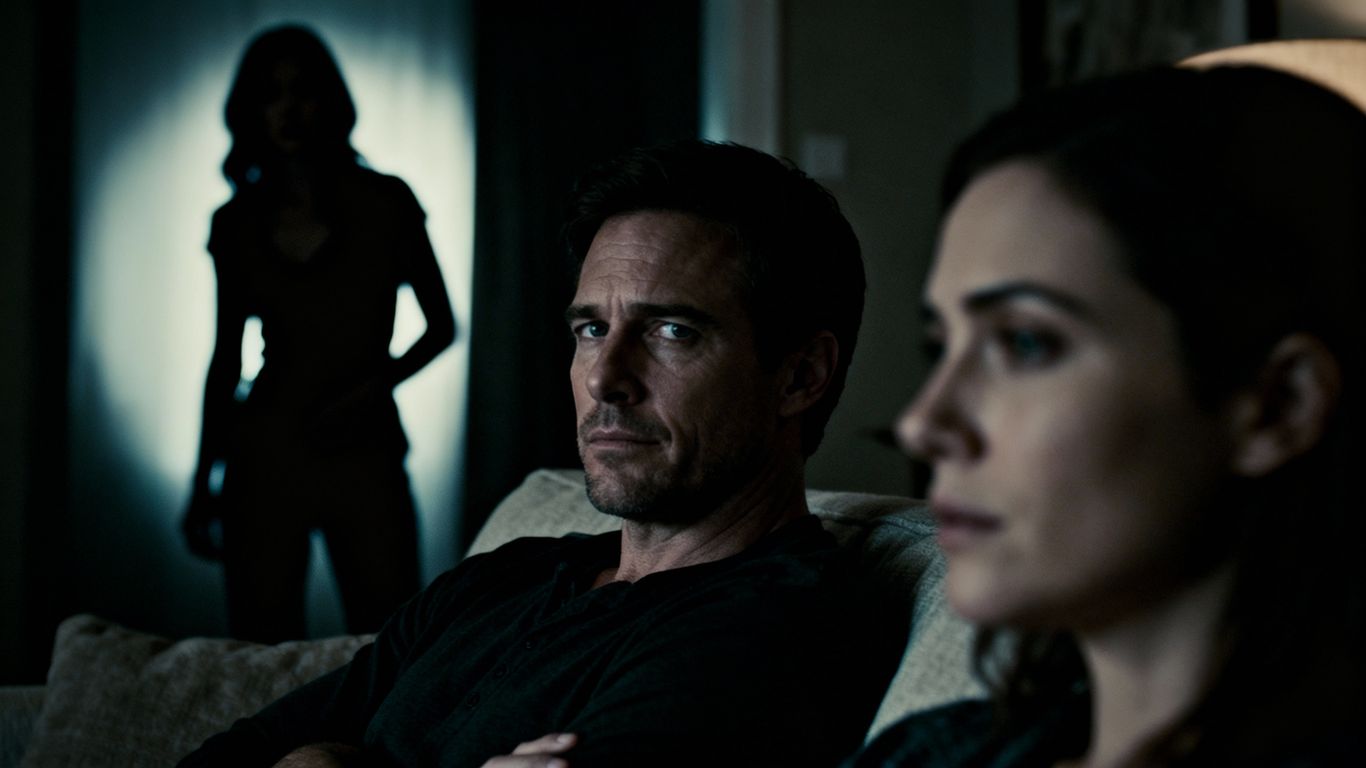
We see them all the time in movies and on TV, don’t we? The person who swoops in, all charm and confidence, to break up a happy couple. It’s a story as old as time, but it feels especially common these days. This archetype, the ‘wife poacher,’ is more than just a plot device; it’s a reflection of certain desires and societal ideas that get played out on screen. Let’s talk about how these characters are shown to us and what that means.
Key Takeaways
- The ‘wife poacher’ is often shown as someone who targets married individuals, aiming to break up existing relationships.
- Motivations for this behavior on screen frequently include the pursuit of wealth, social status, or simply the thrill of conquest.
- Media often portrays these characters with an unrealistic allure, sometimes making their actions seem exciting or even romantic.
- The psychology behind the poacher is sometimes depicted as manipulative, strategic, and lacking empathy, viewing people as objects.
- These portrayals can influence viewers’ perceptions of relationships and infidelity, sometimes normalizing or even glorifying destructive behavior.
Understanding the “Wife Poacher” Archetype
Defining the Spouse Poacher
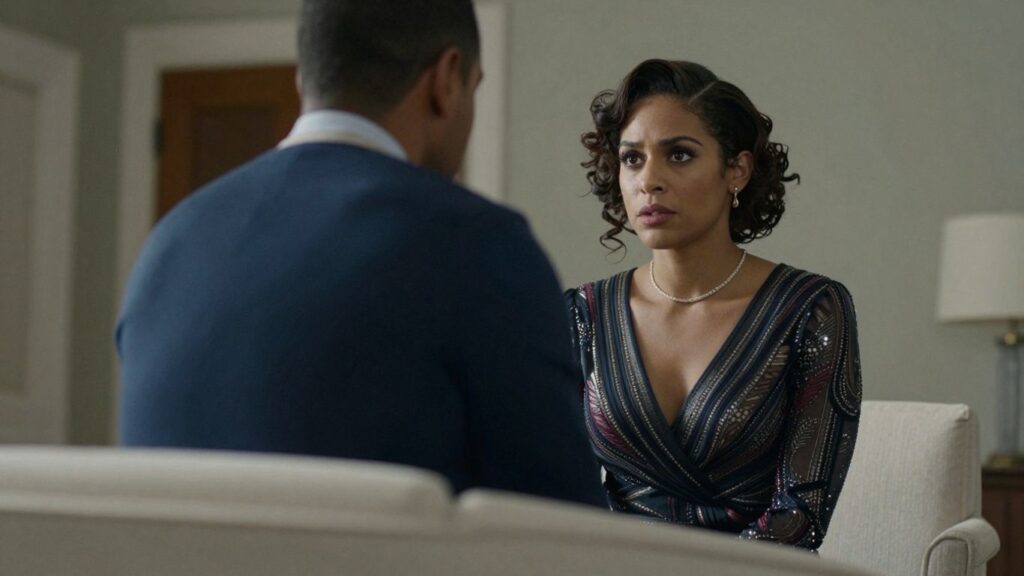
So, what exactly is a “wife poacher”? It’s a term that describes someone who deliberately targets a married individual, aiming to start a romantic or sexual relationship with the ultimate goal of breaking up that marriage and stepping into the shoes of the existing spouse. It’s not a new concept, really. Think about it – the idea of someone trying to lure away a partner has been around forever, showing up in stories and even historical accounts. It’s a bit like the modern-day version of those old stereotypes of homewreckers in media, but with a more calculated approach.
Historical Roots of Mate Poaching
This whole idea of “mate poaching” isn’t just a recent fad. If you look back, you can find examples stretching back centuries.In eras when families arranged marriages for practical reasons like wealth or political ties, many people viewed love matches as risky—or even rebellious. Stories like Romeo and Juliet leaned into that forbidden attraction. Even ancient texts warn people against straying or letting temptation pull them away from their commitments away from your partner. It seems the temptation to pursue someone already committed has always been a part of the human story.
The Modern “Wife Poacher” Emerges
Today, the “wife poacher” often operates with a different set of motivations, though the core behavior is similar. It’s less about grand romantic gestures and more about strategic pursuit. These individuals might actively seek out partners who possess qualities they desire, like financial stability or social standing, seeing the existing marriage as an obstacle to be overcome rather than a sacred bond. The modern iteration often involves a cold, calculated approach to achieving personal gain.
Here’s a look at some common traits:
- Strategic Targeting: Identifying individuals who are perceived as having desirable assets (wealth, status, etc.).
- Exploiting Vulnerabilities: Looking for signs of dissatisfaction or stagnation within existing relationships.
- Calculated Approach: Planning interactions and conversations to build rapport and create an opening.
- Focus on Acquisition: Viewing the target person as an object to be acquired, rather than a person with complex emotions and existing commitments.
Motivations Behind Spouse Poaching

So, why do some people go out of their way to break up a marriage? It’s not usually about love, that’s for sure. Often, the drive comes from a desire for what someone else already has.
The Pursuit of Wealth and Prestige
For many, the main goal is acquiring wealth and social standing. Instead of building it themselves, they see a shortcut by targeting someone who’s already achieved it. Think of fictional characters who steal spouses; they often go for the rich and famous. It’s a calculated move to gain access to a lifestyle they crave, without the hard work. They might scout out wealthy neighborhoods or research successful individuals, looking for an easy target. It’s all about the perceived benefits, not the person’s feelings.
Exploiting Marital Stagnation
Another common tactic is to prey on marriages that have become a bit dull. When a relationship has settled into a routine, it can create an opening. The poacher might step in, offering excitement or attention that’s missing. They’re good at spotting these vulnerabilities and using them to their advantage. It’s a strategic play, knowing that a stable marriage might have weak spots.
Viewing Partners as Objects for Consumption
Perhaps the most unsettling motivation is seeing people as things to be used. This mindset treats potential partners not as individuals with feelings, but as commodities. The focus is entirely on what the person can provide – be it money, status, or simply the thrill of the chase. This objectification allows them to disregard the damage they cause. It’s a cold, hard calculation, where the end goal justifies the means, no matter who gets hurt in the process. This perspective often aligns with certain personality traits, making the pursuit feel less like a personal connection and more like a transaction. It’s a stark reminder of how some fictional characters who steal spouses operate on screen and, unfortunately, sometimes in real life.
Media’s Role in Perpetuating the Archetype
Unrealistic Portrayals of Perfection
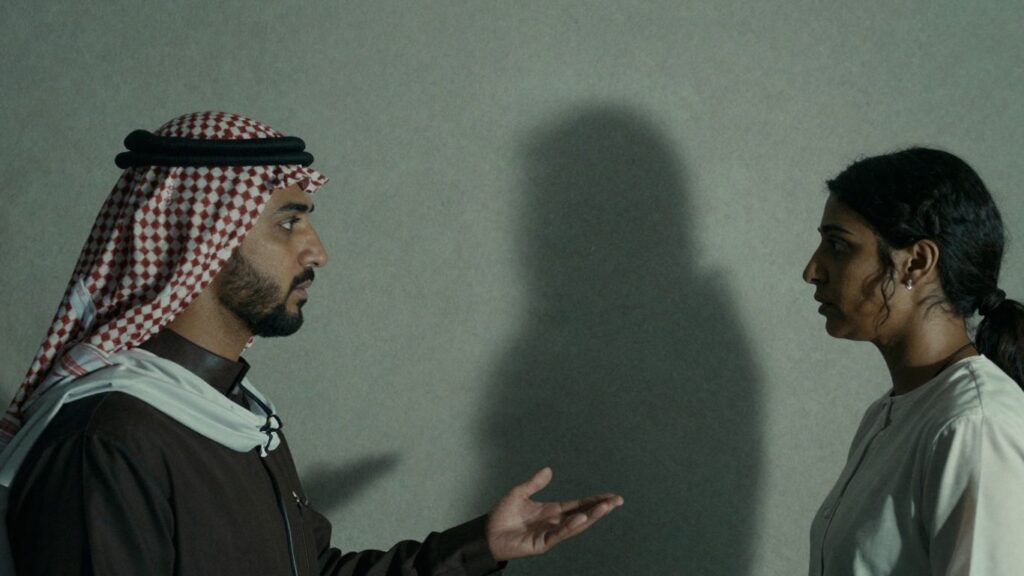
Movies and TV shows often paint a picture of the “wife poacher” as incredibly charming, sophisticated, and almost effortlessly successful. They’re usually depicted as having it all – looks, money, and the ability to sweep anyone off their feet. This kind of media representation of infidelity creates a fantasy that’s far removed from reality. It makes the idea of breaking up a marriage seem less like a destructive act and more like a romantic conquest. We see these characters, and sometimes, it feels like the narrative is telling us this is aspirational, even if it’s harmful.
The Influence of Romance Narratives
Romance stories, in general, have a long history of focusing on obstacles to love. Sometimes, the “wife poacher” fits neatly into this trope, presented as the irresistible force that tests an existing relationship. The portrayal of relationships in film often simplifies complex emotional situations. Instead of exploring the damage caused, the focus stays on the thrill of the chase and the supposed destiny of the new couple. This can make viewers overlook the ethical issues involved, seeing it more as a dramatic plot device than a real-life betrayal.
How Popular Media Portrays the “Wife Poacher” Archetype
When we look at archetypes in popular culture, the “wife poacher” often gets a glamorous makeover. Think about characters who are portrayed as misunderstood rebels or as simply more exciting alternatives to a stable, but perhaps “boring,” marriage. The media rarely shows the messy aftermath – the hurt, the broken trust, the long-term consequences for everyone involved. Instead, the narrative often ends with the “poacher” and the newly “liberated” partner living happily ever after, which is a pretty skewed view of how things usually play out.
Here’s a look at some common ways this archetype is presented:
- The “Better Option”: Portrayed as more exciting, successful, or understanding than the current spouse.
- The Charmer: Possessing irresistible charisma that makes them seem like a dream come true.
- The Catalyst for Change: Their appearance forces the married individual to re-evaluate their life and relationship.
- The Romantic Hero/Heroine: Despite their actions, they are often framed as the true love interest.
“Swing Towns knows what’s up! Finally a platform where like minded people can connect.” -Cboy6983
It’s easy to get caught up in the drama and the fantasy, but it’s important to remember that these are stories. They’re designed to entertain, and sometimes, that means glossing over the real-world impact of actions like spouse poaching.
The Psychology of the “Wife Poacher”
Narcissism and Sociopathic Tendencies
It’s easy to see the “wife poacher” as just a bad person, but there’s often a deeper psychological profile at play. Many individuals who engage in this behavior show traits associated with narcissism or even sociopathy. This isn’t about feeling sorry for them, but understanding the mindset. They often view other people, including married partners, as objects to be used and discarded, rather than individuals with feelings. This lack of empathy allows them to pursue their goals without much regard for the damage they cause. It’s like they’re playing a game, and the stakes are other people’s lives and happiness.
The Thrill of Breaking Marriages
For some, the act of “poaching” a spouse isn’t just about acquiring a new partner; it’s about the power and excitement derived from disrupting an existing union. There’s a certain thrill some individuals get from knowing they can break up a marriage. It’s a twisted sense of accomplishment, a demonstration of their perceived ability to manipulate and conquer. This can be particularly true for those who feel inadequate or overlooked in other areas of their lives; successfully “poaching” someone can feel like a validation of their desirability and power.
Strategic Targeting and Deception
This isn’t usually a spontaneous act. “Wife poachers” are often quite strategic. They identify targets who possess qualities they desire, like wealth, status, or a certain lifestyle, and then they meticulously plan their approach. This involves a lot of observation and calculated moves. They might study the target’s habits, interests, and even their partner’s weaknesses to find an opening. Deception is a key tool in their arsenal; they’ll often present a carefully crafted persona to win over their target, hiding their true intentions and the potential harm they represent.
- Observation: Watching the target’s daily routine and social interactions.
- Information Gathering: Researching the target’s background, interests, and marital status.
- Persona Creation: Developing an appealing image to attract the target.
- Opportunity Seizing: Waiting for the right moment to make their move, often exploiting existing marital issues.
“I am enjoying swingtown and the way it is run. Hope to meet some great people who enjoy healthy sexy fun together. Life is tooo short not to.” -teaser71902
Consequences and Societal Impact
So, what happens when these “wife poachers” make their move, and what does it mean for us as a society? It’s not just about one couple breaking up; it’s about a ripple effect that can really mess things up.
The Destructive Nature of Poaching
At its core, spouse poaching is pretty destructive. It often involves manipulation and a disregard for the existing commitment and emotional bonds. Think about the fallout: the pain for the betrayed spouse, the potential damage to children if there are any, and the instability it introduces into families and social circles. It’s not a victimless crime, even if it doesn’t involve physical harm. The trust that’s broken can be incredibly hard to rebuild, and the emotional scars can last a long time. It’s like a wrecking ball swung at the foundation of a relationship, and sometimes, the whole structure comes down.
The Rise of Spouse Poaching
It feels like this kind of behavior is becoming more common, or at least more visible. Maybe it’s the way media portrays relationships, or perhaps it’s just a reflection of changing social norms. We see it in movies and TV shows, where the “other person” is often glamorized or presented as a more exciting option. This can normalize the idea that it’s okay to pursue someone who is already taken. The ease of connection through social media also plays a part, making it simpler for individuals to initiate contact and build relationships outside of existing partnerships. It’s a complex issue with a lot of moving parts, and understanding how popular media portrays the “wife poacher” archetype is a big piece of that puzzle.
Protecting Against the Archetype
So, how do we guard against this kind of disruption? It starts with strong communication and commitment within relationships. Being aware of the signs and understanding the motivations behind spouse poaching can help. It’s also about fostering a sense of security and satisfaction in one’s own partnership, making it less appealing for external forces to interfere. Building resilience is key. This means:
- Openly discussing relationship boundaries and expectations.
- Actively nurturing the connection with your partner through shared activities and quality time.
- Developing a strong sense of self-worth independent of the relationship.
“This is an amazing place to explore and experience. The best online platform for swinging.” -Decentfinder
It’s also about recognizing that sometimes, people are just looking for a thrill, and that thrill comes at someone else’s expense. Being aware of this dynamic can help you stay grounded and protect what you have.
Wrapping It Up
So, we’ve talked a lot about this ‘wife poacher’ idea, how it shows up in movies and TV, and honestly, how it can feel pretty real sometimes. It’s easy to see these characters and think they’re just made up for drama, but the truth is, the motivations behind them – wanting more, feeling unfulfilled, or just being plain manipulative – are things people actually deal with. Media loves a good archetype, and this one definitely sticks around because it taps into some deep-seated fears and desires. While we might not see someone literally trying to ‘poach’ a spouse every day, the underlying themes of temptation, dissatisfaction, and the choices people make are always there, playing out on screen and, well, sometimes off it too. It just goes to show how stories we watch can reflect and even shape how we see the world and the relationships in it.
Frequently Asked Questions
What exactly is a “wife poacher”?
A “wife poacher” is someone who tries to break up a marriage. They specifically target a married person, hoping to start a romantic or sexual relationship with them. Their goal is to eventually replace the person’s spouse.
Why do people become “wife poachers”?
Often, people who do this are looking for an easy way to gain wealth, social status, or a more comfortable life. They might see a married person who already has these things and try to take them away from the original spouse, rather than working to achieve them on their own.
Are “wife poachers” portrayed realistically in movies and TV shows?
Not always. Media sometimes shows these characters as charming or even romantic figures. This can make their actions seem less harmful than they really are. Real-life “wife poaching” can cause a lot of pain and damage to families.
What kind of personality traits might a “wife poacher” have?
Some studies suggest that people who engage in this behavior might be self-centered or manipulative. They might enjoy the challenge of breaking up a marriage or see other people as tools to get what they want.
How does media influence our ideas about relationships and marriage?
Movies and TV shows often present perfect, fairytale romances. This can set unrealistic expectations. When real relationships face challenges, people might mistakenly think they married the wrong person, making them more open to someone new.
What can people do to protect themselves from “wife poachers”?
It’s important to be aware that this behavior exists. Strengthening your own marriage, communicating openly with your partner, and being cautious about attention from strangers or new acquaintances can help. Also, understanding that media portrayals aren’t always real can prevent misunderstandings.
Stories That Shape Belief — How Media Reinforces the Wife Poacher Myth
Explore a community where relationship narratives are examined with honesty, nuance, and accountability. Connect with people who value consent, clear boundaries, and thoughtful discussion beyond media-driven myths. Discover conversations and events designed to support healthier perspectives on relationships and infidelity. Sign up for a free account on SwingTowns to begin your adventure.
“I recommend swingtowns because it’s the first site that even as a free profile you can still connect with ppl. I have since upgraded to lifetime but me and my wife have met some really fun cpls since we started on this site so we fully recommend swingtowns.” -TheRowan


