
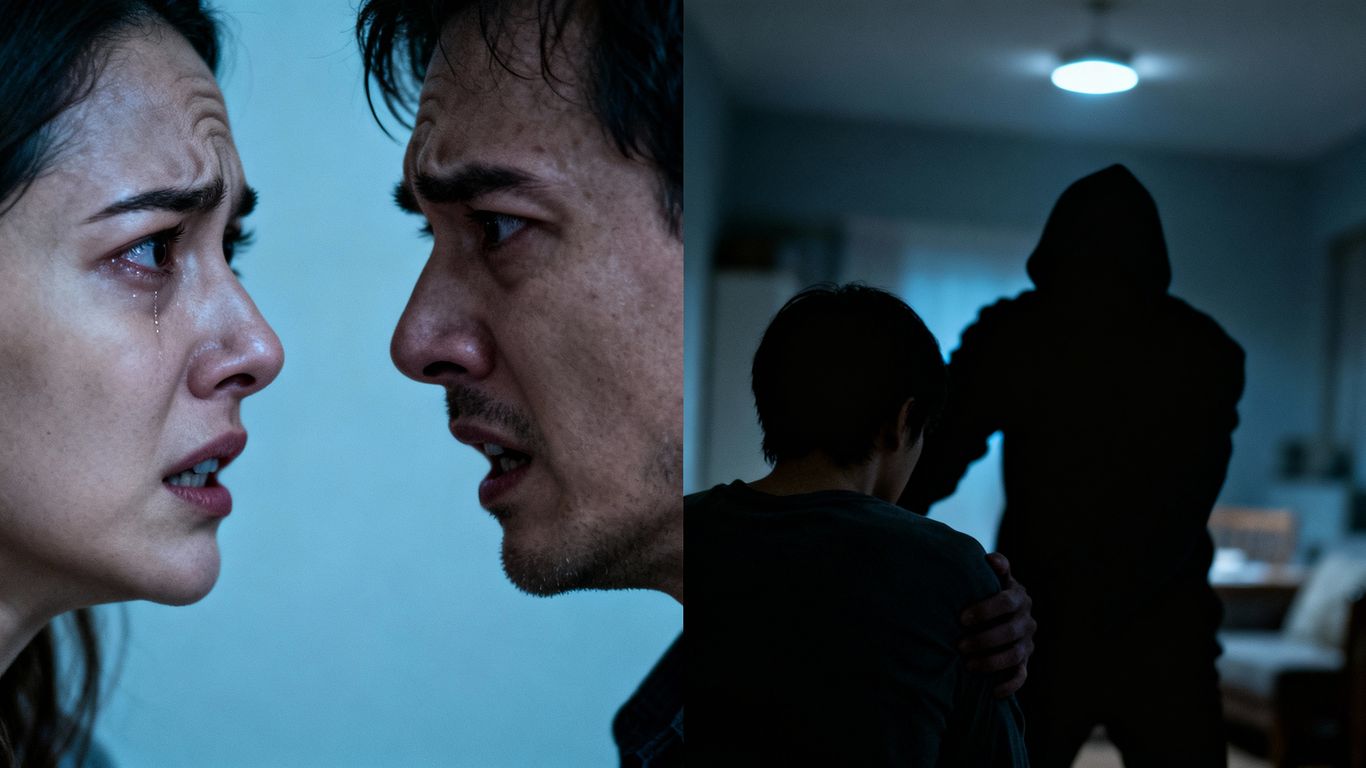
It’s easy to get confused when relationships go sideways. We hear a lot about infidelity, but what about when someone actively tries to break up a couple? This article looks at both infidelity and what’s called mate poaching. We’ll break down why people do these things and, importantly, where the responsibility lands when trust is broken. It’s a messy topic, and understanding the different pieces can help make sense of it all.
Key Takeaways
- Infidelity often involves self-deception and externalizing blame, where individuals create stories to justify their actions, sometimes believing these lies themselves.
- Mate poaching involves actively trying to lure someone away from an existing relationship, often using charm and exploiting dissatisfaction, with the poacher bearing significant responsibility.
- While the person engaging in infidelity is primarily accountable for their actions, the mate poacher plays a role in influencing a committed partner and creating opportunities for betrayal.
- The impact on the betrayed partner is profound, involving emotional devastation, a struggle to rebuild trust, and the potential for manipulation like gaslighting.
- Understanding the motivations behind both infidelity and mate poaching, including emotional processing, fear, and even reproductive strategies, helps clarify where accountability truly lies.
Understanding The Psychology Of Infidelity

The Deceptive Mindset Behind Affairs
It’s easy to think of infidelity as a simple act of betrayal, but the psychology behind it is often far more complex. Many people who engage in affairs, even those who report being happily married, develop a sophisticated internal narrative to justify their actions. This isn’t about excusing the behavior, but rather understanding the mental gymnastics involved. The mind creates elaborate justifications to avoid confronting the harsh reality of the situation. This often involves a process of self-deception, where the individual begins to believe their own rationalizations. It’s like building a house of cards; each lie supports the next, creating a fragile but seemingly stable structure that allows the affair to continue without overwhelming guilt.
Externalizing Blame: A Common Tactic
One of the most frequent psychological maneuvers in infidelity is externalizing blame. Instead of taking direct responsibility, the person having the affair often points fingers elsewhere, most commonly at their spouse. They might focus on perceived shortcomings in the marriage, even if those issues are minor or have been discussed and are being worked on. This tactic allows them to maintain a positive self-image, casting themselves as the wronged party or the one whose needs are not being met, rather than the one actively causing harm. It’s a way to sidestep the discomfort of acknowledging their own choices and the pain they are inflicting. This is a key part of the affair fog that can cloud judgment.
The Role Of Self-Deception In Affairs
Self-deception plays a massive role in maintaining an affair. The individual might convince themselves that the affair is a temporary phase, that no one will get hurt, or that their primary relationship is already over. They might also minimize the emotional connection with the affair partner or exaggerate the problems in their marriage. This internal narrative is crucial for managing cognitive dissonance – the mental discomfort experienced when holding conflicting beliefs, values, or attitudes. By distorting reality, they can continue the affair while still seeing themselves as a good person. It’s a delicate balancing act, and the longer the affair continues, the more ingrained these self-deceptive beliefs become.
The Art Of Mate Poaching Explained
So, what exactly is mate poaching? Think of it as actively trying to lure someone away from their current relationship. It’s not just a human thing; animals do it too. Across different cultures, people have been observed trying to “steal” a partner. It can be a pretty dramatic and risky business, honestly. You’re often looking at a higher chance of rejection, especially if the person you’re interested in is really committed to their partner. Plus, it’s a high-drama situation, with lots of strong feelings and potential stress or guilt for everyone involved. There’s even a risk of retaliation from the jilted partner or just general social disapproval.
Identifying The Mate Poacher’s Tactics
Mate poachers often use subtle, sometimes sneaky, methods. It might start with a lingering look or some playful flirting. They might also try to get close by asking for help, maybe with work stuff, and then slowly build a friendship. Over time, the conversations can become more personal and probing, testing the waters for dissatisfaction in the existing relationship. It’s interesting because many people who do this are already in relationships themselves. They might even act extra affectionate with their current partner to avoid suspicion while they’re pursuing someone else.
The Allure And Deception Of Poachers
Research suggests that people who engage in mate poaching often score high on certain personality traits, like narcissism or psychopathy. They can be quite charming and attractive, which makes sense if their goal is to snag a desirable partner. Some are openly flirtatious, while others are more indirect. It’s been noted that they might even prefer partners who are already taken, perhaps because another person’s choice signals desirability. This idea is sometimes called “mate-choice copying.” It’s like they’re thinking, “If someone else wants them, they must be good.”
Permissive Environments And Their Role
Mate poachers tend to do better in what’s called a “permissive environment.” This is basically a setting where people are more open to relationships, even if someone is already committed. Workplaces, for example, can sometimes become these kinds of environments. The more people interact in shared spaces, the more opportunities there are for a poacher to identify potential targets. It’s a bit like a reproductive strategy, and for some, the thrill of the pursuit and the potential “win” can be quite addictive, similar to gambling. It’s a complex dance of attraction, strategy, and sometimes, a bit of calculated risk.
Infidelity vs. Poaching: Where Responsibility Really Lies

When we talk about affairs, it’s easy to get tangled up in who did what. But let’s break down the difference between infidelity and mate poaching, and figure out where the responsibility actually sits. It’s not always as simple as pointing a finger.
Individual Accountability In Affairs
At its core, infidelity is about a breach of trust within a committed relationship. The person who cheats is making a choice to engage in a sexual or emotional relationship outside of their partnership. This choice, regardless of the circumstances, rests squarely on the shoulders of the individual involved. Even if someone feels unhappy or neglected in their marriage, the act of cheating is a personal decision. It’s about crossing established ethical boundaries in relationships. Excuses about feeling unloved or misunderstood don’t erase the fact that a commitment was broken.
The Poacher’s Influence On A Committed Partner
Mate poaching, on the other hand, involves a third party actively trying to lure someone away from an existing relationship. This person, the “poacher,” often uses charm, manipulation, or other tactics to break down the existing bond. While the poacher is certainly acting unethically, they aren’t the one who made the initial commitment. The person in the relationship who chooses to engage with the poacher is still the one breaking their vows. Think of it this way: the poacher might offer a tempting dessert, but it’s the committed partner who decides to take a bite.
Examining The Motivations Of Both Parties
Understanding the motivations behind both infidelity and poaching is key to seeing where responsibility lies. Infidelity can stem from a variety of personal issues, like a fear of intimacy, a need for validation, or simply poor emotional regulation. The poacher’s motivations are often rooted in a desire for a high-value partner, sometimes driven by personality traits like narcissism or a competitive spirit. However, no matter how persuasive or alluring a poacher might be, the ultimate decision to betray a partner remains with the individual in the relationship. It’s a complex dance, but the music starts with the choices made by those already partnered.
Here’s a simple way to look at it:
- The Cheating Partner: Directly responsible for breaking their commitment. They made the choice to engage in infidelity.
- The Mate Poacher: Responsible for their unethical actions in trying to break up a relationship. They are a catalyst, but not the primary breaker of vows.
- The Relationship: Suffers the consequences of these choices, regardless of who initiated what.
“My husband and I joined Swingtowns a couple of years ago. We are new to this lifestyle and were a little apprehensive in getting involved in something like this, but we wanted to spice up our sex life and bite the bullet. We have met some wonderful respectful people and have become friends with everyone we met.” -Needtocome
The Impact On The Betrayed Partner
Finding out your partner has been unfaithful is like a punch to the gut. It’s a deeply unsettling experience that shakes the very foundation of what you thought was real. The emotional fallout can be intense, leaving you feeling lost, angry, and questioning everything.
The Devastating Emotional Fallout
When betrayal happens, it’s not just about the act itself; it’s about the shattering of trust. You might feel a whirlwind of emotions: shock, disbelief, intense sadness, and a burning anger. It’s common to replay conversations, scrutinize past events, and wonder how you missed the signs. This period is often marked by a profound sense of insecurity and a loss of self-worth. The feeling of being deceived can be incredibly isolating. You might also experience physical symptoms like trouble sleeping, loss of appetite, or a constant knot in your stomach. It’s a lot to process, and there’s no quick fix for the pain.
Navigating Trust After Betrayal
Rebuilding trust after infidelity is a long and difficult road. It requires a genuine commitment from the person who strayed to be transparent and accountable. This means open communication, no more secrets, and a willingness to answer tough questions, even when it’s uncomfortable. For the betrayed partner, it means learning to let go of the constant suspicion, which is easier said than done. It’s about observing actions over time, not just listening to words. Sometimes, this involves setting clear boundaries and sticking to them, even if it feels harsh.
Here are some things that can help in the process:
- Open and honest communication: Both partners need to feel safe expressing their feelings without judgment.
- Transparency: The partner who cheated must be willing to share information about their whereabouts, communications, and activities.
- Patience: Healing and rebuilding trust don’t happen overnight. It takes consistent effort and time.
- Professional help: A therapist can provide tools and guidance for both individuals and the couple.
Recognizing Manipulation And Gaslighting
Sadly, sometimes the betrayal is compounded by attempts to manipulate or gaslight the betrayed partner. This is when the person who cheated tries to make you doubt your own reality or memory. They might deny what happened, twist the facts, or even blame you for their actions. It’s important to be aware of these tactics. If your partner is constantly making you feel like you’re overreacting, crazy, or that it’s somehow your fault, that’s a major red flag. Relationship betrayal and accountability are key here; if accountability is avoided through manipulation, the damage is even deeper.
Swingtowns is incredible, I have met many awesome couples and single females on here. I recommend this site to anyone in the lifestyle! -MrMsBullDurham
Here’s a look at how accountability can differ:
| Behavior Type | Remorseful Partner | Unrepentant Partner |
|---|---|---|
| Taking Responsibility | Owns actions, acknowledges pain caused. | Makes excuses, blames others, minimizes impact. |
| Communication | Transparent, answers questions honestly. | Evasive, lies, withholds information. |
| Empathy | Tries to understand betrayed partner’s feelings. | Dismisses feelings, focuses on own discomfort. |
| Change | Actively works on personal issues, makes amends. | Promises change but reverts to old behaviors. |
| Focus | Healing the relationship and the betrayed partner. | Avoiding consequences, self-preservation. |
Underlying Factors Contributing To Infidelity
It’s easy to point fingers when infidelity happens, but the reality is usually more complicated. There isn’t just one reason someone might stray. Often, it’s a mix of things going on inside a person, within the relationship itself, and even in the environment around them. Thinking about the blame for affair starting involves looking at all these pieces.
Emotional Processing And Control
Sometimes, people struggle with how they handle their own feelings. This can lead them to seek comfort or validation outside their primary relationship. It’s not always about a lack of love for their partner, but more about an inability to manage internal distress or unmet emotional needs. Difficulty in processing emotions can manifest as seeking external sources for happiness or a sense of being understood.
The Paradox Of Happy Marriages And Affairs
It might seem strange, but people in seemingly happy marriages can still have affairs. This isn’t necessarily a sign that the marriage isn’t happy, but rather that individual needs might not be fully met, or that opportunities arise that are difficult to resist. Sometimes, it’s about seeking novelty or a different kind of connection, even when the existing relationship is generally good. The presence of an attractive alternative partner, especially in environments with many social interactions, can play a significant role.
Fear And Self-Sabotage In Relationships
For some, infidelity can be a form of self-sabotage. This might stem from a fear of intimacy, a fear of being truly known, or even an unconscious belief that they don’t deserve a happy, stable relationship. When someone is afraid of getting too close or fears abandonment, they might unconsciously create distance or chaos, and an affair can be a way to do that. It’s a complex psychological dance where the fear of being hurt leads to actions that ultimately cause hurt.
Here’s a look at some common contributing factors:
- Relationship Dissatisfaction: This is a big one. Feeling unappreciated, lacking emotional support, or experiencing a decline in intimacy can push someone to look elsewhere.
- Individual Personality Traits: Certain traits, like being more open to new experiences or having a higher need for external validation, can increase the likelihood of infidelity.
- Opportunity: Simply put, if the chance to connect with someone else arises, and the other factors are present, infidelity becomes more possible.
“Wow!! This site is absolutely amazing. Me and my lady have met some fun sexy people on here and got some great feedback from other couples about our profile.” -JessnOsc77
Mate Poaching: A Deeper Dive

Personality Traits Of Mate Poachers
So, what kind of person tends to go after someone who’s already taken? Research points to a few common personality markers, often grouped under what’s called the “Dark Triad.” This includes traits like Machiavellianism (being manipulative and cunning), narcissism (an inflated sense of self-importance), and psychopathy (a lack of empathy and impulsivity). People with these traits might be more inclined to pursue a partner who’s already in a relationship because they’re less concerned about the ethical implications or the potential fallout. They might also have a history of unstable relationships themselves, making them more open to, or even seeking out, these kinds of risky pursuits. It’s not always overt, though. Some poachers are incredibly subtle, using charm and calculated moves to get what they want.
The Mate-Switching Hypothesis
This idea suggests that some people, particularly women, might see someone already in a committed relationship as a more desirable prospect. It’s like a signal of quality – if someone else has already chosen this person, they must be a good catch. This is sometimes called “mate-choice copying.” The “mate-switching hypothesis” takes it a step further, proposing that individuals might actively look to “trade up” by pursuing a partner who is perceived as having higher status or better qualities than their current partner. It’s a strategy that aims for a better outcome, essentially looking for a more advantageous pairing.
Mate Poaching As A Reproductive Strategy
From an evolutionary perspective, mate poaching can be viewed as a strategy to secure a desirable mate, especially when direct competition might be too risky or less likely to succeed. It’s a way to gain access to a high-quality partner who might otherwise be unavailable. This behavior isn’t just a human thing; it’s observed in the animal kingdom too. For humans, it can be a high-stakes game. Success can bring a rewarding partnership, but failure can lead to social disapproval, conflict, or being left out in the cold. The allure of a “forbidden” connection can be powerful, tapping into reward-seeking circuits in the brain, similar to those involved in gambling. It’s a risky but potentially high-reward approach to finding a mate.
Here’s a look at some common tactics:
- Subtle Flirtation: Gentle teasing, prolonged eye contact, and compliments that hint at more.
- Creating Opportunities: Finding reasons to interact, like asking for help with a work task or engineering casual encounters.
- Information Gathering: Probing for signs of dissatisfaction in the target’s current relationship to find an opening.
- Emotional Intimacy: Gradually shifting conversations to more personal and intimate topics to build a connection.
“So far it’s been a fun way to connect with like minded people. In a open, judgement free environment. Lots of people to get to know.” -StaggerinVixen86
Wrapping It Up
So, we’ve looked at why people cheat and how some folks actively try to break up relationships. It’s messy, and honestly, it’s easy to get caught up in the drama or the excuses. But at the end of the day, even when things get complicated and emotions run high, individuals are still responsible for their own actions. Understanding the psychology behind affairs and poaching doesn’t excuse the behavior, but it can help us see how easily people can get lost in their own heads, making choices that hurt others. It’s a tough reminder that while we can’t control what others do, we can definitely focus on our own choices and how we treat people.
Frequently Asked Questions
What’s the main difference between cheating and ‘mate poaching’?
Cheating is when someone in a relationship breaks their commitment by being with someone else. Mate poaching is more about actively trying to lure someone away from their existing relationship. It’s like one person is just straying, while the other is trying to steal them away.
Why do people cheat even when they say they’re happy in their relationship?
It’s complicated! Sometimes, people cheat because they struggle to handle their emotions or feel a lack of control in their lives. They might tell themselves stories or make excuses to justify their actions, even if their marriage seems fine on the outside. It often comes down to internal feelings rather than just relationship problems.
What kind of person usually tries to ‘poach’ someone else’s partner?
People who try to poach often have certain personality traits. They might be charming and good at making others feel special, but they can also be a bit selfish or manipulative. They might see a committed person as a prize and enjoy the challenge of winning them over, sometimes without much thought for the person they’re hurting.
Is it always the ‘poacher’s’ fault when someone cheats?
Not entirely. While the poacher might tempt or encourage someone, the person in the relationship still makes the choice to cheat. Both individuals have their own responsibilities. The poacher influences, but the cheating partner acts on that influence.
What happens to the person who is cheated on?
It’s incredibly painful. The betrayed partner often feels shocked, hurt, and loses trust. They might question everything and struggle to understand why it happened. It can take a long time to heal and learn to trust again, and sometimes they might even be manipulated or made to doubt their own feelings.
Can people who cheat ever be trusted again?
Rebuilding trust is very hard and takes a lot of effort from the person who cheated. They need to show they are truly sorry, understand why they messed up, and make real changes. It’s not just about saying sorry; it’s about proving through actions that they are committed to being trustworthy.
Clarity Over Scapegoats — How Accountability Shapes Infidelity
Explore a community where relationship ethics are discussed with honesty, nuance, and accountability. Connect with people who value consent, boundaries, and responsibility over blame-driven labels. Discover conversations and events designed to support clearer thinking around infidelity and trust. Sign up for a free account on SwingTowns to begin your adventure.
“Swingtowns is fun and interesting for all kinds of cats! There a plenty of friendly folks and no pushy pests. Plenty of flavors for every occasion.” -FreakyFux


