

Navigating relationships outside the typical monogamous mold can bring up a lot of questions, especially when it comes to how open you want to be. For some, keeping their non-monogamous lifestyle private feels like the safest bet. Others choose to be upfront about it with everyone they know. This difference between a ‘closet swinger’ and an ‘open swinger’ shapes how people experience their relationships, their connections with others, and the challenges they might face. Let’s break down what that really looks like.
Key Takeaways
- A ‘closet swinger’ keeps their non-monogamous relationships private, often for personal safety or to avoid judgment. An ‘open swinger’ is public about their relationship choices.
- The decision to be private or public often comes down to a desire for safety versus a need for social acknowledgment and freedom from shame.
- Being open about non-monogamy can lead to social challenges and stigma, including fears about professional repercussions and societal misunderstandings.
- Visibility can help normalize diverse relationship structures and build trust through authenticity, but it’s a personal choice that doesn’t always feel safe or accessible.
- The main differences between closet and open swingers lie in their approach to privacy, self-protection versus advocacy, and how their internal relationship experiences are presented externally.
Understanding Closet Swinger vs. Open Swinger Dynamics
When we talk about the lifestyle, it’s not a one-size-fits-all situation. There are distinct ways people approach swinging and consensual non-monogamy. Understanding these differences is key to grasping the whole picture. We’re looking at the spectrum from those who keep their activities private to those who are more public about their relationships. This helps us get a handle on the various understanding swinging relationship types out there.
Defining the Closet Swinger Experience
The closet swinger is someone who participates in swinging or other forms of consensual non-monogamy but keeps this aspect of their life very private. This often means that friends, family, and colleagues are unaware of their activities. The reasons for this can be varied, ranging from a general desire for personal privacy to concerns about potential judgment or repercussions. It’s about compartmentalizing different parts of one’s life. This approach prioritizes discretion above all else.
The Open Swinger’s Path to Visibility
On the other hand, the open swinger chooses to be more public about their relationship style. This doesn’t necessarily mean broadcasting every detail, but rather being open to discussing it with people in their lives, perhaps even introducing partners or acknowledging their relationships more openly. This visibility can stem from a desire for authenticity and a belief in normalizing diverse relationship structures. It’s about integrating this part of their identity rather than hiding it. This is a big part of navigating open vs discreet swinging.
Motivations for Remaining Private
Why do some people choose the closeted route? Several factors come into play:
- Fear of Judgment: Worrying about how friends, family, or employers might react can be a significant deterrent.
- Professional Concerns: Some individuals fear that being open about their lifestyle could negatively impact their career prospects or current job.
- Personal Safety: In certain environments, revealing non-monogamous activities might feel unsafe or lead to unwanted attention.
- Desire for Normalcy: Some may simply prefer to keep their private life separate to maintain a sense of normalcy in other areas of their life.
“This is the best site we have found! Easy to navigate and easy to make great long lasting memories and friends!” -julwil8182
Understanding these different approaches helps clarify the nuances within the broader topic of swinger relationship dynamics explained. It highlights that the open vs closet lifestyle terms represent different choices made for different reasons.
Reasons for Embracing Openness
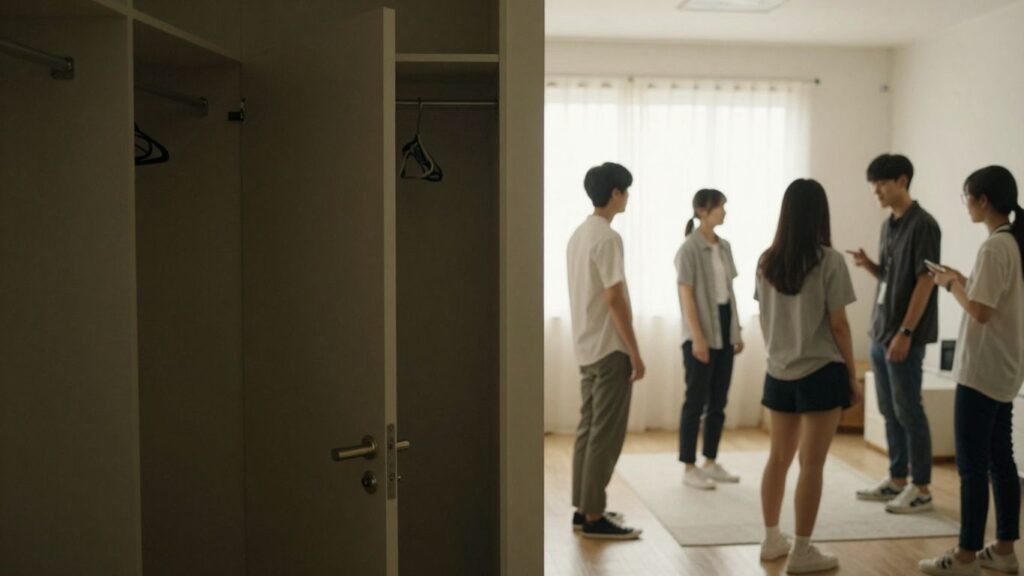
Choosing to be open about non-monogamous relationships isn’t always a simple decision. For many, it’s a path taken after weighing the benefits against the potential downsides. It often stems from a deep-seated need to live authentically and to see their relationships recognized.
The Desire for Social Acknowledgement
Humans are social creatures, and acknowledging our relationships is a pretty fundamental part of that. When you’re in a non-monogamous setup, keeping it hidden can feel like you’re constantly editing yourself. Imagine having a significant partner, someone you share your life with, but you can’t mention them in casual conversation or introduce them to friends. It’s like hiding a huge part of who you are. This need for social acknowledgment is a powerful driver for many to come out. It’s about wanting the same basic recognition that monogamous couples often take for granted, like being able to talk about your weekend plans or introduce your partner without a second thought. It’s about wanting your chosen family to be seen and accepted, not kept in the shadows. This desire for validation is a key reason why people move from the closet to being out and proud about their relationships.
Freedom from Secrecy and Shame
Living a double life, or constantly worrying about who might find out what, is exhausting. The secrecy that often surrounds closeted non-monogamy can breed feelings of shame and isolation. When you can’t be open about your relationships, you might feel like you’re doing something wrong, even if it’s consensual and ethical. Shedding that secrecy brings an immense sense of relief. It means no longer having to lie or omit details, and no longer feeling like you’re carrying a shameful secret. This freedom allows individuals to integrate all parts of their lives, leading to a more cohesive and less stressful existence. It’s about reclaiming your narrative and living without the constant burden of potential exposure. This liberation is a major draw for those who choose to embrace openness.
Normalizing Diverse Relationship Structures
Beyond personal relief, there’s a broader motivation for many to be open: the desire to normalize non-monogamous relationships. By living openly, individuals challenge societal stereotypes and misconceptions. They show that diverse relationship structures are not inherently problematic or immoral. This visibility can help others who are also practicing non-monogamy feel less alone and can encourage greater acceptance within society. It’s a form of advocacy, even if unintentional, that contributes to a wider understanding and acceptance of different ways people form loving connections. This can lead to more comfortable connections and reduce misunderstandings within the broader community [f93b].
Here’s a look at some common misconceptions that openness helps to address:
- Misconception: Non-monogamous people are just looking for more sex.
- Reality: While sex can be a component, many non-monogamous relationships are built on deep emotional intimacy, companionship, and shared life goals.
- Misconception: Non-monogamy is a sign of immaturity or an inability to commit.
- Reality: Ethical non-monogamy requires a high degree of communication, self-awareness, and commitment to all partners involved.
- Misconception: Non-monogamous relationships are inherently unstable or lead to jealousy.
- Reality: While jealousy can occur, it’s often managed through open communication and established boundaries, just as in monogamous relationships.
Challenges and Stigma Faced by Non-Monogamous Individuals

Let’s be real, living outside the typical relationship box isn’t always a walk in the park. There’s a whole heap of stuff non-monogamous folks have to deal with that folks in monogamous relationships often don’t even think about. It’s like, you’re already figuring out your relationships, and then you’ve got this whole other layer of societal stuff to manage.
Fear of Professional and Personal Repercussions
This is a big one. People worry a lot about what their boss might think, or even their family and friends. Imagine having to hide a significant part of your life just to keep your job or avoid awkward family dinners. It’s not just about being judged; it can actually have real-world consequences. Some jobs have rules about ‘moral conduct,’ and being openly non-monogamous could put you in a tricky spot, especially if you’re going through something like a divorce or custody battle. It feels like you’re constantly walking on eggshells, trying not to let anything slip that could cause trouble.
Societal Stereotypes and Misconceptions
Oh, the stereotypes. They’re everywhere. People often jump to conclusions, thinking non-monogamy is just about having a wild sex life or being unable to commit. It’s frustrating because it completely misses the point for many people who are building deep, meaningful connections. Women, in particular, sometimes worry about being seen as promiscuous or having their success attributed to sleeping around, which is just unfair. It’s like society has this one-size-fits-all idea of what relationships should look like, and anything else is automatically viewed with suspicion.
Navigating Discrimination and Judgment
Beyond just stereotypes, there’s actual discrimination. It can be subtle, like people making assumptions or giving you side-eye, or it can be more overt. We’ve heard stories about people being reported to social services just for their relationship structure, which is pretty wild. It means that even when you’re trying to live your life honestly, you might face judgment or even official scrutiny. It’s a constant battle to be seen as a normal person with valid relationships, not some kind of social pariah.
“The Swingtowns community has been a major source of inspiration for many years now and has become one of the most popular destinations for swing communities” -Thunderdicka
Here’s a quick look at some common worries:
- Workplace: Fear of losing a job or not getting promoted.
- Family: Potential for estrangement or disapproval from parents, siblings, or extended relatives.
- Friendships: Losing friends who don’t understand or accept the lifestyle.
- Housing: Difficulty finding landlords who are accepting of non-traditional family structures.
- Legal: Concerns about child custody or other legal matters where relationship status might be scrutinized.
The Impact of Visibility on Relationships
Authenticity in Personal Connections
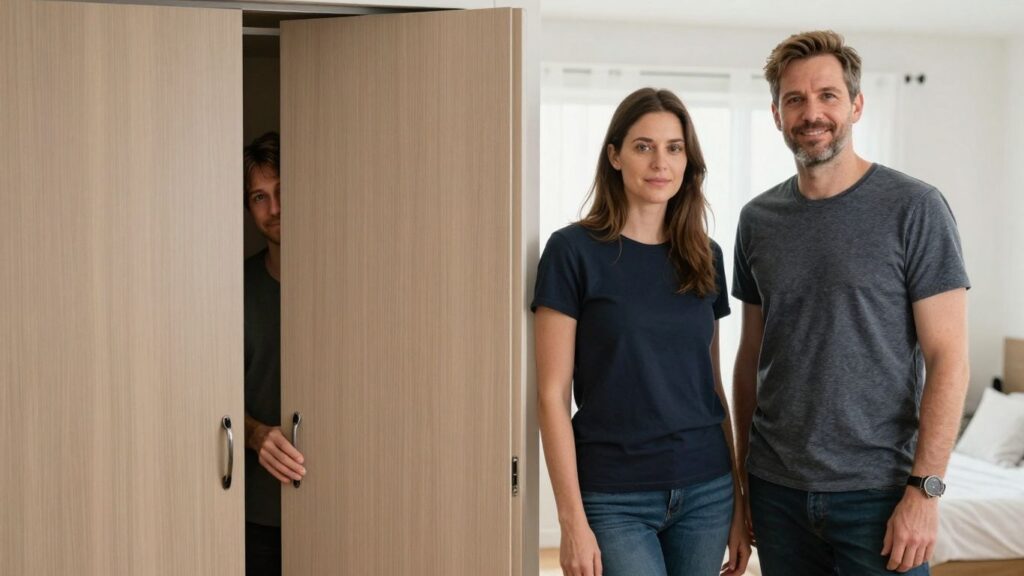
When people in non-monogamous relationships choose to be open about their choices, it often leads to a more genuine way of connecting with others. Hiding a significant part of your life, like who you’re romantically or intimately involved with, can feel like you’re not being fully yourself around friends and family. It’s like constantly holding your breath, waiting for something to slip out. Being visible means you can talk about your partners, your dates, and your relationship dynamics without that underlying fear. This allows for deeper, more honest conversations and connections because you’re not editing yourself. It can feel really freeing to just be able to say, “Oh, I’m going to my girlfriend’s place this weekend” or “My husband and I are meeting his other partner for dinner.” It removes a layer of performance and allows for more realness.
Building Trust Through Openness
Trust is a big deal in any relationship, and for those practicing consensual non-monogamy, openness can be a cornerstone of that trust. When you’re upfront about your relationships and your intentions, it shows respect for the people you’re involved with and for those in your social circle. It means there are no hidden agendas or secrets that could later cause hurt. This transparency can actually strengthen bonds, as everyone involved understands the landscape of the relationships. It’s about creating a shared understanding, where agreements are clear and communication is regular. This doesn’t mean oversharing every detail, but rather being honest about the structure and the people involved.
The Role of Social Support Systems
Having a solid support system makes a huge difference, especially when you’re living outside of traditional relationship norms. When you’re open about your non-monogamous lifestyle, you’re more likely to find and connect with others who understand and accept you. This can include friends, family members who are supportive, or even online communities. These connections provide a safe space to share experiences, ask for advice, and feel validated. Without this network, the isolation can be tough, and the stigma can feel heavier. Finding your people, those who celebrate diverse relationship structures, is incredibly important for well-being.
“Swingtowns is hands down the best community that I have had the pleasure to be a part of. Would recommend this website to anyone in the lifestyle!” -SlikRik1Ace
Here’s a look at how visibility can play out:
- Increased Honesty: Being out allows for open discussions about all partners and relationship dynamics.
- Stronger Bonds: Transparency can build deeper trust and understanding among all involved parties.
- Community Building: Visibility helps connect individuals with supportive networks and like-minded people.
- Reduced Internal Conflict: Less energy is spent hiding, leading to greater personal peace.
Navigating the Decision to Be Out
Deciding whether to be open about your non-monogamous lifestyle, or to keep it private, is a really personal journey. There’s no single right way to do it, and what works for one person or couple might not work for another. It’s about weighing your own comfort, safety, and desires against the potential reactions of the world around you.
Personal Safety and Accessibility Considerations
When you’re thinking about going public with your relationship style, safety has to be a big part of the conversation. This isn’t just about physical safety, though that’s important too. It’s also about protecting your emotional well-being and your existing relationships. Think about who you’re telling and why. Are you sharing with close friends who you trust implicitly? Or are you considering mentioning it to colleagues or extended family who might have less understanding or more judgment?
- Assess your environment: Consider the general attitudes towards non-monogamy in your workplace, your social circles, and your family. Is it a generally accepting place, or one where you anticipate negative reactions?
- Identify potential risks: What are the worst-case scenarios? Could you face job discrimination, social ostracization, or strained family ties? Understanding these risks helps you prepare.
- Consider accessibility: How will being out affect your ability to access resources or support? For example, if you need to take time off work for a partner’s event, will your relationship status be a barrier?
“We’ve only been in the LS for about a year but we have found some really great people using SwingTowns. Wish we would have found the website sooner.” -2Adults89
The Spectrum of Coming Out Experiences
Coming out as non-monogamous isn’t a simple yes or no. It exists on a wide spectrum, much like coming out as LGBTQ+. Some people might only tell their closest confidantes, while others might be fully open with their entire social network, including their boss and their grandma. Each step along this spectrum comes with its own set of challenges and rewards.
- The Private Circle: Sharing only with a select few trusted friends or partners. This offers a high degree of control and safety but limits the social acknowledgment of your relationships.
- The Gradual Reveal: Slowly opening up to more people over time, perhaps starting with more understanding friends and then moving to family or colleagues as you feel more secure.
- The Full Disclosure: Being open with most, if not all, people in your life. This often comes with a sense of liberation but requires a strong support system and resilience against potential judgment.
Choosing What Feels Right for You
Ultimately, the choice of how public to be about your non-monogamous life is yours alone. There’s no external pressure that should force you into a decision you’re not ready for. Your personal peace and the health of your relationships are the top priorities. It’s okay to take your time, to change your mind, and to define what
Closet Swinger vs. Open Swinger: Key Differences Explained
So, what’s really going on when we talk about closet swingers versus open swingers? It’s not just about who knows what; it’s about how people choose to live their lives and present themselves to the world. The core differences often boil down to privacy versus public acknowledgment, self-protection versus social advocacy, and the internal experience versus external presentation.
Privacy Versus Public Acknowledgment
This is probably the most obvious distinction. Closet swingers, by definition, keep their lifestyle private. They might have a primary relationship, but any sexual or romantic connections outside of that are kept quiet. This doesn’t mean they don’t value those outside connections; it just means they don’t broadcast them. Think of it like having a secret hobby – you enjoy it, but you don’t feel the need to tell everyone about it. Open swingers, on the other hand, are comfortable with their lifestyle being known, at least to some extent. This could range from telling close friends and family to being open with coworkers or even having a public online presence related to their relationship style.
Self-Protection Versus Social Advocacy
For many closet swingers, the decision to stay private is rooted in self-protection. There’s a genuine fear of judgment, professional repercussions, or damage to existing relationships. People worry about being stereotyped as promiscuous or unstable, and that fear can be a powerful motivator to keep things under wraps. It’s about minimizing potential harm. Open swingers, while they might have also navigated these fears, often reach a point where they feel the need to advocate for their lifestyle. They might see openness as a way to normalize non-monogamy, challenge misconceptions, and build a more accepting community. It’s less about hiding and more about standing up for their choices.
Internal Experience Versus External Presentation
This difference is a bit more nuanced. A closet swinger’s internal experience might be rich and fulfilling, with deep connections and enjoyable sexual encounters. However, their external presentation is carefully curated to appear conventional. They might feel a disconnect between their private life and their public persona. An open swinger, conversely, strives for a more unified presentation. Their internal experience and external presentation are more aligned. They want their relationships and lifestyle to be a visible, integrated part of their life, rather than something compartmentalized and hidden. This alignment can lead to a sense of authenticity and freedom that closet swingers might not experience.
Here’s a quick look at some of the key differences:
- Closet Swinger: Prioritizes privacy, avoids potential stigma, maintains a conventional public image.
- Open Swinger: Seeks acknowledgment, may engage in social advocacy, aims for authenticity between private and public life.
It’s important to remember that these aren’t rigid boxes. There’s a whole spectrum of experiences within the swinger communities, and people move between these positions throughout their lives. What works for one person might not work for another, and that’s perfectly okay. The decision to be out or in the closet is deeply personal and depends on individual circumstances, comfort levels, and goals.
The Takeaway: To Be Out or Not To Be Out?
So, where does all this leave us? It’s pretty clear that whether you’re closeted or out about your non-monogamous life, there are real pros and cons. Staying private can feel safer, protecting you from judgment or potential fallout, especially when societal views are still catching up. But being open? That brings a sense of freedom and authenticity, allowing you to live your life fully without hiding parts of yourself from loved ones. Ultimately, the choice is deeply personal. There’s no single right answer, and what works for one person or couple might not work for another. It’s about finding the path that feels most comfortable and true for you, whether that means keeping things quiet or sharing your story with the world.
Frequently Asked Questions
What’s the main difference between a ‘closet’ swinger and an ‘open’ swinger?
A ‘closet’ swinger keeps their lifestyle private, not sharing it with most people in their lives, like family or coworkers. An ‘open’ swinger, on the other hand, is more public about their non-monogamous relationships, often sharing this part of their life with friends, family, and even at work.
Why do some people choose to stay ‘in the closet’ about their relationships?
People often stay private for a few reasons. Some just value their personal privacy and don’t want to share a lot about their love lives. Others worry about negative reactions, like losing friends, facing judgment from family, or even problems at work. There’s also a fear of being seen in a bad light or misunderstood.
What are the benefits of being an ‘open’ swinger?
Being open can bring a sense of relief and freedom. It allows people to be honest about who they are and who they love without hiding. This can lead to stronger, more authentic relationships and a feeling of belonging, as they can openly acknowledge all the important people in their lives.
What kind of challenges or stigma do non-monogamous people face?
Non-monogamous individuals can face a lot of judgment and unfair ideas. People might assume they are promiscuous, immature, or incapable of commitment. This can lead to discrimination in personal relationships, family matters, and even professional settings, making it hard to live openly.
How does being visible affect relationships?
When people are open about their non-monogamous relationships, it can help build trust because they are being authentic. It also allows them to create stronger support systems with friends and family who understand and accept them. This openness can make personal connections feel more real and less burdened by secrets.
Is it always safe to ‘come out’ as non-monogamous?
Not necessarily. While many people find freedom in being open, safety is a big concern. Depending on your location, job, and social circle, revealing your relationship style could lead to negative consequences. It’s important to consider personal safety and what feels right for you before deciding how open to be.
Different Levels of Visibility — Choosing What Fits Your Life
Explore a community where different swinging styles are respected without pressure or judgment. Connect with people who value consent, communication, and comfort—whether they prefer discretion or openness. Discover conversations and events designed to support authentic connection at your chosen level of visibility. Sign up for a free account on SwingTowns to begin your adventure.
“I’ve been looking for a fun community who share the same interests as I do, and most have failed to meet my expectations. But SwingTowns by far has had the most fun engagements with REAL people, much more than anywhere else I’ve found. Most people on here have been fun, sexy, engaging, and willing to help a young buck learn the ropes of this lifestyle.” -Johncarpenter


