

So, we’re talking about masculinity in gay relationships. It’s a big topic, and honestly, it’s something a lot of guys think about. We see it everywhere, from dating apps to just general conversations. This article is going to break down why masculinity is so appealing, how it plays out in the gay community, and what it all means for how guys see themselves and their partners. We’ll also look at how these ideas can sometimes be a bit much and how we can move past some of the old stereotypes. It’s all about understanding the different ways masculinity shows up and how it affects gay men’s lives and connections.
Key Takeaways
- Many gay men are drawn to masculine partners for feelings of security, validation, and a sense of being protected.
- Traditional ideas of masculinity, often influenced by societal norms, are prevalent in the gay community, sometimes leading to phenomena like the ‘straight-acting’ preference.
- Psychological factors, including the desire for dominance and self-affirmation, play a role in masculine preferences within same-sex relationships.
- Conforming to masculine norms can impact gay men’s self-image, leading to concerns about body image and pressure to appear a certain way.
- Challenging stereotypes involves redefining gay masculinity beyond dominant notions and embracing a broader acceptance of gender expression.
Understanding The Appeal Of Masculinity In Gay Relationships
The Demand For Masculine Partners
It’s pretty common to see a lot of guys online looking for other guys who are, well, masculine. This isn’t exactly a new thing, but it’s interesting to think about why. It seems like there’s a real demand for partners who fit a certain mold, and it shows up everywhere from dating apps to casual conversations. This preference isn’t just about looks, though that’s part of it. It often ties into deeper feelings about security and how we see ourselves.
Masculinity As A Source Of Security
For many, a masculine partner can feel like a safe harbor. It’s like having someone who seems strong and capable, and that can bring a sense of calm. This feeling of being protected is a big draw. It’s not about needing someone to solve all your problems, but more about a general sense of stability and confidence that a partner’s presence can bring. This is especially true in non-traditional male relationships where societal expectations might be different.
The Allure Of Dominance And Validation
There’s also an attraction to the idea of dominance, or at least a strong, confident energy. This isn’t always about being bossed around, but more about a dynamic where one partner takes a more assertive role. It can be exciting and affirming. On the flip side, connecting with a masculine partner can also validate one’s own masculinity. It’s like seeing yourself reflected in someone else, which can boost self-acceptance in gay men. It’s a complex mix of wanting to feel secure, perhaps a little controlled, and definitely seen.
“Swingtowns is awesome and we have no complaints. There are tremendous people and wonderful couples on here that we have had the pleasure of meeting” -wearesexy2015
Here’s a quick look at what some guys are looking for:
- Feeling Protected: A sense of safety and stability.
- Feeling Validated: Affirmation of their own masculine identity.
- Dynamic Attraction: An interest in assertive or dominant energy.
It’s clear that masculinity plays a significant role in attraction for many, influencing how relationships form and what people seek in a partner.
Masculine Ideals Within The Gay Community
Societal Conceptions And Their Impact
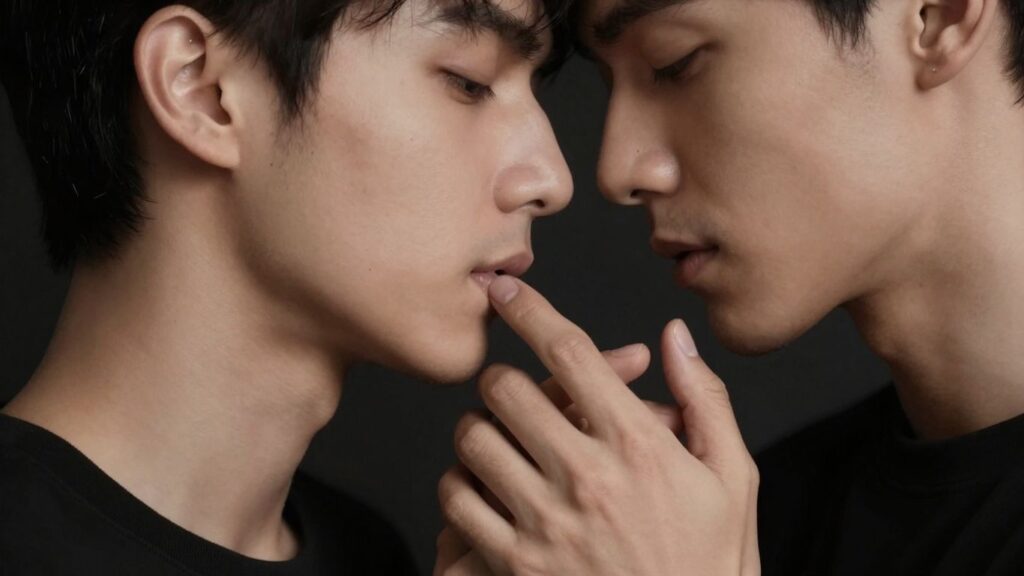
It’s interesting how much the outside world’s ideas about what a man should be can seep into gay spaces. We often think of the gay community as a place where you can be yourself, right? But the truth is, a lot of what society considers ‘masculine’ has really shaped how masculinity is seen within the community itself. Think about it – the tough, stoic guy, the one who’s good with his hands, maybe a bit reserved with emotions. These are the images we see everywhere, and they definitely show up when gay men are thinking about what’s considered desirable or ‘right’. It’s like there’s this unspoken checklist, and if you don’t tick enough boxes, you might feel a bit out of place.
The ‘Straight-Acting’ Phenomenon
This whole ‘straight-acting’ thing is a big one. You see it online all the time, guys wanting to be seen as just masculine, or even like they could pass as straight. It’s a bit wild when you think about it – why would someone in the gay community feel the need to act like they’re not? But it speaks to how much pressure there is. Many gay men feel they need to perform a certain kind of masculinity to be accepted, both by potential partners and maybe even by themselves. It’s like a shield, a way to avoid judgment or unwanted attention. This can lead to a situation where men who don’t fit this mold feel overlooked or even rejected by other gay men.
Navigating Traditional Notions Of Manhood
So, how do guys deal with all this? It’s a mixed bag. Some folks seem to just roll with it, embracing the traditional masculine traits because it feels comfortable or aligns with what they’re attracted to. Others find it really restrictive. There’s this constant awareness, a hypervigilance about how you walk, talk, or even gesture, just to make sure you’re not coming across as too ‘gay’ or not ‘manly’ enough. It can be exhausting.
Here’s a quick look at some common associations:
- Physical Traits: Muscular build, strong features, a certain way of dressing (think plaid, darker colors).
- Behavioral Traits: Being reserved with emotions, competitive, appearing confident, not being overly demonstrative in public.
- Social Presentation: The ability to ‘pass’ as straight, not drawing attention to one’s sexual orientation.
“Swingtowns has been awesome in this lifestyle ! Finding new couples to play with and of course hang with.” -Skaggszy98
The Psychological Dimensions Of Masculine Preferences

Feeling Protected And Validated
It seems like a lot of gay guys look for a certain kind of strength in their partners. It’s not just about physical stuff, though that’s part of it. There’s a deeper need to feel secure, like someone’s got your back. When a partner comes across as confident and capable, it can create a sense of safety. This feeling of being protected can be really important, especially in a world that hasn’t always been kind to gay relationships. It’s like finding an anchor.
The Role Of Dominance In Desire
Dominance can play a big role for some. It’s not always about being bossy, but more about a partner taking the lead, making decisions, or just exuding a strong presence. This can be really attractive because it offers a sense of order and control, which can be comforting. For some, seeing a partner in a dominant role can also be a turn-on, a part of the chemistry that makes things exciting. It’s a dynamic that many find appealing.
Masculinity As Self-Affirmation
Sometimes, liking masculine traits in a partner is also about how it makes us feel. If we see ourselves as masculine, or aspire to be, then being with someone who embodies those traits can feel like a validation. It’s like looking in a mirror and seeing a reflection of what we admire or want to be. It can boost our own sense of self-worth and confidence. It’s a way of affirming our own identity and preferences within the gay community.
Impact On Self-Image And Relationships
It’s a tricky thing, this whole masculinity thing for gay guys. On one hand, some fellas feel like leaning into a more traditionally masculine vibe helps them out. It can make them feel more confident, like they fit in better, or even help them get ahead in their careers. It’s like, if you look and act a certain way, people respect you more, and that’s a good feeling. Plus, for some, it just makes daily life easier because they don’t stand out as much.
But then there’s the flip side, and it’s a big one. A lot of guys feel this pressure to be super masculine, even if it’s not really who they are. It’s like they have to overcompensate, putting on a show that’s almost cartoonish. This can really mess with your head. You start to wonder if you’re good enough, especially when the “ideal” masculine image feels impossible to reach. It’s like, “Am I even a real man if I’m gay?” That thought can really chip away at your self-esteem.
Pressure To Conform To Masculine Norms
This pressure to be “manly” can be intense. It’s not just about how you act, but how you’re expected to be. Think about it:
- Independence and Self-Reliance: You’re supposed to handle everything yourself, never show weakness.
- Emotional Restraint: Showing too much emotion, especially sadness or fear, is often seen as unmanly.
- Dominance: There’s often an expectation to be in control, to lead, and not to be perceived as submissive.
This can lead to some serious internal conflict. You might feel like you have to hide parts of yourself to fit this mold, which is exhausting. It’s like constantly wearing a mask.
Body Image And Attractiveness Concerns
Then there’s the whole physical aspect. Society, and often the gay community itself, puts a huge emphasis on how guys look. This means a lot of gay men worry constantly about their bodies. Are they fit enough? Are they muscular enough? It’s a big deal when you’re looking for a partner or even just trying to feel good about yourself. This can lead to some unhealthy habits:
- Obsessive gym routines and strict diets.
- Using substances like steroids to achieve a certain physique.
- Feeling really down about yourself if you don’t measure up to these often unrealistic standards.
“Swingtowns, easy navigating the site, no harassing upgrade ads, easy to find people, premium is not over priced….Just keep swinging, just keeping swinging” -mrgood69
Emotional Expression And Affection
Finally, all this focus on being tough and stoic can really limit how openly guys can express their feelings. It’s hard to be vulnerable when you feel like you’re supposed to be the strong, silent type. This can affect relationships too. If you can’t openly share your emotions or fears, it makes it harder to connect deeply with someone. It can create distance, even when you’re with someone you care about. Sometimes, it feels like there’s a script for how gay relationships should look, and it often mirrors traditional straight relationships, which can make things feel less equal or authentic.
Exploring Gay Masculinity And Its Definitions

Beyond Dominant Notions Of Masculinity
So, what does “masculinity” even mean when we talk about gay men? It’s not a one-size-fits-all thing, that’s for sure. For a long time, the conversation has been dominated by what society thinks a man should be – strong, tough, maybe a bit stoic. But within the gay community, these ideas get a lot more complex. We’re talking about exploring male intimacy in ways that might not fit those old-school molds. It’s about recognizing that masculinity can show up in a lot of different ways, and that’s okay.
Physical Appearance And Sexual Adventurism
When you look at what some gay men associate with masculinity, physical appearance often comes up. Think about it – a lot of guys focus on building muscle, getting tattoos, or just generally presenting a more rugged look. This isn’t just about vanity; for some, it’s tied to feeling more confident and desirable. Then there’s the aspect of sexual adventurism. This can mean a higher interest in casual encounters or exploring different sexual experiences. It’s a part of how some gay men express their identity and desires.
The Use Of Steroids For Masculine Ideals
It’s also worth noting that the pressure to achieve certain masculine ideals can sometimes lead to unhealthy choices. We’ve seen studies suggesting that some gay men turn to anabolic steroids to increase muscle mass and achieve a more “masculine” physique. This highlights the intense pressure some individuals feel to conform to these perceived standards of attractiveness and strength within certain circles. It’s a stark reminder that these ideals can have real-world consequences.
“Swingtowns.com has been one of the best places for meeting like minded and fun party people. I’m always looking to meet new people and this site never fails.” -PoundnSand
- Physical Presence: Many associate masculinity with a strong build, muscularity, and a generally imposing physical appearance.
- Sexual Exploration: A high interest in diverse sexual experiences and casual encounters is also frequently linked to masculine ideals.
- Self-Presentation: This can include grooming, tattoos, piercings, and other ways individuals present themselves to signal masculinity.
This exploration touches on male bisexuality exploration too, as the definitions of masculinity can influence how men of all sexual orientations express themselves and seek connection. It’s all part of a bigger picture of understanding attraction and identity.
Challenging Stereotypes In Same-Sex Dynamics
It feels like we’re constantly bombarded with ideas about what it means to be a man, and these ideas often don’t leave much room for variation. This is especially true when we talk about gay men. For a long time, the narrative has been that gay men inherently fail at masculinity, or that their relationships are somehow less ‘real’ because they don’t fit a traditional mold. This pressure to conform, even within the gay community, can be really tough.
The Fear Of Effeminacy
There’s this persistent fear of being seen as ‘effeminate,’ which often gets unfairly linked to being gay. It’s like there’s an unspoken rulebook that says gay men should act a certain way, and anything outside of that is wrong. This can lead to a lot of internal conflict for guys who don’t fit neatly into those boxes. It’s not just about how others see us, but how we see ourselves. This can impact everything from how we express ourselves to the kinds of partners we seek out. It’s a real thing that many gay men deal with, and it’s worth talking about.
Redefining Masculine Ideals In Gay Culture
So, what does it mean to be masculine in a gay relationship? It’s definitely more than just fitting a certain look or acting a certain way. We’re seeing a shift where guys are starting to define masculinity on their own terms. This means embracing a wider range of traits and behaviors. It’s about recognizing that strength can come in many forms, and that vulnerability isn’t a weakness.
Here are a few ways this redefinition is happening:
- Authenticity over performance: Moving away from acting a certain way to please others and instead focusing on being genuine.
- Emotional openness: Allowing for a fuller range of emotional expression, not just the stoic, ‘tough guy’ persona.
- Shared roles: Rejecting the idea that one partner has to be the ‘man’ and the other the ‘woman’ in a relationship.
- Diverse attractions: Understanding that attraction isn’t limited to one specific ‘type’ of masculine man.
This is all part of challenging gender norms men have been dealing with for ages. It’s about creating a space where everyone feels accepted, regardless of how they express their masculinity. It’s a process, and it’s ongoing, but it’s definitely a positive step forward for challenging gender norms men face.
Acceptance Beyond Gender Performance
Ultimately, the goal is to move towards a place where we accept people for who they are, not for how well they perform a certain gender role. It’s about recognizing that attraction and relationships are complex and varied. We need to get past the idea that there’s only one way to be a man or one way for two men to be together. This kind of acceptance helps everyone feel more comfortable and confident in their own skin, and in their relationships. It’s about building connections based on mutual respect and genuine affection, not on outdated stereotypes.
Wrapping It Up
So, what does all this mean? It seems like the idea of masculinity, and what it means to be masculine, is a pretty big deal for a lot of gay men. Whether it’s about feeling safe, feeling powerful, or just feeling like yourself, these traditional ideas pop up a lot. It’s clear that these concepts aren’t just simple preferences; they shape how guys see themselves and how they connect with others. While not everyone fits neatly into these boxes, and maybe we don’t always need labels, understanding these influences is important. It gives us a better picture of the gay experience and might even help us talk more openly about these things, both in our own lives and maybe even in therapy.
Frequently Asked Questions
Why are some gay men attracted to masculine partners?
Many gay men find masculine partners attractive for a few key reasons. Some feel a sense of safety and protection when with a masculine man. Others enjoy the feeling of being led or dominated, which can be a turn-on. For some, being with a masculine man also makes them feel more confident about their own masculinity, like it’s being recognized and approved of.
Does the gay community have its own ideas about masculinity?
Yes, the gay community has its own ways of thinking about masculinity, which can sometimes be different from what society expects. Some gay men really value a ‘straight-acting’ or traditionally masculine appearance and behavior. This can sometimes create pressure for other gay men who don’t fit that mold.
How do masculine ideals affect gay men’s self-esteem?
Masculine ideals can impact how gay men see themselves. Some might feel pressure to look or act a certain way to be accepted or found attractive by other gay men. This can lead to worries about their body image or feeling like they need to hide certain parts of themselves if they don’t seem ‘manly’ enough.
Can liking masculine traits be a form of self-affirmation for gay men?
Absolutely. For some gay men, being attracted to or connecting with masculine men can be a way to boost their own sense of self. It can feel validating, like their own masculinity is being seen and appreciated, or it can make them feel more secure and confident in who they are.
Are there different ways to define masculinity within the gay community?
Definitely. While some focus on traditional ideas like being strong, muscular, or dominant, others have broader views. Some research suggests that for certain gay men, masculinity is also linked to how they look physically, being adventurous, and even using things like steroids to achieve a more muscular physique. It’s not just one single definition.
How can we challenge stereotypes about masculinity in gay relationships?
Challenging stereotypes means recognizing that masculinity isn’t just one thing. It involves moving beyond the idea that being ‘masculine’ means being dominant or tough, and accepting a wider range of expressions. It’s about understanding that gay men can be masculine, feminine, or somewhere in between, and all of these identities are valid and valuable without needing a label.
Confidence Without Confinement — Expanding What Masculinity Can Mean
Explore a community where masculinity is not confined by outdated expectations. Connect with people who value authenticity, consent, and freedom of expression without judgment. Discover conversations and resources that challenge stereotypes and support confident exploration. Sign up for a free account on SwingTowns to begin your adventure.
“I’m glad that SwingTowns is growing such an audience of happy, sex-positive people!” -RandySP69


