

Hey everyone, so I’ve been thinking a lot lately about how guys connect with each other, especially when it comes to same-sex interactions. It’s not always straightforward, right? We’re talking about everything from casual meetups in public spots to more planned events like parties and club nights. It’s a whole spectrum, and understanding the different vibes and challenges involved is pretty interesting. We’ll be looking at how guys navigate these spaces, what motivates them, and how society’s views play a role in all of this. It’s about Same-Sex Play for Men at Clubs, Events, and Private Parties, and there’s definitely more to it than meets the eye.
Key Takeaways
- Public spaces can be tricky for same-sex encounters, with guys often feeling the need to be extra aware of their surroundings and safety.
- Clubs and events offer a different scene, where reading social cues and understanding the audience’s comfort level are important for interactions.
- Private parties create a more controlled environment, acting as safe spaces for same-sex connections, but still require attention to social norms.
- Societal stigma still impacts how men express desire and engage in same-sex play, even when they want to be more open.
- Motivations for same-sex encounters vary widely, going beyond simple urges and including relationship goals and diverse personal identities, challenging common stereotypes.
Navigating Public Spaces for Same-Sex Encounters

Understanding Public vs. Private Affection
When it comes to showing affection, there’s a big difference between being alone with your partner and being out in the world. For many, private moments are where comfort is highest. This is true for most couples, regardless of their orientation. However, for men involved in same-sex encounters, the public sphere often brings a different set of considerations. While the desire to express affection openly might be just as strong, if not stronger, than for heterosexual couples, the reality of doing so in public can be complicated.
Challenges in Same-Sex Public Displays
Public displays of affection (PDAs) for gay men can feel like walking a tightrope. There’s a clear desire to be open, but the fear of negative reactions often leads to less frequent public affection. Unlike mixed-sex couples who might feel more at ease with strangers, gay men often report feeling more comfortable showing affection around friends whose reactions they can predict. This isn’t about being secretive; it’s about managing potential risks in spaces that aren’t always welcoming. The simple act of holding hands or a quick kiss can become a calculated decision, weighing the desire for connection against the potential for unwanted attention or judgment.
Vigilance and Safety Concerns
This constant awareness of your surroundings is often called vigilance. It means always being a little on guard, scanning the environment before engaging in even minor displays of affection. This heightened sense of vigilance is a common experience for those in same-sex relationships. It’s a protective measure, but it can also be draining. While some research suggests a degree of resilience in how gay men cope with this, the underlying stress is real. It’s a stark contrast to the relative freedom many heterosexual couples experience. This isn’t just about avoiding awkwardness; it’s about personal safety and well-being. The spaces where male same-sex encounters might occur, from discreet gay cruising venues to more open social settings, all require a different level of awareness compared to private gay events or the privacy of one’s home.
Social Dynamics of Same-Sex Play at Clubs and Events
Clubs and events often serve as key hubs for LGBTQ+ social gatherings. These spaces can feel like a breath of fresh air, offering a chance to connect with others who share similar experiences. However, they also come with their own set of social dynamics that can influence how men interact and express affection.
The Role of Clubs in Same-Sex Socializing
For many, clubs and specific events are more than just places to dance or have a drink. They are vital social landscapes where same-sex attraction can be explored more openly. These venues can provide a sense of community and belonging that might be harder to find elsewhere. It’s where people often feel more comfortable being themselves, away from the everyday pressures of less accepting environments.
Navigating Social Cues in Public Venues
Understanding the unwritten rules of social interaction in these settings is key. It’s a delicate balance. You want to be yourself, but you also need to be aware of your surroundings and the people in them. This means paying attention to body language, reading the room, and understanding what kind of interactions are generally welcomed.
- Reading the Vibe: Is the atmosphere relaxed and open, or more reserved?
- Observing Others: How are other men interacting? What seems to be acceptable?
- Personal Comfort: What feels right for you and your companion(s)?
The desire for public affection is real, but so is the awareness of potential negative reactions. This awareness can shape behavior, even in spaces that are generally considered more accepting.
Audience Perception and Comfort Levels
Even within LGBTQ+ friendly spaces, the audience matters. While you might feel more at ease than in a completely public street, the presence of different groups can still influence comfort. For instance, interactions might feel different if the crowd is primarily gay men versus a mixed group, or if there are straight allies present.
“Swing Towns knows what’s up! Finally a platform where like minded people can connect.” -Cboy6983
Here’s a general idea of comfort levels, though individual experiences will vary:
| Setting Type | General Comfort Level (Same-Sex Couples) | Notes |
|---|---|---|
| Mixed-Sex Club | Low | Higher risk of unwanted attention or judgment. |
| LGBTQ+ Specific Club | Medium to High | Generally more accepting, but still depends on the specific crowd. |
| Private Party | High | Usually the most comfortable due to familiarity and shared understanding. |
| Public Street | Very Low | Highest risk of negative reactions and safety concerns. |
Private Parties and Intimate Gatherings
Creating Safe Havens for Same-Sex Interaction
When it comes to men seeking men parties, private gatherings offer a different kind of space compared to public venues. These are often seen as more controlled environments where attendees can relax a bit more. The idea is to create a bubble, a temporary sanctuary, where the usual pressures and anxieties of public life can be set aside. It’s about building a community, even if just for an evening, where shared experiences and desires can be explored without constant worry. These events are built on trust and mutual respect among guests.
The Nuances of Private Party Etiquette
Even in private settings, there are unspoken rules. It’s not just about showing up and doing whatever. Think about it: who organized the party? What’s the vibe they’re going for? Some parties are more about casual mingling and connection, while others might be geared towards more specific types of encounters. It’s important to read the room, so to speak. Being mindful of others’ boundaries is key. This isn’t a free-for-all; it’s a social event with its own set of expectations, even if they aren’t written down anywhere.
Here are a few things to keep in mind:
- Respect personal space: Just because it’s a party doesn’t mean you can touch anyone without permission.
- Be mindful of noise levels: Especially if the party is in an apartment building or a residential area.
- Communicate clearly: If you’re interested in someone, make your intentions known respectfully, and be prepared to accept a ‘no’.
- Clean up after yourself: If you make a mess, try to tidy it up.
Balancing Desire and Social Constraints
Private parties can feel like a release valve, a place where desires that might be suppressed elsewhere can surface. However, even within these more intimate settings, social constraints are still present. People are still individuals with their own histories, comfort levels, and expectations. The dynamic can shift quickly depending on who is there and what the general mood is. It’s a delicate balance between expressing oneself freely and respecting the social fabric of the gathering. Sometimes, the desire for connection or a specific encounter might bump up against the reality of the social situation, requiring a bit of finesse and understanding.
The Intersection of Desire and Stigma
It’s a tricky balance, isn’t it? On one hand, there’s this natural human desire to show affection to the person you care about. You want to hold hands, give a quick kiss, or just lean into them. It feels good, it’s a way to connect. But then, for some people, there’s this whole other layer that comes into play: stigma.
This is where the desire for public affection clashes head-on with societal attitudes. For folks in same-sex relationships, a simple act like holding hands can feel like a big deal. It’s not just about showing love; it’s also about revealing your identity. And because of that, there’s this constant awareness, this vigilance, about who’s watching and how they might react. It’s like you have to constantly scan your surroundings before you can even think about a simple touch. This isn’t something most people in mixed-sex relationships have to worry about. They can usually just be themselves without a second thought.
Here’s a look at how this plays out:
- Public Affection Frequency: People in same-sex relationships often want to share affection in public just as much as anyone else, but they actually do it less often. It’s a real disconnect between what they feel and what they feel safe doing.
- Comfort Levels: While being alone with a partner is comfortable for everyone, and being with friends is generally okay, the comfort level drops significantly in public spaces for same-sex couples compared to mixed-sex couples.
- Anticipation of Reactions: Even the thought of negative reactions can cause stress. This means people might avoid public affection not because they don’t want to, but because they’re worried about potential judgment or worse.
“This is an amazing place to explore and experience. The best online platform for swinging.” -Decentfinder
This constant negotiation between personal desire and external pressures can really take a toll. It’s a reminder that for many, public spaces aren’t always neutral territory. Understanding how these dynamics affect relationships is key, and it’s something that researchers are still exploring, looking into how these stigmatized consumption practices are managed in different physical settings.
Contextual Differences in Affection Sharing
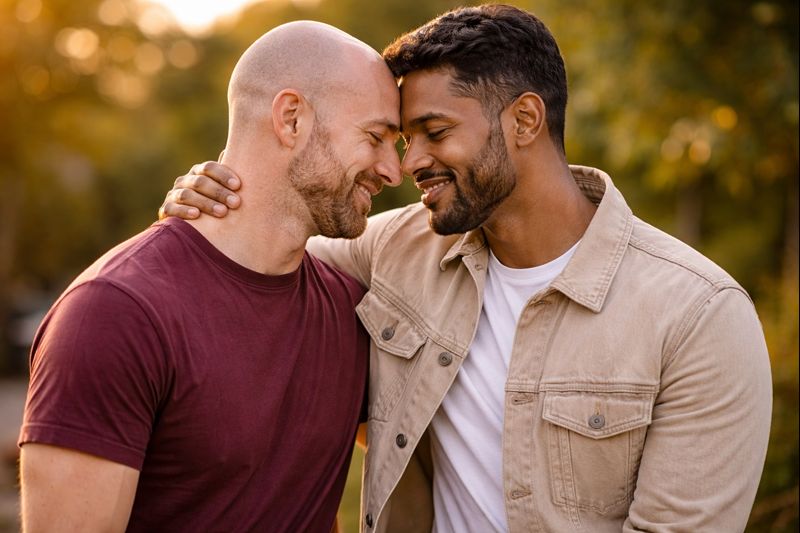
Variability Across Different Audiences
It’s pretty wild how much where you are and who’s watching can change things, right? When it comes to sharing affection, especially for guys in same-sex relationships, the audience really matters. What feels totally fine and natural in private can feel like a whole different ballgame when you step out into the world.
Think about it. Sharing a quick hand squeeze or a hug with your partner in your own living room? Easy peasy. But doing the same thing at a busy cafe, or worse, in front of your family? That’s where things get complicated.
Here’s a quick look at how different audiences can shift the comfort level:
- Strangers: This is often the trickiest. You don’t know how people will react, and unfortunately, there’s always that worry about negative attention or even hostility. So, many couples tend to keep things low-key.
- Friends: Generally, friends are more accepting. If your friends are supportive, sharing affection might feel more relaxed. However, even here, there can be a subtle awareness of being ‘different’.
- Family: This one surprised me. Even though family is supposed to be a safe space, research shows that sharing romantic affection in front of parents or older relatives can be super uncomfortable for everyone, but especially for those in same-sex relationships. It might be because family is where we first learn about relationships, and romantic affection can signal a sexual connection that some family members aren’t ready to acknowledge or approve of.
“I am enjoying swingtown and the way it is run. Hope to meet some great people who enjoy healthy sexy fun together. Life is tooo short not to.” -teaser71902
Public vs. Private Affection Frequency
When we talk about how often guys share affection, the setting makes a huge difference. In private, like at home or at a friend’s place where you know you’re safe, affection flows pretty freely. Studies show that people in same-sex relationships often feel even more comfortable sharing affection privately than those in mixed-sex relationships. It seems like the private sphere is where the most genuine expressions can happen without a second thought.
But then you step outside. The frequency of public displays of affection (PDA) drops significantly for same-sex couples. It’s not because they don’t want to show affection; it’s a direct response to the environment. The potential for judgment, stares, or worse, means that many choose to hold back. It’s a stark contrast: comfortable and frequent in private, cautious and infrequent in public.
The Influence of Friends vs. Strangers
So, who you’re with really shapes the experience. Being with a group of close, supportive friends can create a bubble where affection feels more permissible. You might feel more at ease holding hands or putting an arm around your partner because you have that social buffer. Your friends’ acceptance can make the public space feel a little less hostile.
On the flip side, being surrounded by strangers is a whole different story. The anonymity of a crowd doesn’t necessarily mean safety; it can actually heighten anxiety. You’re constantly scanning for reactions, trying to gauge the mood. This vigilance is exhausting and can really dampen the desire to be openly affectionate. It’s a constant balancing act between wanting to connect with your partner and needing to protect yourself from potential negative social consequences.
Beyond Stereotypes: Diverse Motivations for Encounters

It’s easy to fall into thinking everyone involved in same-sex encounters is looking for the same thing, but that’s just not the case. People’s reasons for seeking out these connections are as varied as they are. We often hear about the desire for public affection, which is definitely a real thing for some, but it’s not the whole story. For many, it’s about finding a sense of belonging or exploring their identity in a way that feels safe and affirming.
Challenging Notions of Promiscuity
There’s this persistent stereotype that men seeking same-sex encounters are automatically promiscuous. This idea really needs a closer look. While some might be exploring casual connections, others are looking for something much deeper. It’s about connection, intimacy, and sometimes, just a moment of shared understanding. The pressure to conform to these stereotypes can be a lot to deal with.
- Seeking validation and acceptance.
- Exploring personal identity and desires.
- Finding community and shared experiences.
- Experiencing intimacy outside traditional relationship structures.
Planned Encounters and Relationship Goals
Not all encounters are spontaneous. Many men plan these interactions, sometimes with specific relationship goals in mind. This could range from finding a long-term partner to exploring polyamorous dynamics or simply building a stronger social network. It’s about intentionality and often, a desire for meaningful connection, not just a fleeting moment. This is where understanding the nuances of gay cruising can be helpful, as it’s not always about anonymous hookups.
The Spectrum of Sexual Identity and Behavior
We also need to remember that sexuality isn’t always black and white. People identify and behave across a wide spectrum. Some men might identify as gay, while others might be bisexual, pansexual, or somewhere else entirely. Their motivations for seeking same-sex encounters can be influenced by this fluidity. It’s about recognizing that attraction and behavior can be complex and don’t always fit neatly into boxes. This complexity is often overlooked when we rely on broad stereotypes.
“Really enjoying Swingtowns a lot! Very easy to use the app and lots of great people too.” -KarandBri1970
Wrapping It Up
So, when it comes down to it, showing affection in public is a bit of a balancing act for everyone, but it’s definitely more complicated for gay and gender-diverse guys. While everyone feels more comfortable showing love in private, same-sex couples often want to be more open in public but hold back because they’re worried about how others might react. It’s not about being flashy; it’s about wanting to be yourself with your partner. This constant need to be aware of your surroundings and potentially hide who you are can take a toll. It’s a reminder that even with progress, the world isn’t always a welcoming place, and that affects how people connect, even in simple, loving ways.
Frequently Asked Questions
Why do some guys feel more worried about showing affection in public than others?
It really depends on how society sees their relationship. For guys in relationships with other guys, they might worry more about negative reactions or judgment from strangers. This is because, sadly, there’s still a lot of unfair judgment and even hate towards same-sex couples. So, they might be more careful about holding hands or hugging in public, unlike couples in relationships that are seen as more ‘normal’ by society. It’s like they have to constantly check if it’s ‘safe’ to show affection, which can be tiring.
Do guys in same-sex relationships want to show affection in public as much as straight guys do?
Yes, absolutely! Studies show that guys in same-sex relationships often want to show affection in public just as much, if not more, than guys in straight relationships. They see their partners and want to express that connection. However, because they worry about how others might react, they often end up doing it less often. It’s a tough situation where their feelings might not match their actions due to outside pressures.
Are clubs and parties different from regular public places for same-sex affection?
Yes, they can be. Places like clubs or parties geared towards the LGBTQ+ community might feel safer and more accepting for same-sex affection. It’s like being in a space where you’re more likely to be understood and not judged. However, even in these places, people are still aware of their surroundings and who might be watching. Private parties can be even more relaxed, as you usually know and trust the people there, making it easier to be yourself.
What does ‘vigilance’ mean when it comes to public affection?
‘Vigilance’ in this case means being constantly watchful and alert to your surroundings. For guys in same-sex relationships, this might mean always looking around to see who is watching them when they’re showing affection in public. They might be scanning for any signs of disapproval or potential trouble. This constant awareness can be stressful and takes a lot of energy, even if nothing bad actually happens.
Does being careful about public affection affect a guy’s well-being?
Yes, it can. Constantly being on guard and worrying about how others might react can be stressful. This kind of stress, sometimes called ‘minority stress,’ can negatively impact both mental and physical health. It’s like carrying a heavy weight all the time. While some guys might develop ways to cope, this extra worry can still take a toll over time.
Are all men who seek same-sex encounters in public looking for the same thing?
Not at all! It’s a common myth that men seeking same-sex encounters, especially in public or anonymous ways, are just promiscuous or socially awkward. The reality is much more complex. Some men might be exploring their identity, some might be looking for a connection, and others might be living a double life due to societal pressures. There are many different reasons and personal journeys that lead men to these encounters, and it’s not a one-size-fits-all situation.
Space, Context, and Etiquette — Same-Sex Play for Men at Clubs and Events
Clubs, events, and private parties each bring different expectations and social norms. Understanding context, consent, and shared etiquette helps create safer and more respectful experiences. Sex-positive spaces encourage awareness, communication, and personal responsibility in group settings. Sign up for a free account on SwingTowns to connect with people who value clarity, openness, and honest discussion.
“I recommend swingtowns because it’s the first site that even as a free profile you can still connect with ppl. I have since upgraded to lifetime but me and my wife have met some really fun cpls since we started on this site so we fully recommend swingtowns.” -TheRowan


