
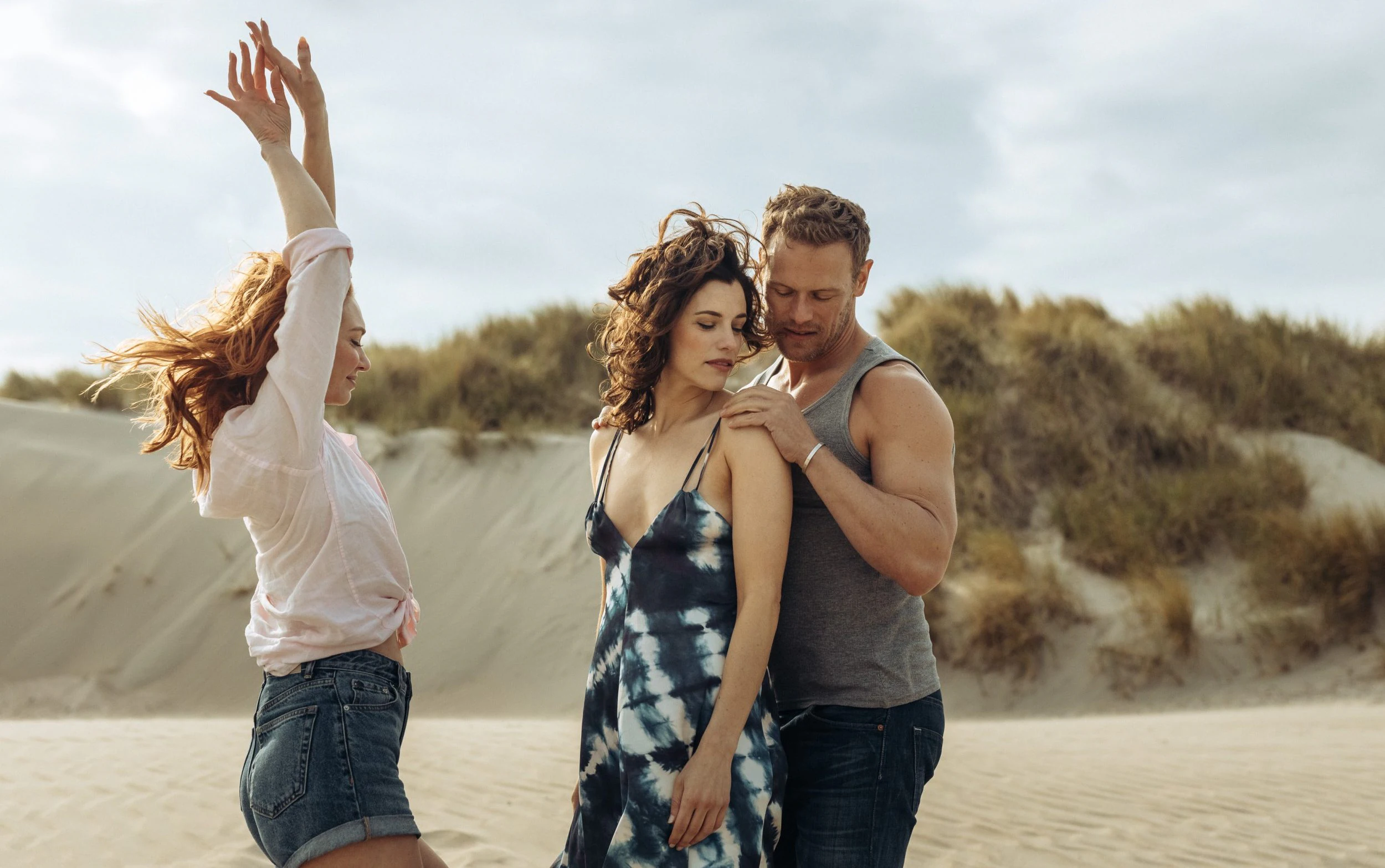
The worlds of swinging and BDSM, with their distinct identities, showcase a diversity within the realm of adult partnerships and sexual exploration. Swinging, often synonymous with the Swing scene, revolves around individuals or committed relationships such as married couples indulging in consensual sexual interaction with other like-minded people. It’s a social phenomenon where mutual consent, respect, and pleasure are pivotal, typified by swinger parties and events designed for this purpose.
In contrast, the BDSM community embraces a wide range of sexual practices falling under the umbrella term of BDSM—spanning Bondage, Discipline, Dominance, Submission, Sadomasochism. This includes not just the sexual activities but also the power dynamics, often seen in the establishment of Dominant roles and submissive roles. BDSM lifestyle is not merely about sexual practices but encompasses deep communication and trust, often leading to intense emotional connections.
Both communities advocate for sexual freedom yet operate under distinct ethos and formats. Here, terminology like “BDSM scenes,” “types of fetishes,” and “Consensual Non-Monogamy” are essential in understanding the nuanced landscape of modern sexual relationships, which range from casual swinger events to committed BDSM relationships.
Cultural Dynamics
The BDSM and swing communities, though distinct, have parallel historical trajectories characterized by evolving cultural perceptions. Initially, both were shrouded in secrecy and broadly misunderstood by the mainstream, often associated with deviant or taboo sexual practices. However, over time, increased visibility and awareness have led to a more nuanced understanding.
Research indicates that both communities tend to be over-represented by similar demographic groups, primarily educated, middle-class, white individuals. This begs questions about cultural inclusivity and representation within these spheres. The adoption of BDSM and swinging by these specific demographics may reflect broader social dynamics, including underlying economic and educational factors that afford the opportunity for such sexual exploration.
A shift towards greater acceptance can be seen in both communities’ portrayal in media, literature, and the proliferation of online forums that cater to like-minded individuals looking to engage in these alternative relationship styles.
Key Cultural Dynamics in BDSM & Swing Communities:
- Historical Secrecy and Misunderstanding
- Evolving Mainstream Perception
- Over-representation of Educated, Middle-Class, White Individuals
- Questions of Cultural Inclusivity
- Media Influence on Acceptance
Social Dynamics in Swinging vs. BDSM
Communication and consent are pivotal in both swinging and BDSM communities. They serve as the foundational principles underlying all interactions and build a framework where sexual exploration is safe and consensual.
Swinger & BDSM Social Structures:
| Aspect | Swinging Community | BDSM Community |
|---|---|---|
| Meet-ups | Swinger parties, events, clubs | Munches, dungeons, clubs |
| Online Platforms | Swinging-specific sites, social media | Fetlife, forums, social media |
| Interaction | Often as couples or groups | Can be one-on-one or within groups |
| Support | Peer experiences shared at events | Workshops, mentorship in roles |
| Events | Private parties, large-scale conventions | Public scenes, private sessions |
Swingers typically meet at organized parties or clubs and often involve married couples or those in committed relationships looking for sexual partners. The swing scene is synonymous with couple-centric activities and exchanges within the realm of Consensual Non-Monogamy.
In contrast, the BDSM community is an umbrella term for a vast array of kink relationships and practices. Members might engage in BDSM scenes involving Dominant and submissive roles through private parties or public events. The community support is more structured with mentorship for those exploring new types of fetishes, and emotional support for BDSM couples.
Both communities often host events that are vital for meeting like-minded people, fostering sexual interaction, and supporting various relationship styles, whether it’s a romantic relationship, BDSM lifestyle, or poly relationships.
Challenges and Stigma
Both the BDSM and swinging communities operate within the peripheries of societal norms, often facing misinterpretation and prejudice. Practitioners from the BDSM community, embracing a lifestyle ringing with kink community values and varied types of fetishes, frequently confront stigma. Misconceptions about BDSM revolve around the dynamic between dominant roles and submissive roles, often misconstrued as inherently abusive rather than consensual power exchange within BDSM scenes.
Swingers, typically partaking in experiences like swinger parties and events, also deal with societal misconceptions. Their engagement in Consensual Non-Monogamy (CNM) – forming sexual and sometimes romantic relationships outside of a committed or married couple – sparks discourse on sexual orientation and relationship styles that diverge from the monogamy paradigm.
Both groups grapple with privacy concerns, risk of discrimination, and potential legal challenges, especially when private parties or sexual interactions intersect with public understanding. In pursuit of social acceptance, members of these communities may circumspectly navigate their public and private lives, often only finding solace and open expression within the confines of like-minded people and dedicated spaces.
| Challenge | BDSM Community | Swinging Community |
|---|---|---|
| Misconceptions | Abuse vs. consensual power exchange | Promiscuity vs. committed CNM relationships |
| Discrimination | Due to types of fetishes and BDSM lifestyle | Due to participation in swinger events |
| Privacy & Legal Concerns | Protecting identity in professional/personal spheres | Legality of sexual practices at private parties |
| Social Acceptance | Seeking acceptance for BDSM relationship dynamics | Navigating societal norms with poly or swinger orientations |
| Safe Spaces | BDSM couples creating private, safe environments | Swing scene fostering discreet, secure meeting points |
Both communities advocate for respect and understanding, emphasizing that all activities are consensual, respectful of each participant’s sexual exploration, and involve adult, like-minded people choosing alternative relationship styles.
Community Support and Education
Both the BDSM and swinging lifestyles emphasize the importance of education and community support as foundational elements for ensuring safe and respectful practices. Within the BDSM community, education often focuses on understanding the dynamics of power play, including the roles of Dominant and submissive, and the significance of informed consent. This is crucial in preventing consent violations and fostering a culture that upholds negotiation and boundaries. Meanwhile, in the swinging community, education tends to revolve around the rules that govern sexual interaction and respectful behavior in swinger events and private parties.
Support networks, often found in both the kink and swinger communities, provide spaces for like-minded people to share experiences and knowledge, thus playing a vital role in the safety and wellbeing of participants. Initiatives like workshops, discussion groups, and mentoring programs help new and experienced members alike navigate their respective relationship styles, whether that’s in BDSM relationships or Consensual Non-Monogamy structures seen in swinging.
| Community | Education Focus | Support Strategies |
|---|---|---|
| BDSM | Power dynamics, consent, roles | Workshops, mentorship, discussion groups |
| Swinging | Rules of interaction, respectful behavior | Social events, online forums, experienced guides |
Efforts to reinforce the importance of negotiation and the respect for boundaries continually evolve to enhance the positive experiences within these diverse sexual practices.
Psychological and Social Benefits
People within both the swinging and BDSM communities often report psychological and social benefits derived from their involvement in these alternative lifestyle choices. Central to both swinging, which falls under the umbrella term of Consensual Non-Monogamy, and BDSM—a broad category encompassing various types of fetishes and power exchange relationships—is the importance of open communication.
Members in these communities frequently develop enhanced communication skills due to the necessity of negotiating boundaries, discussing desires, and ensuring mutual consent. This can lead to stronger and more honest relationships, both sexual and romantic. For instance, BDSM couples might find that the clear establishment of Dominant and submissive roles contributes to a deeper understanding of each other’s needs and desires.
Furthermore, individuals often experience a greater sense of belonging due to the shared interests and values within like-minded people found at swinger events, BDSM scenes, private parties, and within poly relationships. The social support from community members who embrace diverse sexual orientations, relationship styles, and sexual practices creates a space for sexual exploration free from mainstream judgment.
Both communities place significant value on respect, safety and consent, which not only fosters a feeling of community but also supports personal development and a heightened sense of self.
Spice, Meet Life – Find Your Flirty Match Today.
Spice, meet life—on SwingTowns, where flirty matches and endless excitement await. Our community is the perfect place to find that special someone who shares your zest for life and love. Break free from the mundane and inject some excitement into your days. Sign up for a Free SwingTowns profile today and begin the journey to a more vibrant life.
Wow!! This site is absolutely amazing. Me and my lady have met some fun sexy people on here and got some great feedback from other couples about our profile. -JessnOsc77


