

Swinging has come a long way since its inception, evolving from a taboo practice into a more accepted lifestyle choice. Over the years, societal norms have shifted, allowing people to explore relationships in ways that were once considered unconventional. This article takes a closer look at the evolution of swinging, highlighting the changes in attitudes, cultural influences, and the role of technology in shaping this lifestyle.
Key Takeaways
- Swinging reflects a broader trend of rejecting traditional monogamy, with many people seeking alternative relationship structures.
- The ‘Swinging Sixties’ marked a cultural revolution that popularized swinging through music, fashion, and media.
- The upside-down pineapple has evolved from a symbol of hospitality to an iconic representation of swinging culture.
- Technology, especially dating apps and online communities, has transformed how swingers connect and engage in the lifestyle.
- Modern swinging continues to evolve, with changing demographics and increasing social acceptance shaping its future.
A Growing Rejection of Tradition
It feels like everywhere you look, people are questioning the old ways of doing things, especially when it comes to relationships. What was once considered the only path – marriage, kids, the whole shebang – is now just one option among many. People are starting to ask, ‘Why do things this way just because that’s how they’ve always been done?’
Changing Attitudes Towards Monogamy
Monogamy used to be the default, no questions asked. Now, more and more people are wondering if it’s really for them. It’s not that people don’t want commitment, but they’re exploring what commitment looks like on their own terms. Some are realizing that being with one person for life just doesn’t fit their needs or desires. This isn’t just about sex; it’s about emotional connection, personal growth, and the freedom to explore different aspects of themselves. It’s a big shift from the idea that one person can – or should – fulfill all your needs.
The Rise of Alternative Relationship Models
With the questioning of monogamy comes the exploration of other ways to relate. You’ve got polyamory, open relationships, swinging, relationship anarchy – the list goes on. These aren’t just trendy labels; they represent genuine attempts to create relationships that are more honest, fulfilling, and aligned with individual values. It’s about designing your own relationship blueprint instead of following a traditional blueprint. It can be messy, complicated, and require a lot of communication, but for many, it’s worth it to have a relationship that feels truly authentic.
Cultural Shifts in Relationship Norms
This isn’t happening in a vacuum. Broader cultural changes are fueling this rejection of tradition. We’re seeing a greater emphasis on individual autonomy, self-discovery, and challenging societal expectations. Gender roles are evolving, women are gaining more economic independence, and people are prioritizing their own happiness and well-being. All of this contributes to a climate where people feel more empowered to question the status quo and create their own rules for love and connection.
It’s not about abandoning love or commitment, but about redefining them. The idea that one type of relationship is ‘right’ for everyone is fading, replaced by a more fluid, inclusive, and intentional approach to connection that suits the nuance of being human a lot better.
Here are some of the factors that are contributing to the cultural shift:
- Increased acceptance of diverse lifestyles
- Greater emphasis on communication and consent
- Growing awareness of mental health and well-being
The Swinging Sixties and Cultural Revolution
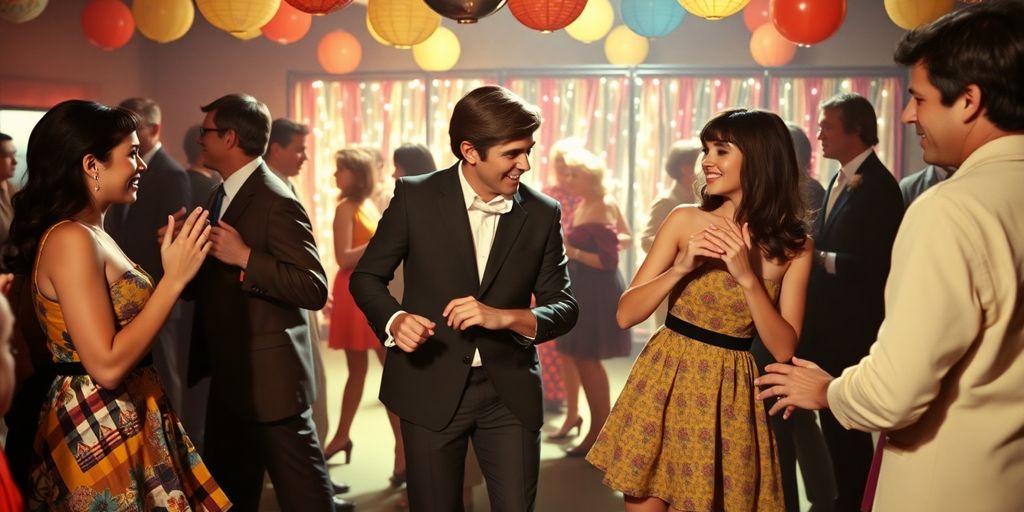
The 1960s were a wild time, weren’t they? It was more than just groovy music and questionable fashion choices; it was a full-blown cultural earthquake. Traditional norms were getting tossed out the window, and people were exploring new ways to live and love. This era really set the stage for a lot of the lifestyle experimentation we see today. It’s fascinating to look back and see how much things have changed, and how much of that change started right here.
The Birth of Swinging Culture
Swinging, as a concept, really started to gain traction during this period. It wasn’t just about sex; it was about freedom, exploration, and challenging the status quo. People were questioning traditional marriage roles and seeking out experiences that pushed boundaries. This was fueled by a general sense of optimism and a desire to break free from the constraints of previous generations. The idea of open relationships and alternative lifestyles began to seep into the mainstream, albeit often behind closed doors.
Influence of Music and Fashion
Music and fashion played a huge role in popularizing the idea of freedom and experimentation. Think about the explosion of rock and roll, the rise of the miniskirt, and the overall shift towards more expressive and less restrictive clothing. Swinging London became a global hub of cool, influencing trends and attitudes around the world. Music festivals became places where people could gather, express themselves, and explore new ideas about relationships and sexuality. It was all part of a larger cultural shift towards greater openness and acceptance.
The Role of Media in Popularizing Swinging
The media, even in its relatively limited form compared to today, played a significant role in bringing swinging into the public consciousness. While it wasn’t always portrayed in a positive light, the fact that it was being discussed at all was a major step. Tabloid newspapers and magazines sensationalized the lifestyle, while some more progressive publications explored it with a bit more nuance. This exposure, whether good or bad, helped to normalize the idea of alternative relationship styles and paved the way for future discussions about sexuality and freedom. It’s interesting to see how the media’s portrayal of these topics has evolved over time.
The 1960s were a time of great social change, and the rise of swinging culture was just one part of a larger movement towards greater personal freedom and experimentation. It’s important to remember that this was a complex and multifaceted phenomenon, with different meanings and implications for different people.
Here are some key elements that contributed to the popularization of swinging:
- Increased media coverage, both positive and negative.
- The rise of youth culture and a rejection of traditional norms.
- The influence of music and fashion in promoting freedom and self-expression.
The Evolution of the Pineapple as a Symbol of Swinging
The pineapple’s journey from a rare, exotic fruit to a symbol within the swinging community is quite interesting. It’s a story of how meanings can shift and evolve over time, influenced by culture and social trends. What started as a representation of wealth and hospitality eventually transformed into something entirely different. It’s a testament to how subcultures can adopt and repurpose symbols for their own unique purposes.
Historical Significance of the Pineapple
Back in the 1700s, a pineapple was a big deal. It wasn’t something you could just pick up at the local grocery store. Getting your hands on one meant you had connections and wealth. Because they were so rare, pineapples became a symbol of hospitality. Displaying one in your home showed you were willing to spend a lot to welcome your guests. Think of it as the ultimate status symbol of the time. It was all about showing off your ability to provide the best for visitors. The pineapple’s exotic origins added to its allure.
From Hospitality to Swinging Icon
So, how did this symbol of welcome turn into something associated with swinging? Well, somewhere along the line, people started using the upside-down pineapple as a signal. Instead of just meaning “welcome to my home,” it meant something more like “welcome to my lifestyle.” It’s not entirely clear exactly when or how this shift happened, but it’s thought to have started in colonial America. The upside-down pineapple became a discreet way for people to identify others who were open to alternative relationships. It was a subtle nod, a way to connect without being obvious to outsiders.
Modern Interpretations of the Symbol
Today, the upside-down pineapple is still used as a symbol by swingers, though its meaning is more widely known. You might see it on clothing, accessories, or even as a decoration. It’s a way to signal participation in the lifestyle, whether at a party or even in public. The symbol has evolved, and now it’s not just about secrecy. It’s also about community and visibility. A way for people to find each other and connect based on shared interests. It’s interesting how a simple fruit can carry so much meaning, isn’t it?
The pineapple’s transformation into a symbol of swinging highlights how cultural symbols can evolve and adapt over time. What once represented wealth and hospitality now signifies openness to alternative lifestyles, demonstrating the dynamic nature of meaning and representation within subcultures.
The Impact of Technology on Swinging
Technology has really changed the Evolution of Swinging. It’s not just about meeting people in person anymore; the internet has opened up a whole new world. It’s easier to find like-minded people, but there are also new challenges to think about.
Online Communities and Dating Apps
Online platforms have made it way easier to connect with others interested in swinging. Dating apps and dedicated websites provide spaces to explore interests and find partners.
Here’s a quick look at how things have changed:
- Wider reach: Connect with people beyond your local area.
- Specific filters: Find partners based on interests and preferences.
- Community forums: Share experiences and get advice.
Privacy and Discretion in the Digital Age
With online activity comes the need for privacy. It’s important to be careful about what you share and who you share it with. Maintaining discretion is key in the digital age.
It’s important to remember that anything you put online can potentially be seen by anyone. Think carefully about your privacy settings and who has access to your information.
Changing Dynamics of Swinging Events
Technology is also changing how swinging events are organized and experienced. Online platforms are used to promote events, manage RSVPs, and even screen attendees. This can make events more organized and safer, but it also changes the social dynamics.
Here are some ways technology is impacting events:
- Online ticketing and registration.
- Virtual meet-and-greets before events.
- Use of apps for communication during events.
The Intersection of Swinging and Gender Roles
Evolving Gender Norms in Swinging
Swinging provides a space where traditional gender roles can be challenged and redefined. It’s a lifestyle that often encourages open communication about desires and expectations, which can lead to a more egalitarian dynamic within relationships. Flexibility is key, as couples negotiate their boundaries and preferences, sometimes stepping outside conventional norms.
The Role of Feminism in Swinging Culture
Feminist ideals have found their way into swinging culture, with many women embracing the lifestyle as a way to reclaim their sexuality and agency. It’s about making informed choices and having control over one’s own body and experiences. This perspective challenges the notion that women are passive participants and instead positions them as active agents in their sexual encounters.
Men’s and Women’s Experiences in the Lifestyle
Men’s and women’s experiences in swinging can differ significantly. While some men may feel pressure to perform or initiate encounters, women might face objectification or judgment. However, many couples find ways to navigate these challenges through open communication and mutual respect. It’s not always easy, and experiences vary widely, but the goal is usually to create a fulfilling experience for everyone involved.
Swinging isn’t a one-size-fits-all thing. What works for one couple might not work for another. It’s all about figuring out what you’re comfortable with and what makes you happy, both individually and as a couple. Communication is super important, and so is being honest with yourself and your partner about your feelings and boundaries.
Swinging in the Modern Era
Current Trends in Swinging
The modern swinging lifestyle is seeing some interesting shifts. It’s not just about key parties anymore. There’s a bigger focus on consent, communication, and exploring different levels of interaction. People are more open to different types of non-monogamy, and that’s reflected in how they approach swinging. It’s less rigid, more fluid, and definitely more personalized than it used to be.
- More couples are setting very specific rules and boundaries.
- There’s a rise in themed events and parties catering to niche interests.
- Online platforms are helping people connect based on shared values and desires.
Demographics of Modern Swingers
The demographics are becoming more diverse. It’s not just older, affluent couples anymore. You’re seeing younger people, different ethnic backgrounds, and a wider range of income levels getting involved. This shift is partly due to increased visibility and acceptance, but also because of the internet making it easier to find like-minded people. The swinging community evolution is definitely reflecting broader societal changes.
The Future of Swinging as a Lifestyle
The future of swinging is likely to be shaped by technology, changing social norms, and a greater emphasis on ethical non-monogamy. As people become more comfortable exploring alternative relationship models, swinging may become more mainstream, or at least less stigmatized. The history of swinging culture shows it has always adapted, and that will continue to be the case.
Here are some potential developments:
- Increased use of virtual reality and other technologies to enhance the experience.
- Greater focus on education and resources for people new to the lifestyle.
- More acceptance and integration of swinging into mainstream culture.
Legal and Social Acceptance of Swinging
Changing Laws and Regulations
Swinging exists in a gray area legally. It’s generally legal as long as all participants are consenting adults. However, the legality of organized events, like swinger parties, can vary significantly. Some states or municipalities might have specific regulations regarding sexual activity in public or commercial settings, which could impact the operation of clubs or large gatherings. It’s a patchwork of laws, and what’s acceptable in one place might not be in another. regulations regarding swinger parties can be complex.
Public Perception and Stigma
Despite changing attitudes towards swinging, a significant stigma still surrounds the lifestyle. Many people hold negative views, often based on misconceptions or moral judgments. This can lead to discrimination, social isolation, and difficulties in personal and professional relationships. Overcoming this stigma requires open dialogue and education to dispel myths and promote understanding. It’s a slow process, but increased visibility and representation in media can help shift public opinion over time.
The Role of Advocacy Groups
Advocacy groups play a crucial role in promoting the rights and acceptance of swingers. These groups work to:
- Educate the public about swinging and other alternative lifestyles.
- Advocate for legal protections and equal treatment.
- Provide support and resources for individuals and couples in the lifestyle.
- Challenge discriminatory practices and stereotypes.
These groups often face an uphill battle, but their efforts are essential in creating a more inclusive and accepting society for those who choose to explore trends in polyamorous relationships. They work to normalize consensual non-monogamy and challenge the traditional, often rigid, views of relationships that dominate mainstream culture.
Wrapping It Up: The Future of Swinging
So, there you have it. Swinging has come a long way from its secretive beginnings to a more open and accepted lifestyle. Today, it’s not just about swapping partners; it’s about exploring desires and building connections in a way that feels right for each couple. As society continues to shift, who knows what the future holds for swinging? Maybe it’ll become even more mainstream, or perhaps it’ll evolve into something entirely new. Whatever happens, it’s clear that people are looking for ways to express their relationships beyond traditional norms. And that’s pretty exciting.
Frequently Asked Questions
What does it mean to be a swinger?
A swinger is someone who is in a committed relationship but chooses to engage in sexual activities with other people, usually with the consent of their partner.
Is swinging the same as an open relationship?
Not exactly. While both involve having relationships outside of a primary one, swinging usually focuses on recreational sex with others, while open relationships can allow for emotional connections as well.
How has technology changed swinging?
Technology has made it easier for swingers to connect through online communities and dating apps, allowing them to find like-minded individuals more easily.
What is the significance of the upside-down pineapple?
The upside-down pineapple is a symbol that indicates someone is open to swinging or non-traditional relationships. It started as a symbol of hospitality and evolved to represent openness in the swinging community.
Are there any specific rules in swinging?
Yes, most swinging couples set guidelines to ensure everyone feels comfortable and respected. Communication and consent are key.
Is swinging widely accepted in society?
Acceptance of swinging is growing, but it can still carry some stigma. Public perceptions are changing as more people become aware of alternative lifestyles.
From Hidden Encounters to Open Adventures – The Changing World of Swinging
The swinging lifestyle has evolved from secretive gatherings to a thriving, open-minded community where exploration knows no bounds. Whether you’re new to the scene or a seasoned explorer, there’s always something new to discover. Connect with like-minded people who share your desires and embrace the excitement of modern swinging. Sign up for a free SwingTowns account today and become part of the next chapter in this ever-evolving journey!
“Swingtowns, easy navigating the site, no harassing upgrade ads, easy to find people, premium is not over priced….Just keep swinging, just keeping swinging” -mrgood69


