
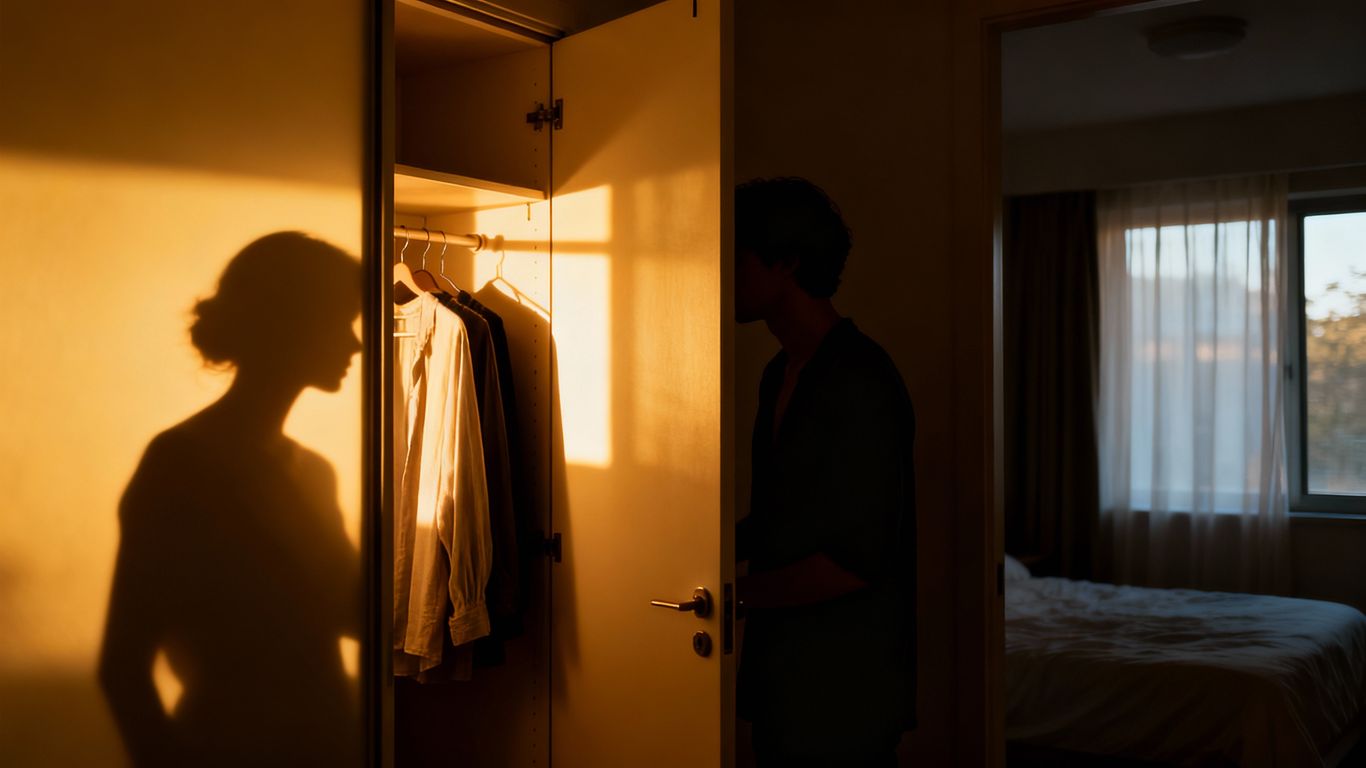
Ever wondered why some couples choose to explore beyond their primary relationship, and what goes on behind closed doors? The world of swinging, with its unique dynamics, often sparks curiosity. It’s a lifestyle that challenges conventional ideas about love, sex, and commitment. Let’s pull back the curtain a bit and look at the psychology behind keeping such a lifestyle private.
Key Takeaways
- The allure of secrecy in swinging often stems from deep psychological roots, making privacy a key component of the experience.
- Motivations for maintaining privacy range from protecting personal relationships to managing societal judgment and internal conflicts.
- Dissociation can play a role in allowing individuals to compartmentalize their swinging activities from other aspects of their lives.
- The emotional landscape of swinging is complex, involving thrills, anxieties, and the potential for unexpected emotional bonds.
- Power dynamics within swinging can shift, with women sometimes finding a sense of agency and empowerment through sexual exploration and control.
Understanding The Psychology Of Keeping A Swinging Lifestyle Private
The Allure of Secrecy and Its Psychological Roots
For many involved in the swinging lifestyle, privacy isn’t just a preference; it’s a cornerstone. There’s a certain thrill, a psychological pull, that comes with keeping this aspect of life separate from the everyday. It’s not always about shame, though that can be a factor. Sometimes, it’s about creating a distinct space for sexual exploration, a place where societal norms don’t quite reach. This separation can feel liberating, allowing individuals to explore desires without the baggage of judgment. The closeted swingers psychology often involves a complex interplay of personal freedom and the need for discretion. It’s about managing a double life, where one persona exists in the public eye and another thrives in private.
Motivations for Maintaining Privacy in Swinging
So, why the need for secrecy? The reasons for swinging secrecy are varied. For some, it’s about protecting their primary relationship. They might worry about how friends, family, or even colleagues would react if they knew. This fear isn’t unfounded; societal perceptions can be harsh, and the potential for misunderstanding is high. Others maintain privacy to protect their professional lives, fearing that knowledge of their lifestyle could impact their careers. Then there’s the simple desire for a private life, a space that belongs only to them and their partner(s), free from external interference. This careful management of discretion is key to managing swingers lifestyle discretion.
Here are some common motivations:
- Protecting the primary relationship: Shielding the partnership from potential judgment or strain.
- Career preservation: Avoiding negative professional repercussions.
- Personal boundaries: Maintaining a private sphere separate from public life.
- Avoiding social stigma: Sidestepping potential ostracism or gossip.
The Role of Dissociation in Managing a Double Life
Living a secret life can take a psychological toll. Dissociation, in this context, isn’t necessarily a disorder but a coping mechanism. It’s the ability to mentally compartmentalize different aspects of one’s life. One might mentally separate their ‘work self’ from their ‘swinger self,’ creating a buffer between the two. This allows individuals to engage in the lifestyle without feeling like their entire identity is defined by it. However, the psychological impact of secret swinging can also lead to feelings of isolation or a disconnect from one’s true self if not managed carefully. It’s a delicate balance, and for some, the lines can blur over time, leading to internal conflict.
Navigating the Emotional Landscape of Swinging
The excitement—and the stress
Swinging can feel like a rollercoaster. New experiences bring thrill and novelty, but they can also trigger anxiety. The unknown, potential awkward moments, and intense encounters—often with near-strangers—can take a mental toll.
When feelings show up unexpectedly
Even when the goal is casual fun, emotional bonds can form. That can stir jealousy or insecurity, especially if you worry your partner might grow attached to someone else. Balancing freedom with emotional safety takes honesty and care.
The adrenaline cycle
Many people feel a strong rush during events, followed by a quiet “come-down” afterward. That dip can feel confusing if you don’t expect it. Staying grounded often means pacing yourselves and checking in emotionally after experiences.
Communication keeps it healthy
It’s easy to get swept up in the fantasy, but the reality involves real emotions. Clear boundaries, frequent check-ins, and direct conversations about triggers and comfort levels help couples navigate the highs and lows.
Can it strengthen a marriage?
For some couples, swinging helps reintroduce novelty, ease boredom, or bridge mismatched sex drives. When both partners genuinely want it—and handle it with openness and respect—it can add excitement without undermining the relationship.
Power Dynamics and Empowerment Within Swinging

When people talk about swinging, it’s easy to get caught up in the sexual aspect, but there’s a whole other layer going on: power. It’s not always about who’s in charge in the bedroom, but how the lifestyle itself shifts dynamics within a couple and between individuals. Sometimes, it feels like a way to level the playing field, and other times, it can really highlight existing imbalances.
Women’s Agency and Decision-Making in the Lifestyle
It’s a common observation that in many swinging scenarios, women often end up holding more sway than one might initially expect. While societal norms might suggest otherwise, within the swinging community, women frequently take the lead in decision-making. This can be a really liberating experience for them. They might be the ones deciding who joins them for a sexual encounter or setting the boundaries for what’s acceptable. This shift can feel like a significant gain in personal control and autonomy.
- Women often initiate discussions about exploring the lifestyle.
- They frequently set the rules and boundaries for encounters.
- Many report feeling more confident and in charge of their sexuality.
The Objectification of Partners and Its Implications
On the flip side, there’s a darker side to how power plays out. Sometimes, partners can become less like individuals and more like objects, especially in certain sub-niches of swinging. It’s like they’re being presented as trophies or commodities. This can lead to a feeling of being reduced to just a body part or a sexual function, which can be pretty dehumanizing. It’s a delicate balance, and when it tips too far, it can really damage a person’s sense of self-worth.
“I’m glad that SwingTowns is growing such an audience of happy, sex-positive people!” -RandySP69
Empowerment Through Sexual Exploration and Control
For many, swinging is a path to feeling more empowered. It’s about taking charge of one’s own desires and exploring sexuality in ways that might not be possible in a monogamous setup. This sense of control can be incredibly affirming. It’s not just about sex; it’s about agency and the freedom to make choices about one’s own body and experiences. This newfound sense of self-possession can spill over into other areas of life, making individuals feel more confident and capable overall. It’s a complex dance of power, where sometimes the act of giving up control in one area leads to gaining it in another, especially when exploring partner swapping.
| Aspect of Empowerment | Description |
|---|---|
| Sexual Autonomy | Making independent choices about sexual activities. |
| Boundary Setting | Defining personal limits and ensuring they are respected. |
| Self-Discovery | Learning more about one’s own desires and capabilities. |
| Relationship Dynamics | Shifting power within the couple towards greater equality. |
The Spectrum of Swinging Experiences
Exploring Bisexuality and Homosexuality in a Permissive Environment
Swinging can open doors for people to explore parts of their sexuality they might not otherwise feel comfortable with. Think of it as a safe space, or at least a more tolerant one, to try out same-sex experiences. For some, it’s a chance to dip their toes into bisexuality or even homosexuality without the usual judgment. It’s a place where, for a night or a weekend, the rules seem to bend, and people feel freer to be who they are, or who they want to explore being. It’s not uncommon for a man in a swinging couple to find himself attracted to another man, or for the woman to explore a connection with another woman. This kind of exploration is often a big part of why couples enter the swinging lifestyle.
Voyeurism, Exhibitionism, and Vicarious Gratification
There’s a whole other layer to swinging that involves watching and being watched, or getting a thrill from your partner’s experiences. Voyeurism, the act of watching others engage in sexual activity, is a big one. Then there’s exhibitionism, the desire to be seen. Many couples document their encounters, sharing photos or videos, sometimes even publicly. It’s a way to get off on the idea of being seen or having your partner desired by others. Vicarious gratification is also common; this is where someone gets sexually aroused by watching their partner with someone else, often without joining in themselves. They might masturbate while watching, or feel a heightened sense of arousal afterward. It’s a complex mix of desire, performance, and observation.
The Nuances of Soft vs. Hard Swinging
Not all swinging is the same, and people have different ideas about what it entails. You’ve got what some call ‘soft swinging,’ where couples might engage in some light flirting or kissing with others, but don’t go all the way. It’s more about the shared experience and the thrill of pushing boundaries together. Then there’s ‘hard swinging,’ which involves full sexual intercourse with partners outside the relationship. It’s important to remember that these terms aren’t always strictly defined, and what one couple considers soft, another might see as hard. Communication is key here, making sure everyone is on the same page about expectations and boundaries. It’s a spectrum, and people find their own comfort levels within it.
“Swingtowns is awesome and we have no complaints. There are tremendous people and wonderful couples on here that we have had the pleasure of meeting” -wearesexy2015
Intimacy, Deception, and the Swinging Paradox
Swinging as a Substitute for Genuine Intimacy
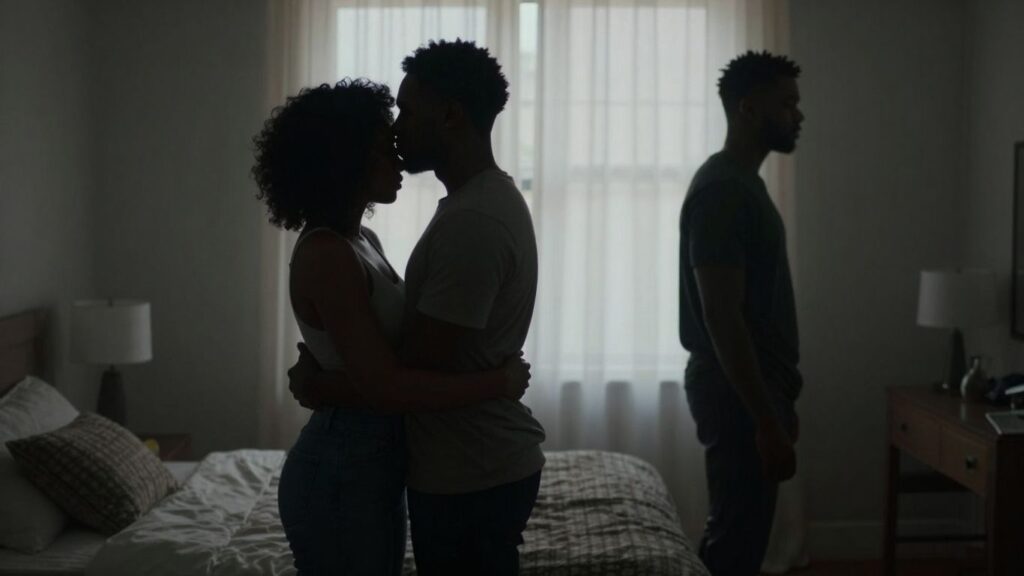
It’s a strange thing, isn’t it? People often get into swinging, or similar arrangements, because they feel like they’re missing something in their primary relationship. They might say they want more excitement or variety, but sometimes, what they’re really chasing is a feeling of connection they can’t quite find elsewhere. It’s like trying to fill a hole with something that just doesn’t fit. The thrill of a new encounter, the shared experience with a partner watching someone else, it can feel incredibly intense, almost like a shortcut to deep intimacy. But is it the real deal? Often, it’s more like a simulation, a temporary fix that doesn’t address the underlying issues.
The Blurred Lines Between Swinging and Infidelity
This is where things get really murky. When does exploring with others become outright cheating? It’s a question many couples grapple with. If there’s no honest communication, if secrets are kept, or if feelings develop with outside partners without everyone being on board, then you’ve probably crossed a line. The whole point of ethical non-monogamy is supposed to be about consent and openness, but sometimes, the lines get fuzzy. It’s easy to fall into old habits of deception, even when you think you’re being progressive.
The Concept of ‘Don’t Ask, Don’t Tell’
‘Don’t Ask, Don’t Tell’ is a phrase you hear a lot in these circles. On the surface, it sounds like a way to avoid drama. You don’t ask your partner about their encounters, and they don’t ask you. The idea is to keep things simple and prevent jealousy. But here’s the catch: it can also be a breeding ground for unspoken resentments and a way to avoid dealing with difficult emotions. It’s a delicate balance. True ‘Don’t Ask, Don’t Tell’ means no lies are told, but it doesn’t mean you can’t talk if something comes up. It’s about respecting boundaries, not ignoring problems.
Here’s a quick look at how couples might approach communication:
- Initial Discussion: Setting clear rules and boundaries before any encounters happen.
- Check-ins: Regular, honest conversations about feelings and experiences.
- Conflict Resolution: Having a plan for how to address jealousy or hurt feelings.
- Exit Strategy: Knowing when and how to stop if it’s not working for one or both partners.
“Swingtowns has been awesome in this lifestyle ! Finding new couples to play with and of course hang with.” -Skaggszy98
The Psychological Drivers Behind Cuckoldry and Swinging

So, what’s really going on in people’s heads when they get into cuckoldry or swinging? It’s not as simple as just wanting more sex, though that’s part of it. For some, it’s about a really intense mix of emotions. Think about the “hot wife” scenario. It’s not just about the wife having sex with someone else; it’s often about the husband watching and getting off on it. He might see his wife as this amazing trophy, something to be displayed. It’s like saying, “Look how desirable my partner is, and she’s with me.” It’s a way to boost his own ego, almost like a status symbol.
Then there’s the whole masochism angle. For a small group, the pain and humiliation of seeing their partner with someone else is actually a turn-on. It’s a weird kind of agony that leads to ecstasy. They might feel worthless or inadequate, but that feeling itself becomes part of the thrill. It’s a complex emotional cocktail, for sure.
The Slut Madonna Complex and Sexual Arousal
This is where things get really interesting, and a bit confusing. The “Slut Madonna Complex” is a term that pops up, suggesting a split in how people view women, or even themselves. On one hand, there’s the idea of the pure, untouchable Madonna. On the other, there’s the “whore” or the “slut.” In some cuckoldry dynamics, the man might push his partner into sexual situations with others, and his arousal is tied to her perceived humiliation or degradation. It’s like he’s projecting these conflicting desires onto her, and her actions become the trigger for his own sexual excitement. It’s a way to explore taboo fantasies, blurring the lines between love, control, and sexual release.
Masochism and the Thrill of Agony
As mentioned, masochism plays a role for some. It’s not about wanting to be hurt physically, necessarily, but about deriving pleasure from emotional pain, jealousy, or a sense of degradation. Watching your partner with someone else can bring up feelings of envy, anxiety, and worthlessness. For the masochist, these intense negative emotions are paradoxically linked to sexual arousal. It’s a way to feel intensely alive, even if it’s through a lens of suffering. This can manifest in various ways, sometimes involving specific rituals or scenarios designed to heighten these feelings.
Displaying Partners as Desirable Trophies
This is a big one for many in the swinging and cuckoldry scenes. It’s about showcasing your partner. Think of it like collecting a rare item – your partner is the prize, and others get to admire or even interact with her, but ultimately, she comes home with you. This bragging rights aspect is huge. It’s a way for the individual to feel validated, attractive, and in control. The partner becomes a symbol of their own desirability and success in attracting and keeping a partner who is highly sought after by others. It’s a performance, in a way, where the partner’s desirability reflects back on the person displaying them.
- Validation: Seeing your partner desired by others boosts your own sense of attractiveness.
- Control: You dictate who interacts with your partner, maintaining a sense of ownership.
- Ego Boost: Your partner’s desirability becomes a reflection of your own success.
“Swingtowns, easy navigating the site, no harassing upgrade ads, easy to find people, premium is not over priced….Just keep swinging, just keeping swinging” -mrgood69
Societal Perceptions and the Normalization of Swinging
It’s pretty wild how much things have changed, right? What used to be whispered about in hushed tones is now, well, not exactly mainstream, but definitely more out in the open. The whole idea of swinging and open relationships is becoming less of a taboo and more of a recognized, albeit still niche, lifestyle choice for some couples. It’s like society’s slowly starting to accept that relationships can look different than the traditional model.
The Dilution of the Concept of Cheating
This shift in perception really messes with how we think about cheating. When couples openly engage in sexual activity with others, the lines get blurry. It’s not always about betrayal anymore; for some, it’s a consensual agreement. This has led to a situation where the very definition of infidelity is being questioned. For many, the act itself isn’t the issue, but rather the emotional entanglement that might arise from it.
- Consent: The presence of mutual agreement changes the dynamic entirely.
- Secrecy vs. Openness: The difference between hidden affairs and acknowledged encounters is significant.
- Emotional Connection: The depth of feelings involved often dictates whether it’s perceived as cheating.
Cuckoldry and Swinging as Increasingly Normative Behaviors
It’s fascinating to see how popular terms like ‘cuckoldry’ and ‘swinging’ have become in online searches. It suggests a growing curiosity and, for some, an active participation in these dynamics. While exact numbers are hard to pin down, estimates suggest a notable percentage of couples are exploring open relationships. This isn’t just a fringe movement anymore; it’s becoming a more visible part of the relationship landscape.
| Lifestyle Choice | Estimated Couple Percentage |
|---|---|
| Swinging | 3-5% |
| Open Relationships/Cuckoldry | Up to 10% (combined) |
The Impact on Relationship Formation and Trust
So, what does all this mean for how people form relationships and build trust? It’s a complex question. On one hand, these open dynamics can lead to a deeper understanding and communication within a couple if handled with care. On the other hand, there’s always the potential for jealousy, insecurity, and the erosion of trust if boundaries aren’t clearly defined and respected. It really boils down to the individuals involved and their commitment to honesty and open dialogue.
“Swingtowns.com has been one of the best places for meeting like minded and fun party people. I’m always looking to meet new people and this site never fails.” -PoundnSand
It’s a whole new ballgame out there, and it seems like the rules are still being written. What was once considered scandalous is now just another way some people choose to live their lives and love.
Wrapping It Up
So, what does all this tell us about why people get into swinging? It’s complicated, for sure. It’s not just about sex, even though that’s a big part of it. For some, it’s about exploring desires they can’t act on elsewhere, maybe even testing the strength of their own relationship. There’s a thrill, a risk, and sometimes, a strange kind of intimacy that comes from sharing something so intense with your partner. But it’s also clear that this lifestyle isn’t for everyone, and it comes with its own set of anxieties and potential heartaches. Ultimately, understanding the psychology behind swinging means looking at a mix of personal desires, relationship dynamics, and the complex ways people seek connection and excitement.
Frequently Asked Questions
Why do people keep their swinging lifestyle a secret?
Many people choose to keep swinging private because of the thrill of secrecy. It can feel exciting to have a hidden part of their lives. Also, they might worry about what friends, family, or coworkers would think, so they keep it separate to avoid judgment or misunderstandings.
What are the main emotions involved in swinging?
Swinging can bring up a mix of feelings. There’s often a rush of excitement and thrill from new experiences. But it can also lead to anxiety, jealousy if emotional bonds form with others, and even guilt about involving a partner in this lifestyle.
How does swinging affect power in relationships?
In swinging, women often find they have more say and control over their sexual experiences. This can lead to a feeling of empowerment. However, sometimes partners can be treated more like objects for pleasure rather than individuals, which has its own set of issues.
Can swinging lead to exploring different sexual interests?
Yes, swinging can be a space where people feel more comfortable exploring things like bisexuality or homosexuality. In a setting where there’s less judgment, individuals might feel freer to experiment and understand their own desires without pressure.
Is swinging a way to avoid real intimacy?
For some, swinging might be used as a way to avoid the deeper emotional work that true intimacy requires. It can blur the lines between casual sexual encounters and genuine connection, sometimes leading to confusion or a sense of deception, even within agreed-upon boundaries.
Does swinging make cheating acceptable?
Swinging itself, when practiced openly and with consent between partners, isn’t typically seen as cheating within that relationship. However, if rules are broken, secrets are kept, or feelings develop for others without agreement, it can easily cross the line into infidelity.
Privacy as a Choice — Understanding the Need for Discretion
Explore a community where privacy, consent, and emotional safety are respected at every level. Connect with people who understand the psychological reasons behind discretion and value clear boundaries. Discover conversations and events designed to support authentic connection without unnecessary exposure. Sign up for a free account on SwingTowns to begin your adventure.
“Great site. Met some great people. Feel secure and private and safe with the site. Definitely recommend!” -Anguslove


