
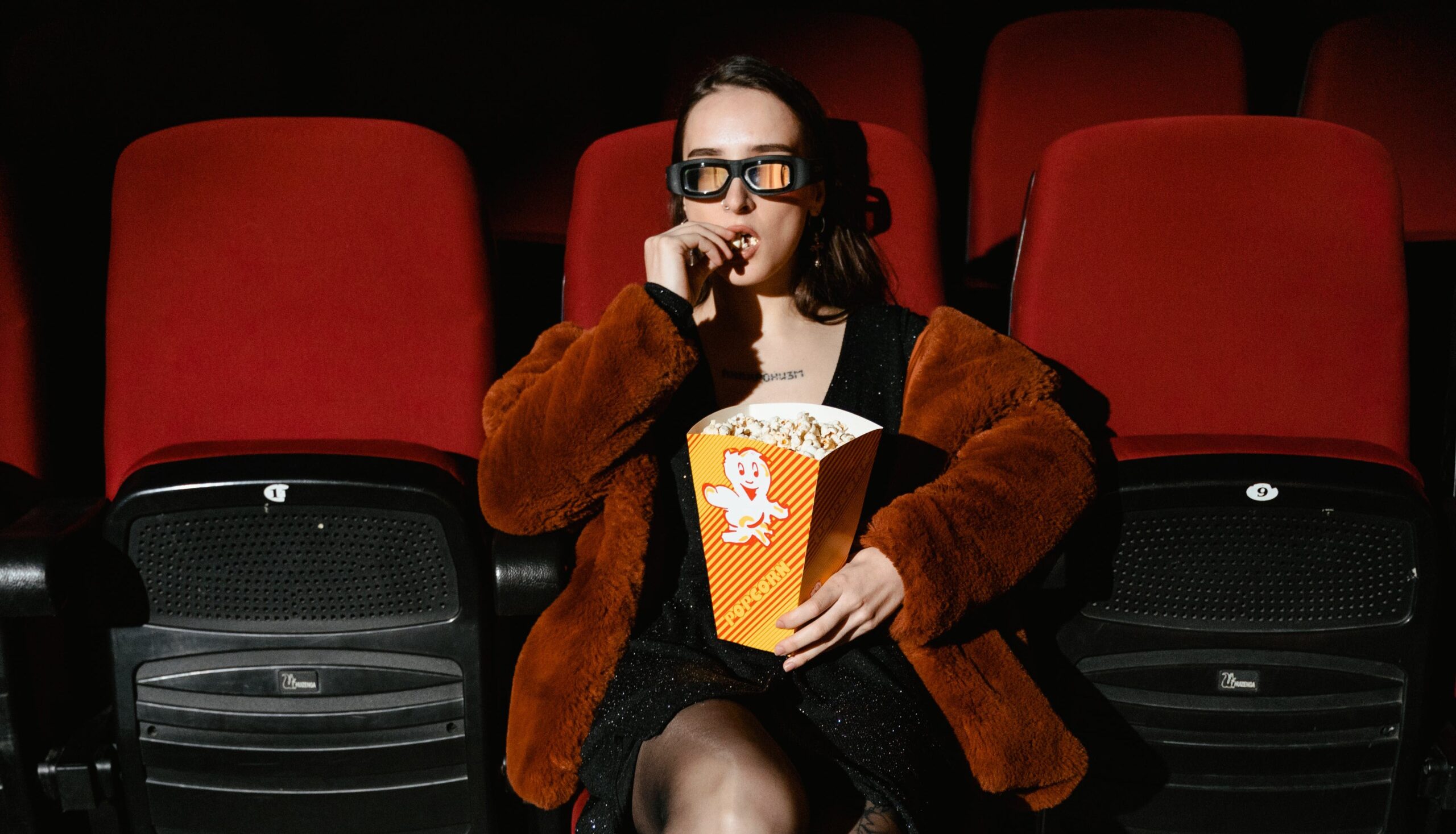
The swinger lifestyle, characterized by consensual non-monogamous sexual activities, has been subject to various portrayals and misrepresentations in the media. Media representation tends to focus on the sexual aspects of swinging, emphasizing the thrill and excitement rather than the emotional connections and communication that are integral to the lifestyle. This can contribute to misunderstandings and judgment from those outside the community.
Furthermore, media misrepresentation of swinging can also perpetuate harmful stereotypes and reinforce gendered power relations. Females are often portrayed as passive objects of male desire, instead of being presented as active agents who assert themselves.
We should not underestimate the impact of these media portrayals on public perception. Misrepresentation can stigmatize the swinger community, hindering their recognition as legitimate participants in society.

Historical Portrayal
The media’s representation of swinging has evolved significantly over the past decades. In the past, secrecy shrouded swinging, and open discussions were rare. Movies, literature, and television shows often depicted it as a taboo and deviant practice. These portrayals typically presented swingers as immoral and promiscuous individuals, contributing to society’s negative perceptions of swinging.
However, with the advent of the sexual revolution in the 1960s and 1970s, media representations began to shift. Media portrayals began to present swinging as a consensual and alternative lifestyle choice, challenging traditional notions of monogamy and marriage. Movies like “Bob & Carol & Ted & Alice” (1969) depicted swinging from a more positive and open-minded perspective.
In recent years, media representation of swinging has become more nuanced. The portrayal of swinging has moved beyond stereotypes and explored the complexity of relationships within the lifestyle. Documentaries like “The Lifestyle” (1999) have provided an inside look into the swinging community. While reality TV shows like “Swingers” (2019) have showcased the everyday lives of swingers, shedding light on the challenges and benefits.
Overall, the media’s portrayal of swinging has shifted from a negative and sensationalized narrative to a more balanced representation. Efforts are growing to portray swinging as a valid lifestyle choice that can be explored consensually and responsibly.
Misrepresentation and Stereotypes
Popular media platforms have contributed to the misrepresentation of swinging. For instance, the Dr. Phil show has portrayed swingers as failed relationships who turn to swinging as a last resort. This portrayal discounts the fact that swinging is often a fulfilling choice made by couples who have strong relationships.
Additionally, mainstream media shows like the Springer show have equated swingers with deviant behaviors. This misrepresentation further stigmatizes the swinging community, failing to acknowledge the diversity of individuals engaged in this lifestyle.
These instances of misrepresentation in the media perpetuate stereotypes and hinder accurate understanding of swinging. It is essential to challenge these misconceptions by highlighting the consensual nature of swinging . By promoting a more accurate portrayal of swinging, we can combat the negative stereotype.
Authentic Representation
Authentic representation plays a crucial role in shaping public perceptions and understanding of various communities and lifestyles. Accurate and respectful portrayals in the media are essential for dispelling myths and misconceptions surrounding the swinger lifestyle.
One example of such a portrayal is the film “Bloom Up: A Swinger Couple Story,” which provides an honest and sex-positive look at the swinger lifestyle. This film explores swinging as a consensual choice made by adults who prioritize communication, trust, and personal fulfillment. By presenting swinging in a respectful manner, the film contributes to a broader understanding of this community.
Authentic representation is vital for educating the public about swinging and dispelling misconceptions. By showcasing the personal experiences and daily lives of individuals within the swinging community, media representations can challenge negative stereotypes. Additionally, authentic representation helps to address the curiosity surrounding swinging in a responsible and informative manner.
The Role of Reality TV and Documentaries
Reality TV shows and documentaries have played a significant role in shaping the public’s perception of swinging. While these programs provide glimpses into the lives of individuals who engage in swinging, it is imperative to analyze their impact on normalizing or sensationalizing the lifestyle.
Some reality TV shows and documentaries present swinging as a normal part of individuals’ personal experiences and daily lives. These portrayals aim to demystify swinging and challenge societal norms around monogamy. By showcasing open and honest conversations, they shed light on an alternative way of approaching relationships and highlight the importance of consent and communication.
However, it is important to acknowledge that some reality TV shows and documentaries tend to sensationalize swinging. The focus more on the drama and conflict rather than understanding it as a valid lifestyle choice. This misrepresentation can perpetuate stereotypes and reinforce negative perceptions about swinging.
Swingers in the Digital Age
In the digital age, swinging has found its way into the spotlight through various reality TV shows and documentaries. One notable example is “Secret Sex Lives: Swingers,” a reality show that profiles swinger couples and their experiences.
These types of shows have sparked both praise and controversy for their portrayal of swinging. On one hand, they have been praised for shedding light on a once-taboo lifestyle and providing an opportunity for swinger couples to share their personal experiences. By showcasing the daily lives of swingers, these shows aim to normalize swinging and challenge societal stereotypes.
However, there is also the concern that such shows sensationalize the lifestyle, focusing more on the drama and explicit content rather than the emotional and personal aspects. This can perpetuate stereotypes and further stigmatize the swinging community.
The Swinger Community’s Response
The swinger community has actively responded to the misrepresentations and lack of authentic narratives in the media. Community-led initiatives have emerged to correct these inaccuracies and provide a more accurate portrayal of swinging and its participants.
One of the ways the swinger community is addressing misrepresentation is by sharing personal experiences and daily lives through popular culture and everyday life media platforms. By doing so, they aim to debunk stereotypes and provide a more comprehensive understanding of what it means to be a swinger.
Additionally, the community has sought out role models and female influencers within their own ranks to act as social media influencers. These influencers challenge neoliberal feminisms and popular feminism by showcasing the diversity of experiences and presenting a more nuanced perspective on swinging.
Through political engagement and their own efforts, swingers have successfully changed public perception. By engaging with academic outlets like Polity Press and promoting their experiences in the public sphere, they have managed to challenge gendered power relations and stereotypes associated with swinging.
Moving Forward: Towards a Balanced Portrayal
Swinging is a lifestyle choice that has often been misrepresented or sensationalized by the media. It is crucial to encourage responsible journalism and storytelling to ensure a more accurate and balanced portrayal of swingers and their experiences.
Swingers, like any other group, have their own daily lives and personal experiences that go beyond their participation in swinging. It is important for the media to recognize this and present a more holistic view of their lives. By focusing solely on their lifestyle, the media often perpetuates stereotypes and fails to capture the full spectrum of their identities.
The role of swingers in engaging with the media is also significant. By sharing their authentic experiences, swingers have the power to challenge misrepresentations and provide a glimpse into their everyday lives. This can help dispel myths and misconceptions, while fostering understanding and acceptance.
Furthermore, the media should strive to feature diverse voices and perspectives within the swinging community, including female influencers and social media influencers. By doing so, they can move away from narrow portrayals and showcase the range of experiences and contributions that swingers make in various aspects of society.
As we move forward, it is essential to recognize the influence of media on shaping public opinion. Through responsible journalism and storytelling, we can create a more nuanced representation of swingers that reflects their realities and challenges existing stereotypes.
Journey into Joy: Discover a World Where Every Encounter Ignites Infinite Excitement
Dive into the heart of a community where boundaries blur and the spirit of exploration thrives. Join us on SwingTowns, where you’ll find a welcoming space brimming with opportunities for genuine connections and unforgettable experiences. Embark on your adventure by signing up for a free account on SwingTowns today, and let the endless fun begin!
“Wow!! This site is absolutely amazing. Me and my lady have met some fun sexy people on here and got some great feedback from other couples about our profile.” -JessnOsc77


