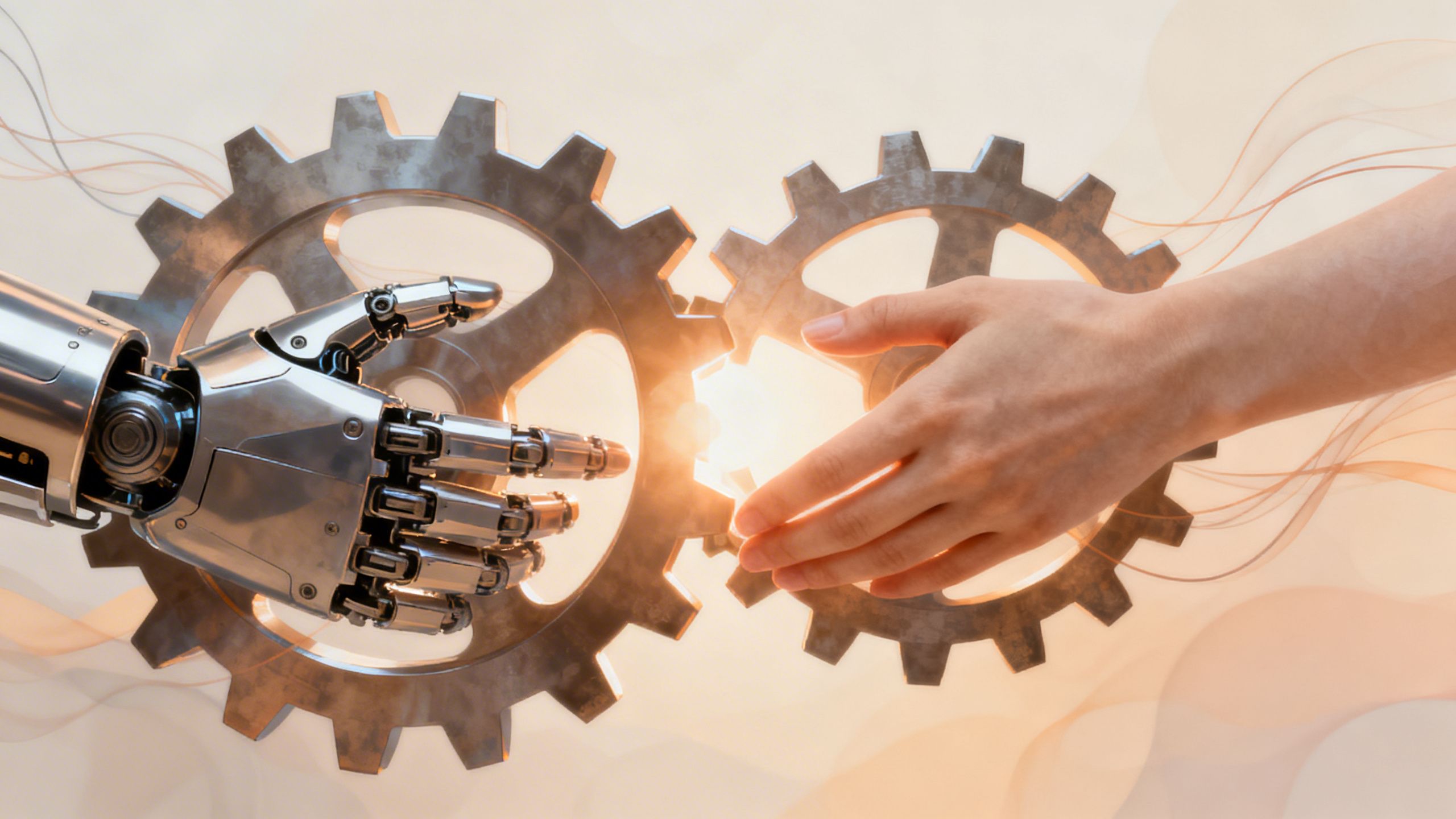
AI is changing a lot of things, and the world of BDSM is no exception. It’s pretty wild to think about, right? As these tools get better, we’re all left wondering how to use them without causing problems. This isn’t just about making cool stuff; it’s about being responsible. We need to think about consent, privacy, and making sure we’re not hurting real people or their work. Let’s break down how creators can keep things ethical when playing with AI in this space.
Community Standards for AI in BDSM: Ethics Guidelines Creators Can Adopt
- Always think about your intentions and the actual impact of the AI content you create or consume. Aim for respect and consent in all interactions.
- Be aware that AI training data can be a problem, often using scraped content without permission. This can harm real creators and performers.
- When making AI content, avoid harmful portrayals and stereotypes. Respect privacy, especially when dealing with likenesses of real people.
- Understand that making money from AI content can be tricky. Check platform rules and local laws, particularly regarding intellectual property and the use of someone’s image.
- Build trust by being open about how you use AI. Educate yourself and others on ethical boundaries and always have safeguards in place.
Understanding The Ethical Landscape Of AI In BDSM
Navigating Intentions And Impact
When we talk about AI in BDSM, we can easily lose sight of the human side while focusing on the tech.
But really, it starts with us. What are you trying to do with these tools? Are you exploring creative ideas, or something else? The core of ethical use lies in your intentions and the actual impact your creations have. If you’re making content that’s consensual, respectful, and doesn’t hurt anyone, that’s a good start. We recognize these tools can be used to create harmful content—like non-consensual explicit images—and we choose not to use them that way.
It’s a personal balance, trying to use AI for fun or art without crossing lines.
Addressing Broader Societal Implications
Beyond personal use, there are bigger issues at play. Think about how AI models are trained. A lot of them learn from data scraped off the internet. This means they might have been fed material that wasn’t shared freely or ethically. This is a huge problem, potentially including copyrighted work or even worse. We also have to consider the potential for misuse on a larger scale – things like deepfakes or content designed to harass. It’s a messy situation, and being aware of these wider effects is part of being a responsible creator or consumer.
The Complexities Of AI Training Data
Let’s get a bit more specific about that training data. Imagine an AI learning to create images. It needs to see a lot of examples. Where does it get them? Often, it’s from the vast, unfiltered expanse of the internet. This data can include anything and everything, and there’s often no check on whether the original creators of that content gave permission for it to be used in training an AI. This raises serious questions about copyright, intellectual property, and the exploitation of artists and performers. It’s a bit like building a house with bricks taken from other people’s walls without asking. The lack of transparency in how these datasets are compiled makes it hard to know exactly what ethical lines are being crossed before the AI even starts generating anything.
Establishing Responsible AI Use For Creators

Okay, so we’ve talked about the big picture stuff, but let’s get down to what you can actually do. When you’re messing around with AI for adult content creation, it’s easy to get caught up in the novelty. But we gotta be real about how we’re using these tools. It’s not just about what’s technically possible; it’s about what’s right.
Prioritizing Consent And Respect
This is the big one, folks. Consent isn’t just for real-life interactions; it’s a must for AI-generated content too. Think about it: if you’re creating something that looks like a real person, even if it’s just for your eyes only, you’re playing with fire. Using someone’s likeness without their okay? That’s a hard no. It doesn’t matter if they’re famous or not. We’re talking about respecting people’s digital selves.
Here’s a quick rundown on keeping things respectful:
- No Real People Without Permission: Seriously, don’t generate explicit content of actual individuals. It’s a violation of their privacy and can have serious legal consequences.
- Focus on Fictional Characters: If you want to explore specific kinks or scenarios, stick to creating entirely fictional characters. This keeps you on safe ground.
- Be Mindful of Your Audience: If you plan to share your AI creations, make sure they align with community guidelines and don’t depict anything illegal or harmful.
Avoiding Harmful Portrayals And Stereotypes
AI models learn from the data they’re fed, and guess what? That data often includes all sorts of biases and harmful stereotypes that are already out there on the internet. If we’re not careful, our AI creations can end up reinforcing those bad ideas. We need to actively push back against that.
Think about:
- Body Image: Are your AI creations promoting unrealistic beauty standards? Try to generate diverse body types.
- Gender and Sexuality: Avoid falling into tired tropes. Explore a wide range of identities and expressions respectfully.
- Power Dynamics: Be aware of how power is portrayed. Is it consensual and healthy, or does it lean into harmful dynamics?
Mindfulness Of Privacy Concerns
When you use AI tools, especially those for adult content creation, you need to know where your data is going. Some platforms might store your creations, or even use them to train their models further. That’s why understanding the privacy policies of these services is super important. If you’re creating something personal, you want to be sure it stays personal. Look for tools that offer local generation or clear data deletion policies. This is part of the broader AI safety guidelines for online communities – everyone needs to be aware of how their digital footprint is being managed.
Navigating The Nuances Of AI-Generated Content
Okay, so we’ve got these AI tools that can whip up pretty much anything you can imagine, especially in the adult content space. It’s wild, right? But with that power comes a whole lot of questions about what’s okay and what’s not. It’s not always a clear-cut path, and honestly, it feels like we’re still figuring a lot of this out as we go.
The Line Between Creative Expression And Exploitation
This is where things get really sticky. On one hand, people are using these AI generators for all sorts of creative exploration. Maybe it’s about exploring personal kinks in a private way, or perhaps it’s just a new form of digital art. The idea is to express yourself, right? But then there’s the flip side: exploitation. When AI models are trained on data scraped from the internet without permission, that’s a huge problem. It means real people’s work, and potentially their likenesses, are being used without their say-so. It’s a delicate balance between using a tool for personal expression and potentially profiting from or perpetuating the unauthorized use of others’ creations.
Consent is the big word here. If you’re creating content that involves real people’s likenesses, even if it’s just a digital representation, you’ve got to think about whether that’s something they’d be okay with. It’s easy to cross a line without even realizing it, especially when the technology makes it so simple to generate things that look incredibly real.
Understanding Platform Policies And Transparency
Every platform that offers AI generation tools has its own set of rules. Some are super strict about what you can and can’t create, especially when it comes to explicit content or using real people’s images. Others might be more lenient, but that doesn’t automatically make it ethical.
Here’s a quick rundown of what to look out for:
- Terms of Service: Always, always read these. They’ll tell you what’s allowed and what’s not.
- Content Moderation: How does the platform handle content that violates their rules?
- Data Usage: Does the platform explain how they use your data and your creations?
- Transparency: Are they open about how their AI models are trained?
It’s kind of like knowing the rules of a game before you start playing. If you don’t know the rules, you might end up breaking them without meaning to, and that can lead to trouble.
The Role Of Open-Source AI In Ethical Considerations
Open-source AI is a bit of a double-edged sword. On the one hand, it means more people can access and experiment with these powerful tools. This can lead to innovation and a wider range of creative possibilities. People can build upon existing models, tweak them, and make them do new things.
However, open-source also means less control. If a model is released into the wild, it can be used for pretty much anything, including things that are harmful or unethical. There’s less oversight, and it can be harder to track how the technology is being used or misused. It puts more of the responsibility on the individual user to be mindful of their actions and the potential consequences.
So, yeah, it’s complicated. We’re in a new era of digital creation, and figuring out the ethical boundaries with AI is going to be an ongoing conversation. It requires us to be more thoughtful about our choices and the potential ripple effects they can have.
Protecting Real-World Creators And Performers

It’s easy to get caught up in the novelty of AI-generated content, but we really need to think about the people behind the original work. When AI models are trained, they often pull from vast amounts of data scraped from the internet. This can include photos, videos, and other creative works made by real individuals, sometimes without their knowledge or permission. This raises some serious questions about their livelihoods and their rights.
The Impact On Livelihoods And Intellectual Property
Think about it: if AI can churn out endless amounts of content that looks and sounds like a real person’s work, what happens to the creators who spent years honing their skills? Their original art, performances, or writing could be devalued or even replaced. This isn’t just about losing income; it’s about the potential for their unique style and creative output to be mimicked and distributed without any credit or compensation. It’s a tricky situation, and one that could really shake up creative industries.
Addressing Unauthorized Use Of Likenesses
This is a big one, especially with AI’s ability to create realistic deepfakes. Imagine your face or voice being used in content you never agreed to, or worse, in harmful or explicit material. Protecting an individual’s likeness from unauthorized AI replication is becoming a major ethical and legal challenge. This isn’t just a theoretical problem; it’s happening now, and it can cause significant distress and damage to a person’s reputation and personal life.
The Ethics Of Data Scraping For AI Training
So, how are these AI models learning? A lot of the time, it’s through data scraping, which is basically automated collection of information from the web. While this can be efficient, it often means that copyrighted material or personal images are scooped up without the owner’s consent. There’s a growing debate about whether this practice is fair, especially when the resulting AI-generated content is then used commercially. It feels a bit like building something new using stolen bricks, doesn’t it?
Here are some points to consider:
- Consent is Key: Real people should have a say in whether their work or likeness is used to train AI.
- Fair Compensation: If an AI model is trained on someone’s work and generates profit, should the original creator get a cut?
- Transparency: AI developers should be open about where their training data comes from.
- Legal Frameworks: We need clearer laws to address AI’s impact on intellectual property and personal image rights.
Building Trust Through Transparency And Guardrails

When we’re playing around with AI, especially in sensitive areas like BDSM content, trust is a big deal. It’s not just about the tech itself, but how we use it and how we make sure everyone involved feels safe and respected. This means being really clear about what the AI can and can’t do, and what our own limits are. Setting up clear rules and being open about them is how we build that trust.
The Importance Of Clear AI Ethics Frameworks
Think of an ethics framework like a set of guidelines for using AI responsibly. It’s not just a bunch of rules written down somewhere; it’s about actively thinking about the impact of the AI we use or create. For creators, this means having a plan for how to handle consent, privacy, and potential misuse. It’s about making sure the AI isn’t being used to create harmful content or exploit people. We need to invest time and resources into making sure our AI tools are working ethically, just like any other part of a business strategy.
Educating Users On Consent And Boundaries
AI can be a powerful tool for exploration, but it’s also important to educate the people using it. This includes making sure they understand what consent means in a digital space, even when interacting with an AI. AI models can be programmed to start conversations slowly and to ask for consent, and to include safe words or options to stop. This helps users practice setting boundaries and understanding consent in a low-stakes environment. It’s a way to teach healthy interaction habits that can carry over into real life.
Developing AI That Errs On The Side Of Caution
When building AI for intimate or BDSM-related content, it’s smart to program it to be cautious. This means the AI should be designed to avoid making assumptions or pushing boundaries without explicit permission. For example, an AI might be prompted to always introduce safe words and check in about comfort levels, even in role-play scenarios. This approach helps prevent accidental harm and reinforces the importance of ongoing consent. It’s about building AI that respects limits by default, rather than needing to be told them every single time.
Monetization And Legal Considerations For AI Content
So, you’ve been playing around with AI tools, maybe creating some interesting images or stories. Now you’re wondering if you can actually make some money from it. It’s a bit of a tricky area, honestly. Monetizing AI-generated content, especially anything adult-themed, can land you in a legal and ethical gray zone. It’s not as simple as just uploading your creations and expecting a payday.
Navigating The Gray Areas Of Monetization
When it comes to making money from AI art or text, the first thing to check is the platform’s terms of service. Some platforms are really strict about selling AI-generated stuff, particularly if it’s explicit. Others might be more lenient, but you still need to be careful. Are you using someone else’s copyrighted material to train your AI, or did the AI itself pull from ethically questionable sources? These are big questions. If you’re not sure, it’s probably best to steer clear of trying to profit from it.
Understanding Legalities Around Real People’s Likenesses
This is where things get really serious. Creating content that looks like a real person, especially celebrities or public figures, without their permission? That’s a huge legal risk. Even if the AI can do it, you probably shouldn’t. We’re talking about potential lawsuits for defamation, privacy violations, or misuse of likeness. It’s a minefield, and frankly, it’s just not worth the trouble or the harm it can cause.
Ensuring Compliance With Platform Terms And Local Laws
At the end of the day, you’ve got to cover your bases. This means:
- Reading the fine print: Always, always read the terms of service for any AI tool you use and any platform where you might share or sell content.
- Knowing your local laws: Laws about intellectual property, privacy, and adult content vary wildly. What’s okay in one place might be illegal in another.
- Being honest about AI: Transparency is key. Don’t try to pass off AI work as entirely human-made if it’s not.
Remember, the AI models themselves are often trained on data scraped from the internet. If that data includes work from real artists or performers without their consent, using the AI output commercially could be seen as profiting from that exploitation. It’s a complex web, and being mindful of these issues is part of being a responsible creator in this new landscape.
The Future Of AI And Intimacy: A Mindset Of Intentionality
AI is changing how we think about connection, and honestly, it’s a lot to take in. We’re seeing tools that can create images, stories, and even voices that feel incredibly real. This isn’t just about adult content; it’s about how we define intimacy itself in a digital world. The big question that keeps coming up is about consent and AI in intimate technology. How do we make sure we’re being responsible when the lines between reality and simulation are getting blurrier by the day?
Reflecting On Personal Values In Digital Spaces
It’s easy to get caught up in the novelty of AI, but we really need to pause and think about what we’re doing and why. When AI can generate almost anything, it forces us to look at our own values. What does it mean to be ethical when the rules are still being written? It’s about being honest with ourselves about our desires and how we express them, especially when technology makes it so easy.
The Evolving Conversation Around AI And Desire
This whole area is new territory. We’re seeing AI companions that offer a kind of connection, and some people find it helpful, maybe after a breakup or just for practice. The idea is that you can restart a conversation if it doesn’t go right, which is different from real life. But that also brings up questions about what we expect from human relationships. The conversation is changing fast, and we’re all figuring it out as we go.
Wielding AI Tools With Care And Consciousness
Ultimately, the technology itself isn’t good or bad; it’s how we use it. Think of it like any tool. We can use it to explore, to create, or to connect in new ways. But we have to be mindful. This means being aware of the impact our actions might have, even in digital spaces. It’s about approaching these new possibilities with a sense of care and a clear head.
Here are some things to keep in mind:
- Be clear about your intentions: Why are you using this AI tool?
- Consider the source: Where is the AI model trained? Does it respect privacy?
- Think about the output: What kind of content are you creating or consuming?
- Respect boundaries: Even with AI, ethical considerations matter.
Wrapping Up: The Path Forward
So, where does this leave us? AI in adult content, especially BDSM, is a tricky space. It’s here to stay, and it’s changing things fast. The big takeaway is that we all need to be more aware. Think about where the AI learned its stuff – was it ethical? And when you’re creating or using content, consider who it might affect. It’s not about finding perfect answers, but about being thoughtful. Using these tools responsibly means respecting boundaries, being mindful of consent, and honestly looking at why you’re using them and what impact that might have. It’s a personal choice, but one that requires a good dose of common sense and care for others.
Frequently Asked Questions
What are NSFW AI generators and why are they a big deal?
NSFW AI generators are computer programs that can create adult-themed images, stories, or even voices. They’re a big deal because they’re getting really good, making it easy for people to create all sorts of adult content. This brings up big questions about art, what’s okay to create, and how we treat each other online.
Is it okay to use these AI tools for adult content?
It’s a tricky question. Using them for your own private fun or creative ideas can be okay if you’re being respectful and not hurting anyone. But, it gets complicated when the AI learns from pictures or stories taken without permission, or when people use them to make fake, harmful content about real people.
What are the biggest ethical problems with these AI tools?
A major problem is that many AI tools learn from tons of pictures and text found online. Sometimes, this stuff was shared without the original creator’s okay, which isn’t fair. Also, people can use these tools to make fake explicit pictures of real people, like celebrities or even regular folks, which is a serious invasion of privacy and can be very harmful.
Can I make money from the adult content I create with AI?
Making money from AI-generated adult content can be a confusing area. Some websites have strict rules against selling this kind of stuff, especially if it uses someone’s image without permission or breaks copyright. It’s important to check the rules of the website you’re using and think about whether it’s ethical before you try to sell anything.
Are these AI tools safe for my personal information?
Safety depends on which AI tool you use. Some might save what you create or your personal details on their computers, while others let you keep everything on your own device. Always read the privacy rules and terms of service to understand how your information is handled. For the most privacy, look for tools that let you create and store things locally.
How do these AI tools affect real artists and performers?
These AI tools can really impact real people who make art or perform. Since the AI learns from content found online, often without permission, it can take away work and income from the very people whose creations were used to train the AI. This is a big concern for artists and performers trying to make a living.
Create & Explore — Where Ethical Play Sparks Endless Possibilities
Building AI-driven BDSM content can be thrilling—and it’s even better when it’s grounded in consent, clarity, and respect for everyone involved. Join a community of curious creators and explorers to share ideas, compare best practices, and keep your fantasies safe, authentic, and empowering. Ready to connect and create with confidence? Sign up for a free SwingTowns account to begin your adventure today.
“Swingtowns has been awesome in this lifestyle ! Finding new couples to play with and of course hang with.” -Skaggszy98