

Ever wondered why some couples keep their relationship choices quiet? It’s a complex decision, often driven by a mix of personal feelings, external pressures, and a desire to protect what they have. This article explores the hidden reasons behind why some couples choose to be closet swingers, looking at the ‘why’ behind their private arrangements. It’s not always about shame; sometimes, it’s about strategy and self-preservation in a world that doesn’t always understand.
Key Takeaways
- Many couples keep their non-monogamous relationships private to avoid judgment from family, friends, or their community.
- Fear of being seen as ‘sinful’ or ‘perverted’ can lead couples to maintain a public image of monogamy.
- Personal reasons, like seeking deeper emotional connections or fulfilling diverse needs, can drive non-monogamous choices, but societal views often push these into secrecy.
- Maintaining privacy can be stressful, leading to isolation, but it’s sometimes seen as necessary to protect existing relationships and personal peace.
- Cultural background, ethnic influences, and professional reputations can play a big role in why couples decide to keep their relationship choices hidden.
Navigating Societal Judgement
Community Disapproval of Non-Monogamy
Let’s be real, stepping outside the traditional relationship box often means facing some serious side-eye. Most of us grew up with the “one true love” story, so anything else can feel like betrayal. It’s common for people to feel confused or even judgmental when they hear about couples exploring relationships beyond monogamy. This disapproval can come from all corners – friends, family, even casual acquaintances. It’s like there’s an unwritten rulebook, and deviating from it can make you feel like you’re suddenly the odd one out.
Fear of Being Labeled as Sinful or Perverted
This is a big one. For many, societal norms are deeply tied to religious or moral beliefs. When a couple chooses a path like closet swinging, it can easily be misinterpreted as something morally wrong or even deviant. People might jump to conclusions, assuming the worst without understanding the nuances or the emotional landscape of the relationship. This fear of being labeled – as sinful, perverted, or just plain “wrong” – can be a huge source of stress and anxiety, making open communication about their choices feel impossible.
Maintaining a Publicly Monogamous Facade
Because of that judgment and fear, many couples feel they have no choice but to keep their explorations private. This means putting on a brave face, acting like everything is “normal” on the outside, even when their inner world is quite different. It’s a constant performance, and it can be exhausting. Think about it: you’re living a double life, carefully curating what you share and with whom. This can lead to a feeling of being disconnected, even from people you’re close to, because you’re always holding back a significant part of your reality.
Here’s a look at how common this feeling of needing to hide can be:
| Aspect of Relationship | Percentage of Couples Feeling Pressure to Conceal |
|---|---|
| Non-monogamous dynamics | 78% |
| Specific sexual interests | 65% |
| Emotional connections outside the primary partnership | 55% |
“This is an amazing place to explore and experience. The best online platform for swinging.” -Decentfinder
Personal and Emotional Motivations
Sometimes, the reasons couples explore closet swinging go way beyond just physical attraction or a desire for novelty. It often stems from a deep-seated need to connect on different levels, or perhaps to address things that feel missing within the primary relationship. It’s not always about adding more people, but about finding ways to feel more complete as individuals and as a couple.
Desire for Deeper Connection Beyond Monogamy
Many couples find that traditional monogamy, while comfortable, doesn’t always satisfy every emotional or intellectual need. They might feel a pull to explore different facets of themselves and their desires, believing that doing so can actually strengthen their bond. It’s like realizing your favorite book has more chapters you haven’t read yet. This exploration isn’t about dissatisfaction, but about a desire for a richer, more multifaceted life together.
Seeking Fulfillment of Diverse Needs
People are complex, and it’s rare for one person to be everything to another. Couples may realize that some needs—intellectual, emotional, or physical—aren’t fully met within their marriage. Closet swinging can feel like a discreet way to explore those needs while keeping their relationship private and intact.
Managing Insecurities and Stress
This might sound counterintuitive, but for some, exploring outside connections can actually be a way to manage stress and insecurities. It could be about proving desirability to oneself, or finding validation in a way that doesn’t put pressure on the primary partner. Sometimes, having an outlet allows individuals to feel more secure and less demanding within their main relationship. It’s a delicate balance, for sure.
Here’s a look at how some couples describe these motivations:
| Motivation Category | Common Feelings Expressed |
|---|---|
| Connection | Feeling more understood, shared excitement, new perspectives |
| Fulfillment | Experiencing different dynamics, exploring new interests, personal growth |
| Security | Increased self-esteem, reduced relationship pressure, feeling more confident |
“I am enjoying swingtown and the way it is run. Hope to meet some great people who enjoy healthy sexy fun together. Life is tooo short not to.” -teaser71902
The Importance of a Trusted Confidant
When you’re involved in hidden affairs for couples, like closet swinging, it can feel like you’re carrying a heavy secret. It’s not just about the physical act; it’s about the emotional landscape, the new dynamics, and the potential judgment from the outside world. This is where having a trusted confidant becomes incredibly important. It’s not always easy to find someone who can truly listen without judgment, especially when the topic is unconventional.
The Need for an Unbiased Ear
Sometimes you need someone to talk to outside your primary relationship. This person can offer a clear, unbiased perspective without emotional or personal involvement. They can be a sounding board for your thoughts, fears, and excitement. Having this impartial voice can help you process your experiences more clearly. It’s about getting an honest take, not necessarily advice, but a space to simply be heard.
Sharing Joys and Frustrations
Like any relationship, closet swinging comes with its own set of highs and lows. There might be moments of intense connection, shared excitement, or newfound personal growth. Conversely, there can be stress, confusion, or moments of doubt. Without a confidant, these feelings can build up, leading to internal pressure. Sharing these experiences, both the good and the challenging, with someone you trust can be a huge relief. It validates your feelings and helps you feel less alone in your journey.
Finding Support Outside the Relationship
While your partner(s) are central to this lifestyle, they can’t always be the sole source of support. They have their own experiences and emotions to manage. A confidant outside the immediate dynamic provides a different kind of support. This person can encourage you, offer a fresh perspective, or simply listen when you need to vent. They can also strengthen your support system and help you stay grounded and well as you explore this path.
Challenges of Maintaining Secrecy

Keeping a secret, especially one as significant as secret couple swapping, can really weigh on you. It’s not just about hiding something; it’s about actively managing information and presenting a different reality to the world. For couples exploring non-monogamy secretly, this often means a constant low-level hum of anxiety.
The Stress of Concealing a Relationship
Living a double life, even a consensual one, takes a toll. There’s the mental energy spent remembering who knows what, crafting careful answers to casual questions, and the constant vigilance to avoid slip-ups. It can feel like walking a tightrope, where one wrong move could expose everything. This isn’t just about avoiding judgment; it’s about the internal conflict of not being fully authentic with people you interact with daily. The fear of discovery can lead to a feeling of being perpetually on edge.
Potential for Isolation and Loneliness
Ironically, a relationship that involves multiple people can sometimes lead to profound loneliness. When you can’t share the joys or frustrations of your experiences with your wider social circle, you lose out on a significant form of support. You might have a partner or partners to share with, but the unique perspective of friends or family who understand your background can be missing. This can make even happy moments feel a bit hollow, as they can’t be fully celebrated or processed with everyone important in your life.
The Burden of Misleading Others
There’s a distinct ethical weight that comes with actively misleading people. Even if the reasons for secrecy are understandable – protecting existing relationships or avoiding scrutiny – the act of deception itself can be uncomfortable. It can create a sense of guilt or distance, making genuine connection with those being misled feel difficult. It’s like carrying a hidden weight, affecting how you interact and feel in everyday situations.
Reasons for Choosing Closet Swinging
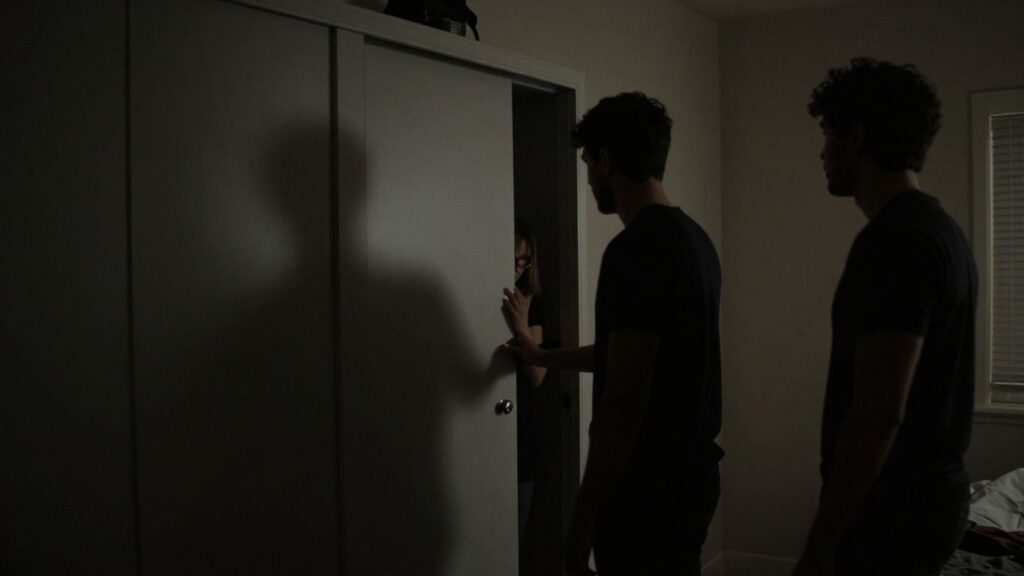
Sometimes, people choose to keep their discreet swinging lifestyle private for a mix of practical and personal reasons. It’s not always about shame; often, it’s about protecting what they already have.
Protecting Existing Relationships
For many couples, the decision to engage in swinging is a way to add excitement or fulfill certain needs without jeopardizing their primary partnership. They might feel that revealing this aspect of their lives to a wider circle could invite judgment or misunderstanding, potentially creating rifts within their existing social or family structures. Keeping it private allows them to explore this dynamic while maintaining the stability and public perception of their core relationship.
Avoiding Unwanted Scrutiny
Let’s be honest, non-monogamous relationships, even consensual ones like swinging, can still be a hot topic for gossip and judgment in many communities. Couples might opt for secrecy to sidestep uncomfortable questions, unsolicited advice, or outright disapproval from friends, family, or colleagues. This desire for privacy is a significant driver for maintaining a low profile. It’s about controlling who knows what and when, preserving their peace of mind.
Prioritizing Personal Peace
Ultimately, for some, the choice to swing discreetly comes down to what feels right and peaceful for them as individuals and as a couple. The energy required to manage external opinions or potential backlash can be draining. By keeping their swinging activities private, they can focus on the enjoyment and connection derived from the experience itself, without the added stress of societal expectations or the need to constantly explain or defend their choices.
The Role of Background and Profession

Cultural and Ethnic Influences on Acceptance
Sometimes, where you come from, your family’s traditions, or your ethnic background can really shape how you feel about relationships that aren’t strictly monogamous. In some cultures, there’s a strong emphasis on traditional family structures, and anything outside of that can be seen as a big deal. This can make people hesitant to explore things like closet swinging, even if they’re curious, because they worry about what their family or community would think. It’s like there’s this unspoken pressure to fit a certain mold. People might feel they have to keep their personal lives very private to avoid causing a stir or disappointing loved ones. It’s a delicate balance between personal desires and cultural expectations.
Professional Considerations and Reputation
Your job can also play a huge part in how open you can be about your relationship choices. If your profession places heavy weight on public image—such as teaching, politics, or certain corporate roles—you may take extra care to avoid anything others could misinterpret or use against you. Maintaining a professional reputation often means keeping personal matters strictly personal. People might worry that if word got out about their non-traditional relationship choices, it could affect their career, lead to gossip, or even cost them their job. This fear can push people further into the closet, making them very guarded about their private lives.
Navigating Diverse Community Expectations
It’s not just about your immediate family or your job; the broader community you’re part of matters too. Think about religious groups, social circles, or even just the general neighborhood vibe. Different communities have different ideas about what’s acceptable. If you’re part of a very conservative group, exploring something like closet swinging might feel impossible. On the flip side, if you’re in a more open-minded environment, you might feel more comfortable. But even then, there can be subtle pressures. It often comes down to a personal calculation: how much risk are you willing to take with your social standing or peace of mind versus the potential fulfillment you might find?
Here’s a quick look at how different factors might influence someone’s decision:
| Factor | Potential Impact on Closet Swinging Choice |
|---|---|
| Traditional Upbringing | Increased desire for secrecy |
| Public-Facing Career | Higher need for discretion |
| Conservative Social Circle | Stronger pressure to conform |
| Open-Minded Community | Potentially less need for secrecy |
“Really enjoying Swingtowns a lot! Very easy to use the app and lots of great people too.” -KarandBri1970
The Takeaway
So, what have we learned from peeking behind these closed doors? It’s clear that the reasons couples explore closet swinging are as varied as the couples themselves. For some, it’s about navigating societal pressures and personal beliefs that don’t quite fit the traditional mold. For others, it’s a way to add a new layer to their existing relationship, seeking excitement or a different kind of connection. Whatever the specific motivation, it often comes down to a desire for honesty, communication, and a unique path to happiness, even if that path isn’t always easy or understood by everyone else. It’s a reminder that relationships come in all shapes and sizes, and what works for one couple might be completely different for another.
Frequently Asked Questions
Why do some couples keep their non-monogamous relationships a secret?
Many couples choose to keep their relationships private because they worry about what others might think. Some people fear being judged, labeled as ‘wrong,’ or facing disapproval from their family, friends, or community. They might also want to protect their main relationship from outside opinions or interference, or simply prefer to keep certain parts of their lives private.
What does ‘closet swinging’ mean?
Closet swinging describes couples who practice non-monogamy—such as swinging or polyamory—while keeping it private from most people in their lives. They keep it hidden, or ‘in the closet,’ to avoid judgment or maintain a certain image in their social circles or workplaces.
Can keeping a relationship a secret be stressful?
Yes, keeping a relationship a secret can be very stressful. It takes a lot of energy to hide something important from others. This can lead to feelings of loneliness, isolation, and the constant worry of being found out. It can also make it hard to share the joys and challenges of the relationship with people who are close to you.
Why would someone want a relationship that isn’t just with one person?
People explore non-monogamous relationships for many reasons. Some feel it allows them to connect more deeply with different people, or to fulfill different emotional or physical needs that one partner might not be able to meet. It’s often about seeking more connection and personal growth, not about dissatisfaction with their primary partner.
Is it hard to have a trusted friend to talk to about these relationships?
It can be challenging to find someone you trust to talk to about a non-monogamous relationship, especially if your main social circle isn’t open to it. Having one person who listens without judgment, offers support, and can be a sounding board for both good and bad experiences is incredibly valuable. It helps ease the burden of secrecy and provides emotional support.
How do cultural or professional backgrounds affect whether people stay ‘in the closet’?
Cultural and religious backgrounds can strongly influence how acceptable non-monogamy is. Some communities are very traditional and may view these relationships negatively. Similarly, certain jobs or professional environments might have expectations of privacy or a certain image that could be threatened if a non-monogamous relationship were known. These factors often push couples to keep their relationships private to protect their reputation or avoid conflict.
Private by Design — How Discretion Supports Connection
Explore a community where discretion, consent, and respect shape every interaction. Connect with couples and individuals who value privacy while building authentic connections. Discover conversations and events designed to support safe, judgment-free exploration on your terms. Sign up for a free account on SwingTowns to begin your adventure.
“Swing Towns knows what’s up! Finally a platform where like minded people can connect.” -Cboy6983


