

Sexual performance anxiety is a common issue that affects many individuals, causing significant stress and impacting their sexual health and relationships. This article delves into the various aspects of sexual performance anxiety, including its symptoms, causes, and the treatments available. By understanding this condition better, individuals can take steps towards managing their anxiety and improving their sexual well-being.
Key Takeaways
- Sexual performance anxiety can manifest through both physical and mental symptoms, such as premature ejaculation and overwhelming sex-related worries.
- Common causes of sexual performance anxiety include psychological factors, relationship issues, and past traumatic experiences.
- There is a significant link between sexual performance anxiety and erectile dysfunction, often creating a cycle that exacerbates both conditions.
- Effective treatments for sexual performance anxiety typically involve a combination of medications and cognitive behavioral therapy (CBT).
- Practical strategies for coping with sexual performance anxiety include identifying triggers, practicing mindfulness, and maintaining open communication with your partner.
Recognizing the Symptoms of Sexual Performance Anxiety
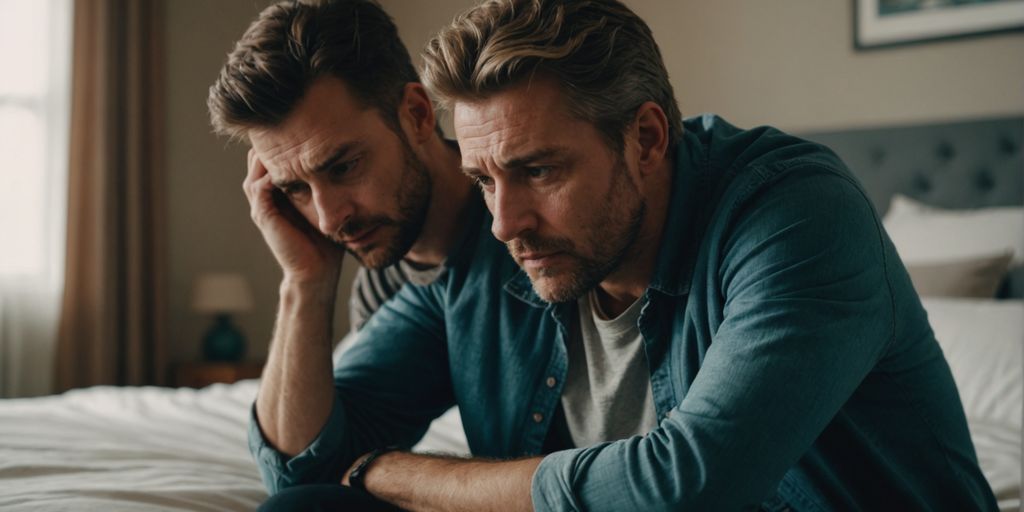
Sexual performance anxiety manifests in various ways, making it crucial to identify all potential symptoms. People experience this condition differently, so understanding the range of symptoms is essential for proper recognition and treatment.
Common Causes of Sexual Performance Anxiety

Sexual performance anxiety can stem from a variety of factors, often related to sexual experiences and personal insecurities. Understanding these causes is crucial for addressing and managing the anxiety effectively.
Psychological Factors
Psychological elements play a significant role in causing sexual performance anxiety. Concerns about performance, body image issues, and general anxiety disorder can all contribute to the problem. Additionally, societal pressures and unrealistic expectations about sexual activity can exacerbate these feelings.
Relationship Issues
Relationship dynamics are another critical factor. Problems such as lack of communication, unresolved conflicts, and emotional distance can lead to anxiety about sex. These issues can create a cycle where anxiety may further strain the relationship, making sexual intimacy even more challenging.
Past Traumatic Experiences
A traumatic experience, especially one related to sexual activity, can have long-lasting effects. Such experiences can cause deep-seated fears and anxieties that interfere with your sex life. Addressing these past traumas is essential for overcoming sexual performance anxiety.
Understanding the various causes of sexual performance anxiety is the first step towards finding effective solutions. Whether it’s psychological, relational, or rooted in past trauma, identifying the source can help in developing a targeted approach to treatment.
The Link Between Sexual Performance Anxiety and Erectile Dysfunction

Understanding Erectile Dysfunction
Erectile dysfunction is the inability to achieve or maintain an erection sufficient for satisfactory sexual performance. This condition can be influenced by various factors, including physical health, psychological state, and lifestyle choices. It’s important to distinguish between erectile dysfunction and other forms of sexual dysfunction, as the underlying causes and treatments may differ.
How Anxiety Contributes to Erectile Issues
Sexual performance anxiety can significantly impact erectile function. When a person experiences anxiety and mood disorders related to sexual activity, it can create a mental barrier that hinders their ability to achieve an erection. This anxiety can stem from various sources, such as fear of not satisfying a partner or past traumatic experiences. The psychogenic aspects of erectile dysfunction are complex and often intertwined with emotional and psychological factors.
Breaking the Cycle
Sexual performance anxiety and erectile dysfunction can create a vicious cycle. Initial anxiety can lead to erectile issues, which in turn heighten anxiety during subsequent sexual encounters. Breaking this cycle involves addressing both the psychological and physical aspects of the problem. Techniques such as cognitive behavioral therapy (CBT), mindfulness, and open communication with a partner can be effective in reducing anxiety and improving sexual performance.
Understanding the link between sexual performance anxiety and erectile dysfunction is crucial for effective treatment and management. By addressing both the mental and physical components, individuals can work towards overcoming these challenges and improving their sexual health.
Effective Treatments for Sexual Performance Anxiety
Medications and Their Role
Medications can play a significant role in the treatment of anxiety and mood disorders, including sexual performance anxiety. Commonly prescribed medications include antidepressants and anti-anxiety drugs, which can help alleviate the symptoms. However, it’s essential to consult with a healthcare provider to determine the most suitable medication for your specific needs.
Cognitive Behavioral Therapy (CBT)
Cognitive Behavioral Therapy (CBT) is a widely used approach in the center for treatment of anxiety. This form of therapy involves talking through your feelings with a therapist to identify and change negative thought patterns. CBT has been shown to be effective in reducing anxiety and improving overall mental health, making it a valuable tool in managing sexual performance anxiety.
Other Therapeutic Approaches
Several other therapeutic approaches can also be beneficial. These include:
- Sex therapy: Focuses on improving your sex life and addressing any underlying issues related to sex and intimacy.
- Couples counseling: Helps partners communicate better and resolve relationship issues that may contribute to anxiety.
- Guided meditations: Techniques like guided imagery therapy can help reduce stress and improve mental well-being.
- Mindfulness and yoga: These practices can help you stay present and reduce overall anxiety levels.
It’s important to remember that the effectiveness of these treatments can vary from person to person. Finding the right combination of therapies and medications can significantly improve your sexual lives and overall well-being.
Practical Strategies for Coping with Sexual Performance Anxiety

Identifying Triggers
Understanding what triggers your sexual performance anxiety is the first step toward managing it. Identifying these triggers can help you develop strategies to address them effectively. Common triggers might include fear of premature ejaculation, negative past experiences, or concerns about your sexual relationship. Keeping a journal to note when anxiety occurs can be a useful tool in pinpointing specific triggers.
Mindfulness and Relaxation Techniques
Mindfulness and relaxation techniques can significantly reduce anxiety levels. Practices such as mindfulness meditation, deep breathing exercises, and yoga can help you stay present during a sexual encounter, reducing the likelihood of anxiety taking over. These techniques can also improve your overall mental health, contributing to your sexual well-being.
Communication with Your Partner
Open and honest communication with your partner is crucial in managing sexual performance anxiety. Discussing your fears and concerns can foster a supportive environment, making it easier to address the issue together. This can also help in reducing the avoidance of sex, as mutual understanding and support can alleviate some of the pressure you may feel.
Building a healthy sex life involves both partners working together to overcome challenges. Avoiding sex or sexual avoidance can strain the relationship, so it’s essential to tackle these issues head-on.
By implementing these strategies, you can work toward reducing your anxiety and enjoying a more fulfilling sexual relationship.
When to Seek Professional Help
Signs You Need Professional Support
If your anxieties around sexual performance are affecting your relationships and quality of life, it may be time to seek professional help. Persistent symptoms that do not improve with lifestyle changes or relaxation techniques are also indicators. A healthcare provider can help you understand the underlying causes and recommend appropriate treatments.
Finding the Right Therapist
Finding a therapist who specializes in sexual health can make a significant difference. Look for licensed sex therapists, psychologists, or psychiatrists who have experience in treating sexual performance anxiety. They can offer therapies such as cognitive behavioral therapy (CBT) or couples counseling to help address your concerns.
Utilizing Mental Health Resources
There are various mental health resources available to help you manage sexual performance anxiety. These include:
- Licensed sex therapists
- Psychologists and psychiatrists
- Support groups
- Online therapy platforms
Don’t hesitate to seek help; addressing sexual anxiety with professional support can lead to more positive sexual experiences.
Seeking professional help can be a crucial step in overcoming sexual performance anxiety. It allows you to gain insights and strategies that can significantly improve your quality of life.
Recognizing when to seek professional help is crucial for maintaining healthy relationships and personal well-being. If you find yourself struggling, don’t hesitate to reach out for support. For more advice and resources on navigating complex relationship dynamics, visit our website today.
Frequently Asked Questions
Q: What is sexual performance anxiety?
A: Sexual performance anxiety is a type of performance anxiety where an individual feels stress or worry about their sexual abilities or experiences, which can affect their sex life.
Q: What are the symptoms of sexual performance anxiety?
A: Symptoms of sexual performance anxiety may include physical symptoms such as difficulty getting or maintaining an erection, inability to achieve orgasm, and feelings of anxiety or fear during sexual encounters.
Q: What causes sexual performance anxiety?
A: Causes of sexual performance anxiety can vary from individual to individual, but common factors may include past sexual experiences, relationship issues, pressure to perform, fear of rejection, or underlying health conditions.
Q: How does sex anxiety affect one’s sex life?
A: Sex anxiety can impact one’s sex life by creating a sense of pressure, fear, or worry during sexual activities, which may lead to difficulties in arousal, enjoyment, or performance.
Q: What are some treatments for sexual performance anxiety?
A: Treatment options for sexual performance anxiety may include therapy, medication such as selective serotonin reuptake inhibitors (SSRIs), mindfulness techniques, sensate focus exercises, and creating a safe and supportive sexual environment.
Q: What are the types of sexual dysfunction associated with sexual performance anxiety?
A: Sexual performance anxiety can contribute to various types of sexual dysfunction, including erectile dysfunction, premature ejaculation, delayed ejaculation, and inhibited sexual desire.
Q: How can one address feelings of anxiety towards sex?
A: Addressing feelings of anxiety towards sex may involve open communication with a partner, seeking therapy or counseling, exploring relaxation techniques, educating oneself on healthy sexuality, and facing any underlying issues that may contribute to the anxiety.
Unleashing Confidence – Where Discovery Meets Pleasure
Navigating sexual performance anxiety can feel daunting, but you’re not alone. At SwingTowns, we believe in the power of community to transform experiences and build confidence. Join our welcoming space where you can explore, connect, and discover new pleasures without judgment. Sign up for a free account on SwingTowns today and embark on your journey to endless fun and exploration!
“Great site. Met some great people. Feel secure and private and safe with the site. Definitely recommend!” -Anguslove


