

This article looks into the interesting area where sports and intimacy meet, specifically focusing on ‘sport fucking’. We’ll explore the psychological reasons why people might be drawn to this, especially within the context of the swinger lifestyle. It’s a topic that touches on adrenaline, pushing boundaries, and how physical activity can connect with deep personal feelings. We’ll also cover how people manage emotions, build trust, and find support when exploring these unique connections.
Key Takeaways
- The thrill of competition and adrenaline can really amp up intimate experiences, blurring the lines between physical exertion and sexual arousal.
- For those in the swinger lifestyle, sport fucking can be a way to explore desires while also navigating group dynamics and ensuring everyone feels good about it.
- Shared intense physical experiences, like those in sport fucking, can actually strengthen bonds and create new levels of intimacy within relationships.
- Managing emotions is a big part of any intimate exploration, especially in non-monogamous settings. Self-awareness and good coping skills are super important.
- Sport itself can be a powerful tool for emotional growth, helping people learn to regulate feelings, build trust, and connect with others on a deeper level.
Understanding the Psychological Drivers of Sport Fucking
The Role of Adrenaline and Competition
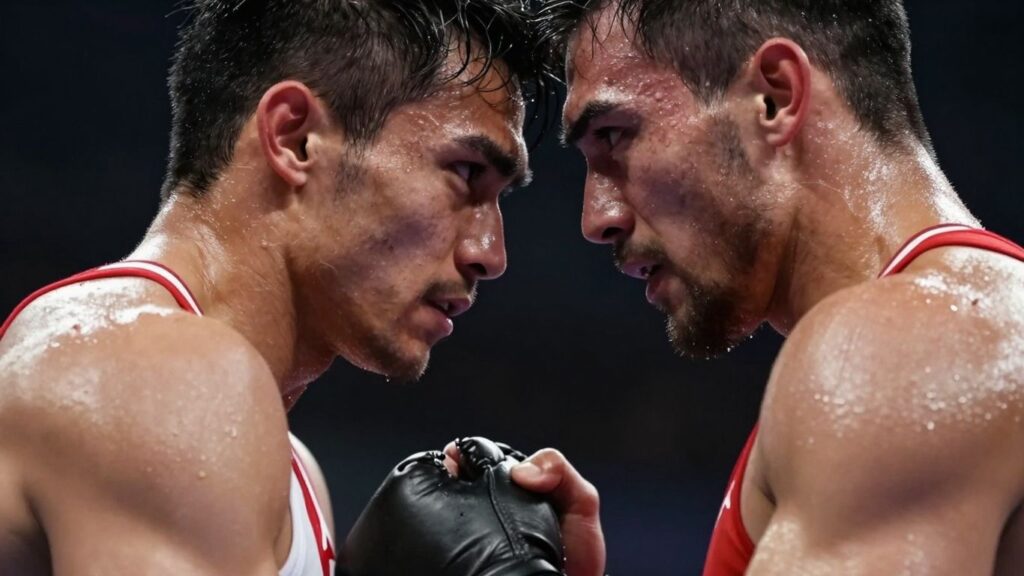
When you’re in the middle of a game, especially a high-stakes one, your body goes into overdrive. Adrenaline floods your system, making your heart pound, your senses sharpen, and your focus narrow. This intense physical state can spill over into other areas, including sexual arousal. The competitive drive, the urge to win, and the sheer physical exertion all contribute to a heightened state of excitement. It’s like your body is already primed for intense experiences, and that intensity can easily translate into a powerful sexual charge. This potent mix of physical and emotional stimulation is a major reason why athletes often find themselves drawn to sexual encounters that mirror the intensity of their sport. It’s not just about the physical act; it’s about the whole package of adrenaline, focus, and the thrill of pushing boundaries.
The Thrill of Transgression and Taboo
Let’s be honest, there’s something inherently exciting about doing something a little bit naughty, something that feels a bit forbidden. Sport fucking, by its very nature, often pushes against societal norms and personal boundaries. It’s the idea of taking something that’s usually private and making it public, or combining two activities that are typically kept separate. This element of transgression can be a huge turn-on for some people. It’s about breaking rules, even if those rules are just unspoken social agreements. The risk, the potential for discovery, and the sheer audacity of it all can create a powerful psychological hook. It’s a way to explore desires that might otherwise stay hidden, to play with the edges of what’s considered acceptable.
Exploring the Intersection of Physicality and Intimacy
Sport is all about the body – its strength, its limits, its capabilities. Sex is also deeply physical. When you bring these two together, you get a unique blend of raw physicality and emotional connection. The exertion of sport can lead to a feeling of vulnerability, and that vulnerability can open the door to deeper intimacy. You’re not just seeing someone’s athletic prowess; you’re seeing them pushed to their limits, sweating, breathing hard, and then, in that moment of shared intensity, connecting on a sexual level. It’s a different kind of intimacy than what you might find in a quiet dinner date. It’s raw, it’s real, and it’s built on a foundation of shared physical experience. This can create a bond that feels incredibly strong and immediate.
The Psychology Behind Sport Fucking in the Swinger Lifestyle
Navigating Desire and Consent in Group Dynamics
The swinger lifestyle often involves complex social interactions, and when you mix that with the intensity of ‘sport fucking,’ things can get even more interesting. It’s not just about casual encounters; for many, it’s about exploring desire within a framework of open relationships. Understanding the psychological motivations in open relationships is key here. People get involved for all sorts of reasons – maybe they’re looking for novelty, a way to spice things up, or even a deeper connection with their partner. The thrill often comes from pushing boundaries together.
When you’re in a group setting, consent becomes a really big deal. It’s not just a one-time ‘yes,’ but an ongoing conversation. Everyone needs to feel comfortable and respected. This means clear communication before, during, and after any activity. It’s about making sure everyone involved is on the same page and feels safe.
Here are some things people often consider:
- Clear boundaries: What’s okay, and what’s definitely not?
- Communication: Talking openly about feelings and limits.
- Respect: Valuing each person’s comfort level.
- Safe words: Having a way to stop things if needed.
The Impact of Shared Experiences on Relationships
Engaging in activities like sport fucking within the swinger lifestyle can really change how partners see each other and their relationship. It’s a shared adventure, a secret world you build together. This can lead to a stronger bond, but it can also bring up new challenges. Shared vulnerability can be a powerful connector.
When couples explore this together, they often learn a lot about themselves and each other. They might discover new sides to their partner’s personality or their own desires. This can be incredibly exciting and lead to a more fulfilling relationship. However, it’s also important to remember that not every experience will be perfect. There might be moments of jealousy, insecurity, or just plain awkwardness. Learning to handle these feelings as a team is part of the journey.
“Great community in here!!! Lots of beautiful people. Swingtowns has helped connect with so many new friends, love it!!!!” -2x2more
Emotional Regulation and Self-Care in Non-Monogamy
Non-monogamous relationships, including the swinger lifestyle, require a good amount of emotional maturity. When you’re dealing with multiple partners or group dynamics, managing your feelings is super important. Sport fucking, with its high energy and potential for intense emotions, really puts this to the test. Self-care isn’t selfish; it’s necessary for healthy exploration.
It’s about knowing your own limits and taking care of your emotional well-being. This means being honest with yourself about what you want and what you can handle. It also means having strategies to cope with any difficult emotions that might come up, like jealousy or anxiety. Understanding desire in partnered swinging means recognizing that it’s not always a straight line; there are ups and downs, and that’s okay.
Here’s a quick look at emotional management:
- Self-awareness: Knowing your triggers and emotional state.
- Mindfulness: Staying present and aware of your feelings without judgment.
- Debriefing: Talking through experiences with your partner(s) afterward.
- Setting limits: Knowing when to say no or take a break.
Emotional and Cognitive Aspects of Athletic Intimacy
When we talk about athletic intimacy, it’s not just about the physical stuff. There’s a whole lot going on inside our heads and hearts, too. Think about it: you’re pushing your body, maybe competing, and then you’re sharing that intense experience with someone else. It’s a recipe for some pretty strong feelings and thoughts.
Positive Feelings and Well-being in Athletic Encounters
Often, people report feeling really good after these kinds of experiences. It’s like a rush, a mix of accomplishment from the physical exertion and connection from the intimacy. This can lead to a general sense of well-being. It’s not just about the sex itself, but the whole package – the shared effort, the vulnerability, and the resulting closeness. Some studies even suggest that physical activity can positively impact mood and reduce stress, so combining it with intimacy could amplify those effects. It’s interesting how the mind and body work together in these situations.
Managing Mistakes and Performance Pressure
Let’s be real, things don’t always go perfectly. Just like in sports, there can be moments of fumbling, awkwardness, or just not performing how you’d hoped. This is where cognitive skills really come into play. How do you handle it when you or your partner makes a mistake? Do you get frustrated, or can you laugh it off? The pressure to perform, even in an intimate setting, can be a real thing. Learning to manage that pressure, to not let a small slip-up derail the whole experience, is key. It’s about focusing on the connection rather than just the outcome.
The Influence of Opponent Behavior on Intimate Dynamics
This is a bit of a unique angle, but think about how the behavior of others, even in a competitive context, can spill over into intimate moments. If you’re playing a sport with someone and they’re being overly aggressive or unsportsmanlike, that energy can carry over. Conversely, if they’re supportive and respectful, that positive vibe can make the intimate part even better. It highlights how our social interactions, even those that aren’t directly intimate, shape our emotional state and our capacity for connection. It’s a reminder that context matters, a lot. Understanding how to manage these social dynamics can make a big difference.
“Swingtown is so great in am having so much fun and it’s the best site to visit and enjoy. The people are so friendly.” -JS12
Self-Care and Emotional Regulation in Athletic Sexual Exploration

When things get intense, whether it’s during a competitive game or a more intimate athletic encounter, keeping your cool is key. It’s not just about the physical exertion; it’s about managing the emotions that come with it. Think about it: adrenaline is pumping, there’s pressure, and maybe even some unexpected feelings popping up. This is where self-care and emotional regulation become super important, especially when exploring the emotional aspects of group sex exploration.
Recognizing and Managing Intense Emotions
Sometimes, emotions can feel like a runaway train. You might feel a surge of excitement, anxiety, or even frustration. The first step is just noticing what’s happening inside. Are you feeling overwhelmed? A little shaky? It’s okay. Acknowledging these feelings without judgment is the start of managing them. Trying to push them away often makes them stronger. Instead, try to observe them, like watching clouds drift by. This awareness can help prevent sudden outbursts or impulsive decisions that you might regret later.
The Importance of Self-Awareness During Intimate Sports
Being aware of your own emotional state is a big deal. It’s like having a personal weather report for your inner world. When you’re tuned in, you can tell when you’re getting stressed or when you’re feeling really good. This awareness helps you make better choices. For example, if you notice you’re getting agitated, you might decide to take a short break or communicate your feelings to your partner(s). This kind of self-knowledge is a powerful tool for staying grounded and ensuring everyone has a positive experience. It’s about understanding your own limits and needs, which is a form of self-care in itself. You can find some helpful mental training techniques that might assist with this [a1f0].
Developing Coping Mechanisms for Emotional Challenges
Everyone faces emotional bumps in the road. Developing a few go-to strategies can make a huge difference. These aren’t complicated; they’re just simple ways to help you through tough moments.
- Deep Breathing: Seriously, it sounds cliché, but taking a few slow, deep breaths can calm your nervous system right down.
- Taking a Break: If things feel too intense, it’s perfectly fine to step away for a few minutes to collect yourself.
- Communication: Talking about what you’re feeling, even if it’s just a quick check-in, can diffuse a lot of tension.
- Mindful Movement: Sometimes, a bit of gentle stretching or a short walk can help reset your emotional state.
These aren’t about suppressing feelings, but about having tools to handle them constructively. It’s about being prepared so that when challenges arise, you’re not caught off guard. Remember, taking care of your emotional well-being is just as important as physical health when engaging in these kinds of activities.
Social Dynamics and Support in Athletic Sexual Pursuits
When people get together for athletic sexual activities, especially when exploring kinks in consensual non-monogamy, the social side of things really matters. It’s not just about the physical act; it’s about how everyone interacts and feels supported. Think about it like a team sport – you need good communication and trust for things to go well.
The Value of Social Support in Intimate Athletic Settings
Having a solid support system makes a big difference. When participants feel like they can talk openly about their desires and boundaries, it creates a safer space for everyone. This support can come from partners, friends within the community, or even online groups. It helps people feel less alone and more confident in their exploration.
- Open communication channels: Being able to voice needs and concerns without judgment.
- Shared experiences: Connecting with others who have similar interests or have gone through similar explorations.
- Emotional safety: Knowing that your feelings will be respected, even if things get intense.
Empathy and Connection Among Participants
Empathy is key here. It’s about trying to understand where the other person is coming from, especially when you’re pushing boundaries or trying new things. When you can connect with someone on an emotional level, it makes the physical experience much richer. It’s like really seeing each other, not just physically, but emotionally too.
“We are very excited to have joined Swing Towns. We have already chatted and met some fun people. We look forward to meeting many more friends and having a great time making new connections.” –
IzzyBlossomKatee
Building Trust Through Shared Vulnerability
Trust is built over time, and in these settings, it often comes from shared vulnerability. When people are open about their desires, fears, and past experiences, it shows a level of trust. This is especially true when exploring kinks or engaging in group activities. The more vulnerable people are willing to be, the stronger the bonds can become. It’s a bit like how athletes rely on each other during a tough game; there’s a shared understanding that comes from facing challenges together.
Here’s a look at how trust can develop:
- Initial introductions and boundary setting: Clearly stating what you are and aren’t comfortable with.
- Gradual escalation: Starting with less intense activities and building up as comfort grows.
- Post-activity check-ins: Discussing how things went and addressing any lingering feelings or concerns.
- Respecting limits: Always honoring a person’s ‘no’ or their need to stop.
Sport as a Socio-Emotional Resource for Intimacy
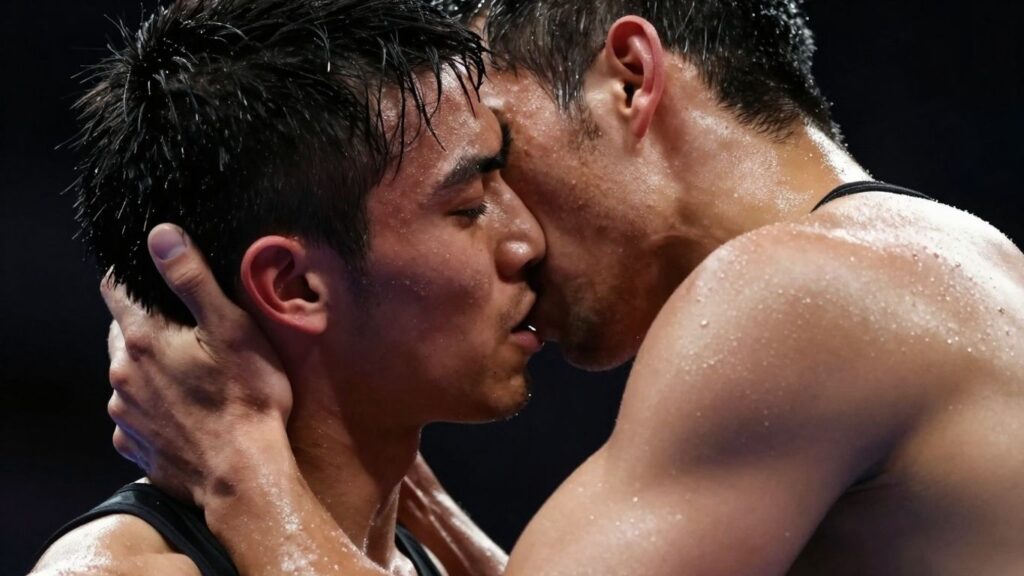
Think about it: sports aren’t just about physical exertion or competition. They can actually be a pretty big deal when it comes to our emotional lives and how we connect with others, especially in intimate settings. It’s like a whole different way to build bonds and understand ourselves and our partners better. This whole idea of using physical activity to boost our emotional well-being and relationships is something we’re seeing more and more.
Cultivating Life Values Through Athletic Encounters
When you’re involved in sports, you’re not just learning how to score or defend. You’re picking up on things like discipline, commitment, and the importance of putting in the effort. These aren’t just skills for the game; they spill over into everything else. You learn that showing up consistently, even when it’s tough, pays off. This kind of dedication can really shape how you approach your relationships, too. It teaches you to stick with things and work through challenges, which is pretty handy when you’re trying to build something meaningful with someone.
- Discipline: Showing up for practice, sticking to a routine.
- Commitment: Dedicating yourself to the team or activity.
- Effort: Understanding that hard work leads to results.
- Resilience: Bouncing back from losses or setbacks.
Enhancing Emotional Regulation Through Physicality
Sports can be a fantastic way to manage stress and strong feelings. When you’re physically active, you can channel energy and frustration in a healthy way. It’s like a release valve. This physical outlet helps you clear your head and deal with whatever’s going on emotionally. Being able to regulate these emotions is super important for any kind of relationship, and sports give you a practical way to practice that. It’s about learning to handle the ups and downs, both on and off the field. Regular physical activity can really make a difference in your overall sexual health, too, impacting everything from desire to connection with a partner. Check out how exercise helps.
“I recommend swingtowns because it’s the first site that even as a free profile you can still connect with ppl. I have since upgraded to lifetime but me and my wife have met some really fun cpls since we started on this site so we fully recommend swingtowns.” -TheRowan
The Role of Positive Feelings in Athletic Sexuality
Feeling good about yourself and your abilities in a sporting context can translate into confidence in intimate situations. When you experience positive emotions through physical activity, like the satisfaction of mastering a new skill or the camaraderie of a team, it boosts your overall mood and self-esteem. This positive outlook can make you more open and receptive to intimacy. It’s about the joy and satisfaction derived from physical engagement, which can create a more positive and open mindset for sexual exploration and connection. The sense of accomplishment and well-being cultivated through sports can definitely spill over into how you feel about yourself and your partner.
Wrapping It Up
So, looking back at everything, it’s pretty clear that sports are way more than just physical activity. They’re a whole mix of feelings and what we want to achieve. We saw how important it is for athletes to take care of themselves, not just physically but mentally too. Sports can be a great way to feel good and even help us deal with tough emotions, like anger or sadness, by giving us rules and structure. It’s not always easy, though. Mistakes happen, and how we handle them, and how others treat us, really shapes our experience. Ultimately, sports offer a space to learn about ourselves, build connections, and figure out what really matters, both on and off the field. It’s a complex world, for sure, but one that teaches us a lot about who we are.
Frequently Asked Questions
What makes people interested in combining sports and intimacy?
Excitement plays a big role! The rush of adrenaline from sports, the thrill of doing something a bit daring or breaking a rule, and the way physical activity can make you feel closer to someone all contribute to this interest. It’s a mix of physical energy and emotional connection.
How does the swinger lifestyle affect relationships when sports and intimacy are involved?
In the swinger lifestyle, combining sports and intimacy can bring couples closer through shared new experiences. It’s important for everyone involved to talk openly about their wants and feelings, and to make sure everyone agrees to what’s happening. This can strengthen bonds but also requires good communication and self-care.
Can sports help people feel better emotionally, even when things get intense?
Yes, sports can be a great way to boost happiness and feel good. Even when mistakes happen or there’s pressure to perform, learning to handle these moments in sports can actually make you better at managing your emotions in intimate situations too. How others act during sports can also shape how you feel intimately.
What’s important for taking care of yourself emotionally when exploring intimacy through sports?
It’s really important to pay attention to your feelings. Knowing when you’re feeling overwhelmed and taking a break can help. Being aware of yourself during intimate sports moments and having ways to calm down when things get tough are key to a healthy experience.
How does having friends or a community impact intimate experiences related to sports?
Having a supportive group makes a big difference. When people involved in intimate sports feel understood and connected, it builds trust. Sharing vulnerable moments can lead to deeper empathy and stronger bonds among everyone participating.
Can sports teach us important life lessons that also apply to intimacy?
Absolutely. Sports can teach us about being healthy, managing our feelings, and developing good values. The positive feelings and physical connection from sports can make intimate moments more meaningful and help us grow as people.
Intent, Desire, and Emotional Awareness — Inside the Psychology of Sport Fucking
Explore a community where motivation, boundaries, and emotional clarity are openly discussed. Connect with people who understand the psychological side of swinging and value intentional, consent-driven experiences. Discover conversations and resources designed to support self-awareness and healthy exploration. Sign up for a free account on SwingTowns to begin your adventure.
“The best LS site for sure! Real people, easy to navigate, love it!” -Tlove799


