
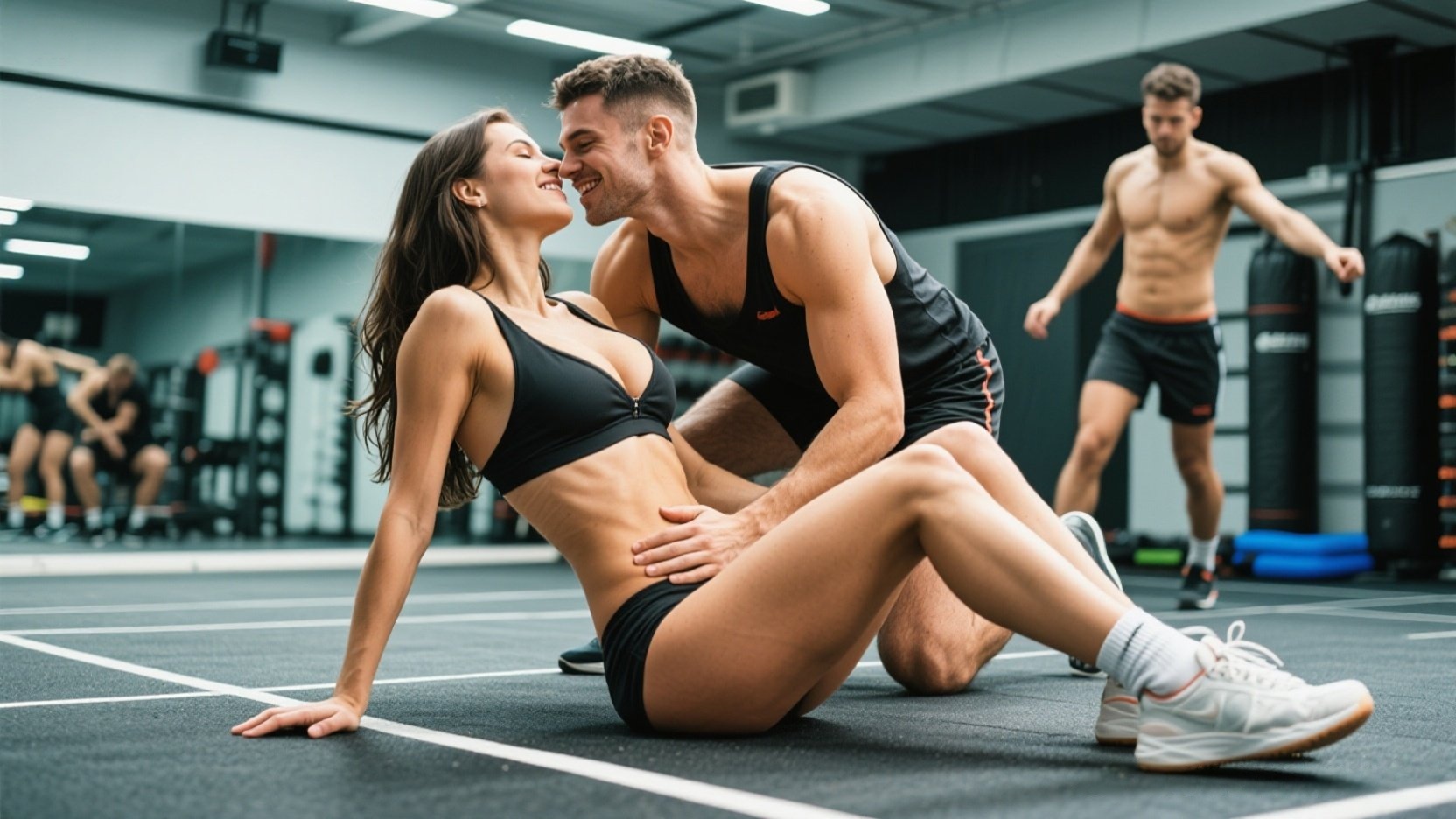
So, we’re talking about sex and sports, specifically how it affects athletes, whether they’re flying solo or part of a couple. It’s a topic that’s been around for ages, with old-school ideas about abstaining before a big game clashing with what modern athletes actually do. We’ll look at the science, the psychology, and the personal experiences to get a clearer picture of what’s really going on.
Key Takeaways
- For decades, the idea that sex before competition hurts athletic performance has been a common belief, but current research doesn’t really back that up. Most studies show no negative impact, and some even suggest a positive psychological boost.
- While some coaches still push for abstinence, many athletes feel that sexual activity is a normal part of life and can actually help reduce stress and improve mental well-being, which can translate to better performance.
- Physiologically, the energy spent during sex is minimal, and there’s no solid evidence that it significantly drains an athlete’s physical resources. The effects on hormones like testosterone are also not consistently shown to be detrimental.
- For couples, balancing a relationship with the demands of sports can be tricky, but open communication about sexual needs and performance can lead to mutual understanding and support, potentially even boosting testosterone levels in some cases.
- Ultimately, the decision about sexual activity before sports should be personal. Focusing on overall healthy habits, like avoiding tobacco and excessive alcohol, seems far more important than worrying about whether or not to have sex.
Historical Perspectives on Sex and Athletic Performance
Ancient Beliefs in Abstinence for Peak Performance
For ages, the idea that sex before a big game or competition was a bad move has been around. Think back to ancient Greece and Rome. People then really believed that to be at your absolute best, physically and mentally, you needed to abstain from sex. It was thought that this abstinence helped achieve a kind of purity, a focus that was key to winning. Coaches and trainers back then would often tell their athletes to steer clear of any sexual activity, believing it would drain their energy and weaken their spirit. This idea was pretty widespread, and it stuck around for a long, long time.
The Shift Towards Understanding Modern Athletes’ Needs
Over time, though, things started to change. As we learned more about the human body and mind, especially in sports, the old ideas about sex and performance began to be questioned. Scientists and sports psychologists started looking into whether abstaining from sex actually helped athletes or if it was just an old wives’ tale. They began to consider that maybe sex could actually be a good thing for some athletes, helping them relax and feel more confident. It wasn’t about blindly following old rules anymore; it was about figuring out what actually worked for athletes in the modern world, looking at their individual needs and the pressures they faced.
Cultural and Religious Influences on Pre-Competition Habits
It’s also worth noting how much culture and religion played a part in these beliefs. Different societies and faiths have always had their own views on sex, and these views often spilled over into how athletes were expected to behave. In some cultures, there was a strong emphasis on discipline and self-control, which naturally extended to avoiding sex before important events. Religious teachings often promoted abstinence as a virtue, linking it to spiritual purity and physical strength. These deeply ingrained beliefs shaped the advice given to athletes for centuries, creating a strong tradition of pre-competition sexual abstinence that many coaches and athletes followed without question.
The Psychological Impact of Sexual Activity for Athletes
When we talk about athletes and sex, it’s not just about the physical stuff. There’s a whole mental side to it that coaches and athletes have been wrestling with for ages. For a long time, the common wisdom was that abstaining from sex before a big game or competition was the way to go. The idea was that sex would drain energy, distract the mind, and generally mess with focus. But honestly, the science behind that is pretty shaky.
Sex as a Stress Reliever Before Competition
Turns out, for many athletes, sex can actually be a good thing for their mental game. Think about it: competition is stressful. Really stressful. For some, a sexual encounter can be a fantastic way to blow off steam and relax. It’s like hitting a reset button for the nerves. This can lead to better focus and a calmer approach when it’s time to perform. It’s not about losing energy; it’s about managing the pressure.
The Role of Sexual Fulfillment in Mental Well-being
Beyond just pre-competition jitters, regular sexual activity plays a part in an athlete’s overall mental health. Feeling sexually satisfied is linked to a better quality of life. When athletes feel good about this part of their lives, it can translate to more confidence and a more positive outlook, which are definitely helpful when you’re pushing your body to its limits.
Abstinence-Induced Frustration Versus Sexual Satisfaction
On the flip side, forcing abstinence can cause its own set of problems. If an athlete is constantly suppressing natural urges, it can lead to frustration, irritability, and even feelings of depression. This kind of mental baggage is probably way more detrimental to performance than a healthy sexual release. It’s a balancing act, for sure, but ignoring natural needs doesn’t seem to be the answer for most.
Here’s a quick look at how different approaches might play out:
- Relaxation: Sex can help calm nerves and reduce anxiety before an event.
- Focus: A satisfied athlete might be less distracted by unmet desires.
- Mood Boost: Sexual activity can release endorphins, improving overall mood.
- Stress Management: It provides an outlet for built-up tension.
“Swingtowns is fun and interesting for all kinds of cats! There a plenty of friendly folks and no pushy pests. Plenty of flavors for every occasion.” -FreakyFux
Physiological Considerations for Single Men and Women Athletes

Hormonal Fluctuations and Sexual Activity
When we talk about hormones and athletic performance, testosterone often comes up. For single athletes, understanding how sexual activity might influence these levels is interesting, though the research isn’t super clear-cut. Some studies suggest that sexual activity doesn’t significantly alter testosterone levels in the short term, while others hint at temporary increases or decreases depending on the context. It’s a complex interplay, and what happens in one person’s body might not be the same for another. The idea that sex before a big event is always detrimental is largely a myth.
Energy Expenditure of Sexual Intercourse
Let’s get real: does sex burn a lot of calories? Compared to a high-intensity training session, probably not. Studies looking at the actual energy cost of sexual intercourse show it’s relatively low, often comparable to a brisk walk. So, the idea that it’s going to leave you completely drained for your next competition is likely exaggerated. However, factors like duration, intensity, and any accompanying lack of sleep could play a role. It’s more about how you feel and recover afterward than a direct calorie burn.
Masturbation’s Unexplored Effects on Performance
This is an area where the scientific literature is even thinner. Masturbation is a common practice, and for single athletes, it’s a way to manage sexual needs without a partner. While it’s a form of sexual activity, its specific impact on athletic performance is not well-documented. Some speculate it might offer a release without the potential social or logistical complexities of partnered sex, but concrete evidence is scarce. It’s possible it could serve as a stress reliever or, conversely, lead to a feeling of depletion for some, but this is largely anecdotal.
Here’s a quick look at what some research has touched upon:
- Hormonal Impact: Limited evidence suggests no major, lasting changes in testosterone from sexual activity.
- Energy Cost: Generally considered low, similar to moderate physical activity.
- Masturbation: Effects on performance are largely unstudied and likely vary individually.
“My husband and I joined Swingtowns a couple of years ago. We are new to this lifestyle and were a little apprehensive in getting involved in something like this, but we wanted to spice up our sex life and bite the bullet. We have met some wonderful respectful people and have become friends with everyone we met.” -Needtocome
Couples’ Experiences with Intimacy and Athletic Pursuits

When you’re part of a couple and both of you are serious about sports, things can get interesting. It’s not just about individual performance anymore; it’s about how your shared life, including your sex life, fits in with your athletic goals. Many couples find that open communication about their needs and expectations is key. Balancing relationships and competitive demands means finding a rhythm that works for both partners, especially when one or both are training hard.
Balancing Relationships and Competitive Demands
It’s a common challenge. One partner might be in peak training for a major event, requiring intense focus and energy, while the other might have different demands. This can put a strain on intimacy if not handled with care. Some couples find that scheduling intimate time, just like they schedule training sessions, helps. Others prefer a more spontaneous approach. The important thing is to make sure both partners feel heard and supported. It’s about finding that sweet spot where your relationship thrives alongside your athletic achievements.
Shared Understanding of Sexual Needs and Performance
Understanding each other’s sexual needs is a big part of exploring sexuality in relationships. For athletes, this can be even more nuanced. Some studies suggest that sexual activity, particularly the night before a competition, can have a positive psychological effect, acting as a stress reliever. For couples, this means discussing whether intimacy before a big event feels right for both of you. It’s not a one-size-fits-all situation. What works for one couple might not work for another. Some athletes report feeling more relaxed and focused after sex, while others prefer to abstain. This shared understanding allows for informed decisions that support both the relationship and athletic goals.
Impact of Sexual Activity on Testosterone Levels in Couples
There’s some interesting research on how sexual activity affects hormone levels, even in couples. One study indicated that testosterone levels can actually increase on evenings when couples engage in sexual intercourse, compared to evenings when they don’t. This suggests that intimacy might play a role in hormonal balance for both men and women within a relationship. While more research is always needed, this points to a potential physiological benefit of regular sexual activity for couples, which could indirectly support overall well-being and energy levels, relevant for anyone, including athletes.
Swingtowns is incredible, I have met many awesome couples and single females on here. I recommend this site to anyone in the lifestyle! -MrMsBullDurham
Here are some relationship intimacy tips that can help couples balance athletic pursuits:
- Schedule Check-ins: Regularly talk about how you’re both feeling, both physically and emotionally, regarding your training and your relationship.
- Prioritize Quality Time: Even if time is limited, focus on making the moments you do share count, whether it’s a quiet dinner or a brief, intimate encounter.
- Support Each Other’s Goals: Understand that training schedules and competition pressures can affect energy levels and moods. Offer encouragement and flexibility.
- Explore Sexuality Together: Don’t shy away from discussing your sexual needs and desires. This is a key part of exploring sexuality in relationships and can lead to deeper connection.
Divergent Views on Pre-Competition Sexual Practices

When it comes to what athletes do in the bedroom before a big game or competition, opinions are all over the map. For ages, the old-school thinking was that abstinence was the golden rule. Coaches, often sticking to tradition, believed that holding back on sex would build up aggression and focus, leading to better performance. This idea, rooted in ancient beliefs, suggested that any sexual release, especially ejaculation, would drain vital energy and testosterone needed for peak physical output. It’s a perspective that’s been passed down through generations of sports training.
Coaches’ Traditional Stance on Abstinence
Many coaches still preach abstinence, often citing a belief that sexual frustration can actually fuel a more aggressive and determined athlete. They might worry about energy expenditure or a perceived drop in testosterone levels. This viewpoint, while deeply ingrained in some coaching philosophies, often lacks strong scientific backing. It’s more about tradition and a gut feeling than hard data.
Athletes’ Evolving Opinions on Sexual Freedom
However, athletes themselves are increasingly questioning this rigid approach. Many find that sexual activity can actually be a great stress reliever, helping them relax and clear their heads before a major event. For some, it’s about maintaining a sense of normalcy and personal well-being. The idea that sex automatically tanks performance is being challenged, with many athletes reporting no negative effects, and some even feeling improved focus and energy. This shift reflects a broader understanding of individual needs and different sexual preferences.
The Availability of Contraceptives at Major Sporting Events
Interestingly, the very presence of readily available contraceptives at major international events like the Olympics speaks volumes. It’s an acknowledgment that athletes are adults with active lives, and that sexual activity is a normal part of their routine, even during intense competition periods. This practical approach suggests a move away from strict abstinence rules towards a more realistic view of athletes’ lives. It’s a sign that governing bodies recognize that personal choices, including sexual ones, don’t necessarily have to hinder athletic success. The focus is shifting towards overall health and well-being, which includes a healthy sex life, rather than outdated notions of deprivation. For those looking to understand more about mental preparation in sports, exploring resources on mental training programs can be insightful [9e6f].
| Practice | Traditional View | Modern Athlete View |
|---|---|---|
| Pre-competition | Abstinence | Varies |
| Stress Relief | Not considered | Positive |
| Energy Levels | Drains energy | No significant impact |
| Focus | Increases focus | Can improve focus |
Examining the Evidence: Sex and Sport Performance
So, what’s the real deal with sex and athletic performance? For ages, people have wondered if getting busy before a big game or race is a good idea or a total no-go. Coaches, especially older ones, often pushed for abstinence, thinking it would keep athletes sharp and focused. But honestly, the science behind that idea is pretty shaky.
Lack of Definitive Negative Impact from Sexual Activity
When you look at the studies, and there have been quite a few over the years, most don’t actually show that sex hurts performance. It seems like the idea of sex being a performance killer is mostly a myth. Some research suggests that if you have sex at least a few hours, maybe even 10 or more, before competing, it doesn’t really make a difference. The key seems to be not doing it right before you have to perform. Also, if sex is part of a healthy lifestyle and not mixed with bad habits like smoking or drinking too much, it’s generally seen as okay.
Anecdotal Evidence of Positive Performance Effects
Interestingly, some athletes and even a few studies hint that sex might actually be beneficial. Think about it: sex can be a great stress reliever. For some, the release and relaxation after intimacy could lead to a clearer mind and better focus when it’s time to compete. It’s not something you’ll find in a lot of hard data, but there are plenty of stories out there from athletes who felt their performance improved after being intimate.
The Importance of Healthy Lifestyle Habits Alongside Sex
Ultimately, the biggest takeaway is that a healthy lifestyle is way more important than whether or not you had sex the night before. Things like proper nutrition, enough sleep, and managing stress are the real game-changers. If an athlete is generally healthy and happy, a normal sex life probably isn’t going to derail their performance. It’s more about the overall picture of well-being. Trying to suppress natural urges might actually cause more frustration and anxiety, which definitely can hurt performance. So, for most athletes, it’s probably best to just do what feels right and healthy for them, rather than worrying too much about old-school rules.
Wrapping It Up
So, after digging into all this, it seems like the whole idea of sex before sports is way more complicated than just a simple yes or no. For couples, it might be a way to connect and relax, potentially even boosting mood before a big game. For singles, it’s about personal choice and what feels right for their own well-being and performance. The science isn’t totally clear-cut, and a lot of old beliefs are still around. But honestly, it looks like for most people, having sex doesn’t really hurt athletic performance, and for some, it might even help them feel more relaxed and ready. The main thing seems to be avoiding bad habits like smoking or drinking, and listening to your own body. Ultimately, it’s a personal decision, and what works for one person might not work for another.
Frequently Asked Questions
Does having sex before a game hurt an athlete’s performance?
For a long time, people thought sex before sports was a bad idea. Many coaches still believe this. However, most studies show that sex doesn’t really hurt performance. Some athletes even feel it helps them relax and focus better. It seems like there’s no solid proof that sex makes athletes perform worse.
Is it true that athletes should avoid sex for a long time before a big competition?
The idea of avoiding sex for a while before competing is an old belief. While some coaches still suggest it, recent research doesn’t strongly support it. Some studies suggest that sexual activity doesn’t negatively affect athletic abilities. In fact, for some, it might help reduce stress.
Can sex affect an athlete’s energy levels?
Having sex uses a small amount of energy, about the same as walking up a couple of flights of stairs. So, it’s unlikely to drain an athlete’s energy significantly before a competition. Most of the focus on sex and sports has been on how it might affect performance mentally or physically, rather than just energy use.
Does sex change hormone levels in athletes?
There are mixed ideas about hormones. Some research suggests that sexual activity might slightly increase testosterone levels in couples. However, other studies haven’t found any significant changes in hormone levels that would clearly impact performance. It’s not a simple yes or no answer, and more research is needed.
What about athletes who are single? Does masturbation affect their performance?
This is an area that hasn’t been studied much. There isn’t much scientific information on whether masturbation affects an athlete’s performance. Like sexual intercourse, it’s likely that any effect is minimal and depends on the individual.
Are there any real benefits to athletes having sex before competing?
Some athletes report feeling more relaxed and less stressed after having sex, which can help them perform better. It might be more about the psychological boost and stress relief than any direct physical benefit. For couples, maintaining intimacy can also be important for their relationship and overall well-being, which can indirectly help an athlete.
Different Roles, Shared Respect — How Perspective Shapes Experience
Explore a community where singles and couples alike can navigate the lifestyle with clarity and confidence. Connect with people who understand that perspective, intent, and boundaries vary by role and experience. Discover conversations and connections designed to respect those differences while fostering mutual understanding. Sign up for a free account on SwingTowns to begin your adventure.
“SwingTowns is awesome place to meet great people. We have met a lot nice people on here and had amazing time with several couples.” -LoveTerri77


