
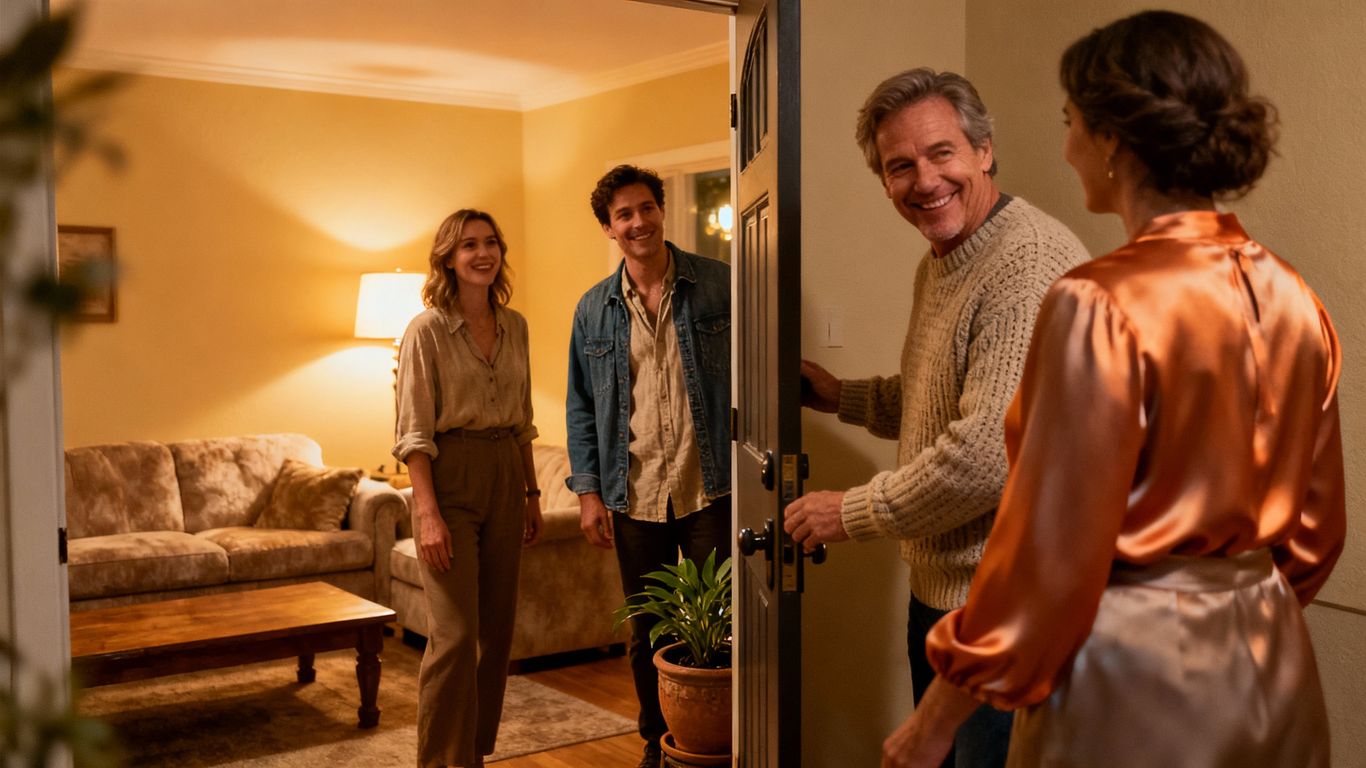
When the kids move out, life changes in ways you might not expect. The quiet can feel strange at first, but it also opens up space for new possibilities. Some couples are finding that this “open door” phase is a chance to shake things up, try new things, and reconnect in ways they never did before. For many, exploring swinging is one way to bring excitement and closeness back into their relationship. From Empty Nest to Open Doors: How Swinging Transforms Midlife Relationships isn’t just about sex—it’s about trust, laughter, and building something new together. Here’s what you should know if you’re curious about this path.
Key Takeaways
- Swinging can help couples break out of old routines and reconnect after their kids leave home.
- Honest conversations about boundaries and feelings are key before trying anything new together.
- Exploring new experiences as a team can make your relationship feel fresh and exciting.
- It’s normal to feel nervous or unsure at first—sharing those feelings can actually bring you closer.
- Building a support network of friends and community makes the journey less lonely and more fun.
Redefining Intimacy in the Open Door Phase

When the last kid leaves home and the house goes quiet, something fundamental shifts between longtime partners. Suddenly, there’s more space—literally and emotionally—for couples to rethink what closeness looks like. The “open door” phase is more than just unlocked latches or spontaneous road trips. It’s also a chance to push past old habits and rediscover each other without the backdrop of children’s routines.
Overcoming Midlife Insecurities Together
No one tells you how much your body, mood, or confidence can change as you enter this next chapter. For many couples, insecurities—about appearance, desire, or even relevance—bubble up now.
Tackling these insecurities together, head-on, can build a whole new level of partnership.
- Share honest thoughts about aging and physical changes; this helps create a sense of being seen and accepted.
- Set aside time to support each other, whether it’s through new wellness routines or just venting over coffee.
- Stay curious about each other’s evolving needs—emotional and physical.
“Swingtowns.com has been one of the best places for meeting like minded and fun party people. I’m always looking to meet new people and this site never fails.” -PoundnSand
Midlife brings its own mix of physical and emotional changes. Approaching these transitions with understanding, rather than judgment, can actually bring couples closer. For a short take on handling some of these adjustments, check out perimenopause and andropause changes together.
Building Trust Through Honest Communication
After years of routine, trust may need a refresh—especially as couples talk openly about trying new things, like swinging. It isn’t always easy. Honest communication is key for laying the groundwork:
- Schedule regular check-ins before and after any new experience.
- Agree to open up about all worries—big or small.
- Reassure each other that boundaries can be updated as you move ahead.
A simple conversation can do more than any grand gesture. Whether it’s whispering dreams late at night or admitting fears about jealousy, your words are the true glue.
Exploring New Experiences as a Couple
The thrill of something new doesn’t have an expiration date, even in midlife. Instead, this phase might offer the freedom to try things you never considered before.
Here are a few ways couples explore fresh experiences together:
- Attend a lifestyle event together, just to observe, without expectations.
- Take a class that sparks shared curiosity—anything from dance to tantra workshops.
- Create a wish-list of fantasies, then pick one to explore (even if it’s just talking about it).
Whenever something feels awkward or even a little scary, remember: you’re on the same team. Exploring as a couple is less about chasing excitement and more about rediscovering joy—with each other, first and foremost.
“Swingtowns, easy navigating the site, no harassing upgrade ads, easy to find people, premium is not over priced….Just keep swinging, just keeping swinging” -mrgood69
From Empty Nest to Open Doors: How Swinging Transforms Midlife Relationships
As children leave home, the daily routines that once knitted a couple together can loosen. Suddenly, things get quiet. The house feels bigger, and your evenings stretch out with more space than you’re used to. Instead of looking at this empty nest with a sense of loss, more couples are seeing an open door—an invitation to try new things together. For some, this means exploring the swinging lifestyle, which can totally switch up what love and connection mean in midlife.
Breaking Free From Familiar Routines
- Midlife often marks the end of default plans and set schedules.
- Couples may feel a little lost at first, unsure of how to fill newfound freedom.
- Trying new ways to connect—including swinging—can pull partners out of old patterns and bring a sense of excitement.
Empty Nester Swinger couples say that stepping out of well-worn routines is one of the biggest perks. You get to ask, “Now what do we really want together?” and actually do something about it.
Sharing Desires and Boundaries Respectfully
- Honest talks about desires and what’s okay (and not okay) are key.
- Couples often use new openness to discuss fantasies and fears that went unspoken for years.
- The swinging lifestyle only works when there’s real respect for personal and shared limits.
| Key Conversation Topics | Purpose |
|---|---|
| Desires | Discover what really excites you |
| Boundaries | Protect both partners |
| Safety and Consent | Build trust in every step |
Strengthening Connection Through Shared Adventure
- Exploring together builds stronger teamwork.
- Facing something new, even with nerves, can remind couples of why they first clicked.
- Many report that the adventures don’t just spice up intimacy—they spark laughter, trust, and real connection.
“Swingtowns has been awesome in this lifestyle ! Finding new couples to play with and of course hang with.” -Skaggszy98
When you reframe the empty nest as an open door, midlife relationship transformation through swinging becomes less about loss and more about what’s possible. Making the leap isn’t for everyone—but for those who say yes, it can be the start of a braver, more openhearted phase of love.
Navigating the Emotional Journey After Children Leave Home

When the last child moves out, the house feels different — quieter, a little bigger, almost echoing with all the undone laundry and silent bedrooms. Empty nest isn’t just a catchy label; it’s the start of a brand new chapter, and nobody really warns you about the emotional potholes on this road. Rekindling romance after children leave home often means confronting moments of loss and hope at the same time.
Coping With Grief and Rediscovering Identity
After years of tuning your routines around school drop-offs, concerts, and teenage sleep patterns, you might walk into a too-tidy living room and wonder, “Who am I now?” Some of the most common shifts include:
- Grieving the daily presence (and, yes, chaos) of your kids
- Questioning your sense of purpose outside of parenting
- Feeling both loss and relief in equal measure
It’s completely normal to miss the noise, the mess, and even the constant schedules. It’s also an opening to check in with yourself and notice which parts of your identity are waiting to come out.
“Swingtowns is awesome and we have no complaints. There are tremendous people and wonderful couples on here that we have had the pleasure of meeting” -wearesexy2015
Embracing Solo and Shared Passions
The space left behind isn’t just about grief. It’s also a rare chance to get curious again — alone, or together. Here’s what many empty nesters try (and often surprisingly enjoy):
- Picking up hobbies they set aside years ago
- Taking trips, whether it’s a weekend drive or a bigger adventure
- Learning something new together with a partner
A lot of couples find that a quiet house offers freedom to reinvent old habits and try things that felt impossible when the kids were home. Think pottery classes, spontaneous road trips, or even recapturing the fun of cooking meals together.
Translating Loss Into Opportunity for Growth
Emptiness doesn’t have to mean emptiness forever. This transition can spur growth, both solo and as a couple. Here’s a snapshot of how the path often looks:
| Emotion | Initial Response | Growth Opportunity |
|---|---|---|
| Sadness | Withdrawal | Self-reflection |
| Restlessness | Unfocused energy | Exploring passions |
| Loneliness | Disconnection | New social connections |
If you’re used to prioritizing everyone else, midlife can feel like a blank page — maybe even intimidating. But many discover new strengths, deeper love, and genuine excitement for what’s ahead. Rekindling romance after children leave home isn’t just possible; sometimes, it’s more authentic and fun than before.
Empty nest isn’t the end of your story — it’s the start of another, sometimes messier, always your own.
Friendship, Community, and the Midlife Support System
Finding New Social Circles Beyond Parenting
When kids move out, that handy web of parent-based friendships can fade fast. The regular school functions and weekend soccer games vanish, and suddenly, there’s no standing reason to see the people who seemed integral for years. It’s surprisingly common—once your children’s schedules no longer tie you together, old friend groups drift apart.
In this space, you get to create connections for yourself, by yourself. Many folks start:
- Joining interest groups they never had time for before—book clubs, travel meetups, or yoga classes
- Volunteering for causes that matter to them
- Taking classes and learning new skills just for fun
The aim is to rebuild a community that matches who you are now, not just who you were during the parenting years.
The Role of Peer Networks in Nontraditional Relationships
Diving into nontraditional relationship models, like swinging, comes with both excitement and nerves—especially if your old friends aren’t on the same path. The good news is, you’re not the only couple walking this road. Finding other midlife folks who understand your choices can be a huge relief. Here’s where peer networks really matter:
- Online forums and private social groups for open-minded adults
- In-person events or meetups for those curious about non-monogamy
- Support groups, sometimes even specific to local areas or shared interests
These circles make it easier to talk things through, share stories, and feel accepted. You don’t have to explain yourself, since everyone is in the same boat.
Transforming Loneliness Into Empowered Belonging
Losing your parenting role can bring a serious ache of loneliness—nobody tells you how quiet a house can get. But that emptiness can be a blank canvas. You now have the chance to choose who fills your time and how you connect. Here are some ways people reclaim their sense of belonging:
- Reconnecting with old friends or distant family
- Trying out clubs, classes or therapy groups focused on personal growth
- Getting involved in local events, from trivia nights to gardening projects
“I’m glad that SwingTowns is growing such an audience of happy, sex-positive people!” -RandySP69
Community and Loneliness—Small Survey Table
| Experience | % of Midlifers (Sample of 200) |
|---|---|
| Felt isolated post-empty nest | 65% |
| Made new friends by trying a new club | 42% |
| Joined a peer group for open relationships | 28% |
| Felt “more themselves” in new social circles | 51% |
Building community in midlife rarely looks like it did before, but it’s every bit as real—and twice as rewarding when you get to pick your own tribe.
Embracing Sexuality and Joy in Midlife Partnerships

Letting Go of Old Taboos and Expectations
You hit your 50s and, suddenly, the scripts you grew up with don’t fit anymore. All those old ideas about what sex and partnership “should” look like—outdated. For many, exploring non-monogamy in midlife means finally questioning what never felt quite right in the first place. Breaking free from shame around desires or curiosities is one of the first steps to a more joyful midlife connection. It’s common for couples trying open relationships for couples in their 50s to encounter resistance, but that’s mostly a holdover from an earlier era. If you’re here, consider this permission to be curious.
- Allow yourself to challenge long-held assumptions.
- Talk openly about what you actually want and need now—not decades ago.
- Remember: there’s no “right” way except what works for you and your partner.
The Science of Pleasure at Any Age
Did you know our capacity for pleasure doesn’t shrink as we age? Actually, with the right physical and emotional attention, it can grow. Research shows couples who stay sexually active into later decades frequently report better relationship satisfaction and self-confidence. Here’s some quick data about midlife sexuality:
| Age Range | % Reporting Satisfying Sex Life | % Reporting Experimentation |
|---|---|---|
| 50-59 | 67% | 40% |
| 60-69 | 58% | 28% |
These numbers hint at a truth: trying new things later in life isn’t just possible; it’s common. Whether it’s differently structured dates, role-play, or simply more honest talks, pleasure science tells us we’re capable of just as much adventure as ever.
The Importance of Laughter and Playfulness
Sex in midlife shouldn’t have to feel so serious. When you shed pressure and start having fun, connection becomes easier. Awkward moments are normal, and if you can laugh together, they become bonding moments instead of setbacks.
- Find humor in what doesn’t go perfectly.
- Playful attitudes make new experiences less daunting.
- Laughter reduces anxiety and heightens physical connection.
“Great site. Met some great people. Feel secure and private and safe with the site. Definitely recommend!” -Anguslove
Embracing open relationships for couples in their 50s can feel uncertain at first. But approaching midlife sexuality with curiosity, a sense of humor, and a willingness to experiment can turn this stage into the most connected, joyful era yet.
Practical Steps for Couples Considering Swinging
Before you even start searching for that first open experience together, get honest about your motivations. Are you both equally interested, or is one person leading the way? Consent isn’t just signing off—it’s a real, ongoing process. Trust your gut if something feels off.
Here are a few safety guidelines to kick things off:
- Talk about limits: What’s okay? What’s a no-go?
- Decide on safe words or signals if things get awkward or too much.
- Research venues or sites—don’t assume every event or group is respectful.
“We’ve only been in the LS for about a year but we have found some really great people using SwingTowns. Wish we would have found the website sooner.” -2Adults89
Choosing Your First Open Experience
There’s a lot of hype around the first step into swinging, but you don’t need to pull off a Hollywood-worthy debut. Consider whether you want:
- A private encounter with another couple
- A small, vetted party with friends of friends
- Attending a public club or event that interests you both
Here’s one way to break it down in a quick table:
| Option | Comfort Level | Privacy | Social Pressure |
|---|---|---|---|
| Private arrangement | High | High | Low |
| Small, private party | Medium | Medium | Medium |
| Public event/club | Low/Varies | Low | High |
Think about your comfort level, how much privacy you need, and if you want to deal with a crowd or prefer something quiet.
Dealing With Jealousy and Emotional Challenges
Swinging can bring up feelings you didn’t expect, like possessiveness or insecurity. Don’t brush that stuff aside. Instead:
- Check in with each other before, during, and after—not just once.
- Be honest if something feels weird or makes you uncomfortable.
- Agree on a “no blame” rule. If one of you wants to stop or back out, respect it without judgment.
“Swingtowns is hands down the best community that I have had the pleasure to be a part of. Would recommend this website to anyone in the lifestyle!” -SlikRik1Ace
Swinging isn’t a cure-all, and it’s not for everyone. But if you take small, thoughtful steps, it could be a new chapter that’s actually about strengthening your connection—not breaking it.
Long-Term Impacts of an Open-Door Approach to Midlife Love
Deepening Intimacy and Fulfillment
With the house finally quiet and responsibilities shifting, many couples find this new phase surprisingly intimate. The decision to open the relationship can bring a sense of excitement back into the bedroom—and the living room, honestly—by breaking down routines that might have gotten stale.
- New romantic and sexual experiences often bring couples closer.
- Honest conversations about fantasy and desire can be deeply bonding.
- Couples become more aware of each other’s needs, not just physically, but emotionally too.
Many report feeling more in tune with their partner than they have in years.
Protecting the Relationship’s Core
Of course, it’s not all fun and games. Opening a relationship means checking in—again and again—to stay connected and secure. If the partnership’s foundation isn’t strong, cracks can show. Success in this “open-door” phase often boils down to protecting what’s most important between the two of you.
- Make time for regular, private check-ins.
- Set clear boundaries and revisit them often.
- Don’t ignore feelings of jealousy—talk about them openly.
| Challenge | Common Solution |
|---|---|
| Jealousy | More communication |
| Misunderstandings | Clarify expectations |
| Time management | Schedule “us” time |
“The Swingtowns community has been a major source of inspiration for many years now and has become one of the most popular destinations for swing communities” -Thunderdicka
Adapting Together as Life Continues to Change
Life does not pause once the kids are out of the house. Health, careers, and family dynamics all keep shifting. Couples who embrace an open-door mentality tend to become more adaptable.
- Stay flexible—what works now might need a refresh in a year or two.
- Support each other through bumps, missteps, or unexpected feelings.
- Celebrate growth and learning together, not just individually.
One positive side effect: couples often say they’re less afraid of change in general. Their partnership becomes a place to try new things—whether it’s a new hobby, a new dynamic, or just a new approach to old routines.
Conclusion
So, here we are. The kids have moved out, the house is quieter, and suddenly, there’s a lot more time to think about what comes next. For some couples, swinging has opened up a whole new chapter—one that’s less about routine and more about curiosity and connection. It’s not for everyone, and that’s totally fine. But for those who give it a shot, it can bring laughter, new friendships, and a different kind of closeness. Sure, there are awkward moments and a learning curve, but there’s also a sense of freedom that’s hard to find in the middle of raising a family. In the end, midlife doesn’t have to mean settling down or closing doors. Sometimes, it’s about opening them—maybe even swinging them wide open—and seeing what’s out there together.
Frequently Asked Questions
What does it mean for a couple to be ‘swinging’ in midlife?
Swinging in midlife means a couple agrees to have romantic or sexual experiences with others, together or separately, while still staying committed to each other. It’s a way some couples try to bring excitement and newness into their relationship after their kids have left home.
Is swinging safe for my relationship?
Swinging can be safe for some relationships if both people agree, talk openly, and set clear rules. Trust and honesty are really important. If one person feels unsure or pressured, it can cause problems. It’s important to check in with each other often.
How do we talk about our feelings and worries before trying swinging?
Start with an honest conversation about what you both want and what makes you nervous. Take turns listening and don’t judge each other’s feelings. Set rules and talk about what would make you feel safe. It’s okay to take things slow and change your mind if you need to.
What if one of us feels jealous or left out?
Jealousy is normal and can happen even in strong relationships. If it happens, talk about it right away. Don’t hide your feelings. Remember, it’s okay to pause and take a break. Some couples find that talking to a counselor can help them work through these feelings.
How do we find other couples or people who are interested in swinging?
There are websites and groups just for people who are interested in swinging. Some couples start by making friends at meetups or events. Always meet new people in public places first and make sure you both feel comfortable with anyone you meet.
Can swinging really make our relationship better?
For some couples, swinging can bring them closer because they have to trust and talk to each other more. It can also add fun and adventure. But it’s not for everyone. The most important thing is that both people feel happy and safe with their choices.
New Chapters – Where Freedom and Passion Align
As kids grow up and move out, many couples find themselves entering a new season—one filled with space, freedom, and curiosity. For some, this moment sparks a deeper desire to reconnect, explore, and rediscover intimacy together. Swinging offers a path to transform midlife love into something vibrant, playful, and deeply connected. It’s about growth, not rebellion—choosing to embrace change with openness and joy. Ready to explore this exciting new chapter? Sign up today for your free SwingTowns account and join a community where adventure and trust go hand in hand.
“We have met so many nice people since joining swingtowns. Only positive things.” -Honeybeee


