

So, you’re thinking about diving into the more intense side of BDSM? That’s cool. But, like anything new and potentially intense, there are definitely some common Beginner Mistakes People Make When Exploring Hardcore BDSM that can trip you up. It’s not about being perfect right away, but knowing what to watch out for can make your journey way smoother and safer. Think of this as a friendly heads-up, not a lecture. We’ll cover some of the usual pitfalls so you can avoid them and focus on the good stuff.
Key Takeaways
- Skipping the homework on safety is a big one. Not reading up on BDSM basics, ignoring advice from people who’ve been doing this for a while, and not thinking about how you feel emotionally are all common Beginner Mistakes People Make When Exploring Hardcore BDSM.
- Consent and communication are non-negotiable. Assuming someone is okay with something, not having clear safe words, or not talking about what you both want and don’t want before you start are major Beginner Mistakes People Make When Exploring Hardcore BDSM.
- Using the wrong gear or doing things without knowing how can be dangerous. Buying cheap stuff, not understanding how bodies work, or jumping into really advanced stuff too fast are all Beginner Mistakes People Make When Exploring Hardcore BDSM.
- Forgetting about what happens after the scene is a common oversight. Not checking in with your partner afterward, not offering comfort, or not seeing how they’re feeling emotionally are Beginner Mistakes People Make When Exploring Hardcore BDSM.
- Trying to figure it all out alone or trusting bad info is a mistake. Not joining good communities, not learning from experienced folks, or just believing whatever you read online without checking can lead to Beginner Mistakes People Make When Exploring Hardcore BDSM.
Overlooking Essential Safety Protocols
When you’re new to BDSM, it’s easy to get caught up in the excitement and forget that safety needs to be front and center. This isn’t just about avoiding a little discomfort; it’s about preventing real harm. Think of it like learning to drive – you wouldn’t just hop in the car and hit the gas without understanding the rules of the road, right? BDSM is similar, but the stakes can be higher.
Neglecting Thorough Research and Education
Jumping into BDSM without doing your homework is a big mistake. There’s a lot to learn, and not all information out there is good information. You need to understand the basics of what you’re getting into, the potential risks involved, and how to manage them. This means reading up on different types of play, understanding anatomy, and knowing what to look out for.
- Physical Safety: Learn about nerve damage, circulation issues, and how to avoid them. For example, with bondage, knowing where major nerves are and avoiding prolonged pressure is key. Always check for tingling or numbness.
- Psychological Safety: Understand that BDSM can bring up intense emotions. Be prepared for how you and your partner might feel afterward.
- Equipment Safety: Not all gear is created equal. Cheap, poorly made items can break or cause injury.
Ignoring Guidance from Experienced Practitioners
There are people who have been exploring BDSM for years, and they’ve learned a lot along the way. Bouncing ideas off them or listening to their advice can save you a lot of trouble. It’s like asking a seasoned chef for tips before you try a complex recipe. They can point out pitfalls you might not even see coming.
“This site has been super fun. Would highly recommend for all players :)” -coltpl4y
Failing to Address Emotional and Psychological Well-being
BDSM isn’t just physical; it’s deeply psychological. Pushing boundaries can bring up a lot of feelings, both during and after a scene. It’s important to check in with yourself and your partner about how you’re both feeling, not just physically but emotionally too. Ignoring this can lead to misunderstandings, hurt feelings, or even trauma.
Here are some things to consider:
- Pre-play emotional check-in: Discuss expectations and any anxieties before starting.
- During-play awareness: Pay attention to non-verbal cues and your partner’s general demeanor.
- Post-play emotional support: This is where aftercare comes in, but it’s also about ongoing communication about how the experience impacted you both.
Remember, safety in BDSM is a continuous process. It requires ongoing learning and open communication. Prioritizing these aspects from the start will make your journey much more enjoyable and, most importantly, safe.
Misunderstanding Consent and Communication

When you’re getting started in BDSM without regrets, one of the biggest areas beginners trip up in is consent and communication. It’s not just about saying ‘yes’ once; it’s a whole ongoing conversation. Seriously, if you skip this part, you’re setting yourself up for trouble.
Assuming Consent is Implicit or Ongoing
People sometimes think that if someone agrees to play once, they’re good to go for anything, anytime. That’s a big no-no. Consent needs to be specific to the activity and the time. It’s not a blanket approval. You can’t just assume that because someone was okay with something last week, they’re automatically okay with it now. Things change, feelings change, and limits can shift. Always check in.
Inadequate Safe Word Establishment
A safe word is your emergency brake. It’s a word that means stop, slow down, or check in immediately. It needs to be something you both agree on beforehand, and it should be something you wouldn’t normally say during play. Think about it: if you’re doing impact play and someone yells “harder,” that’s not a safe word. You need something distinct. Some people use colors, like “red” for stop, “yellow” for slow down. Others use random words. The key is that it’s clear and unambiguous. Without a solid safe word system, you’re playing without a safety net, which is risky business.
Here’s a quick rundown on safe words:
- Choose a word: Pick something easy to remember but unlikely to come up naturally.
- Agree on its meaning: What does “red” actually mean? Stop completely? Slow down? Check-in?
- Practice: Make sure both partners understand how and when to use it.
- Respect it: No questions asked, no hesitation. If the safe word is used, play stops or adjusts immediately.
Skipping Pre-Play Discussions and Boundaries
Before any scene or play happens, you absolutely need to talk. What interests and turn-ons do you share? Where are your hard limits—activities that are completely off the table—and your soft limits, where caution or gradual exploration is needed? What desires and fantasies are you each bringing into the dynamic? This conversation is where you build trust and avoid a lot of potential pain, both physical and emotional. It’s also where you can discuss things like how to be a submissive if that’s part of your dynamic. This upfront talk is what helps prevent misunderstandings and makes sure everyone feels respected and safe. It’s a core part of avoiding pitfalls in BDSM exploration.
“SwingTowns is awesome place to meet great people. We have met a lot nice people on here and had amazing time with several couples.” -LoveTerri77
Improper Use of Equipment and Techniques
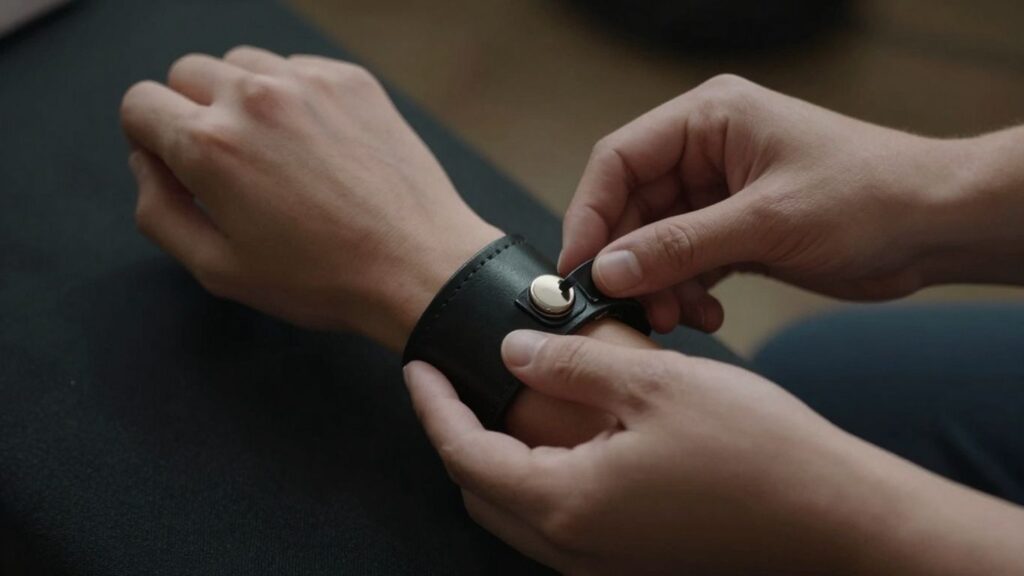
When you’re new to Hardcore BDSM, it’s easy to get excited about all the cool gear and fancy moves you see. But jumping in without knowing what you’re doing can lead to some serious problems. These common BDSM errors for beginners often stem from not understanding the tools or the body.
Purchasing Low-Quality or Unsafe Gear
This is a big one. You might see a cheap set of restraints online and think, “Great deal!” But often, that bargain gear is made from materials that can easily break, chafe, or even injure someone. Always prioritize safety and quality over price. Look for gear made from durable, body-safe materials like medical-grade silicone, stainless steel, or well-finished leather. For beginners, adjustable cuffs with quick-release mechanisms are a lifesaver. Think about it: if a restraint snaps or can’t be removed quickly in an emergency, that’s a recipe for disaster. It’s worth investing a bit more to avoid potential harm. You can find some good starting points for safer materials here.
Lack of Understanding of Anatomy and Sensitive Areas
Bodies are complex, and BDSM play often involves pushing boundaries, but not to the point of causing lasting damage. Beginners might not realize how much pressure is too much, or where the body’s sensitive nerves are located. For instance, prolonged pressure on certain areas can lead to nerve damage, causing tingling, numbness, or even permanent issues. It’s not just about avoiding pain; it’s about understanding circulation and nerve pathways. Always be mindful of joints, the neck, and areas with major blood vessels. If you’re unsure, err on the side of caution. A little research goes a long way in preventing accidental injury.
Rushing into Advanced Techniques Too Soon
Bondage, impact play, suspension – there’s a whole world of techniques out there. It’s tempting to try the most dramatic stuff right away, but that’s a classic beginner mistake. Start simple. Master basic ties, learn how to safely apply restraints to wrists and ankles, and understand how to manage weight distribution if you ever get into suspension. Advanced techniques often require specific knowledge, physical conditioning, and a deep trust between partners. Trying to run before you can walk can lead to accidents and a negative experience for everyone involved. Focus on building a solid foundation of safe practices first. Remember, the goal is mutual pleasure and exploration, not a stunt show.
Here are some first-time BDSM dos and don’ts regarding equipment and techniques:
- Do research the materials your gear is made from.
- Do start with adjustable restraints that have quick-release features.
- Do learn about basic anatomy and nerve locations.
- Don’t buy the cheapest gear you can find.
- Don’t apply restraints too tightly, especially around joints.
- Don’t attempt complex techniques without proper instruction or practice.
“My husband and I joined Swingtowns a couple of years ago. We are new to this lifestyle and were a little apprehensive in getting involved in something like this, but we wanted to spice up our sex life and bite the bullet. We have met some wonderful respectful people and have become friends with everyone we met.” -Needtocome
Neglecting Aftercare and Emotional Support
So, you’ve just finished a scene. Things might have been intense, maybe a little wild, and now there’s this quiet. It’s easy to just move on, maybe grab a snack, and forget about what just happened. But that’s where a lot of beginners trip up. Aftercare isn’t just a nice-to-have; it’s a really important part of the whole experience. Think of it like cooling down after a workout. You wouldn’t just stop dead, right? Same idea here.
Forgetting the Importance of Post-Scene Connection
After the ropes come off or the impact play stops, there’s a shift. People can feel vulnerable, a bit shaky, or even just really tired. Skipping the connection part right after means you’re leaving someone hanging. This could be anything from just sitting together quietly, talking about what happened, or even just a simple hug. It’s about acknowledging that something significant just occurred and that the people involved need a moment to come back to themselves.
Underestimating the Need for Reassurance
Sometimes, after a scene, especially if it involved power dynamics or intense sensations, people need to hear that they did okay. They might need to know that their partner is still there, that everything is alright, and that they are valued. This isn’t about coddling; it’s about reinforcing the trust and safety that allowed the scene to happen in the first place. A few kind words can make a huge difference in how someone processes the experience.
Failing to Check In on Emotional States
This goes beyond the immediate moments after a scene. It’s about checking in later, maybe the next day, or even a few days down the line. How is everyone feeling? Did any unexpected emotions pop up? Sometimes, the real impact of a scene doesn’t hit until later. Being available to talk, listen, or just offer support shows that you care about the person, not just the play. It builds a stronger, more reliable connection for future explorations.
Here’s a quick look at what aftercare can involve:
- Physical Comfort: Offering water, a warm blanket, or a gentle massage.
- Emotional Support: Listening without judgment, offering reassurance, or just being present.
- Processing: Talking through the scene, discussing feelings, and debriefing what happened.
- Rehydration and Nourishment: Making sure basic needs are met.
“Swingtowns is fun and interesting for all kinds of cats! There a plenty of friendly folks and no pushy pests. Plenty of flavors for every occasion.” -FreakyFux
Ignoring Community and Resource Engagement
Failing to Seek Out Reputable Communities
It’s easy to get excited and jump into things, right? You’ve read a few articles, maybe watched some videos, and you’re ready to go. But here’s the thing: the BDSM world is huge, and not all information out there is good information. Trying to figure everything out completely on your own is a recipe for trouble. Think about it like trying to learn a complex skill, like carpentry, just by looking at a few pictures. You’d miss a lot of the important details, like how to hold the tools safely or what kind of wood is best for what. The same goes for kink. There are so many nuances to safety, consent, and technique that you just won’t pick up from a quick search. It’s like trying to understand a whole new language without ever talking to a native speaker. You might get the gist, but you’ll miss all the cultural context and the subtle meanings.
Not Learning from Experienced Individuals
This is where experienced folks really shine. They’ve been there, done that, and probably made a few mistakes themselves. They can offer practical advice that you just can’t find in a textbook or a forum post. Imagine you’re trying to learn a new recipe. A cookbook can tell you the ingredients and steps, but a seasoned cook can tell you why you sear the meat first, or what to do if your sauce looks too thin. That kind of insight is gold. These people can help you understand the why behind the what, which is super important for staying safe and having a good time. They can also help you spot red flags in other people or situations, which is a skill that takes time and experience to develop.
Relying on Unverified Information
Seriously, the internet is a wild place. You’ll find everything from solid advice to outright dangerous misinformation. Some people online might present themselves as experts, but they could be beginners themselves, or worse, have bad intentions. It’s like getting medical advice from a random person on the street instead of a doctor. You wouldn’t do that, right? So why do it with something as personal and potentially intense as BDSM? Always try to cross-reference information, look for sources that cite their facts, and, most importantly, talk to people in established, reputable communities. They can often point you towards reliable resources and help you sort the good advice from the bad.
“Wow!! This site is absolutely amazing. Me and my lady have met some fun sexy people on here and got some great feedback from other couples about our profile.” -JessnOsc77
Here are some ways to connect:
- Attend local munches: These are casual, social gatherings for people interested in kink. They’re usually held in public, neutral spaces like cafes or bars, and are a great way to meet people and get a feel for the community without any pressure.
- Join online forums and groups: Look for well-moderated forums or social media groups that focus on education and safety. Pay attention to the discussions and see who seems knowledgeable and respectful.
- Seek out workshops and classes: Many communities offer educational events on specific topics, from rope bondage safety to consent negotiation. These are fantastic opportunities to learn from experienced educators in a structured environment.
Setting Unrealistic Expectations

It’s easy to get swept up in the fantasy of BDSM, especially when you’re just starting out. You might see things online or hear stories that paint a picture of constant intensity and effortless mastery. But here’s the thing: BDSM is a journey, not a destination, and it’s rarely like the movies.
Believing BDSM is Always Intense
Some beginners think every scene has to be a high-octane, adrenaline-pumping event. They expect constant edge-of-your-seat action, forgetting that BDSM also encompasses slower, more intimate, and emotionally charged experiences. Not every moment needs to be about pain or extreme sensation. Sometimes, the most profound connections come from quiet moments of vulnerability, trust, and gentle restraint. It’s about the spectrum of sensation and emotion, not just the loudest parts.
Expecting Immediate Mastery of Skills
Learning any new skill takes time, and BDSM is no different. You wouldn’t expect to be a concert pianist after one lesson, right? The same applies to rope tying, impact play, or even just effective communication. Rushing into complex techniques without understanding the basics can lead to frustration, injury, or a disappointing experience for everyone involved. Patience is key. Focus on learning one thing at a time, practicing safely, and building your confidence gradually.
Comparing Personal Experiences to Media Portrayals
Hollywood and certain corners of the internet love to sensationalize BDSM. What you see on screen or in heavily curated online content is often a dramatized, unrealistic version of reality. These portrayals rarely show the extensive communication, negotiation, aftercare, and sheer hard work that goes into a safe and satisfying scene. Your personal journey is unique and valid, regardless of how it stacks up against fictionalized accounts. It’s important to ground your expectations in real-world practice and open communication with your partners, not in fantasy.
“So far it’s been a fun way to connect with like minded people. In a open, judgement free environment. Lots of people to get to know.” -StaggerinVixen86
Wrapping Up Your BDSM Exploration
So, we’ve gone over a few common slip-ups folks make when they’re just starting out in BDSM. It’s easy to get excited and jump in too fast, forgetting to talk things through or not really knowing what you’re getting into. But remember, this whole thing is built on trust and making sure everyone feels good and safe. Keep learning, keep talking to your partner(s), and don’t be afraid to slow down if you need to. It’s a journey, and taking it step by step, with open eyes and open communication, is really the best way to go. You’ll figure out what works for you and your partner, and that’s what really matters.
Frequently Asked Questions
What’s the most important thing to remember when starting BDSM?
Safety first, always! This means doing your homework, talking openly with your partner(s), and knowing how to stop the fun if things get uncomfortable. Think of it like learning to swim; you need to know the basics before diving deep.
Do I need special gear to try BDSM?
Not at first! You can start with everyday items like scarves for blindfolds or soft ties for light restraint. As you learn more, you can explore buying specific BDSM gear, but always choose good quality stuff that’s made for safety.
What is a ‘safe word’ and why is it so important?
A safe word is a word or signal you agree on beforehand that means ‘stop immediately, no questions asked.’ It’s super important because it ensures everyone feels in control and can stop play if they’re not feeling it anymore, even if they can’t speak normally.
Is BDSM always about pain and intense stuff?
Nope! BDSM covers a lot of different things, like power play, trust, and exploring different feelings. It can be gentle and sensual, or more intense, depending on what you and your partner(s) agree on. It’s not always about pain.
What happens after a BDSM scene ends?
That’s called ‘aftercare,’ and it’s a big deal! It’s about checking in with each other, cuddling, talking, or whatever helps you both feel good and connected after the intensity. It helps make sure everyone feels cared for and safe.
Where can I learn more about BDSM safely?
Look for reliable online communities, books, or workshops run by experienced and responsible people. Talking to others who have been doing this for a while can be really helpful, but always make sure the information you get is trustworthy and focuses on safety and consent.
A Curiosity-Fueled Playground Where Learning Turns Into Confident Exploration
Starting your hardcore BDSM journey is easier—and safer—when you’re surrounded by people who’ve learned the lessons already. Step into a community that values open conversation, shared experience, and growth through exploration rather than trial and error alone. When you’re ready to connect, learn, and evolve, sign up for a free SwingTowns account and begin your adventure with support at every step. Your next move starts by signing up for a free SwingTowns account and discovering what’s possible together.
“We have met so many nice people since joining swingtowns. Only positive things.” -Honeybeee


