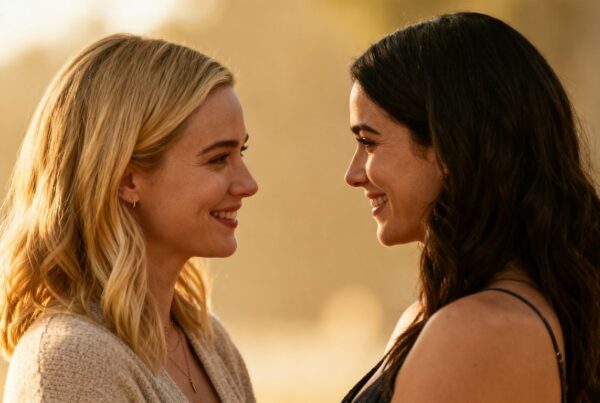
So, you’ve heard the term ‘Febfem’ and you’re wondering what it’s all about? It can get a little confusing with all the different labels out there, right? Basically, Febfem stands for Female-Exclusive Bisexual Female. It’s a way for some women to describe their sexuality. This guide is here to break it down in a simple way, so you can understand what it means for someone to identify as a Febfem, how they might see themselves, and what relationships with them could look like. Let’s clear things up.
Key Takeaways
- A Febfem is a bisexual woman who exclusively dates women but may still experience attraction to men, often in fantasy.
- This identity distinguishes Febfems from other bisexual women who may date men, and from lesbians who are not attracted to men at all.
- Relationships with Febfems can involve understanding their unique attraction patterns, where their primary focus is on women, but men might exist in their thoughts or fantasies.
- Febfems may navigate perceptions within lesbian communities, sometimes seeking validation while maintaining their distinct identity.
- Societal factors and personal journeys influence how Febfems understand and express their attraction and relationship choices.
Understanding The Febfem Identity
Defining Female-Exclusive Bisexual Female
So, what exactly is a Febfem woman? It’s a term that might sound a bit complex at first, but learning about Febfem identity is actually pretty straightforward once you break it down. At its core, a Female-Exclusive Bisexual Female, or Febfem, is someone who identifies as bisexual but exclusively dates or is romantically involved with women. This means while they acknowledge attraction to more than one gender, their actual romantic and sexual behavior is directed solely towards women. It’s a specific way of expressing bisexuality that prioritizes same-sex relationships.
Distinguishing Febfem From Other Bisexual Identities
It’s important to see how the Febfem definition explained fits into the broader picture of bisexuality. Unlike a bisexual person who might date men and women, or a pansexual person attracted to all genders, a Febfem chooses to focus their romantic and sexual energy exclusively on women. This isn’t about denying attraction to men, but rather a conscious choice about who they want to build relationships with. Think of it like this:
- Bisexual: Attraction to two or more genders.
- Pansexual: Attraction regardless of gender.
- Febfem: Identifies as bisexual but only engages romantically/sexually with women.
This distinction is key to understanding the Febfem experience. It’s not about being prudish, reserved, or opposed to casual intimacy. It’s about recognizing that different relationship styles carry different emotional textures, expectations, and social meanings. For many women, the appeal of FWB lies in that blend of comfort, trust, and attraction, while NSA can feel too detached, impersonal, or emotionally thin. That difference helps explain why Febfem often reflects a preference not simply for less sex, but for forms of connection that feel safer, warmer, and more grounded in mutual familiarity.
Navigating Relationships With Febfems

So, you’re interested in dating someone who identifies as a Febfem. That’s cool! Like any relationship, it’s about connection and understanding, but there are a few things that might be a bit different or require a little extra thought. It’s not rocket science, but being aware can make things smoother.
Potential Challenges in Febfem Relationships
Sometimes, relationships can hit a few bumps, and with Febfems, some of those bumps might be related to their specific identity. It’s not about them being difficult, but more about how societal ideas and personal histories can play a role. For instance, there can be a feeling of needing to prove something, either to themselves or to others, about their attraction. This might look like a Febfem partner being extra committed to exclusively dating women, sometimes to the point where it feels like they’re overcompensating. It can also mean that past experiences, maybe with partners who didn’t fully understand or respect their identity, might make them a bit more cautious.
- Internalized Pressure: Feeling the need to be “more lesbian” than a bisexual woman who dates men.
- External Misunderstandings: Dealing with people who don’t grasp the Febfem identity, leading to confusion or invalidation.
- Past Relationship Baggage: Previous negative experiences can create trust issues or a heightened sense of needing security.
Building Trust and Understanding
Building trust is pretty standard in any relationship, right? But with a Febfem, it might involve a bit more open conversation about attraction and boundaries. It’s important to create a space where they feel safe to be themselves without judgment. This means listening when they talk about their experiences and not making assumptions. Sometimes, people might question their identity, and having a partner who believes and supports them is a big deal. It’s about showing up and being a consistent, reliable presence.
Here are a few things that can help:
- Active Listening: Really hear what they’re saying about their feelings and experiences.
- Validation: Acknowledge their identity and feelings, even if you don’t fully grasp them yourself.
- Patience: Understand that healing from past hurts or societal pressures takes time.
- Clear Communication: Talk openly about expectations, desires, and any concerns that pop up.
The Role of Fantasy vs. Reality
This is an interesting one. Everyone has fantasies, and for Febfems, these might sometimes involve men, even if their actual dating behavior is exclusively with women. It’s a complex part of human sexuality. The key here is distinguishing between what happens in someone’s head and what they choose to act on in their relationships. It’s crucial to remember that a fantasy doesn’t dictate a person’s present actions or their commitment to their chosen identity. For some, these fantasies might be a remnant of past attractions or simply a part of their internal landscape that doesn’t affect their real-world relationships. The important thing is that they are choosing to date women and are committed to that path. Talking about this openly, if and when it feels right, can clear up a lot of potential misunderstandings. It’s about respecting their choices and their reality, even if their inner world has different layers.
Febfem In The Context Of Lesbian Communities

Perceptions and Misconceptions
So, let’s talk about how the Female-Exclusive Bisexual Female (Febfem) identity fits into the broader lesbian community. It’s not always a straightforward picture, and honestly, there’s a lot of confusion out there. Some people within lesbian spaces might see Febfems as not ‘truly’ lesbian because of the ‘bisexual’ part of the definition, even though the attraction is exclusively to women. It’s like, “Wait, you’re attracted to men in fantasy, so you can’t be here?” This can lead to some friction, and it’s a real thing some Febfems experience.
The core issue often boils down to differing definitions of what it means to be a lesbian. For some, it’s about sexual behavior, for others, it’s about identity and who you could be with. This is where the Febfem label becomes really useful, offering a way to describe attraction patterns without necessarily fitting into a rigid, pre-existing box. It’s a way to say, “I’m here, I’m attracted to women, and this is how my attraction works.” It’s a guide to female exclusive bisexuality that acknowledges a specific nuance.
The Desire for Validation
Because of these differing views, Febfems can sometimes feel like they’re on the outside looking in, even within spaces that are supposed to be welcoming. There’s a desire to be seen and accepted for who they are, without having to constantly explain or defend their identity. It’s not about wanting special treatment, but just wanting to belong and have their experiences validated. This can be tough when you encounter people who are very strict about labels and definitions, sometimes leading to feelings of isolation.
Navigating Community Dynamics
Finding your place can be a journey. Here are a few things that can help Febfems navigate these community dynamics:
- Seek out understanding spaces: Look for groups or online forums where Febfem experiences are discussed openly and respectfully. Not all lesbian spaces are the same, and some are definitely more inclusive than others.
- Educate when you feel comfortable: Sometimes, gently explaining what Febfem means can help clear up misconceptions. But remember, you don’t owe anyone an explanation, especially if it feels draining.
- Focus on shared experiences: At the end of the day, many Febfems share common ground with other lesbians regarding life experiences, dating challenges, and community building. Finding those connections can be really powerful.
Ultimately, the goal is to find spaces where Febfems can feel seen, understood, and accepted for their unique identity within the broader spectrum of female attraction. It’s about building bridges and fostering a more inclusive understanding of sexuality. For more on understanding lesbian identity, you can check out definitions of lesbianism.
Attraction Patterns And Preferences

The Spectrum of Attraction
When we talk about attraction for Febfems, it’s not always a simple “yes” or “no” to men. It’s more of a spectrum, and things can get pretty nuanced. Some Febfems might find certain men aesthetically pleasing, like appreciating a piece of art, but that doesn’t automatically translate into a desire for a romantic or sexual relationship. It’s like noticing a really cool car – you can admire its design, but you don’t necessarily want to drive it off the lot. The attraction is often more about recognizing certain qualities or looks that are appealing on a surface level, rather than a deep, personal pull.
Preference for Women
For most Febfems, the primary romantic and sexual attraction is directed towards women. This is the core of the identity. It’s not just a phase or a preference; it’s where their genuine desire lies. This attraction can manifest in various ways, from intense emotional connections to physical desire. The consistent and primary draw to women is what defines the Febfem experience. It’s about finding women captivating, exciting, and desirable in a way that men typically aren’t for them.
Attraction to Men in Fantasy
This is where things can get a bit more complex and sometimes misunderstood. Some Febfems might experience attraction to men within fantasy or fictional contexts. This doesn’t negate their identity as Febfem. Think of it like enjoying a certain type of movie or book – it’s an engagement with a narrative or a character that might be appealing in that specific, contained way. It could be about exploring power dynamics, specific scenarios, or even just a fleeting thought that doesn’t reflect their real-world romantic or sexual orientation. It’s important to remember that fantasy and reality often live in different worlds, and what happens in one doesn’t always dictate the other.
Here’s a quick look at how attraction might play out:
- Primary Attraction: Consistently towards women (romantic, sexual, emotional).
- Secondary/Fantasy Attraction: Occasional or situational attraction to men, often in fantasy, media, or aesthetic appreciation.
- Behavioral Aspect: Actions and relationships are predominantly with women.
Societal Influences On Identity
Female Socialization and Relationships
Growing up, we’re often shown very specific ways to be a woman. Think about it – movies, books, even just casual conversations tend to paint a picture of what’s ‘normal’ for girls and women. This can really shape how we see ourselves and our relationships. For someone identifying as Febfem, this can feel like trying to fit a square peg into a round hole. The expectations around dating men, or even just how women are ‘supposed’ to interact with each other, might not match up with their actual feelings and attractions. It’s like being handed a script that doesn’t quite fit your character.
The Impact of Societal Backlash
It’s not always easy out there. When your identity or attractions don’t fit the mold, you can sometimes face pushback. This might come from people who don’t understand bisexuality, or even from within communities that feel more rigid. This can lead to feeling isolated or like you have to constantly explain yourself. It’s a lot to deal with, especially when you’re just trying to figure out who you are and who you’re drawn to. Dealing with judgment can make anyone feel unsure, and it’s a real hurdle for many Febfems trying to live authentically. It’s tough when you feel like you’re not accepted by different groups, and that can really mess with your head. It’s a known issue that LGBTQ+ youth can face a lot of negative attention, and this can impact their mental health.
Choosing Partners Amidst Social Pressures
So, how does all this societal stuff affect who a Febfem might choose to date? Well, it’s complicated. Sometimes, the pressure to conform can make someone question their own feelings. They might wonder if they should be attracted to men, or if their attraction to women is ‘real’ enough. It can also mean that external opinions, whether from family, friends, or society at large, weigh heavily on decisions. It’s a balancing act between what feels right internally and what feels ‘acceptable’ externally.
Here are some common pressures:
- Pressure to date men to ‘prove’ heterosexuality or to fit traditional relationship roles.
- Judgment from some lesbian communities for not being exclusively attracted to women.
- Misunderstandings from straight individuals who don’t grasp the nuances of bisexual attraction.
- Internalized societal messages about what ‘real’ women or ‘real’ relationships look like.
Personal Experiences And Perspectives
Dating Experiences with Febfems
So, what’s it actually like to date someone who identifies as a Febfem? Well, it’s as varied as any dating experience, really. Some folks find it incredibly straightforward, a natural connection that just clicks. Others, though, might run into a few bumps. It’s not uncommon for Febfems to have had experiences where their attraction to women was the primary focus, and any past relationships with men might feel distant or even like a different lifetime. This can sometimes lead to a feeling of needing to “prove” their current identity, especially if they’ve faced skepticism before. It’s a journey, and like any journey, there are smooth roads and a few detours.
The Search for Genuine Connection
At the heart of it, everyone wants a genuine connection, right? For Febfems, this often means finding partners who understand and accept their specific way of experiencing attraction. This isn’t about needing constant validation, but rather about feeling seen. Sometimes, past experiences can make someone a bit guarded, making that initial search for trust and openness a bit more involved. It’s about finding someone who gets that attraction isn’t always a simple, one-size-fits-all thing. The goal is always to find someone who appreciates you for who you are, in all your unique facets.
Individual Journeys of Self-Discovery
Every Febfem has their own story. There isn’t a single path that leads to this identity. Some might have realized their attraction to women early on, while for others, it’s been a more gradual unfolding. There can be a period of questioning, of trying to fit into boxes that don’t quite feel right, before landing on an identity that truly fits. It’s a process of self-discovery that often involves a lot of introspection and sometimes, a bit of trial and error. What’s clear is that these individual journeys are deeply personal and shape how a Febfem moves through the world and forms relationships.
Here’s a look at some common themes that emerge:
- Early Attractions: Many Febfems recall a strong pull towards women from a young age, even if societal norms or personal circumstances led them down different paths initially.
- Periods of Questioning: It’s not unusual to go through phases of uncertainty, especially when societal narratives about bisexuality or attraction don’t quite align with personal feelings.
- Finding Community: Connecting with others who share similar experiences, even online, can be incredibly affirming and help solidify one’s sense of self.
- Acceptance of Nuance: Ultimately, many find peace in accepting that their attraction is complex and doesn’t need to fit a rigid definition.
Wrapping Things Up
So, that’s the lowdown on Febfem. It’s a term that pops up when people are trying to figure out attraction and relationships, especially within the lesbian community. It seems like a lot of the discussion revolves around wanting clear lines and avoiding heartbreak, which, honestly, is pretty understandable. People have different experiences, and sometimes labels help make sense of it all, even if they can get a bit messy. At the end of the day, everyone just wants to find genuine connection, and figuring out who you are and who you’re attracted to is a big part of that journey. It’s a complex topic, for sure, and maybe understanding these terms can help folks feel a little less alone or confused.
Frequently Asked Questions
What exactly does ‘Febfem’ mean?
Febfem is short for Female-Exclusive Bisexual Female. It describes someone who is attracted to women and primarily or exclusively dates women, but might still find men attractive in their thoughts or fantasies. It’s a way to identify within the bisexual community, focusing on a preference for female partners.
How is a Febfem different from a lesbian?
A lesbian is someone who is exclusively attracted to women and identifies as female. A Febfem, while also exclusively dating women, identifies as bisexual because they acknowledge some level of attraction to men, even if it’s only in their imagination or fantasy. It’s about the internal experience of attraction versus the outward behavior of who someone chooses to date.
Can Febfems be attracted to men at all?
Yes, that’s the key difference. While Febfems choose to date only women, they might still experience attraction to men in a fantasy or thought-based way. This doesn’t mean they want to act on it or date men, but the attraction itself is acknowledged in their identity as bisexual.
Are there challenges when dating a Febfem?
Sometimes, relationships can get complicated if there’s a misunderstanding about attraction. For example, a lesbian partner might worry if the Febfem’s attraction to men is more than just fantasy. Open communication is super important to make sure both people feel secure and understood in the relationship.
Why do some Febfems prefer to date only women?
There can be many reasons! Some Febfems feel more comfortable or safe dating women. Others might have had negative experiences dating men, or they simply find that their deepest connections and desires are with women. It’s about what feels right and fulfilling for them, and for many, that’s exclusively with women.
Is being a Febfem a way to be ‘more gay’?
Not really. Febfem is a specific bisexual identity, not a step towards being lesbian. It’s about accurately describing one’s own attractions and relationship choices. While some might feel it’s a way to be closer to the lesbian community, it’s important to remember it’s still a form of bisexuality, just with a strong preference for women.
Discover More – Where Curiosity Leads to Exciting New Connections
Exploring your desires should feel exciting, welcoming, and full of possibility. SwingTowns offers a space to meet like-minded people, build authentic connections, and discover new experiences at your own pace. Whether you are just beginning your journey or looking to expand your community, there is always something new to explore. Sign up for a free SwingTowns account today and begin your adventure.
“Swing towns is my go to dating app. I just joined but truly am in love with swingtowns” -Th3gi4nt