
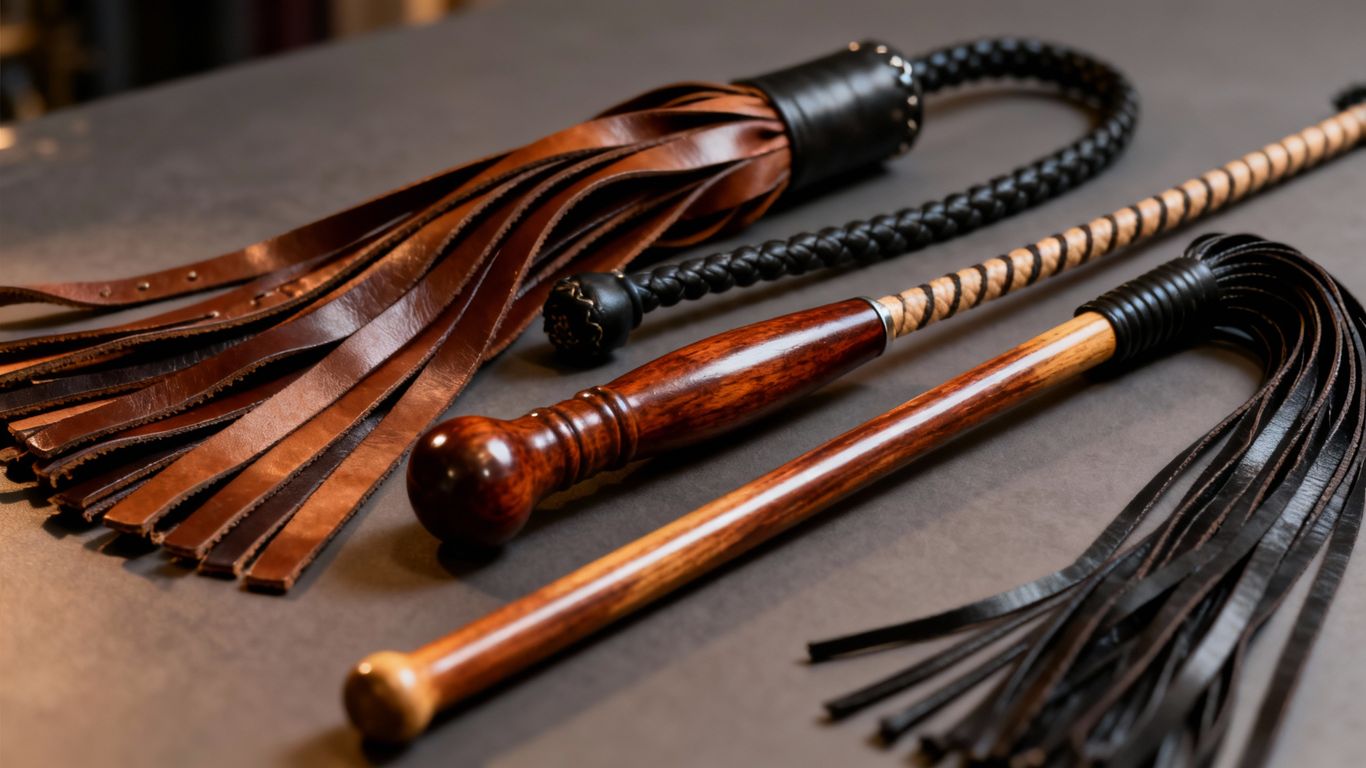
Thinking about dipping your toes into impact play? It can seem a little overwhelming at first with all the different tools out there. You’ve got floggers, crops, canes, and whips, and they all do slightly different things. Figuring out which one to start with is half the battle. This guide is here to break down what each one is like, what kind of sensations they give, and how to pick the right one for you and your partner when you’re just starting out. We’ll keep it simple so you can get to the fun part.
Key Takeaways
- Floggers are often the best starting point because their impact is spread out, making them generally less intense and easier to handle for beginners.
- Crops offer a bit more focused sensation than floggers and are still quite controllable, making them a good next step for those wanting a bit more sting.
- Whips and canes are usually for more experienced users due to their potential for sharp, intense sensations and the higher risk of injury if not used correctly.
- When choosing your first toy, consider the sensation you and your partner are looking for: ‘thuddy’ (a duller, deeper feeling) or ‘stingy’ (a sharper, more intense feeling).
- Always prioritize clear communication, consent, and safety. Start slow, learn your chosen toy’s capabilities, and talk about what feels good and what doesn’t afterwards.
Understanding Impact Play Tools
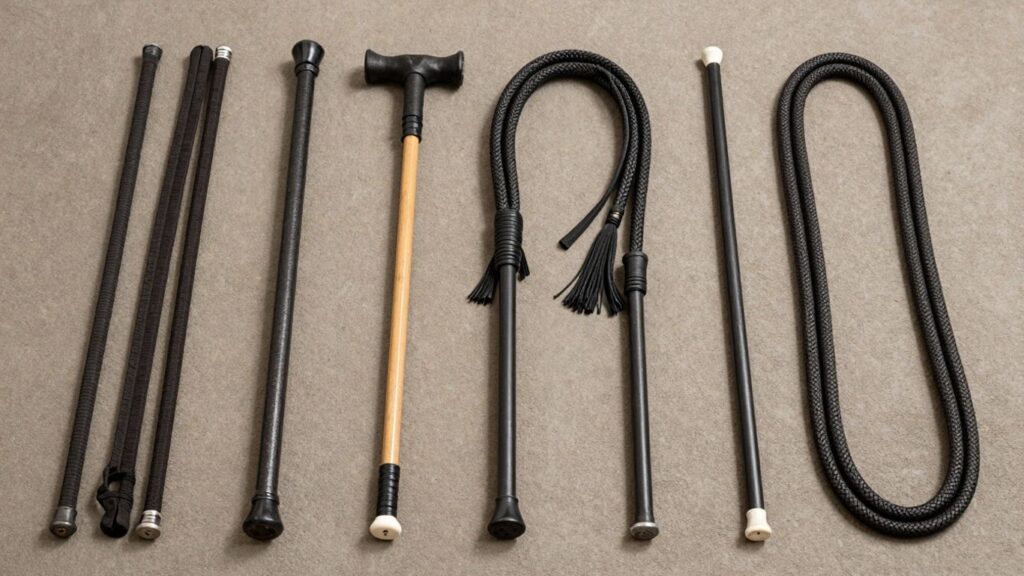
Impact play, at its core, is about exploring sensations through physical contact, often involving implements. It’s a broad category, and understanding the different tools is the first step to safely enjoying it. We’re talking about understanding different impact tools, and they all offer something a little unique. Think of it like learning to cook; you wouldn’t use a whisk to chop onions, right? Same idea here. Each tool has its own feel, its own sound, and its own way of making contact.
Floggers: Gentle Giants for Beginners
Floggers are often the go-to for people just starting out. They usually have a handle with multiple falls or tails made of leather, suede, or other soft materials. When you swing a flogger, the tails spread out, distributing the impact over a wider area. This means you get a sensation that’s more of a thud or a dull sensation rather than a sharp sting. It’s a great way to get used to the feeling of being hit without it being too intense.
Crops: Controlled Sting for Newcomers
Crops are shorter than floggers and typically have a single, stiffer tail. They’re designed for more focused contact. Think of a riding crop, but for play. The sensation from a crop is usually sharper and more stingy than a flogger. Because they’re more controlled, they’re good for pinpointing specific spots and for people who want a bit more intensity than a flogger provides, but aren’t ready for something more advanced.
Whips: Advanced Techniques and Sensations
Whips are often what people picture when they think of impact play, but they can be quite complex. They usually have a long, flexible lash. Whips require more skill to use effectively and safely. The sound and sensation can be very distinct, often a sharp crack followed by a sting. They’re not usually recommended for absolute beginners because of the potential for intensity and the skill needed to control them.
Canes: Precision and Intensity for Experts
Canes are typically rigid rods, often made of rattan, bamboo, or fiberglass. They deliver a very direct and intense sensation. The impact is concentrated on a small point, leading to a sharp, stinging sensation. Because of their intensity and the precision required, canes are generally considered tools for more experienced players who understand anatomy and have practiced their technique.
“Swing Towns knows what’s up! Finally a platform where like minded people can connect.” -Cboy6983
Here’s a quick rundown of the general feel:
- Floggers: Thuddy, spread out sensation. Good for broad areas.
- Crops: Stingy, more focused. Good for controlled, sharper sensations.
- Whips: Can be stingy or thuddy depending on technique, often with a distinct sound. Requires skill.
- Canes: Very stingy, precise, and intense. Best for experienced users.
Choosing Your First Toy: Floggers, Whips, Canes, and Crops Explained
So, you’re thinking about dipping your toes into impact play? That’s awesome! It can be a really intense and satisfying part of exploring intimacy. But with so many different toys out there, it can feel a bit overwhelming at first. Let’s break down some of the most common types of floggers and whips, along with crops and canes, to help you figure out where to start.
Floggers: The Welcoming Entry Point
Floggers are often the go-to for beginners, and for good reason. They typically have a handle with multiple strands, or ‘falls,’ that spread out on impact. This means the sensation is distributed over a larger area, making them generally less intense than other toys. Think of them as the gentle giants of the impact play world. They’re great for warming someone up or for longer play sessions because the impact is spread out.
- Variety: Floggers come in all sorts of materials, from soft suede to firmer leather, and the thickness of the falls can vary. Thicker falls tend to give a “thuddy” sensation, while thinner ones can offer a bit more sting.
- Sensation: Generally “thuddy” and spread out, good for covering larger areas like the upper back and backside.
- Control: Relatively easy to control, making them forgiving for newcomers.
Crops: A Step Up in Sensation
Crops are a bit different. They usually have a shorter handle and a single, flat tail or ‘popper’ that makes contact. This design allows for a more focused sting compared to a flogger. If you’re looking for something with a bit more bite than a flogger but still want a good amount of control, a crop might be your next step.
- Design: A firm stick with a flat, pliable tail. They can come in various lengths and materials.
- Sensation: More of a focused sting than a flogger, good for hitting specific spots.
- Control: Still quite controllable, offering a noticeable step up in sensation.
Whips: For the Experienced Explorer
True whips, distinct from many floggers that are sometimes called whips, are usually longer implements with a shorter handle and a single, long lash. They require more skill and space to use effectively and safely. The impact from a whip can be quite sharp and intense, so they’re generally recommended for those who have some experience with other impact toys.
- Design: Long, flexible lash with a shorter handle. Think bullwhips or cat-o’-nine-tails.
- Sensation: Can deliver a sharp, intense sting. Requires precision.
- Skill Level: Best suited for those with practice and a good understanding of technique.
Canes: Precision and Power
Canes are all about precision and intensity. They are typically long, thin, and can be made from materials like bamboo, rattan, or acrylic. Because they pinpoint a very specific spot, they can deliver a powerful sting and require a lot of care and practice to use without causing unintended harm. These are definitely for more experienced players.
- Design: Long, thin, and rigid or semi-flexible. Allows for very precise aim.
- Sensation: Intense, pinpointed sting. Can cause significant sensation and bruising if not used carefully.
- Skill Level: Advanced. Requires significant practice and control.
When you’re starting out, it’s often best to begin with floggers to get a feel for impact play. From there, you can gradually explore crops, and only move on to whips and canes when you feel confident and have a solid understanding of safe practices and technique. Remember, communication and consent are always the most important tools in your play kit!
Key Differences in Impact Play Implements
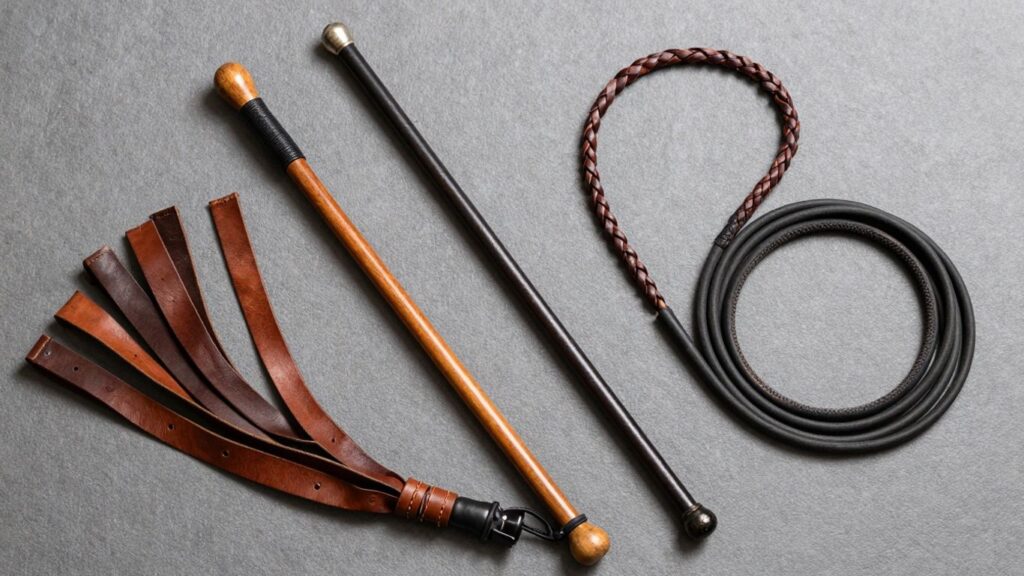
So, you’ve got your eye on some impact toys, which is awesome! But with so many options out there, it can be a bit confusing to figure out what’s what. Let’s break down some of the main differences between the popular ones, like floggers, crops, whips, and canes. It’s not just about how they look; it’s about the kind of sensation they create and how you can best use them.
Floggers: Spreading the Sensation
Floggers are probably the most common starting point for many people exploring impact play. They usually have a handle and a bunch of flexible falls (think leather or suede strips) attached. Because there are so many falls, a flogger tends to spread the sensation over a wider area. This means you get more of a thuddy feeling, a deep sensation rather than a sharp sting. It’s like a broad, satisfying thwack. They’re great for building up intensity gradually and are generally considered more forgiving for beginners. You can get floggers with different numbers and types of falls, which changes the feel, but the core idea is that diffused impact.
Crops: Focused and Controllable
Crops are a bit different. They typically have a shorter handle and a single, stiffer tail, often made of leather. This design makes them much more precise. Instead of spreading the sensation, a crop delivers a more focused sting. Think of it like a sharp, quick tap. Because they’re so controllable, you can really pinpoint specific spots. This makes them excellent for teasing or for delivering sharp, attention-grabbing sensations. They can feel more intense than a flogger, so it’s good to start with lighter taps and see how your partner responds.
Whips: The Art of the Lash
Whips are where things can get a bit more complex, and often, more intense. They usually have a handle and a long, flexible lash, which can be made of various materials. The key feature of a whip is its ability to crack or lash. This isn’t just about the impact of the tail hitting skin; it’s also about the sound and the anticipation. Whips require more skill to use effectively and safely because the lash can move very quickly and unpredictably if you’re not careful. They can deliver a sharp sting, and the technique involved is a big part of the experience. For those looking for a more advanced sensation, whips are definitely something to explore, but always with proper education on impact play.
Canes: Pinpointing the Impact
Canes are all about precision and intensity. They are typically rigid, slender rods, often made of rattan, fiberglass, or even bamboo. Unlike the flexible falls of a flogger or the lash of a whip, a cane delivers a very direct, sharp impact. This means they can be quite intense and are best used by experienced individuals who understand anatomy and how to control their strikes. Canes are fantastic for targeting very specific nerve endings or areas that respond well to sharp sensation. Because they are so direct, it’s super important to be mindful of where and how hard you’re striking. They don’t really
Sensations and Target Areas
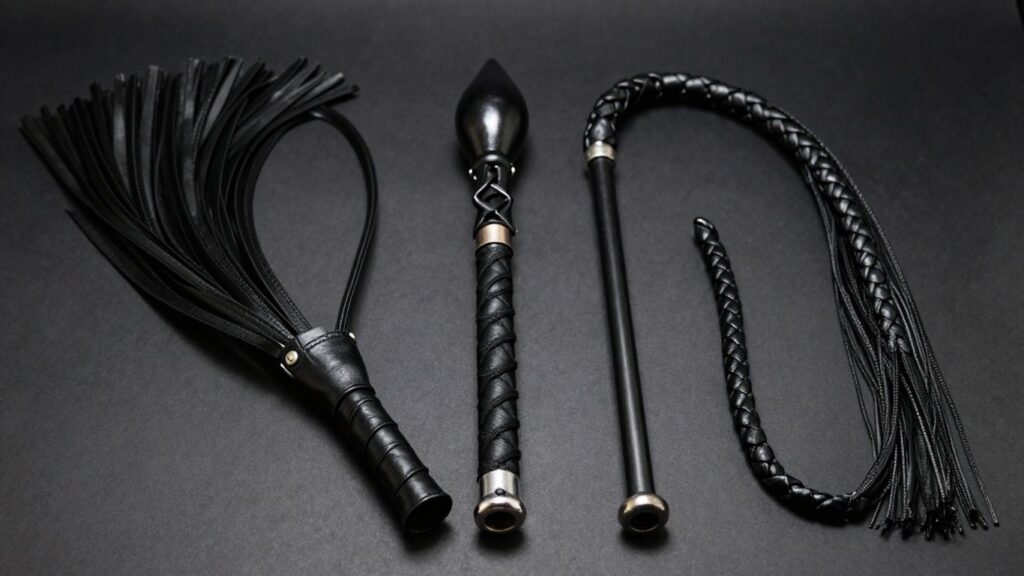
When you start playing with impact toys, you’ll quickly notice that different tools create really different feelings. It’s not just about how hard you hit, but also what you’re hitting with. Broadly speaking, people talk about two main types of sensations: ‘thuddy’ and ‘stingy’.
Thuddy sensations are more of a deep, dull feeling. Think of a heavy flogger or even a well-placed hand slap. It’s less about a sharp bite and more about a resonant impact that can feel really grounding. These are often great for warming up or for people who are new to impact play because they tend to be less intense.
Stingy sensations, on the other hand, are sharp and quick. This is what you get from a riding crop, a cane, or the single tail of a whip. It’s a more focused sensation that can make you jump or gasp. It’s often described as a ‘bite’ or a ‘snap’.
Ideal Areas for Each Toy
It’s super important to know where to aim. Some spots are more forgiving than others. Here’s a general guide, but always, always check in with your partner!
- Floggers: Because they spread the impact over multiple falls, floggers are fantastic for larger, meatier areas. The buttocks are a classic starting point. The upper back, below the shoulder blades, is also a good spot. They tend to give that satisfying thuddy feeling.
- Crops: Crops, with their single point of contact, are great for more focused sensations. The outer thighs and the fleshy part of the buttocks are good places to start. They can deliver a stingy sensation without being too overwhelming if used with control.
- Whips: Whips, especially single-tail ones, are for more experienced users. They require a lot of precision. The buttocks and upper back are still common targets, but the intensity can be much higher. Be very careful with the length and the potential for wrap-around.
- Canes: Canes are all about precision and intensity. They deliver a very sharp, stingy sensation. The buttocks are a primary target. Because they are so focused, it’s easy to hit the same spot repeatedly, so take breaks and move around.
Areas to Approach with Caution
Some parts of the body are just not built for impact play. It’s really best to avoid them altogether, especially when you’re starting out.
- Bony areas: Think hip bones, elbows, knees, and the spine itself. Hitting these can be incredibly painful and can cause injury.
- Kidneys: These are located on your lower back, and they are very sensitive. A direct hit can be seriously harmful.
- Neck and Head: Absolutely avoid these areas. They are far too vulnerable.
- Joints: Knees, elbows, wrists, ankles – these are all delicate and prone to injury.
- Breasts: While some people do incorporate breast play, it requires a lot of experience and extreme caution. It’s generally best to avoid them when you’re new to impact toys.
“This is an amazing place to explore and experience. The best online platform for swinging.” -Decentfinder
Mastering Your First Impact Toy
So, you’ve got your first impact toy, maybe a flogger or a crop, and you’re wondering what’s next. It’s totally normal to feel a mix of excitement and maybe a little nervousness. This isn’t about rushing into anything; it’s about learning and exploring together. Think of this as your personal guide to impact toy selection, moving beyond just owning the gear to actually using it well.
Starting with Floggers
Floggers are often the go-to for beginners, and for good reason. Their multiple tails spread the sensation, making them feel less intense than a single-point impact. When you first pick one up, just get a feel for its weight and balance. Start with light, sweeping motions on larger, fleshy areas like the buttocks or thighs. Don’t go for speed or force right away. Focus on the rhythm and how the tails land. It’s about building sensation gradually. You can even practice on a pillow to get a feel for the swing and impact without any pressure.
Getting Comfortable with Crops
Crops offer a more focused sensation than floggers. They have a single point of contact, which can feel sharper. If you’re moving from a flogger, a crop might feel like a step up in intensity. Again, start with the fleshy parts. A gentle tap on the outer thigh or buttock is a good starting point. Pay attention to your partner’s reactions – are they leaning into it, or pulling away? This feedback is gold. You’ll want to experiment with different angles and the amount of wrist-flick you use to control the sting. Remember, even with a crop, you can vary the intensity from a light tap to a more noticeable sting.
When to Consider Whips and Canes
Whips and canes are generally for those who have more experience with impact play. They can deliver a much sharper, more intense sensation. If you’re curious, it’s best to approach these with extreme caution and after a lot of communication. Canes, in particular, require precision. A misplaced strike can be painful in a way that isn’t fun. Whips, with their potential for a loud crack and sharp sting, also demand respect. If you’re considering these, make sure you’ve had plenty of practice with less intense beginner impact play toys and have discussed boundaries thoroughly.
The Importance of Practice and Technique
No matter what toy you’re using, technique is key. It’s not just about hitting harder; it’s about how you hit. A good stance helps you deliver consistent, controlled impacts without tiring yourself out. Think about planting your feet and using your arm, not your whole body, for the swing. This allows for more precision. Always check in with your partner, not just verbally, but by watching their body language. Are they breathing through it? Are they tensing up in a way that suggests discomfort rather than anticipation? Building this connection is as important as the physical act itself. Remember, impact play is a journey, and the best way to learn is through patient exploration and open communication with your partner. You might find that a simple hand spank is perfect for some moments, or that a specific toy feels just right for others. It’s all part of the learning process, and there’s no single right way to do it. For more on starting out, check out this guide to impact play.
“I am enjoying swingtown and the way it is run. Hope to meet some great people who enjoy healthy sexy fun together. Life is tooo short not to.” -teaser71902
Safety and Consent in Impact Play
Alright, let’s talk about the really important stuff before we get too deep into the fun. Impact play, no matter how gentle, involves hitting. And hitting someone without their okay is just not okay, plain and simple. It’s not just about avoiding injury; it’s about making sure everyone involved feels respected and secure. This is where consent comes in, and it’s the absolute bedrock of any good play session. We’re talking about open communication and making sure everyone is on the same page about what’s happening and what feels good.
Prioritizing Communication
This is probably the most critical part of getting started with sensation play. Before you even pick up a toy, you need to have a real chat with your partner. What are your personal limits? Which experiences are you genuinely curious to explore? And which boundaries are absolute non-negotiables for you? Think of it like planning a trip – you wouldn’t just hop in the car and go, right? You’d discuss the destination, the route, and any stops you want to make. Impact play is similar. You need to discuss the tools you’ll use, the areas you’ll target, and the intensity you’re aiming for. Clear, ongoing communication is non-negotiable.
Understanding Pain Tolerance
Everyone’s body and mind react differently. What feels like a pleasant sting to one person might be overwhelming for another. It’s super important to understand that pain tolerance isn’t a competition. It’s about finding what works for both of you. Start slow, pay attention to your partner’s reactions, and check in frequently. Remember, the goal is pleasure and connection, not pushing someone past their limits.
Safe Zones and Areas to Avoid
Not all parts of the body are created equal when it comes to impact play. Some areas are much more sensitive and carry a higher risk of injury. Generally, stick to fleshy areas like the buttocks, thighs, and upper arms. Avoid the lower back, kidneys, stomach, joints, neck, and any areas with existing injuries or chronic pain. When in doubt, err on the side of caution. It’s better to be safe than sorry.
Gradual Progression and Debriefing
Don’t feel like you need to go from zero to sixty. Start with lighter sensations and tools, like a hand or a soft flogger, and gradually work your way up if both partners are comfortable. After the play session, take time to debrief. Talk about what you both enjoyed, what you didn’t, and what you might want to try next time. This feedback loop is vital for building trust and ensuring future sessions are even better. It’s all about building a shared experience, and that includes the aftercare and reflection.
“Really enjoying Swingtowns a lot! Very easy to use the app and lots of great people too.” -KarandBri1970
Wrapping It Up
So, there you have it. We’ve gone over the basics of floggers, crops, canes, and whips, breaking down what makes each one tick and how they feel. Remember, the most important thing here is communication and consent with your partner. Start slow, figure out what feels good for both of you, and don’t be afraid to experiment. Whether you’re aiming for a gentle thud or a sharp sting, there’s a tool out there that can help you explore. Just make sure you’re both on the same page and having fun with it. Happy playing!
Frequently Asked Questions
What’s the difference between a flogger and a whip?
Think of a flogger as having lots of soft tails that spread out the feeling over a bigger area. A whip is usually just one long tail and can give a sharper, more focused sting. Floggers are often easier for beginners because the impact is less intense.
Which toy is best for someone new to impact play?
Floggers are usually the best starting point. They have many tails that spread the sensation, making them feel less intense and more forgiving. They’re great for getting a feel for impact play without being overwhelming.
What does ‘thuddy’ versus ‘stingy’ mean for impact toys?
‘Thuddy’ toys, like paddles or thick floggers, give a deeper, duller feeling. ‘Stingy’ toys, like canes or crops, provide a sharper, quicker sensation. It’s all about the type of feeling you and your partner enjoy.
Are there any body parts I should avoid hitting?
Yes, definitely! It’s best to stay away from the lower back, as it can hurt your kidneys. Also avoid joints, the neck, and any areas with existing injuries or that are very bony, like the tailbone or hipbones. Stick to areas with more muscle or fat, like the butt or upper back.
How do I know how hard to hit someone?
Start slow and gentle! Communication is super important. Talk with your partner about what feels good and what doesn’t. You can also use a simple scale, like 1 to 5, to describe the intensity. Always check in after each hit or set of hits.
Can I use regular household items for impact play?
You can, but be careful! Things like wooden spoons or rulers can work for a ‘thuddy’ feeling, but they might not be designed for this and could break or cause unexpected injury. Always make sure the item is safe and that you and your partner agree to use it.
Confidence Starts With Knowledge—Choosing Tools That Match Your Comfort
Trying something new feels better when you understand your options and your boundaries. Join a welcoming community where open-minded adults share real experiences, safety-first advice, and honest conversations about BDSM exploration. Learn what different tools offer, ask questions without judgment, and move at your own pace. Sign up for a free SwingTowns account today to connect, learn, and explore with confidence.
“I recommend swingtowns because it’s the first site that even as a free profile you can still connect with ppl. I have since upgraded to lifetime but me and my wife have met some really fun cpls since we started on this site so we fully recommend swingtowns.” -TheRowan


