

Thinking about hosting your first swap party? It’s a fantastic way to declutter, get new items, and connect with friends—all while being kind to the planet. Whether you’re trading clothes, books, or household goods, this guide will walk you through the steps to make your swap party a success. So, roll up your sleeves and let’s dive into the world of swapping!
Key Takeaways
- Swap parties are a fun way to refresh your belongings without spending money.
- They promote sustainability by reducing waste and encouraging recycling.
- Clear guidelines help ensure a smooth swapping experience for everyone.
- Creating a welcoming atmosphere makes guests feel comfortable and engaged.
- Documenting the event can help improve future swap parties.
Understanding The Concept Of A Swap Party
What Is A Swap Party?
A swap party is a gathering where friends or neighbors bring items they no longer use and exchange them for things they need. It’s a casual way to recycle items and reduce clutter while discovering something new—kind of like a book swap event for everyday items. Participants usually bring a mix of personal belongings, from clothes to gadgets, and leave with something they hadn’t planned on getting.
It’s a friendly, approachable way to give old items a new home, saving money and cutting down waste.
Benefits Of Hosting A Swap Party
Hosting a swap party comes with several advantages:
- It cuts down on waste by reusing items rather than disposing of them.
- It builds a community feel by bringing people together for a common good.
- It often results in surprising finds that you may not get through regular shopping.
Participating in a swap can be simple, as it usually requires only a small investment of time to sort or organize items before the event. Everyone leaves with something useful, which often sparks interesting conversations and ideas for future gatherings.
Types Of Items To Swap
There are many items you can bring to a swap party. Common categories include:
- Apparel and Accessories – items like clothes, hats, or bags that are still in good condition.
- Books and Media – think about novels, magazines, or even video games to pass along.
- Home Goods – decorations, kitchen tools, or small appliances that are gently used.
You can organize the items using a simple table or list to keep track of available categories:
| Category | Examples |
|---|---|
| Apparel | Shirts, pants, accessories |
| Books & Media | Books, DVDs, CDs |
| Home Items | Kitchenware, decor items |
This setup makes it easier for guests to see what’s on offer and decide what they might want to bring or take home.
Planning Your First Swap Party
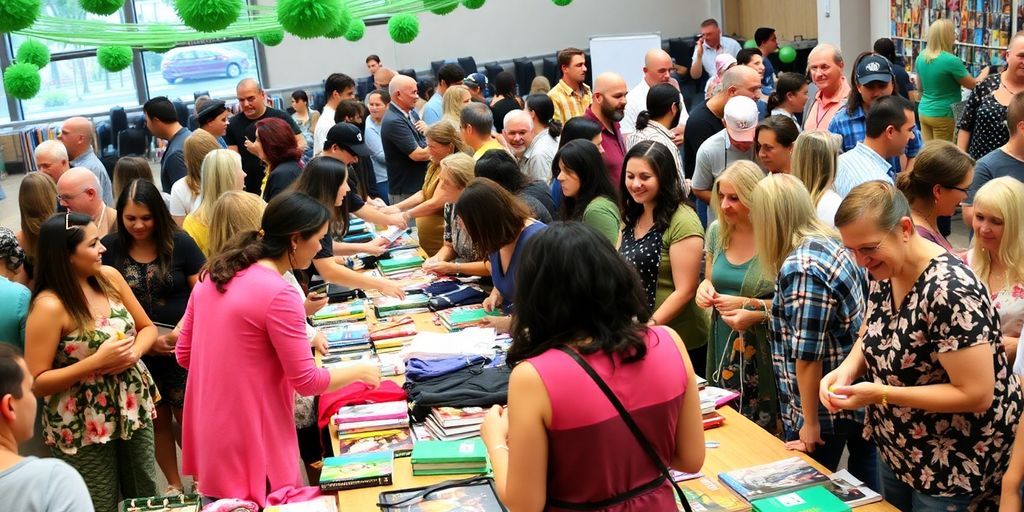
Throwing a swap party is more than just showing up and trading items; it’s all about laying a solid foundation from the start. By planning carefully, you set the stage for a lively and organized event where everyone has a great time.
Choosing The Right Venue
Picking the right place is a big part of the planning process. Think about whether your own space fits the bill or if renting out a community center or hall would be better. Look for a location that is easy to get to, has enough room for displays, and offers comfortable seating areas for conversations.
Here’s a quick look at some venue options:
| Option | Pros | Cons |
|---|---|---|
| Home | Free, familiar, cozy | Limited space |
| Community Center | Affordable, community-oriented | May need advance booking |
| Rented Hall | Spacious, professional feel | Higher cost |
Make sure to visit potential venues if you can, and keep in mind the flow of the event could depend on good lighting and adequate space.
Setting A Date And Time
Deciding when to hold your event is key. Picking a time that works for most people helps ensure a full turnout. Start by checking your own schedule and then consider a simple survey to gauge guest availability.
Some ideas to help you pin down the perfect date and time:
- Review your calendar and avoid local event clashes.
- Gather input from your potential guests using an online poll.
- Lock in a date at least three weeks in advance, allowing everyone ample time to plan.
This planning stage isn’t just about picking a number on the calendar; it can really set the mood for an organized swap party.
Creating Invitations
This part is where your creative side can shine. Craft clear invitations that tell your guests what to expect and what they should bring. The invitation should list all important details: the location, date, time, and what categories of items are welcome.
Clear announcements and reminders boost the event’s success.
Consider these tips when making your invitations:
- Use simple language and bullet points to list crucial details.
- If you’re not paper-savvy, even a group message or email works wonders.
- Emphasize the need for RSVPs so you can plan for the right number of guests.
A detailed invitation can create an early buzz and set a positive tone for the day. It’s a small effort that leads to a more cohesive experience, much like planning a successful clothes swap event.
Establishing Swap Party Guidelines
When setting up your swap party, having clear guidelines will help make the process smooth and fair for everyone. Here’s how you can get started:
Defining The Rules
Before the event, sit down and decide on a clear set of rules to prevent confusion during trading. Setting transparent rules from the start helps everyone know what to expect. Consider these points:
- Limit the number of items each person can bring.
- Specify acceptable item conditions (clean, gently used, etc.).
- Explain how trades should work to keep the process even, like using a ticket system (see swap guidelines).
These steps ensure the event stays friendly and organized.
Organizing Items By Category
Sorting items into clear groups makes it easier for everyone to find what they’re interested in. When you assign categories, you reduce clutter and speed up the exchange. Here’s a simple table to consider for sorting:
| Category | Example Items |
|---|---|
| Clothing | Shirts, pants, scarves |
| Books | Novels, textbooks |
| Accessories | Bags, hats, jewelry |
Other tips include:
- Label each section clearly once items arrive.
- Encourage participants to pre-sort their items.
- Maintain a small area for items that need extra attention.
This group strategy organizing items keeps the space tidy and the event on track.
Implementing A Fair Trading System
A fair trading system is essential for avoiding conflicts and ensuring everyone gets a good experience. Create a step-by-step method that everyone understands. For instance, you can:
- Give each guest a fixed number of tokens to use for trades.
- Use playing cards or raffle tickets to decide who picks next.
- Keep the system balanced by having clear, agreed-upon limits on the number of items traded.
Implementing these measures fair trading ensures no one feels shortchanged during the swap.
A well-thought-out system for rules, organization, and trading not only keeps the event running smoothly but also helps build trust among participants. Always remember that clarity in operations builds a better swap party for everyone involved.
Creating A Welcoming Atmosphere

Setting Up The Space
When preparing your party space, keep it simple and inviting. Start by rearranging furniture to allow free movement and clear out extra clutter. Consider these steps:
- Clear a central area for group conversation.
- Arrange seating in small clusters to help spark natural discussions.
- Add subtle touches like warm lighting and a few plants to soften the space.
A tidy space serves as the cornerstone for a memorable swap party.
Providing Refreshments
Refreshments go a long way in making guests feel at home. A mix of light snacks and cool drinks can break the ice and boost the party mood. To plan your menu, you could use a table like the one below to sort out quantities and needs:
| Item | Quantity | Note |
|---|---|---|
| Assorted crackers | 2 boxes | Pairs well with spreads |
| Fresh fruit | 3 types | Choose seasonal selections |
| Soft drinks | 1 case (12 cans) | Variety for different tastes |
By keeping the offerings simple, you give your guests a chance to enjoy a quick bite without too much fuss at the setup.
Incorporating Fun Activities
Activities are a great way to break up the flow and get everyone chatting. Think of little games that can jump-start conversations and keep the energy up. Here are some ideas:
- Start with a quick introduction game where guests share a fun fact about themselves.
- Organize a mini-quiz related to topics everyone can relate to.
- Plan a simple scavenger hunt around the room to encourage mingling.
Mixing different activities not only lightens the atmosphere but also helps everyone feel involved throughout the event.
Maximizing The Swap Experience
Tips For Successful Swapping
Planning and setting clear rules can make all the difference. Start by sorting items into easy groups so that everyone knows what’s on offer. Fair trading keeps the party lively and fun.
Here are some simple steps you can follow:
- Check every item carefully before trading
- Set a time limit to keep things moving
- Ensure trades feel balanced to all participants
You might find a quick reference table useful:
| Step | What to Do |
|---|---|
| Inspection | Look over item condition |
| Categorization | Group items by type or use |
| Trade Count | Keep track of exchanges |
Being organized makes it easier for everyone to enjoy the event. Plus, a touch of tech like Face Swap AI can add an extra layer of fun.
Encouraging Community Engagement
A swap party is not just an exchange of goods—it’s a chance to bring people together. Mix in activities that encourage conversation and collaboration. Consider these ideas:
- Set up small group chats where guests can share stories
- Organize a friendly contest related to the items being swapped
- Provide an open area for casual mingling
When guests interact, it sparks creativity and unexpected friendships, making your swap party memorable.
Adding playful elements, such as a brief demonstration of Face Swap AI, can help loosen everyone up and generate laughs.
Documenting The Event
Take a moment to capture what happens at your party; this makes planning future events easier. Write down which items were most popular or even ask for quick feedback. Consider these steps:
- Note down the items that caught the most eyes
- Record how long each trading round lasted
- Ask guests what they enjoyed the most
A small table for feedback might look like this:
| Aspect | Rating (1-5) |
|---|---|
| Organization | 4 |
| Enjoyment | 5 |
| Fairness | 4 |
Documenting these details helps you fine-tune your next swap party. And don’t forget to incorporate a little Face Swap AI fun to capture some memorable moments.
Post-Party Considerations
After hosting a swap party, the work isn’t over yet. It’s time to reflect on what went well and what you can change next time. Below you’ll find some ideas to help you round off your event and set the stage for future gatherings.
Evaluating The Event
After the party, take some time to look over all the details. Consider the following steps:
- Ask your guests for their honest thoughts.
- Review any notes or observations you made during the event.
- Look at how the space worked and whether the swap process flowed without a hitch.
Here’s a quick snapshot of potential feedback points:
| Aspect | What Went Well | Need for Change |
|---|---|---|
| Organization | Easy check-ins | More clear signage |
| Atmosphere | Friendly environment | More seating options |
| Item Variety | Great range available | Better categorization |
Remember to gather feedback early while the details are fresh.
Planning Future Swap Parties
Using what you’ve learned is key. Write down the small lessons and try these methods next time:
- Brainstorm ideas for improvements based on guest feedback.
- Set a tentative timeline and check potential venues in advance.
- Revisit your invitation process to see if more clarity is needed.
It’s a learning process and every event gives you more inspiration for the next one.
Sometimes, sitting down with a cup of tea and jotting notes about the party can reveal surprising insights about managing timing and space.
Donating Leftover Items
Not everything exchanged may find a new owner. You might have some extra items that didn’t trade. Consider these practical steps:
- Identify local charities or community centers that could use the leftovers.
- Put items in good condition into clear bags or boxes for donation.
- Reach out ahead of time to set up a pick-up or drop-off time.
- Verify donation guidelines to make sure the items are accepted.
This effort not only helps reduce waste but also builds good community vibes after your event.
Wrapping It Up: Enjoy Your Swap Party!
So, there you have it! Throwing a swap party can be a blast, and it’s a great way to refresh your stuff without spending a dime. Remember to keep things light and fun. Sure, it takes some effort to set everything up, but the memories you’ll make with friends are totally worth it. Just stick to those rules we talked about, send out those invites, and set up your space nicely. Once everyone arrives, grab some snacks, chat a bit, and then dive into the swapping. You’ll not only score some cool new items, but you’ll also be doing something good for the planet. Happy swapping!
Frequently Asked Questions
What is a swap party?
A swap party is an event where people trade items they no longer want for things they do want. It’s a fun way to get new stuff while getting rid of things you don’t need.
Why should I host a swap party?
Hosting a swap party is a great way to spend time with friends, help the environment, and support your community. It’s also a fun way to recycle old items and find new things for yourself.
What kind of items can I swap?
You can swap all sorts of items like clothes, books, toys, or household goods. Just make sure the items are in good condition!
How do I plan a swap party?
Start by choosing a date and place, then invite your friends. Make sure to tell them what kinds of items to bring.
What rules should I set for the swap party?
It’s important to have some basic rules. For example, you might limit how many items each person can take or organize items by category.
What should I do with leftover items after the party?
After the party, you can donate any leftover items to a local charity or give them away to friends.
Host the Ultimate Experience – Where Fun and Connection Come to Life
Ready to bring excitement and unforgettable moments to your first swap party? Connect with a vibrant community of open-minded individuals who share your passion for adventure and new experiences. Start planning today—sign up for a free SwingTowns account and take the first step toward creating an incredible night of connection and fun!
“Swing Towns knows what’s up! Finally a platform where like minded people can connect.” -Cboy6983


