
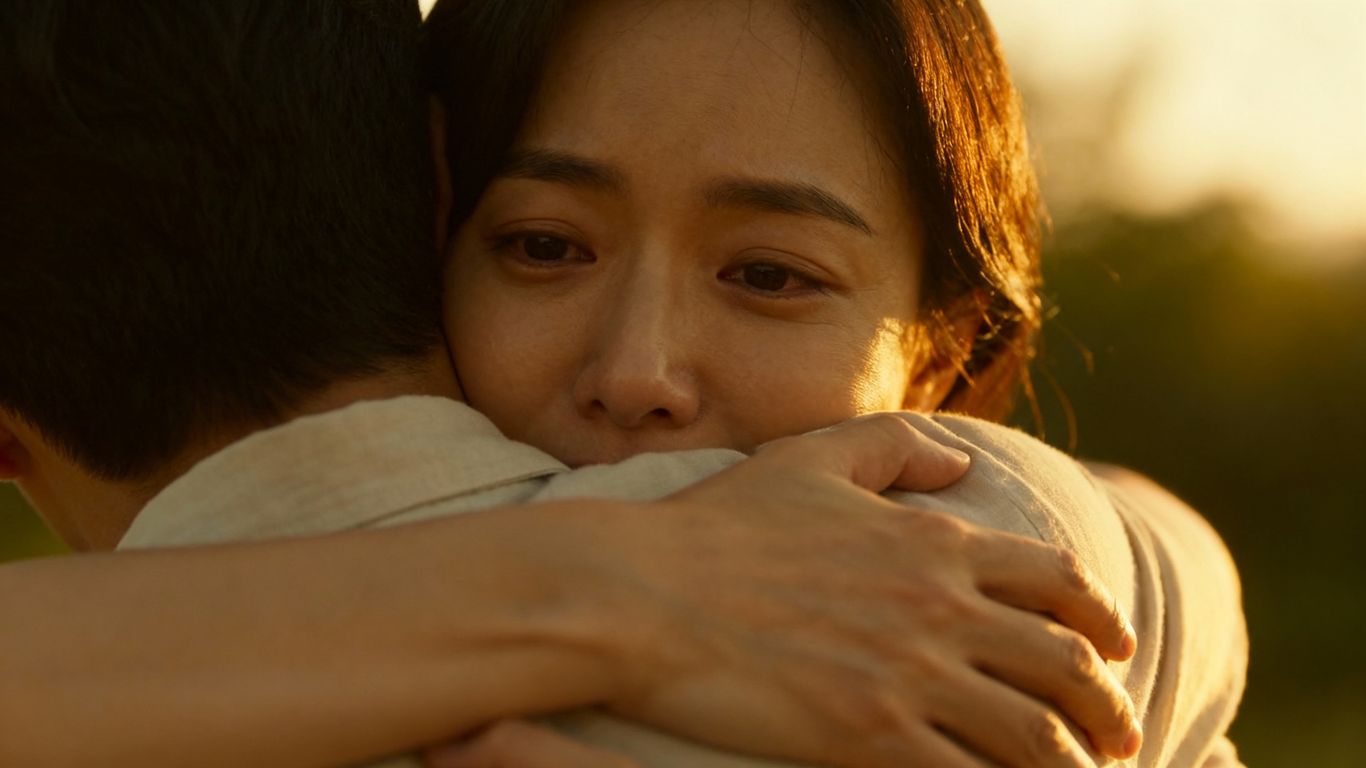
It seems like everywhere you look these days, media is talking about relationships in new ways. From what we watch on TV to the books we read and the podcasts we listen to, there’s a growing openness about different relationship styles. One area that’s getting more attention is what some call ‘hot husbandry,’ a term that touches on traditional roles but with a modern, often kink-friendly, twist. This article looks at how movies, books, and podcasts are starting to show these dynamics more, making them feel more normal to a wider audience.
Key Takeaways
- Media is changing how it shows relationships, moving away from just one ‘normal’ way to be.
- Things like ‘tradwife’ trends and kink are showing up more, making them less of a secret.
- Movies and TV shows are creating characters and stories that explore different relationship setups.
- Books and podcasts offer deeper dives into these topics, letting people share and learn.
- As these ideas become more common in media, it helps people feel more seen and understood in their own relationships.
The Evolving Landscape of Media Portrayals
It feels like just yesterday that certain topics were barely whispered about, let alone shown on screen. But things are definitely changing. The way media presents relationships and intimacy is shifting, and it’s pretty interesting to see. We’re moving beyond the same old stories.
Shifting Societal Norms Reflected in Entertainment
Think about it – what was considered edgy or even shocking a decade ago is now often mainstream. This isn’t just random; it mirrors how society itself is becoming more open. Shows and movies are starting to reflect a wider range of human experiences and desires. This includes more nuanced portrayals of relationships that don’t fit the traditional mold. It’s like the entertainment world is finally catching up to the real world, showing that there are many ways to live and love.
From Taboo to Trending: The Normalization of Kink
One of the most noticeable shifts is in the normalization of kink in entertainment. What was once relegated to the shadows or depicted as something shameful is now being explored with more curiosity and less judgment. We’re seeing more characters and storylines that openly discuss or depict elements of BDSM and other alternative sexual practices. This increased media representation of BDSM is helping to demystify it for a broader audience. It’s not just about shock value anymore; it’s about showing these dynamics as part of a spectrum of human sexuality.
The Rise of ‘Tradwife’ and Its Media Presence
On the flip side, we’re also seeing a resurgence of interest in more traditional roles, but often with a modern twist. The ‘tradwife’ movement, for example, has gained significant traction online and is starting to appear in media discussions. This trend highlights a desire for certain domestic structures and gender roles, which is also a part of the evolving landscape. It’s fascinating to see how these different narratives, from exploring kink to embracing traditional roles, are all finding a place in current media. This acceptance of alternative relationships in media shows a growing willingness to explore diverse lifestyles.
“Swingtowns is hands down the best community that I have had the pleasure to be a part of. Would recommend this website to anyone in the lifestyle!” -SlikRik1Ace
Understanding ‘Hot Husbandry’ in the Digital Age

So, what exactly is this ‘Hot Husbandry’ thing that’s popping up everywhere? It’s not as straightforward as it sounds, and honestly, it’s a bit of a modern twist on some really old ideas. At its core, this dynamic embraces traditional gender roles but adds a distinct flair or kink that’s gained visibility, especially online. It’s a playful exploration of domesticity and partnership, where the wife often takes on a nurturing, home-centered role while the husband acts as the provider or protector with added sensuality and power dynamics. The appeal goes beyond liking a clean house—it’s about cultivating a specific kind of relationship energy that people are discussing more openly than ever. This trend is really about finding a balance between comfort in familiar roles and a modern, often sexual, expression of those roles.
Defining the Term and Its Nuances
‘Hot Husbandry’ isn’t a formal term with a strict definition, which is part of why it can be confusing. It’s more of a vibe, a shorthand that’s emerged in online communities. It often touches on themes found in the ‘tradwife’ movement, but with a distinct emphasis on the romantic and sexual attraction within those roles. It’s not necessarily about a woman only being a homemaker; it’s about finding that dynamic appealing and, well, hot. This can manifest in various ways, from appreciating a partner who enjoys taking care of the home to more specific kinks related to domesticity or traditional partnership structures. It’s a way to talk about attraction to certain relationship setups that might have been considered private or even taboo in the past.
The Role of Social Media in Amplifying Trends
Social media platforms have been huge for bringing ‘Hot Husbandry’ and related concepts into the mainstream conversation. Sites like TikTok, Instagram, and even Reddit have become spaces where people share their experiences, fantasies, and interpretations of these dynamics. Short videos, aesthetic posts, and forum discussions allow for quick dissemination of ideas and the formation of communities around shared interests. This digital amplification means that what might have once been a niche interest is now visible to a much wider audience, sparking curiosity and discussion. It’s fascinating how quickly these trends can spread and evolve online, influencing how people think about relationships and attraction. The visibility of these discussions, including those around husbandry kink in popular culture, has definitely made it a topic people are more comfortable discussing.
Exploring the Appeal of Traditional Roles with a Modern Twist
Why are people drawn to ‘Hot Husbandry’? It seems to tap into a desire for a certain kind of stability and comfort, combined with a modern understanding of consent and personal expression.For some, this dynamic offers a way to reclaim and celebrate roles that society has downplayed in recent decades. The idea of clearly defined responsibilities within a partnership can feel deeply appealing—especially when both partners choose it freely and find excitement in that balance of consent and attraction. It’s not about going backward, but about selectively adopting elements that feel good and fulfilling, then adding a contemporary, often sensual, layer. This blend allows individuals to create relationships that feel both grounded and exciting, moving beyond outdated stereotypes to something more personalized and desirable.
How Movies and Television Are Embracing New Narratives
It feels like lately, movies and TV shows are really starting to explore different kinds of relationships and lifestyles. We’re seeing more characters who aren’t just following the typical path, and that’s pretty interesting. It’s not just about showing these things, but actually letting us get to know the characters and understand their choices.
Character Arcs Exploring Alternative Lifestyles
Instead of just having characters fit into neat boxes, creators are giving them more complex journeys. We see characters who might be questioning traditional relationship models or exploring dynamics that are outside the mainstream. This means showing their struggles, their joys, and how they grow. It’s about making these characters feel real, even when their lives look different from what we might expect. For example, a show might follow a couple who decides to structure their marriage in a way that prioritizes individual careers and shared domestic responsibilities, rather than a strict division of labor. This allows the audience to see the practicalities and emotional nuances of such arrangements.
Subtle and Overt Depictions of Kink
We’re noticing a shift in how kink and alternative sexualities are shown. Sometimes it’s very direct, with explicit scenes that aim to educate or normalize. Other times, it’s more subtle, hinted at through dialogue, character interactions, or visual cues. This range allows different viewers to engage with the material in ways that feel comfortable for them. It’s a delicate balance, but when done well, it can open up conversations and reduce stigma. Think about a scene where a couple discusses their desires openly, or a visual metaphor that hints at a power dynamic without being explicit. These moments can be just as impactful.
The Impact of Visual Storytelling on Acceptance
Movies and TV have a huge power because they show us things. When we see different relationship styles or sexual practices portrayed in a non-judgmental way, it can really change how we think about them. Seeing characters we connect with living out these lives makes them seem less strange and more human. It’s like looking through a window into someone else’s world, and realizing it’s not so different after all. This visual medium helps break down barriers and encourages a more open-minded perspective.
The way stories are told on screen can shape our understanding of the world and the people in it. By showing a wider variety of human experiences, media can help us become more accepting of differences.
Here’s a look at how different genres are contributing:
- Dramas: Often explore the emotional and psychological aspects of unconventional relationships, focusing on character development and interpersonal dynamics.
- Comedies: Can use humor to address sensitive topics, making them more approachable and less intimidating for a wider audience.
- Documentaries: Provide real-life perspectives, offering insights into the lived experiences of individuals and communities involved in alternative lifestyles.
- Streaming Series: With longer formats, they have the space to develop complex narratives and explore nuances that might be difficult in a feature film.
Literary Exploration of Intimate Dynamics
Books have always been a quiet space for exploring all sorts of ideas, and that includes the more intimate parts of life. When we talk about how media is changing, literature plays a big role. It’s a place where authors can really get into the details of relationships and desires without the same pressures that visual media might face. Think about it – a book can describe a scene or a feeling in a way that lets the reader imagine it exactly how they want. This is especially true for exploring themes that might be considered niche or even taboo in mainstream conversations.
Books as a Platform for Niche Interests
For a long time, certain kinds of intimate dynamics were only really discussed in hushed tones or found in very specific corners of the publishing world. But now, more and more books are openly tackling these subjects. This includes a wide range of interests, from exploring different relationship structures to delving into specific sexual practices. The rise of self-publishing and online communities has made it easier for authors to connect directly with readers who share these interests.This shift removes many of the traditional gatekeepers in publishing and opens the door to a wider range of stories. More writers and filmmakers are exploring erotic themes in print and on screen, giving readers a chance to recognize their own desires and experiences in the narratives they consume.
Narratives Challenging Conventional Relationships
Literature is also a fantastic place to challenge what we think of as a ‘normal’ relationship. Authors are writing stories that feature characters in non-traditional partnerships, exploring polyamory, BDSM, and other dynamics that push against the typical boy-meets-girl narrative. These stories aren’t just about the physical aspects; they often focus on the emotional connections, the communication, and the personal growth that comes from these relationships. It’s about showing that love and intimacy can take many forms.
The Power of Written Word in Shaping Perceptions
“The Swingtowns community has been a major source of inspiration for many years now and has become one of the most popular destinations for swing communities” -Thunderdicka
Here’s a look at how different types of intimate dynamics are showing up in books:
- Domestic Power Exchange: Stories focusing on consensual power dynamics within a household, often involving elements of service and control.
- Exploration of Kink: Narratives that detail various BDSM practices, emphasizing consent, communication, and emotional connection.
- Non-Monogamous Relationships: Books depicting polyamorous or open relationships, highlighting the complexities and joys of multiple connections.
- Age-Gap Relationships: Stories that explore romantic or sexual relationships between individuals with significant age differences, focusing on the unique challenges and rewards.
These narratives, often found in genres like romance, erotica, and even literary fiction, are helping to normalize conversations around sexuality and relationships. They provide a space for readers to explore their own curiosities and understand different ways of connecting with others. You can find more about the evolution of romance in literature by looking at how romance ideals have changed. This literary exploration is a key part of why these topics are becoming more accepted in the broader media landscape.
Podcasts: An Intimate Space for Open Dialogue
Podcasts have really carved out a unique niche when it comes to talking about relationships and, well, all sorts of intimate dynamics. It’s like sitting down with friends for a chat, but instead of just your usual circle, you’ve got hosts and guests who are often experts or people with really interesting personal experiences. They create this space where topics that might feel a bit taboo in everyday conversation can be explored openly and honestly.
Conversations on Sexuality and Relationships
Many podcasts now focus specifically on the nuances of modern relationships, sexuality, and even kink. They’re not afraid to get into the nitty-gritty, discussing things like consent, communication, and different relationship structures. It’s this willingness to tackle complex subjects head-on that makes them so compelling. You’ll find discussions that range from the very practical, like how to talk to your partner about your desires, to the more philosophical, exploring the psychology behind attraction and intimacy. It’s a far cry from the often-censored or superficial portrayals you might find elsewhere.
Guest Experts and Personal Stories
What really sets podcasts apart is the blend of voices. You’ll hear from sex therapists, relationship coaches, and academics who bring a professional perspective. But just as importantly, you’ll hear from everyday people sharing their own journeys. These personal stories can be incredibly relatable, offering listeners a sense of not being alone in their experiences or curiosities. Hearing someone recount their own exploration of alternative relationship dynamics or their journey to understanding their own sexuality can be incredibly validating and informative.
Fostering Community Through Shared Experiences
Podcasts create a sense of community. Listeners often feel connected to the hosts and other listeners through shared interests and experiences. Many shows encourage listener interaction, whether through Q&A segments, social media groups, or live events. This creates a supportive environment where people can learn, grow, and feel more comfortable with their own identities and desires. It’s a modern take on shared experience, using audio to connect people across distances.
The Intersection of Media and Personal Identity
It’s pretty wild how much what we see and hear in movies, on TV, or even just scrolling through social media can shape how we see ourselves, right? Especially when it comes to relationships and, well, all the intimate stuff. For a long time, certain dynamics were just… not talked about. They were either hidden away or shown in a way that made them seem weird or wrong. But now, things are changing.
Finding Representation and Validation
When you see characters or stories that reflect parts of your own life or desires, it can be a huge deal. It’s like a little nod, saying, “Hey, you’re not alone in this.” This is especially true for topics like ‘hot husbandry’ or other relationship styles that might be outside the mainstream. Seeing these dynamics portrayed, even subtly, can make people feel more seen and accepted. It validates their experiences and can reduce feelings of isolation.
- Seeing diverse relationship models.
- Understanding different forms of intimacy.
- Feeling less alone in personal preferences.
Media’s Influence on Sexual Attitudes
Let’s be real, media has a massive impact on how we think about sex and relationships. What’s shown on screen, or even in a viral TikTok, can influence our expectations and attitudes. When media starts showing more varied and positive portrayals of different relationship styles, it can slowly shift public perception. It’s not just about what’s acceptable, but about broadening our understanding of what healthy and fulfilling relationships can look like.
“I’ve been looking for a fun community who share the same interests as I do, and most have failed to meet my expectations. But SwingTowns by far has had the most fun engagements with REAL people, much more than anywhere else I’ve found. Most people on here have been fun, sexy, engaging, and willing to help a young buck learn the ropes of this lifestyle.” -Johncarpenter
Navigating the Ethics of Portrayal
Of course, it’s not all sunshine and roses. There’s a whole conversation to be had about how these things are shown. Are they being portrayed responsibly? Are they reinforcing harmful stereotypes, or are they genuinely exploring complex human experiences? It’s a tricky balance. Responsible storytelling is key to moving beyond mere sensationalism and towards genuine understanding and acceptance. When media creators approach these topics with care and respect, they can genuinely contribute to a more open and accepting society. It’s about more than just entertainment; it’s about shaping perceptions and fostering empathy.
Wrapping It Up
So, it looks like the way we see certain lifestyles in the media is really changing. What used to be pretty niche or even controversial is slowly becoming more accepted, and people are talking about it more openly. It’s not just about showing different kinds of families or relationships anymore; it’s about how these portrayals make us think about our own lives and choices. As more of these stories get told and seen, it’s likely we’ll continue to see shifts in what’s considered normal or aspirational. It’s a pretty interesting time to be watching how media shapes our views on everything from how we live to how we connect with each other.
Frequently Asked Questions
What is ‘hot husbandry’ and why are people talking about it more?
‘Hot husbandry’ is a newer term that describes relationships where traditional roles, like the man being the main provider and the woman focusing on home and family, are present but with a modern, often more intense or passionate, twist. It’s becoming more accepted in media because society’s views on relationships and roles are changing, and entertainment is starting to reflect that.
How is social media changing how we see these relationship ideas?
Social media platforms are like giant stages where people share their lives and ideas. When people talk about or show ‘hot husbandry’ or ‘tradwife’ lifestyles online, it gets seen by many others. This can make these ideas seem more normal and popular, even if they are a bit different from what most people do.
Are movies and TV shows starting to show different kinds of relationships?
Yes, absolutely! You might see characters in shows or movies who have relationships that aren’t the typical mold. Sometimes it’s shown in small ways, like a character preferring a certain dynamic, and other times it’s a bigger part of the story. This helps people see that relationships can come in many forms.
How do books and podcasts help people understand these topics?
Books and podcasts are great because they allow for deeper conversations. Authors can write detailed stories about complex relationships, and podcasters can invite experts or people with personal experiences to talk openly about different relationship styles. This gives listeners and readers a chance to learn and think about things they might not encounter every day.
Why is seeing yourself or your relationship type in media important?
When you see characters or stories in media that are like you or your relationship, it can make you feel understood and validated. It shows that you’re not alone and that different ways of living and loving are okay. Media can influence how we think about relationships and what we consider normal.
Is ‘hot husbandry’ the same as the ‘tradwife’ trend?
While both ‘hot husbandry’ and the ‘tradwife’ trend often involve a return to more traditional roles in a relationship, they aren’t exactly the same. ‘Tradwife’ specifically refers to women who choose not to work outside the home to focus on family and home life, often sharing this online. ‘Hot husbandry’ is a broader term that can include these dynamics but also focuses more on the passionate or intense aspects of the relationship, regardless of whether the woman works outside the home.
Shifting the Spotlight – Where Openness Meets Understanding
Hot husbandry is gaining visibility in media as conversations about sex, relationships, and power dynamics become more open and nuanced. TV shows, podcasts, and online discussions are exploring themes of trust, consent, and shared desire in ways that normalize alternative relationship dynamics. This growing representation helps break down stigma, showing that ethical, communicative exploration of pleasure can be both healthy and deeply intimate. As audiences crave authenticity, media depictions of hot husbandry reflect a broader cultural shift toward acceptance and sex positivity. Sign up today for your free SwingTowns account and connect with others exploring modern, open expressions of love and desire.
“We’ve only been in the LS for about a year but we have found some really great people using SwingTowns. Wish we would have found the website sooner.” -2Adults89


