The term ‘huntress’ pops up in swinging communities, and it’s got people talking. What does it really mean when someone calls themselves a huntress in this scene? Is it a sign of someone taking charge of their desires and relationships, or is it a label that gets misunderstood and judged by others? This article dives into the different sides of this identity, looking at why people might use it and how it’s seen by the wider community. We’ll explore if calling yourself a huntress in swinging is about feeling powerful or if it’s just a label that doesn’t quite fit or gets twisted.
Key Takeaways
- The ‘huntress’ label in swinging can mean different things to different people, often related to taking initiative in relationships and sexual exploration.
- Some individuals adopt the huntress identity as a way to express their agency, desires, and personal growth within non-monogamous dynamics.
- External perceptions and stereotypes can lead to the huntress label being misunderstood or judged, overshadowing the individual’s intended meaning.
- Open communication and clear boundaries are important for partners when navigating relationships where one person identifies as a huntress.
- Ultimately, whether the huntress label is empowering or misunderstood in swinging communities depends on individual experiences, community interpretations, and ongoing dialogue.
Understanding the Huntress Persona
Defining the Huntress Archetype
The huntress. It’s a word that conjures up images of strength, independence, and a certain wildness. But what does it really mean to embody this archetype, especially when we’re talking about interpreting the huntress persona? It’s not just about chasing prey, literal or figurative. It’s about a deep-seated drive, a focus, and a willingness to pursue what one desires with skill and determination. Think of someone who knows what they want and goes after it, not necessarily with aggression, but with a clear strategy and unwavering resolve. This persona often involves a keen sense of intuition and an ability to read situations and people, much like a hunter reads the signs in the wild. It’s about being self-reliant and comfortable in one’s own skin, capable of navigating challenges independently.
Historical and Mythological Roots
Looking back, the huntress isn’t a new concept. Mythology is full of powerful female figures who fit this description. Diana, the Roman goddess of the hunt, is a prime example. She was known for her independence, her skill with a bow, and her connection to the wild. Then there’s Artemis in Greek mythology, often depicted as a fierce protector and a skilled hunter. These figures weren’t just about the act of hunting; they represented autonomy, strength, and a connection to primal forces. They often operated outside traditional societal roles, carving out their own space and power. Understanding the huntress persona means acknowledging these ancient roots, which often highlight a woman’s ability to be both powerful and self-sufficient, often in a world that expected otherwise.
The Huntress in Modern Media
Today, we see echoes of these mythological figures in modern media. From Lara Croft in video games to Katniss Everdeen in The Hunger Games, the huntress archetype continues to capture our imagination. These characters often embody resilience, resourcefulness, and a refusal to be defined by others. They are typically portrayed as capable of handling themselves in dangerous situations, making tough decisions, and often protecting those weaker than them. While sometimes simplified for dramatic effect, these portrayals offer a glimpse into how the huntress persona is understood in contemporary culture. They show a character who is not afraid to take risks, who is skilled in her chosen field, and who often operates with a strong moral compass, even when faced with difficult choices. This modern interpretation helps in understanding the huntress persona in various contexts.
The Huntress Label in Swinging Communities
Defining the Huntress Archetype
The term “huntress” in the context of swinging communities isn’t always straightforward. It often refers to a woman who takes a proactive role in seeking out partners, whether for herself or for her couple. This isn’t just about casual flirting; it implies a certain intentionality and a desire to direct the flow of social and sexual interactions. Think of it as a woman who knows what she wants and isn’t afraid to go after it within the agreed-upon boundaries of her relationships. It’s a label that can signify confidence and a departure from more traditional, passive female roles in swinging.
Historical and Mythological Roots
While the modern swinging context is new, the idea of a “huntress” has deep roots. Mythology is full of powerful female figures who were independent, skilled, and pursued their own goals. Diana, the Roman goddess of the hunt, is a prime example. She was known for her independence, her prowess, and her connection to the wild. This archetype speaks to a primal energy of pursuit and self-reliance, which can be seen as a parallel to how some women in swinging communities choose to define themselves.
The Huntress in Modern Media
We see variations of the “huntress” figure pop up in modern media, though not always explicitly labeled as such. Characters who are bold, assertive, and take charge of their desires, whether in romantic or sexual pursuits, can embody this spirit. These portrayals, even if fictional, can influence how people perceive and adopt such labels in real life. They offer a lens through which to view female agency and desire, sometimes challenging conventional narratives.
Exploring the Nuances of the Term
It’s important to understand that “huntress” isn’t a one-size-fits-all label. Within the swinging community dynamics, its meaning can shift. For some, it’s about the thrill of the chase and the confidence it brings. For others, it might be about exploring their sexuality more freely or taking control of their experiences. It’s rarely about being predatory; rather, it’s about active participation and choice. The label can also be a way to differentiate oneself from other roles or expectations within the lifestyle.
Motivations for Adopting the Label
Why would someone choose to call themselves a huntress? Often, it’s about reclaiming agency. In a world that sometimes still expects women to be passive, adopting this label can be a statement of self-determination. It can be a way to express a desire for control over one’s own sexual and social experiences. For some, it’s simply a fun and empowering way to describe their personality and approach to relationships within the swinging lifestyle.
Perceptions and Misconceptions
Like many labels, “huntress” can be subject to misinterpretation. Some might view it negatively, associating it with aggression or a lack of commitment. However, for those who embrace it, it’s often about confidence, assertiveness, and a healthy exploration of desire. The key is often in the execution and the communication within relationships. What one person perceives as a “huntress” behavior, another might see as simply being confident and communicative.
Empowerment Through the Huntress Identity
Reclaiming Agency and Desire
Adopting the “huntress” label in swinging communities can be a powerful way for individuals to take back control of their desires and sexual experiences. It’s about moving away from feeling passive or objectified and stepping into an active role. This persona often signifies a person who knows what they want and isn’t afraid to pursue it. It’s a way to own your sexuality, rather than letting others define it for you. This shift can be incredibly liberating, especially for those who have felt constrained by traditional relationship expectations or societal norms.
Challenging Societal Norms
The huntress identity inherently pushes against conventional ideas about female sexuality and relationships. Historically, women were often expected to be demure and passive, waiting to be chosen. The huntress flips this script, embodying initiative and self-determination. In the context of swinging, this can mean actively seeking out partners, initiating encounters, and setting the terms of engagement. It’s a statement that says, “I am in charge of my own pleasure and my own journey.” This challenges the idea that women in these communities are simply looking for validation or are somehow less serious than their male counterparts. It’s about agency, plain and simple.
Personal Growth and Self-Discovery
Embracing the huntress role can lead to significant personal growth. It encourages introspection about one’s desires, boundaries, and what truly brings satisfaction. This journey of self-discovery can be transformative. It’s not just about sex; it’s about understanding oneself on a deeper level and building confidence. This can manifest in various ways:
- Increased Self-Awareness: Understanding what you want and why.
- Improved Communication Skills: Learning to articulate desires and boundaries clearly.
- Greater Confidence: Feeling more secure in your choices and identity.
- Expanded Social Circles: Connecting with like-minded individuals.
This active pursuit of connection and experience can be a significant part of the swinging lifestyle, allowing individuals to explore their sexuality in a way that feels authentic and fulfilling. It’s about finding joy and connection on your own terms, which is a form of personal liberation. For some, this might involve exploring different types of connections or simply feeling more comfortable expressing their sexual interests openly. It’s a path that can lead to a more vibrant and satisfying personal life, and it’s something many find incredibly rewarding. Learning about how to manage digital identities can also be a part of this modern exploration, similar to how Huntress Managed ITDR works to secure accounts Huntress Managed ITDR.
The Huntress: Misunderstood or Misapplied?
Navigating Stereotypes and Judgment
Sometimes, the label ‘huntress’ in swinging communities can get a bad rap. It’s easy for people on the outside, or even those within the lifestyle who haven’t really thought it through, to jump to conclusions. They might picture someone who’s just out for a quick thrill, maybe even a bit predatory, without considering the deeper motivations or the personal journey involved. It’s like judging a book by its cover, and in this case, the cover is often a caricature. People hear ‘huntress’ and immediately think of someone who’s selfish or manipulative, rather than someone who’s simply clear about their desires and boundaries. This can lead to a lot of unfair judgment and gossip, which isn’t exactly conducive to a healthy community vibe.
The Impact of External Interpretations
When others misinterpret the ‘huntress’ identity, it can really put people in a tough spot. Imagine someone who identifies as a huntress because they enjoy the chase, the connection, and the exploration of new relationships, but they’re constantly met with suspicion or disapproval. This external pressure can make them feel like they have to justify their choices or even hide parts of themselves. It’s a shame because, often, the intent behind adopting the label is about self-discovery and owning one’s sexuality, not about causing harm or playing games. The disconnect between how the identity is perceived and how it’s actually lived can be pretty alienating.
Distinguishing Intent from Perception
It really boils down to understanding the difference between what someone intends when they embrace the ‘huntress’ label and how that intention is perceived by others. For many, it’s about agency and a proactive approach to their relationships and desires. They’re not waiting for things to happen; they’re actively participating in shaping their experiences. However, this proactive stance can be misconstrued as aggressive or overly assertive by those who hold more traditional views on relationships or sexuality.
Here’s a breakdown of common perceptions versus actual intent:
| Perception | Potential Intent |
|---|---|
| Predatory or manipulative | Clear about desires, seeking mutual connection |
| Selfish or uncaring | Owning agency, exploring personal growth |
| Always looking for the next | Enjoying the process of meeting new people |
| Lacking emotional depth | Seeking diverse experiences and fulfilling connections |
| Playing games | Being direct and honest about what they want |
Navigating Relationships with a Huntress Identity
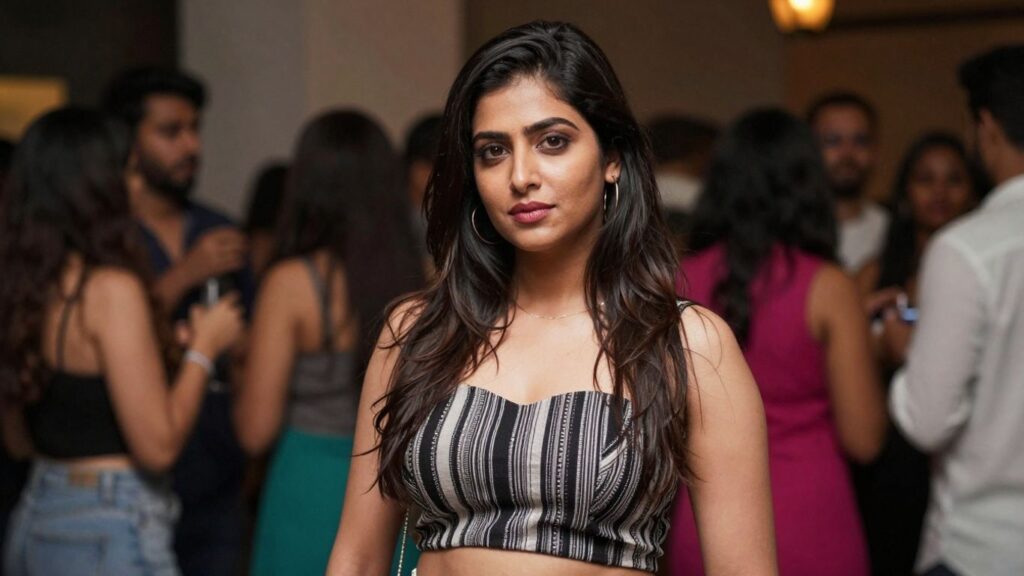
So, you’re identifying as a huntress in the swinging scene. That’s cool, but it also means you’re probably thinking about how this plays out with partners, right? It’s not always straightforward. The whole idea of the huntress archetype in open relationships can bring up some interesting questions about power dynamics in open relationships. It’s about more than just finding new partners; it’s about how you connect and what you’re looking for.
Communication and Boundaries
This is where things get really important. If you’re a huntress, you likely have a clear idea of what you want. That means being upfront about it. Don’t expect people to guess. Lay it all out there: what you’re seeking, what your limits are, and what you expect from them. It’s about being honest from the start.
- Be direct about your desires: Don’t hint. State what you’re looking for clearly.
- Define your boundaries: What are you comfortable with? What’s a hard no?
- Listen to your partners: Their boundaries and feelings matter just as much.
- Regular check-ins: Things can change, so keep the conversation going.
Partner Expectations and Dynamics
When you’re the one doing the ‘hunting,’ it can shift the typical relationship vibe. Some partners might find it exciting and empowering to be with someone so confident. Others might feel a bit insecure or unsure of their place. It’s a delicate balance. You’re not just looking for a conquest; you’re looking for connections that work for everyone.
Here’s a quick look at how dynamics can play out:
| Dynamic Type | Potential Huntress Role | Partner Reaction |
|---|---|---|
| Confident & Secure | Initiator, clear communicator, sets the pace | Appreciative, engaged, enjoys the chase |
| Insecure & Anxious | May feel pressured, needs reassurance, seeks validation | May withdraw, become possessive, or feel inadequate |
| Collaborative | Seeks mutual exploration, values partner’s input | Enthusiastic, feels respected, enjoys shared discovery |
Building Trust and Understanding
Even with clear communication, trust takes time. For partners, seeing that the huntress identity isn’t just about a fleeting thrill but about genuine connection is key. It means showing up, being reliable, and demonstrating that you value the relationships you build, not just the act of finding them. The huntress archetype in open relationships thrives when trust is a two-way street. It’s about mutual respect and understanding that everyone brings something unique to the table, whether they’re the hunter or the one being pursued.
The Huntress Label: Empowering or Misunderstood in Swinging Communities?
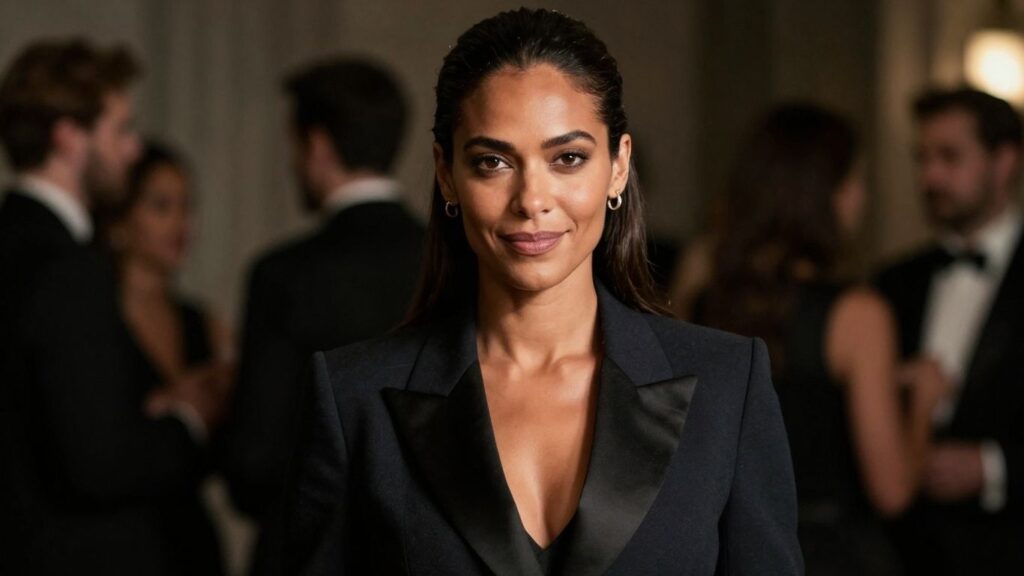
So, we’ve talked about what the huntress persona means and how it can be a source of personal strength. But when we bring it into the swinging community, things get a little more complicated. The huntress role in swinging dynamics isn’t always seen the same way by everyone. Some people embrace it as a sign of confidence and agency, while others might have different ideas about what it means.
Synthesizing Perspectives on Empowerment
For many, identifying as a huntress in swinging is about owning their desires and actively seeking out connections. It’s about feeling in control of their sexual experiences and not waiting for things to happen to them. This can be incredibly empowering, especially in a world that sometimes still expects women to be passive.
- Taking the lead in initiating encounters.
- Clearly communicating desires and boundaries.
- Feeling confident in pursuing multiple partners or experiences.
Analyzing the Misunderstood Aspects
However, there’s also a significant amount of controversy around the huntress label. Some in the swinging community perceptions of huntresses might view the term negatively, associating it with being overly aggressive, manipulative, or even promiscuous in a way that’s frowned upon. This often stems from societal judgments about female sexuality that bleed into these spaces.
The Evolving Nature of the Label
Ultimately, whether the huntress label is empowering or misunderstood often depends on the individual and the specific community context. It’s a label that’s still being defined and redefined. What’s clear is that the conversation around it highlights broader discussions about female agency, desire, and how we perceive different relationship styles within the swinging world.
Wrapping It Up
So, what’s the final word on the ‘huntress’ figure in swinging communities? It’s complicated, for sure. On one hand, some see it as a way to take charge, to be upfront about desires and boundaries in a space that can feel pretty wild. It’s about owning your experience, whatever that looks like. But then there’s the flip side. Sometimes, this ‘huntress’ label might just be a way to put a brave face on things, or maybe it gets misunderstood by folks outside the community who just don’t get the nuances. It’s easy to label someone, but understanding the real story behind that label? That takes a bit more effort. Ultimately, whether it’s about empowerment or just a different way of being seen, the reality is probably a mix of both, and it really depends on the person and their own journey.
Frequently Asked Questions
What does ‘Huntress’ mean in swinging communities?
In swinging groups, a ‘Huntress’ is often someone, usually a woman, who takes the lead in seeking out new partners or experiences. It’s about being proactive and confident in exploring relationships outside of a primary partnership.
Why would someone call themselves a Huntress?
People might choose this label to show they feel empowered and in control of their own desires and romantic life. It can be a way to express confidence and a desire to actively pursue what they want, rather than waiting for it to happen.
Is being a Huntress always about being dominant?
Not necessarily. While it often means being assertive, it’s more about taking charge of your own exploration. It doesn’t automatically mean being bossy or controlling; it’s about personal agency and making choices.
Are Huntresses sometimes misunderstood?
Yes, sometimes. The term can be misunderstood by people outside or even inside these communities. Some might see it as aggressive or selfish, when the person using the label might just feel confident and clear about their needs and desires.
How does being a Huntress affect relationships?
It can lead to more open communication about desires and boundaries. Partners might need to understand and respect the Huntress’s active role, and clear communication is key to making sure everyone feels comfortable and respected.
Is the ‘Huntress’ identity empowering for everyone?
For many, it is a source of empowerment, allowing them to own their sexuality and desires. However, like any label, its meaning can vary, and it might not resonate with everyone. The key is whether it feels authentic and positive for the individual using it.
Where Confidence Meets Curiosity and Exploration Has No Limits
Curious minds and confident explorers are already finding their place in a community built on openness, respect, and adventure. Whether you’re redefining what “huntress” means to you or simply seeking deeper, more playful connections, there’s a space waiting for you. Take the next step by signing up for a free SwingTowns account and start exploring real conversations, real chemistry, and real fun. Your journey begins the moment you create your free SwingTowns profile and step into the experience.
“The Swingtowns community has been a major source of inspiration for many years now and has become one of the most popular destinations for swing communities” -Thunderdicka