
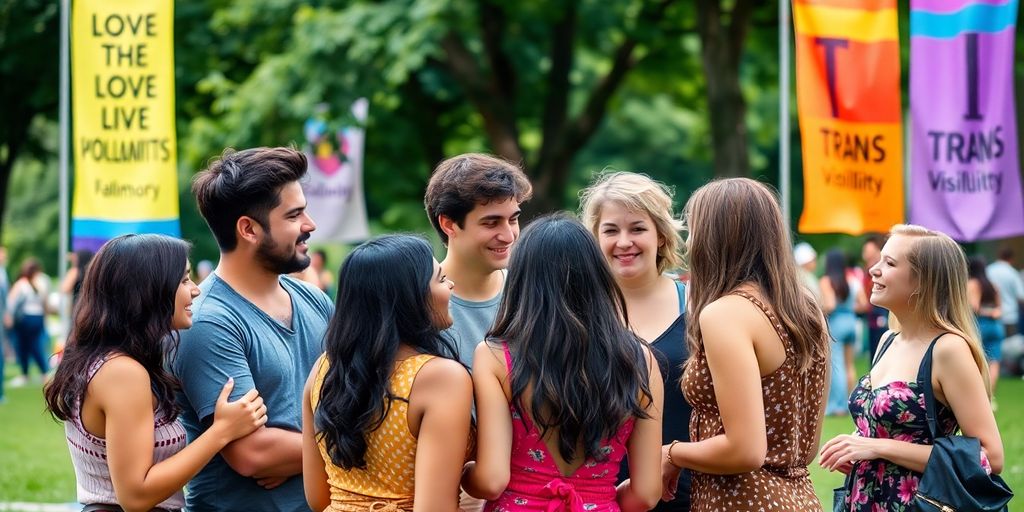
In today’s world, the conversation around relationships is evolving. Polyamory and trans visibility are two important topics that intersect in fascinating ways. Understanding how these concepts relate can help create more inclusive communities and relationships. This article explores the nuances of polyamory and trans visibility, shedding light on their significance in modern society.
Key Takeaways
- Polyamory allows for multiple loving relationships, challenging traditional views on love and commitment.
- Trans visibility is crucial for acceptance and understanding in society, helping to break down stereotypes.
- The intersection of polyamory and trans identities highlights the importance of inclusivity in relationship dynamics.
- Many polyamorous trans individuals face unique challenges, including social stigma and legal hurdles.
- Community support and resources play a vital role in fostering acceptance and providing assistance to those navigating these identities.
Understanding Polyamory and Trans Visibility

Defining Polyamory
Polyamory, at its core, is about openly, honestly, and consensually having multiple romantic relationships. It’s different from cheating because everyone involved is aware and agrees to the arrangement. Communication is key. People often confuse it with swinging or open relationships, but polyamory emphasizes emotional connections, not just physical ones. It’s about building multiple loving relationships, which can look different for everyone. Some polyamorous people have multiple partners they live with, while others might have partners who live in different cities. There’s no one-size-fits-all definition, and that’s part of what makes it so interesting.
The Importance of Trans Visibility
Visibility for trans individuals is about ensuring that transgender people are seen, heard, and understood in society. It’s not just about representation in media, although that’s important. It’s also about creating spaces where trans people feel safe and respected to be themselves. When trans people are visible, it helps to break down stereotypes and misconceptions. It allows cisgender people to learn more about the trans experience and to see trans people as fully human. Increased transgender rights and awareness can lead to greater acceptance and support, which can have a huge impact on the lives of trans people.
Intersectionality in Relationships
Intersectionality recognizes that people’s experiences are shaped by multiple factors, such as race, gender, sexual orientation, and class. When we talk about polyamorous trans individuals, it’s important to understand how these identities intersect. A trans person in a polyamorous relationship might face unique challenges related to social stigma, discrimination, and access to resources. For example:
- They might experience transphobia within the polyamorous community.
- They might face judgment from family and friends who don’t understand polyamory or trans identities.
- They might struggle to find healthcare providers who are knowledgeable about both polyamory and transgender health.
“Swing Towns knows what’s up! Finally a platform where like minded people can connect.” -Cboy6983
Cultural Perspectives on Polyamory and Trans Visibility

Historical Context
Looking back, it’s clear that ideas about relationships and gender have changed a lot. What was considered normal or acceptable in the past isn’t necessarily the case now. For example, some cultures historically had more fluid ideas about gender than what’s common in many Western societies today. Similarly, while monogamy has been the dominant relationship model, other forms of relationships have existed in different times and places. Understanding this history helps us see how current attitudes toward ethical non-monogamy and transgender identities have developed.
Modern Attitudes
Today, there’s a wide range of views on polyamory and trans people. Some people are very accepting and supportive, while others hold negative beliefs. These attitudes are shaped by things like religion, personal experiences, and what people see in the media. You’ll find that younger generations tend to be more open to different relationship styles and gender identities. However, even within these groups, there can be disagreements and misunderstandings. It’s a mixed bag, and it really depends on who you talk to.
Media Representation
How polyamory and trans people are shown in movies, TV shows, and online has a big impact on how people see them. If the characters are shown in a positive and realistic way, it can help reduce stigma and increase understanding. But if the portrayals are inaccurate or based on stereotypes, it can do the opposite. It’s important to have more diverse and authentic transgender representation in the media so that people can learn and form their own opinions based on reality, not just what they see on screen. The more visibility in queer communities, the better.
Challenges Faced by Polyamorous Trans Individuals
Social Stigma
Navigating social acceptance can be tough. Polyamorous trans individuals often face a double whammy of stigma, dealing with prejudice related to both their gender identity and their relationship style. This can lead to discrimination in various aspects of life, from housing and employment to healthcare and social interactions. It’s like you’re constantly explaining yourself, and honestly, it gets exhausting. People just don’t get non-monogamous relationships, and adding the trans element just seems to confuse them even more.
Legal Issues
The legal landscape isn’t exactly friendly either. Many laws are built around the idea of monogamous, cisgender relationships, which leaves polyamorous trans folks in a tricky spot. Think about things like:
- Healthcare benefits for partners
- Parental rights
- Inheritance
These things can become a real headache when the law doesn’t recognize your family structure. It’s frustrating because you’re just trying to live your life, but the legal system makes it so much harder. It’s like they’re actively trying to invalidate your relationship structures.
Mental Health Considerations
All this stigma and legal stuff? It takes a toll. Polyamorous trans individuals may experience higher rates of anxiety, depression, and other mental health challenges. It’s not just about external pressures, either. Internalized stigma can also play a big role. Doubting yourself, feeling like you’re not good enough, or constantly worrying about what others think – it all adds up. Finding mental health professionals who understand both LGBTQ+ relationship dynamics and polyamory can be a challenge, but it’s so important for getting the support you need.
“This is an amazing place to explore and experience. The best online platform for swinging.” -Decentfinder
Community Support and Resources

Support Networks
Finding people who get it can make a huge difference. Support networks offer a safe space to share experiences and receive validation. It’s not always easy to find these groups, but they’re out there, both online and in person. I’ve found that connecting with others who understand the nuances of being both polyamorous and trans can be incredibly helpful. It’s like, suddenly you’re not alone in dealing with the unique challenges that come up. These networks can provide emotional support, practical advice, and a sense of belonging that might be missing elsewhere in your life.
Educational Resources
There’s a lot of misinformation out there, so it’s important to get your facts straight.
Here are some things to look for:
- Books and articles on polyamory and transgender issues.
- Websites and blogs that offer accurate and up-to-date information.
- Workshops and seminars that address the intersection of these identities.
“I’ve been looking for a fun community who share the same interests as I do, and most have failed to meet my expectations. But SwingTowns by far has had the most fun engagements with REAL people, much more than anywhere else I’ve found. Most people on here have been fun, sexy, engaging, and willing to help a young buck learn the ropes of this lifestyle.” -Johncarpenter
Advocacy Organizations
Advocacy organizations are working to create a more just and equitable world for polyamorous and trans people. These groups fight for legal recognition, challenge discrimination, and raise awareness about the issues facing these communities. Getting involved with an advocacy organization can be a great way to make a difference and support the rights of polyamorous trans individuals. They often need volunteers, donors, and people willing to share their stories to help change hearts and minds. It’s a way to turn your personal experiences into something that benefits the whole community.
Personal Narratives and Experiences
Stories from the Community
It’s one thing to talk about polyamory and trans visibility in abstract terms, but it’s another to hear directly from people living it. I’ve been talking to a few folks, and their stories are really eye-opening. One person, Alex, shared how finding a polyamorous relationship actually helped them explore their gender identity more freely. They felt less pressure to conform to traditional expectations and more space to just be themselves. Another person, Jamie, talked about the challenges of dating as a trans person in the polyamorous community, especially when it comes to finding partners who are truly accepting and understanding. It’s not always easy, but hearing these stories makes it clear how important community and support are.
Impact of Visibility
Visibility matters. When we see more representation of polyamorous trans people in media and in everyday life, it helps to normalize these identities and relationships. This can lead to greater acceptance and understanding, both within and outside of the LGBTQ+ community. However, increased visibility also comes with risks. More eyes on the community can mean more scrutiny, more judgment, and even more discrimination. It’s a double-edged sword. We need to keep pushing for visibility, but we also need to be mindful of the potential consequences and work to protect those who are most vulnerable. For example, the author reflects on their experiences with BDSM and polyamory during their 30s and 40s, exploring themes of love and personal identity.
Lessons Learned
What can we learn from the experiences of polyamorous trans individuals? A lot, actually. Here are a few key takeaways:
- Communication is key. In any relationship, but especially in polyamorous ones, open and honest communication is essential.
- Self-awareness is crucial. Understanding your own needs, desires, and boundaries is vital for navigating complex relationships.
- Community support is invaluable. Having a network of people who understand and support you can make all the difference.
“The Swingtowns community has been a major source of inspiration for many years now and has become one of the most popular destinations for swing communities” -Thunderdicka
The Future of Polyamory and Trans Visibility
Emerging Trends
It’s interesting to think about where things are headed. One thing’s for sure: conversations around relationships and gender are becoming more common. We’re seeing more people openly discussing their experiences, which is a good thing. I think we’ll see even more diverse relationship structures and gender identities recognized and accepted. The rise of online communities is also playing a big role, providing spaces for people to connect and share information. This could lead to a greater understanding and acceptance of both polyamory and trans identities. It’s also possible that we’ll see more research into the psychological and social aspects of these experiences, which could help to inform policy and practice. The intersection of CNM relationships and trans identity will likely become a more prominent area of discussion and advocacy.
Potential for Change
The potential for positive change is huge. As awareness grows, we might see shifts in legal frameworks to better protect polyamorous and trans individuals. Think about things like relationship recognition, healthcare access, and protection from discrimination. Social attitudes are also likely to evolve, with less stigma and more understanding. This could lead to a more inclusive society where people feel safe and supported in their relationships and identities. It’s not going to be easy, and there will be setbacks, but the overall trend seems to be towards greater acceptance and equality.
Increased visibility is key to driving this change.
Role of Technology
Technology is already playing a big role, and it’s only going to get bigger. Online dating apps and social media platforms are making it easier for polyamorous and trans people to connect with each other. These platforms can also be used to share information, raise awareness, and build communities. However, there are also challenges. Online harassment and discrimination are real concerns, and it’s important to develop strategies to address these issues. Technology can also be used to create new forms of support and advocacy, such as online counseling and virtual support groups. It’s a double-edged sword, but I think the potential benefits outweigh the risks.
“We’ve only been in the LS for about a year but we have found some really great people using SwingTowns. Wish we would have found the website sooner.” -2Adults89
Here are some ways technology can help:
- Facilitating connections between individuals.
- Providing access to information and resources.
- Creating platforms for advocacy and activism.
Creating Inclusive Spaces
Best Practices for Inclusivity
Creating inclusive spaces requires more than just good intentions; it demands thoughtful action and continuous learning. It’s about actively working to remove barriers and create environments where everyone feels welcome, respected, and valued.
- Actively listen to feedback from marginalized groups.
- Use inclusive language in all communications.
- Provide options for people to express their identities.
“Swingtowns is awesome and we have no complaints. There are tremendous people and wonderful couples on here that we have had the pleasure of meeting” -wearesexy2015
Workplace Policies
Workplace policies play a big role in creating a supportive environment. It’s not enough to just say you’re inclusive; you have to back it up with concrete policies that protect and support diverse employees. Think about things like:
- Non-discrimination policies that specifically include gender identity and expression, and relationship structure.
- Flexible leave policies that accommodate diverse family structures.
- Training programs on diversity and inclusion for all employees.
Event Planning
Planning events with inclusivity in mind can make a huge difference in how people experience them. It’s about considering the needs of all attendees and making sure everyone feels comfortable and safe. Here are some things to keep in mind:
- Choose accessible venues.
- Provide gender-neutral restrooms.
- Offer a variety of food options to accommodate dietary restrictions.
- Create a code of conduct that prohibits harassment and discrimination.
| Aspect | Inclusive Practice |
|---|---|
| Accessibility | Ramps, elevators, accessible restrooms |
| Communication | Clear signage, diverse language options |
| Safety | Security personnel, designated safe spaces |
Wrapping It Up
In the end, the blend of polyamory and trans visibility is a reflection of how society is changing. People are starting to see that love and relationships can look different for everyone. It’s not just about who you love, but also about being true to who you are. As more folks share their stories, it helps break down barriers and challenge old ideas. Sure, there’s still a long way to go, but every conversation counts. By embracing both polyamory and trans identities, we’re not just opening doors for ourselves but also for future generations. Let’s keep the dialogue going and support each other in this journey.
Frequently Asked Questions
What is polyamory?
Polyamory is when people have romantic relationships with more than one person at the same time, with everyone’s knowledge and consent.
Why is trans visibility important?
Trans visibility helps people understand and accept transgender individuals, which can lead to better support and rights for them.
How do polyamory and trans identities connect?
Both polyamory and trans identities challenge traditional views on relationships and gender, showing that there are many ways to love and be.
What challenges do polyamorous trans people face?
They often deal with social stigma, legal issues, and mental health struggles because society can be unkind to both polyamory and transgender identities.
How can I find support if I am polyamorous and trans?
There are many support networks and organizations that focus on helping polyamorous and transgender individuals.
What can be done to create more inclusive spaces for polyamorous and trans people?
We can create inclusive spaces by being respectful, educating others, and making sure everyone feels welcome and safe.
Proud to Love – Where Visibility Inspires Connection
Join a community where love transcends boundaries and every identity is celebrated. Explore how polyamory and trans visibility intersect, fostering deeper, more inclusive connections. Ready to be part of a supportive and vibrant network? Sign up for a free SwingTowns account today and start your adventure!
“My husband and I joined Swingtowns a couple of years ago. We are new to this lifestyle and were a little apprehensive in getting involved in something like this, but we wanted to spice up our sex life and bite the bullet. We have met some wonderful respectful people and have become friends with everyone we met.” -Needtocome


