
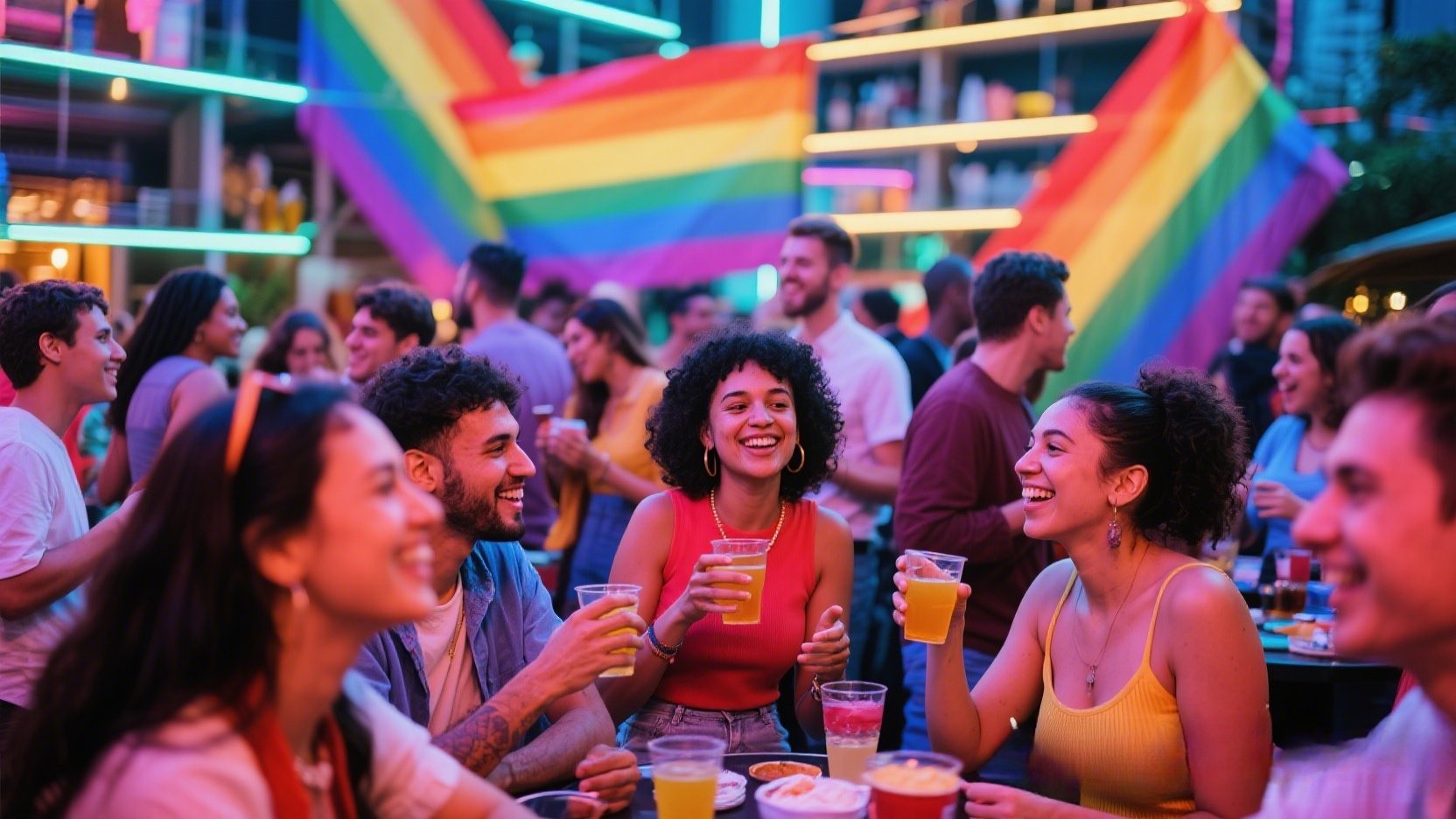
In recent years, there’s been a noticeable rise in orgy events within LGBTQ+ communities, especially in major cities. These gatherings are becoming more popular as people seek connection, liberation, and a break from societal norms. This trend reflects a shift in how people view sexuality and community, making it a fascinating topic to explore. From the appeal of these events to the challenges faced by participants, let’s take a closer look at the rise of orgy events and meetups in LGBTQ+ communities across major cities.
Key Takeaways
- Orgy events foster a sense of community and belonging among LGBTQ+ individuals.
- Social media plays a big role in organizing and promoting these gatherings.
- Safety and consent are top priorities for participants in group encounters.
- Diversity is key, with events catering to various identities and backgrounds.
- Major cities like New York and San Francisco are at the forefront of this trend, shaping the culture around these events.
Understanding The Appeal Of Orgy Events

Exploring Community Bonding
Orgy events can act as unique spaces for community building within LGBTQ+ circles. It’s not always just about the sex; for many, it’s about finding a sense of belonging and shared experience. These events can provide a space where individuals feel accepted and understood, potentially reducing feelings of isolation. It’s like, imagine going to a concert where everyone loves the same band – that shared enthusiasm creates a bond. Orgy events can do something similar, creating a sense of camaraderie through shared experiences and interests.
The Role Of Sexual Liberation
For some, these events are a powerful expression of sexual liberation. They offer a chance to explore desires and identities in a setting that is often free from the constraints of societal norms. It’s about reclaiming agency over one’s sexuality and challenging traditional ideas about sex and relationships. Think about it: for generations, LGBTQ+ individuals have faced judgment and repression. These events can be a way to push back against that history and embrace a more open and accepting approach to sex.
Breaking Taboos In Modern Society
Orgy events directly confront many of the taboos surrounding sex in modern society. They challenge conventional ideas about monogamy, sexual expression, and body image. It’s like, we’re constantly bombarded with messages about what’s “normal” or “acceptable” when it comes to sex. These events can be a way to question those messages and create a space where people feel free to explore their sexuality without shame or judgment.
It’s important to remember that everyone’s motivations for attending these events are different. Some people are looking for sexual adventure, while others are seeking connection and community. There’s no one “right” way to approach these events, and it’s crucial to respect individual choices and boundaries.
The Impact Of Social Media On Orgy Culture
Platforms For Connection
Social media has totally changed how people find and connect with each other, and that includes finding orgy events. It’s not just about hookup apps anymore; platforms like Instagram, Twitter, and even TikTok are used to create communities and share information about events. These platforms offer a way to connect with like-minded people, build anticipation, and share experiences after the fact. It’s pretty wild how a simple hashtag can lead you to a whole new world. The growing LGBTQ+ community is more visible and accepted, and social media plays a big role in that.
Event Promotion Strategies
Forget flyers and word-of-mouth; social media is the new way to promote orgy events. Event organizers use targeted ads, engaging content, and private groups to reach their audience. Think about it: you can create an event page, share photos and videos from past events, and even offer early-bird tickets. Influencers and promoters also play a big role, helping to spread the word and create buzz. It’s all about creating a sense of exclusivity and excitement. Here are some common strategies:
- Creating visually appealing content (photos, videos)
- Using relevant hashtags to increase visibility
- Partnering with influencers to reach a wider audience
- Offering incentives for early registration
Navigating Privacy Concerns
Okay, let’s be real: privacy is a HUGE deal when it comes to orgy culture. Social media can be a blessing and a curse. On one hand, it helps you find events and connect with people. On the other hand, it can expose you to unwanted attention or even put you at risk. People are worried about being outed, losing their jobs, or facing judgment from family and friends. It’s important to be smart about what you share online and who you share it with. Using burner accounts, encrypting messages, and being careful about tagging are all ways to protect your privacy.
It’s important to remember that what you post online can have lasting consequences. Think before you share, and always prioritize your safety and privacy. The history of pride events that made an impact shows how far we’ve come, but also how important it is to protect ourselves.
Safety And Consent In Group Encounters
Establishing Boundaries
Okay, so you’re thinking about going to an orgy. Cool. But before you even consider walking through that door, you need to have a serious talk with yourself about your boundaries. What are you comfortable with? What are your absolute no-gos? Knowing your limits is the first and most important step. It’s not just about physical acts; it’s also about emotional comfort. Think about what makes you feel safe and respected.
- Communicate clearly: Use direct language to express your boundaries.
- Be firm: Don’t let anyone pressure you into doing something you don’t want to do.
- It’s okay to change your mind: Consent can be withdrawn at any time.
It’s easy to get caught up in the moment, especially with alcohol or other substances involved. That’s why it’s so important to have a clear head and a solid understanding of your boundaries beforehand. Write them down if you have to. Tell a friend. Do whatever it takes to make sure you’re prepared.
Health Precautions
Let’s be real: STIs are a thing. If you’re engaging in group sex, you need to be proactive about your health. Get tested regularly, and be open and honest with your partners about your status. Protection is key, but it’s not foolproof.
- Use condoms: For vaginal, anal, and oral sex.
- Get tested regularly: Know your status and your partner’s status.
- Communicate openly: Talk about your concerns and expectations.
Creating Safe Spaces
Creating a safe space is everyone’s responsibility. It’s about more than just physical safety; it’s about creating an environment where people feel comfortable, respected, and empowered to say no. Event organizers should prioritize safety, but participants also play a role. This includes understanding sexual consent and respecting personal boundaries.
- Establish clear rules: Make sure everyone knows the expectations for behavior.
- Provide resources: Have condoms, lube, and other supplies readily available.
- Offer support: Have people on hand who can provide assistance if needed.
It’s also important to remember that a safe space is not just about preventing harm; it’s about promoting pleasure and well-being. It’s about creating an environment where people can explore their sexuality in a way that feels good for them. Consider seeking counseling for teens to better understand healthy relationships.
Diversity Within Orgy Events
Inclusive Practices
It’s easy to assume that adult parties in urban areas are all the same, but that’s just not true. Some organizers are really making an effort to create spaces that welcome everyone. This means thinking beyond the typical stereotypes and actively inviting people of different races, body types, and gender identities. It’s about making sure everyone feels seen and valued, not just tolerated.
Catering To Various Identities
One size fits all doesn’t work here. Different people have different needs and desires. Some events are starting to offer a range of activities and spaces to cater to this. This could mean having quieter areas for people who are more introverted, or providing resources for people with disabilities. It’s about recognizing that the LGBTQ+ community is diverse queer and that group sex gatherings in cities should reflect that.
Intersectionality In Participation
Intersectionality is a big word, but it’s a simple idea: people have multiple identities that overlap and affect their experiences. For example, a Black trans woman will have a different experience at an event than a white cis gay man. Organizers need to be aware of these differences and create spaces that are safe and welcoming for everyone. This means addressing issues like racism, transphobia, and ableism head-on.
It’s not enough to just say you’re inclusive. You have to actively work to create a space where everyone feels comfortable and respected. This means listening to feedback, being willing to learn, and taking action when problems arise.
Here are some ways to promote intersectionality:
- Actively seek out diverse participants and organizers.
- Provide training on diversity and inclusion.
- Create clear policies against discrimination and harassment.
The Evolution Of LGBTQ+ Gatherings
Historical Context
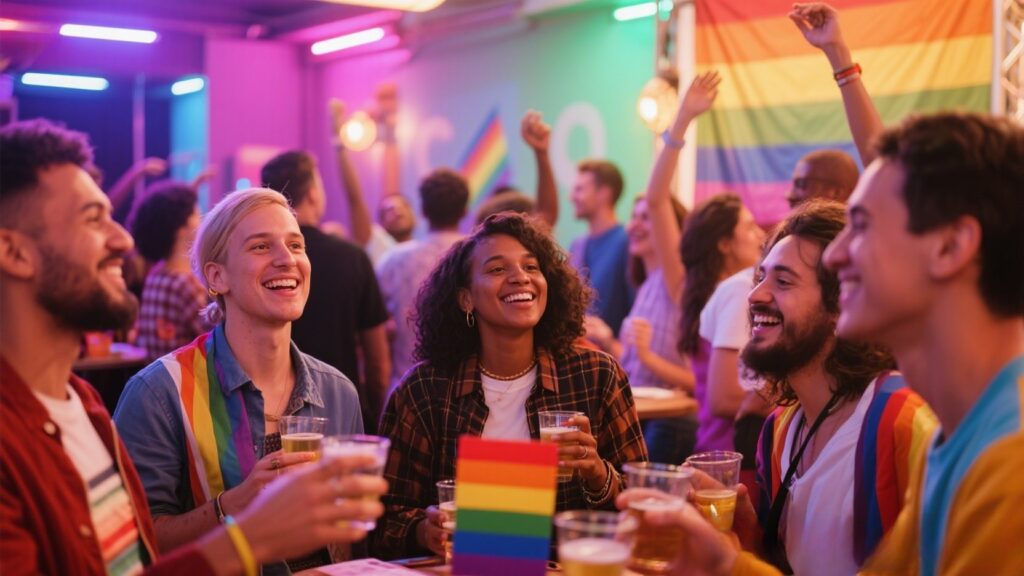
Looking back, it’s wild to see how much social events for queer individuals have changed. Early gatherings were often secretive, driven by the need for safety and connection in a world that wasn’t exactly welcoming. Think coded language, hidden bars, and house parties where people could be themselves without fear. These weren’t just about having fun; they were vital spaces for building community and finding support. Early Gay Pride demonstrations emphasized the importance of being openly LGBTQ.
From Private Parties To Public Events
Over time, things started to shift. The Stonewall riots were a turning point, sparking a new wave of activism and visibility. This led to more open LGBTQ+ nightlife events, from small bars to larger clubs, and eventually, to the massive Pride celebrations we see today. These public events became powerful statements of identity and solidarity, a way to show the world that the LGBTQ+ community was here and wasn’t going anywhere.
It’s easy to forget that these celebrations weren’t always possible. The fight for acceptance and equality was long and hard, and it’s important to remember the people who paved the way for us to gather openly and proudly.
Changing Attitudes Over Time
Attitudes toward LGBTQ+ people have changed a lot, though there’s still work to do. What was once considered taboo is now often celebrated, or at least tolerated, in many parts of the world. This shift has influenced how [LGBTQ+ community meetups] are organized and perceived. They’re not just about finding a partner or having a good time; they’re about building a stronger, more inclusive society.
Here’s a quick look at how things have evolved:
- Secrecy to visibility
- Fear to pride
- Exclusion to inclusion
Major Cities Leading The Trend
New York’s Vibrant Scene
New York City has always been a hub for LGBTQ+ culture, and its orgy scene is no exception. The city’s diverse population and progressive attitudes create a welcoming environment for these events. You can find everything from small, intimate gatherings in Brooklyn lofts to larger, more elaborate parties in Manhattan clubs. The key is knowing where to look and who to connect with. It’s a melting pot where different identities and desires come together, making it a truly unique experience. The energy is palpable, and there’s a sense of freedom that’s hard to find elsewhere. It’s not just about sex; it’s about community and connection. Check out some NYC events to get a feel for the scene.
San Francisco’s Legacy
San Francisco boasts a long and storied history of sexual liberation, and its orgy culture is deeply intertwined with this legacy. The city’s open-mindedness and acceptance have made it a haven for those seeking alternative lifestyles. San Francisco’s orgy events often carry a strong emphasis on consent, safety, and community building. It’s not uncommon to find workshops and discussions incorporated into these gatherings, creating a space for education and exploration. The city’s commitment to inclusivity ensures that everyone feels welcome and respected. It’s a place where you can truly be yourself and explore your desires without judgment.
Emerging Hotspots Across The U.S.
While New York and San Francisco may be the most well-known hubs, other cities across the U.S. are quickly developing their own vibrant orgy scenes. These include:
- Los Angeles: Known for its glamorous parties and celebrity involvement.
- Chicago: A more underground scene with a focus on kink and fetish.
- Atlanta: A growing community with a strong emphasis on inclusivity and diversity.
These emerging hotspots are often driven by local organizers and community members who are passionate about creating safe and inclusive spaces for sexual exploration. They’re pushing boundaries and challenging norms, making these cities exciting places to be for those interested in orgy culture.
It’s interesting to see how each city puts its own spin on things. The LGBTQ+ community is diverse, and that’s reflected in the events that are popping up all over the country.
Challenges Faced By Participants
Stigma And Misunderstanding
Participating in orgy events, even within generally accepting LGBTQ+ communities, isn’t always free of judgment. The stigma associated with engaging in group sex can lead to feelings of shame or isolation, especially if participants aren’t fully open about their experiences with friends, family, or colleagues. Misunderstandings about the nature of these events – often fueled by inaccurate portrayals in media – can also create barriers. People might assume that orgies are inherently unsafe, impersonal, or solely focused on physical gratification, overlooking the potential for emotional connection and community building that many participants value.
Legal Issues Surrounding Events
Depending on the location, orgy events can exist in a legal gray area. Laws regarding public sex, indecency, and even the operation of venues hosting such events vary widely. This can create uncertainty and risk for both organizers and participants. It’s important to be aware of local regulations and potential consequences. For example:
- Some jurisdictions have strict laws against public displays of affection or sexual activity.
- Venues might face licensing issues or be subject to raids if they’re deemed to be violating local ordinances.
- Participants could face legal repercussions if they engage in activities that are considered illegal in that area.
The legal landscape surrounding orgy events is complex and often unclear. Participants should exercise caution and be aware of the potential risks involved.
Navigating Personal Relationships
One of the biggest challenges can be how participation in orgy events affects personal relationships. If you are in a monogamous relationship, it’s probably not going to work. Even in open or polyamorous relationships, it requires clear communication, mutual understanding, and a lot of trust. Jealousy, insecurity, and differing comfort levels can create tension and conflict. It’s important to have open and honest conversations with your partner(s) about your desires, boundaries, and expectations. Here’s a few things to consider:
- Establish clear rules and boundaries with your partner(s) before participating in any event.
- Be mindful of your partner’s feelings and address any concerns they may have.
- Check in with each other after events to discuss your experiences and address any lingering emotions.
It’s also important to remember that sexual assault in LGBTQ+ venues is a real issue, and consent is paramount in all interactions.
Final Thoughts on Orgy Events in LGBTQ+ Communities
In wrapping up, it’s clear that orgy events are becoming more common in LGBTQ+ circles. These gatherings can be a way for people to explore their sexuality in a safe and consensual environment. While some might raise eyebrows, many participants find joy and connection in these experiences. It’s all about personal choice and comfort levels. As the community continues to grow and evolve, these events might just be a reflection of that change. Whether you’re curious or critical, it’s important to respect the choices of others and understand the diverse ways people express their identities.
Frequently Asked Questions
What are orgy events?
Orgy events are gatherings where multiple people engage in sexual activities together. They can vary in size and rules.
Why are these events popular in LGBTQ+ communities?
Many people in LGBTQ+ communities find these events appealing for bonding, exploring sexuality, and breaking social norms.
How do people find out about these events?
Social media and community groups are common ways to learn about upcoming orgy events.
What should I know about safety at these events?
It’s important to talk about limits, use protection, and ensure everyone feels safe and respected.
Are orgy events inclusive of all identities?
Yes, many orgy events aim to be inclusive and welcome people of various sexual orientations and identities.
What challenges do participants face?
Participants may deal with stigma, legal issues, and complexities in personal relationships.
Discover Where Desire Meets Adventure – A World of Boundless Connection Awaits
Step into a vibrant community where open minds and playful spirits come together to explore, connect, and celebrate authentic experiences. Whether you’re curious or seasoned, there’s always something exciting waiting just around the corner. Join us and see how easy it is to meet like-minded souls who share your passions. Sign up for a free account on SwingTowns today and start your journey into endless fun and connection.
“Swingtowns.com has been one of the best places for meeting like minded and fun party people. I’m always looking to meet new people and this site never fails.” -PoundnSand


