

So, you’ve probably seen pineapples everywhere, right? On shirts, on doors, maybe even in your fruit salad. But what if I told you that sometimes, that tropical fruit is sending a whole different message? We’re talking about the upside-down pineapple, a symbol that’s become a bit of a secret handshake in certain circles. It’s a fascinating way people signal their interest in non-monogamy, and it’s got us thinking about how we connect today, especially when compared to the swipe-right world of dating apps. Let’s break down the pineapple vibe versus the digital dating scene.
Key Takeaways
- The upside-down pineapple has evolved from a symbol of hospitality to a subtle signal for those involved in or interested in the swinger lifestyle.
- This symbol can appear in various places, from cruise ship doors and resort decorations to clothing and accessories, acting as a discreet invitation or community marker.
- While dating apps offer convenience and direct matching, real-world pineapple signals rely on spontaneity, observation, and a shared understanding within a specific community.
- Beyond the pineapple, other symbols like the infinity heart, specific jewelry, or even landscaping choices can indicate non-monogamous interests, but context is always important.
- Understanding the pros and cons of swinger encounters, including ethical considerations and the appeal of shared experiences, is key, just as it is when evaluating the benefits and drawbacks of online matching.
The Upside-Down Pineapple: A Symbol’s Evolution
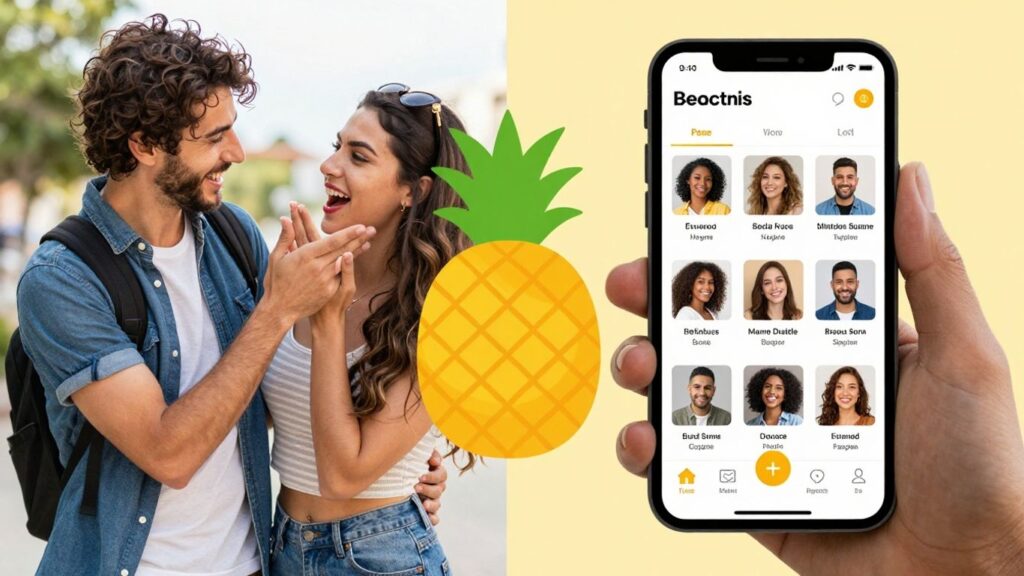
Okay, so you’ve probably seen pineapples everywhere. They’re on towels, they’re in drinks, they’re basically the unofficial mascot of tropical vacations. For ages, the pineapple was all about hospitality, a fancy symbol of welcome. Think of it like a fancy fruit handshake. But flip that pineapple upside down, and suddenly, it’s not just about being friendly anymore. The upside-down pineapple meaning for couples and individuals has a whole different vibe.
From Hospitality to Hidden Meanings
For a long time, the pineapple was the ultimate status symbol. It was rare, exotic, and super expensive, so people would put them on their porches to show off. It basically screamed, “I’m wealthy and I can get my hands on this weird, spiky fruit!” This evolved into a general symbol of welcome and hospitality. You’d see them carved into furniture or displayed prominently, signaling that guests were truly honored. It was all very proper and polite. But like a lot of things, symbols can get a secret second life, and the pineapple is no exception. It’s amazing how something so innocent can take on a completely different meaning.
The Pineapple’s Erotic and Seductive History
Believe it or not, the pineapple has a surprisingly steamy past. Some old writings even suggest that the pineapple, not the apple, was the fruit Eve used to tempt Adam. Talk about a forbidden fruit! Beyond just ancient myths, there are some modern, shall we say, anecdotal claims about the fruit’s effects. Some folks swear that eating pineapple can make bodily fluids taste sweeter, though there’s no hard science to back it up. Still, the fruit’s association with sensuality and pleasure has definitely stuck around. It’s a fruit that’s always had a bit of a wild side, even if most people just see it as a tasty snack.
Modern Interpretations and Community Signals
So, how did we get from welcoming guests to signaling a whole lifestyle? The upside-down pineapple has become a discreet way for people in the swinger community to identify each other. It’s like a secret handshake, but with fruit. You might see it on a tote bag, a piece of jewelry, or even a sticker on a car. It’s a way to say, “Hey, I’m part of this community, and I’m open to connecting with others who are too.” It’s not always about immediate hookups; often, it’s about finding like-minded people and building connections within a specific social circle. The rise of social media has only amplified this, with hashtags related to the symbol getting millions of views. It’s a modern nod to an older tradition of coded communication, allowing people to find their tribe without broadcasting their intentions to the whole world. It’s a subtle signal that can spark conversations and lead to unexpected friendships or more. For those in the know, seeing an upside-down pineapple is like spotting a friendly face in a crowd. It’s a way to find others who share similar interests and values, creating a sense of belonging and shared identity within the ethical non-monogamy community.
“Swingtown is so great in am having so much fun and it’s the best site to visit and enjoy. The people are so friendly.” -JS12
Navigating the Lifestyle: Pineapple Signals in the Wild
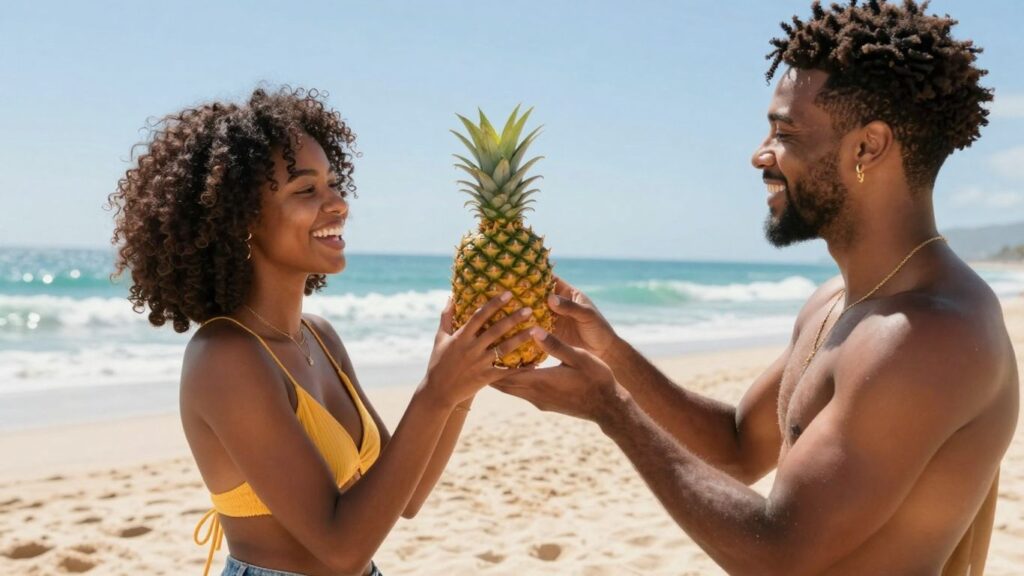
So, you’ve heard about the upside-down pineapple, but where do you actually see these signals in the real world? It’s not just about cruise ships anymore, though they’re definitely a hotspot. Think of it as a secret language spoken in plain sight, a subtle wink to those in the know.
Cruise Ships and Resort Doors: A Discreet Invitation
Cruise ships are practically a breeding ground for these hidden messages. You might spot an upside-down pineapple hanging from a cabin door, a quiet invitation to fellow travelers exploring the same lifestyle. It’s a way to connect without a big announcement. Resorts can be similar; sometimes, you’ll see a pineapple placed outside a room, a subtle hint that the occupants are open to meeting like-minded people. It’s a bit old-school, sure, but it still happens. This discreet signaling is all about finding community in unexpected places.
Grocery Stores and Public Spaces: Unexpected Encounters
Believe it or not, the grocery store can be a place for these encounters. Some couples might place an upside-down pineapple in their shopping cart, hoping someone else catches the hint as they browse the aisles. It’s a bold move, but it works for some. You might also see pineapple motifs on clothing or accessories in everyday settings. A sticker on a laptop at a coffee shop, a charm on a bracelet – these are all ways people signal their interest without being overly obvious. It’s about finding those little moments of connection.
Clothing and Accessories: Wearing Your Intentions
This is probably the most common way people signal their interest these days. Forget elaborate setups; just wear it. Pineapple-themed jewelry, like a necklace or a ring, is a popular choice. It’s subtle enough that most people won’t bat an eye, but those who understand the vibe will get it. T-shirts, tote bags, even socks can feature the upside-down pineapple. It’s a way to express yourself and your lifestyle choices openly, yet still maintain a level of discretion. It’s a fun way to see who’s paying attention and who shares your interests. If you’re curious about the history of symbols like the pineapple, you can explore how they’ve been used to represent welcome and hospitality over time.
“We are very excited to have joined Swing Towns. We have already chatted and met some fun people. We look forward to meeting many more friends and having a great time making new connections.” –
IzzyBlossomKatee
Dating Apps vs. Real-World Signals
The Convenience of Online Matching
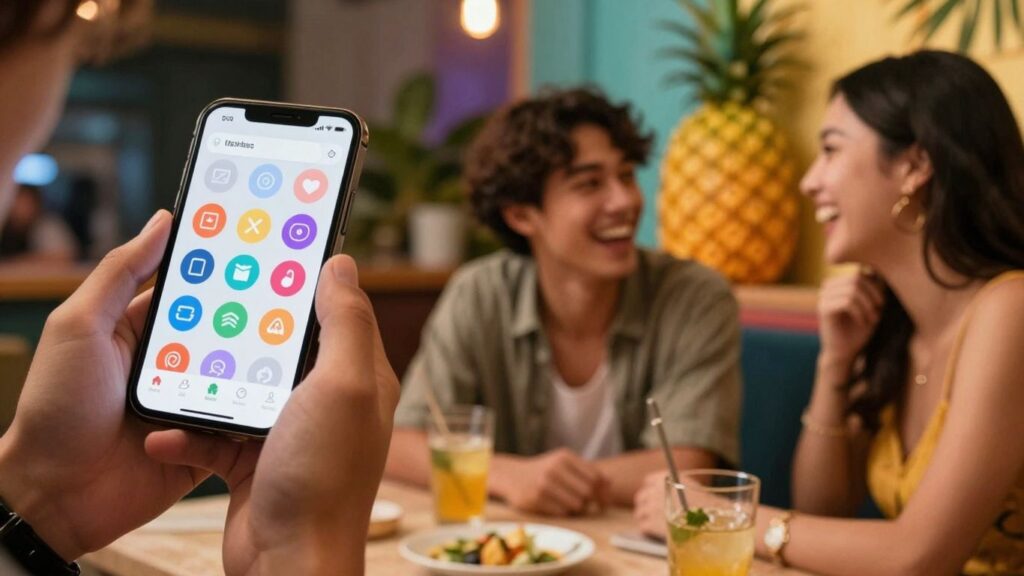
Let’s be real, dating apps have made finding a connection, whatever kind you’re looking for, incredibly easy. You can swipe through profiles from your couch, chat with multiple people at once, and even set very specific filters. It’s efficient, right? For many, especially those exploring the swinger lifestyle vs dating apps, this digital approach offers a low-pressure way to see who’s out there and what they’re into without having to leave the house. You can gauge interest, exchange a few messages, and then decide if you want to meet up. It cuts out a lot of the guesswork and potential awkwardness of a cold approach.
Pineapple Encounters: Spontaneity and Serendipity
But then there’s the whole other world of real-world signals, like the upside-down pineapple. This is where things get a bit more spontaneous, a bit more serendipitous. Instead of swiping left or right, you might spot a pineapple on someone’s porch, a pin on their bag, or even a specific fruit arrangement in a grocery store. These aren’t just random occurrences; they’re subtle nods, coded messages for those in the know. It’s a different kind of thrill, isn’t it? The idea that you could meet someone interesting just by being out and about, noticing a small detail. It feels more organic, more like a chance encounter that could lead to something exciting. It’s definitely one of the more interesting alternatives to dating apps for couples and individuals looking for a more organic connection.
Digital Signals vs. Tangible Cues
So, what’s the real difference? Digital signals on apps are explicit. You see a profile, read a bio, maybe look at photos. It’s all laid out. Tangible cues, like the pineapple, are more about interpretation and shared understanding. They rely on a community having a common language, a secret handshake, if you will. It’s a way to signal your intentions without having to broadcast them to the entire world. Think of it like this:
- Dating Apps: A direct message, a clear profile stating your interests.
- Pineapple Signals: A wink across a crowded room, a knowing glance, a shared secret.
It’s a trade-off, really. Apps offer clarity and control, while real-world signals offer mystery and the potential for a more exciting, unexpected connection. Both have their place, and honestly, many people use both. It just depends on what kind of adventure you’re looking for.
“I recommend swingtowns because it’s the first site that even as a free profile you can still connect with ppl. I have since upgraded to lifetime but me and my wife have met some really fun cpls since we started on this site so we fully recommend swingtowns.” -TheRowan
Beyond the Pineapple: Other Symbols of Non-Monogamy
While the upside-down pineapple has become pretty well-known, it’s not the only way folks in the ethical non-monogamy and swinger communities signal their interests. Think of it like a secret handshake, but with everyday objects. It’s all about finding those subtle cues that let you know someone might be on the same page.
The Infinity Heart and Other Coded Messages
One symbol that’s really gained traction, especially within the polyamorous side of things, is the infinity heart. It’s a pretty straightforward design, basically an infinity symbol merged with a heart. You’ll see it popping up on jewelry, tattoos, and sometimes even in profile pictures online. It’s a nice way to represent the boundless nature of love and connection that non-monogamy can entail.
Beyond that, you might notice other little signals. Some people wear a toe ring, which can be a discreet nod. Others might wear their wedding ring on their right hand instead of the left. It’s not a hard and fast rule, but it’s a detail some couples use. And then there are things like pink lawn ornaments – think flamingos or other bright decorations. It’s a bit more playful and less direct, but for those in the know, it can be another hint.
Interpreting Symbols: Context is Key
Here’s the thing, though: you can’t just see a pineapple and assume someone’s a swinger. That’s where context really matters. A pineapple on a kitchen towel? Probably just likes tropical decor. An upside-down pineapple on a cruise ship door? Now that’s a different story. The same goes for other symbols. A toe ring could just be a fashion choice. A pink flamingo might just be someone’s favorite lawn ornament.
It’s about looking at the whole picture. Are these symbols appearing in a place or context where people are likely to be open about their lifestyle? Are there other subtle hints? It’s a bit of a detective game, and honestly, that’s part of the fun for some people.
When a Pineapple is Just a Pineapple
Let’s be real, not every pineapple out there is a secret signal. The upside-down pineapple symbolism in the swinger lifestyle is a specific thing, but it’s easy to overthink. Most people just like pineapples because they’re pretty, or they remind them of vacations. You’ll see them everywhere – on clothing, in home decor, even in fruit salads. It’s important to remember that the vast majority of pineapples you encounter have absolutely nothing to do with swinging or non-monogamy.
So, while it’s interesting to know about these coded messages, don’t go around assuming everyone with a pineapple motif is looking to swap partners. It’s a fun bit of trivia and a way for some people to connect, but it’s definitely not a universal sign. Most of the time, a pineapple is just a delicious tropical fruit.
Understanding the Swinger Encounter: Pros and Cons
The Appeal of Shared Experiences
So, you’ve seen the pineapple signals, maybe even tried finding swingers online, and now you’re curious about what this whole lifestyle actually entails. For many couples, the appeal lies in shared adventure. It’s about exploring intimacy and connection with a partner, but with an added layer of excitement and novelty. Think of it as a way to spice things up, to break free from routine, and to experience new things together. It can be a way to deepen your bond by navigating new social landscapes and sexual experiences as a team. Plus, there’s a certain thrill in the discreet communication, the knowing glances, and the shared secret that comes with being part of a community that uses these subtle cues.
Potential Pitfalls and Misunderstandings
Of course, it’s not all sunshine and upside-down pineapples. Misunderstandings can happen, and that’s a big one. Not everyone who uses a pineapple symbol is necessarily looking for the same thing. Some might be seasoned veterans of the lifestyle, while others might be just dipping their toes in. It’s easy to misinterpret signals, especially when you’re new to it all. You might think you’re sending out one message, but it’s received as something else entirely. This can lead to awkward situations or even hurt feelings. It’s also important to remember that not everyone is comfortable with this kind of exploration, and respecting boundaries is key.
Ethical Considerations in Non-Monogamy
When you’re exploring non-monogamy, whether through finding swingers online or in person, ethics are super important. It’s all about clear communication and consent. Everyone involved needs to be on the same page about what’s okay and what’s not. This means talking openly with your partner about your desires and boundaries, and also being upfront with anyone you meet. Honesty is really the best policy here. It’s about making sure everyone feels respected and safe throughout the experience. Without that, things can get messy really fast.
“Swing Towns knows what’s up! Finally a platform where like minded people can connect.” -Cboy6983
Here are some things to keep in mind:
- Partner Communication: Regular, honest talks with your primary partner are non-negotiable.
- Consent: Ensure enthusiastic consent from everyone involved in any encounter.
- Boundaries: Clearly define and respect personal and relational boundaries.
- Safe Practices: Always prioritize safe sex practices.
- Self-Reflection: Continuously check in with yourself about your feelings and desires.
The Psychology of Symbols in the Sex-Positive Community
Creating Community Through Shared Language
It’s pretty wild how a simple symbol, like an upside-down pineapple, can act as a secret handshake for a whole community. In a world that’s still figuring out how to talk openly about different relationship styles and sexual preferences, these coded messages are super important. They help people find each other, feel less alone, and build connections without having to shout their intentions from the rooftops. Think about it – before the internet made everything so easy, how did people find others who were into the same things? Symbols were the answer. They create a sense of belonging and shared identity, which is something everyone craves, right?
The Power of Subtle Communication
Subtle communication is where it’s at, especially when you’re dealing with topics that can still feel a bit taboo. Using a symbol like the pineapple isn’t just about being discreet; it’s about communicating a complex idea – openness to ethical non-monogamy or swinging – in a way that’s easily understood by those in the know, but goes unnoticed by everyone else. It’s like a little wink and a nod. This kind of signaling allows for organic encounters and conversations to start, without the pressure of a direct, potentially awkward, approach. It gives people the chance to gauge interest and respond accordingly.
Navigating Social Norms and Taboos
Symbols play a big role in helping people navigate the often tricky waters of social norms and taboos surrounding sexuality and relationships. For those exploring or living a sex-positive lifestyle, these symbols offer a way to express their identity and connect with like-minded individuals while still respecting broader societal expectations. It’s a balancing act, for sure. They provide a bridge between the personal desire for connection and the public need for discretion.
Here’s a quick look at how symbols help:
- Finding Your Tribe: Symbols make it easier to identify potential friends or partners who share similar values and interests.
- Reducing Risk: Discreet signals can help avoid unwanted attention or judgment from those who might not understand or approve.
- Building Trust: Shared symbols can create an immediate sense of familiarity and trust among community members.
- Empowering Expression: They offer a safe outlet for self-expression in a way that feels authentic and controlled.
“This is an amazing place to explore and experience. The best online platform for swinging.” -Decentfinder
So, What’s the Takeaway?
Look, whether you’re swiping left and right on an app or subtly flashing a pineapple, the goal is pretty much the same: finding connection. Dating apps offer a huge pool, but sometimes it feels like you’re just scrolling through endless options without really finding anyone. The pineapple thing? It’s a bit more niche, a secret handshake for people looking for something specific, often outside the usual relationship box. It’s interesting how we’ve come up with these symbols, right? From old-school fruit displays to digital emojis, it’s all about communicating what you’re looking for. Ultimately, whether you’re into apps or a more discreet approach, it’s about being clear about your desires and finding others who are on the same page. It’s a wild world out there, and people are finding ways to connect that work for them.
Frequently Asked Questions
What does an upside-down pineapple really mean?
An upside-down pineapple is like a secret handshake for people who are swingers or are interested in swinging. It’s a way to let others know you’re open to that kind of lifestyle without having to say it out loud. You might see it on clothes, jewelry, or even on a cruise ship door.
Why pineapples? Aren’t they just fruit?
Pineapples have a long history tied to welcoming and hospitality. But for swingers, they took on a spicier meaning. Some believe the fruit has been linked to romance and even has some health benefits that people associate with sex. Flipping it upside down makes the message even clearer to those in the know.
Where might I see this pineapple symbol being used?
You could spot an upside-down pineapple in a bunch of places! People might wear it on shirts or jewelry, put stickers on their cars or laptops, or even place a pineapple on their front porch or cruise ship door. It’s meant to be a subtle hint.
Are dating apps the only way to find people interested in swinging?
Dating apps are super convenient for matching with people, especially those geared towards non-monogamous relationships. But real-life encounters, like spotting a pineapple symbol, can lead to spontaneous meetings. It’s a different way to connect.
Are there other symbols besides pineapples that mean someone is into non-monogamy?
Yes, there are! The infinity heart symbol is becoming more popular, and some people might wear a black ring on their right hand, a toe ring, or switch their wedding ring to their right hand. But remember, sometimes a pineapple is just a pineapple, and these other symbols can mean different things too.
What’s the main idea behind swinging or ethical non-monogamy?
Swinging and other forms of ethical non-monogamy are about being open and honest with your partner(s) about being romantically or sexually involved with other people. It’s all about consent and making sure everyone involved is okay with the arrangement. It’s not about cheating; it’s about exploring relationships in a way that works for everyone.
Beyond the Swipe — Where Playful Exploration Creates Real Chemistry
Wondering how pineapple-friendly vibes compare to the swipe-and-scroll world of typical dating apps? Join a community built for open-minded adults who value clear communication, mutual respect, and genuine connection—without the awkward guesswork. When you’re ready to explore the difference for yourself, sign up for a free SwingTowns account to begin your adventure today.
“Great community in here!!! Lots of beautiful people. Swingtowns has helped connect with so many new friends, love it!!!!” -2x2more


