
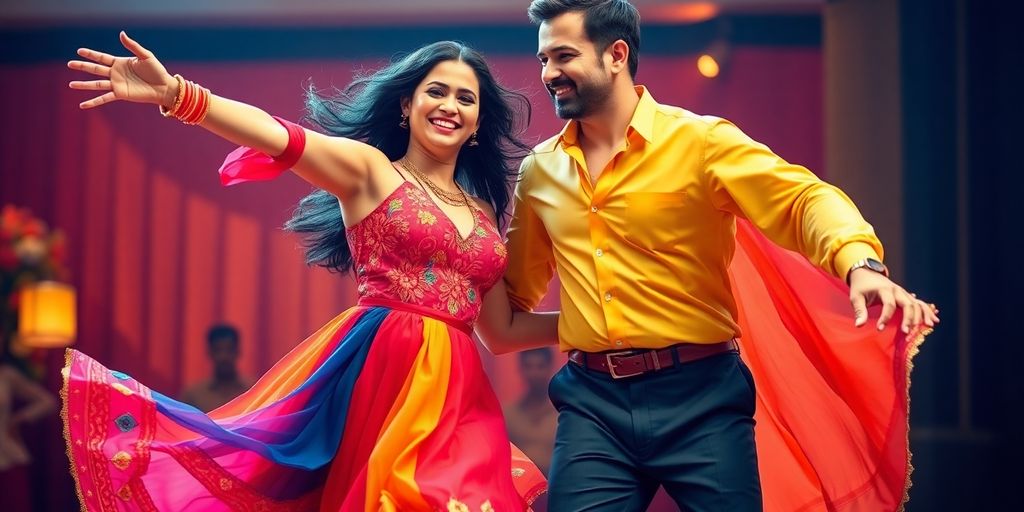
So, you wanna talk about identity, gender, and how it all mixes up in Hispanic culture, especially when we’re talking about the swinger scene? It’s a pretty interesting topic, and there’s a lot more to it than you might think. We’re going to look at how people in this community see themselves, the different words they use, and how they challenge old ideas about what men and women are ‘supposed’ to do. It’s not just about what goes on in the bedroom; it’s about culture, history, and finding your own way in the world. Get ready to explore some surprising connections and maybe even change how you think about things.
Key Takeaways
- The terms people use to describe themselves, like ‘Hispanic’ or ‘Latinx,’ have a lot of history behind them, and not everyone agrees on which one is best.
- In the Hispanic swinger scene, people often push back against traditional gender roles, creating spaces where women can feel more in charge and express themselves freely.
- African influences are a big part of Latin dance and identity, showing up in movements and cultural expressions that connect people to their heritage.
- The debate over gender-neutral language like ‘Latinx’ highlights how language changes and how different communities feel about new words, especially in Spanish.
- For many, especially immigrants in the U.S., identity isn’t just about broad labels; it’s about recognizing unique family histories and cultural backgrounds.
Understanding Identity: Beyond Colonial Labels
The Evolution of Terminology: From Hispanic to Latinx
It’s interesting how the words we use to describe ourselves change over time. “Hispanic” and “Latinx” aren’t just interchangeable labels; they carry different histories and meanings. The term “Hispanic” gained traction in the US, especially after its use in the 1970 Census. Some see it as a way to group people based on a shared language, but others feel it oversimplifies a complex reality. The shift towards “Latinx” reflects a desire for a more inclusive term, one that acknowledges gender diversity and moves beyond a purely Spanish-centric view.
Decolonizing Language: Why Some Reject ‘Hispanic’
For many, “Hispanic” feels like a relic of colonialism, emphasizing the Spanish influence while erasing indigenous and African roots. It’s like saying your identity is only defined by the people who conquered you. This is why some people actively reject the term. They feel it doesn’t accurately represent their full heritage. It’s about reclaiming their narrative and challenging existing power structures.
“Swingtowns is awesome and we have no complaints. There are tremendous people and wonderful couples on here that we have had the pleasure of meeting” -wearesexy2015
The Nuance of Self-Identification: Choosing What Resonates
Ultimately, how someone chooses to identify is a personal decision. There’s no one-size-fits-all answer. Some people feel comfortable with “Hispanic,” others prefer “Latino/a,” and some embrace “Latinx” or other terms. This is about finding a label that feels authentic and true to their individual experience. It also involves understanding that these labels are constantly evolving. Students should recognize the importance of knowing where they come from.
Here are some factors that influence self-identification:
- Family history and country of origin
- Personal values and beliefs
- Political awareness
- Community affiliation
Gender Roles and Dynamics in the Hispanic Swingers Scene
Challenging Traditional Gender Norms in Hispanic Culture
Traditional Hispanic culture often emphasizes distinct gender roles, but the Hispanic swinging lifestyle presents a fascinating challenge to these norms. It’s not uncommon to see couples renegotiating expectations around fidelity, intimacy, and power dynamics. This can lead to a more egalitarian approach within the relationship, where both partners have a say in the rules and boundaries of their shared experiences. It’s a space where traditional machismo can be confronted, and women can assert their desires and agency in ways that might not be traditionally accepted.
The Role of Consent and Communication in the Scene
Consent and open communication are absolutely vital in any swinging community, but they take on added significance within the context of cultural perceptions of swinging. Because of the potential clash with traditional values, couples exploring non-monogamy Latino often find that clear, honest conversations are essential for navigating expectations and ensuring everyone feels safe and respected. This includes discussing boundaries, desires, and potential insecurities. Without this foundation, misunderstandings can easily arise, leading to hurt feelings and damaged relationships.
Empowerment and Agency for Women in Swinging
For many women in the swinging community in Spanish speaking countries, engaging in this lifestyle can be a source of empowerment. It allows them to explore their sexuality, challenge societal expectations, and redefine their relationship roles in Hispanic culture. This can be particularly significant in cultures where women’s desires are often suppressed or overlooked. By actively participating and making their own choices, women can reclaim agency over their bodies and their relationships. It’s about creating a space where they feel valued, respected, and free to express themselves.
“Swingtowns.com has been one of the best places for meeting like minded and fun party people. I’m always looking to meet new people and this site never fails.” -PoundnSand
Here are some key aspects of empowerment:
- Openly discussing desires and boundaries.
- Making independent choices about participation.
- Challenging traditional expectations of female sexuality.
- Building confidence and self-esteem.
- Finding support within the community.
Ultimately, the cultural impact on open relationships Spain and other Spanish-speaking countries is complex and multifaceted. It’s a journey of self-discovery, negotiation, and redefining what it means to be in a relationship. It’s about embracing authenticity and creating a space where everyone feels empowered to live their truth. The exploration of gender dynamics in Latin culture within these spaces is ongoing, and it promises to continue evolving as societal norms shift and individuals seek new ways to connect and express themselves.
Cultural Roots and Modern Expressions

African Influences in Latin Dance and Identity
Latin dance isn’t just a fun pastime; it’s a vibrant expression of cultural heritage, deeply intertwined with African roots. The rhythms and movements we see today have evolved from traditions brought over during the transatlantic slave trade. These influences are evident in various forms, from the Cuban son to the Brazilian samba. It’s a story of resilience and cultural preservation, where enslaved people found ways to maintain their identity through music and dance.
- Call and response patterns
- Polyrhythms
- Improvisation
“Swingtowns, easy navigating the site, no harassing upgrade ads, easy to find people, premium is not over priced….Just keep swinging, just keeping swinging” -mrgood69
Preserving Afro-Cuban Heritage Through Movement
For many, dance is more than just a hobby; it’s a way to connect with their heritage. Take the Oyu Oro Afro Cuban Experimental Dance Ensemble, for example. They are actively working to preserve Afro-Cuban traditions through dance. These groups use movement to tell stories, honor ancestors, and keep cultural practices alive. It’s a powerful form of resistance against cultural erasure. Danys “La Mora” Pérez Prades believes people cannot know who they are unless they look to their past.
The Intersecting Identities of Black and Hispanic
The terms “Hispanic” and “Latino/a/x” don’t always capture the full picture of someone’s identity. For many, it’s about embracing multiple heritages. Mora Catlett, the son of an African American sculptor and Mexican muralist, grew up surrounded by art and culture that celebrated both sides of his background. It’s important to acknowledge that people can identify as both Black and Hispanic, and that these identities are not mutually exclusive. Some feel that dated terms don’t speak to race or ethnicity.
Here’s a simple breakdown of how these identities can intersect:
| Identity | Description |
|---|---|
| Black | Refers to people with origins in any of the Black racial groups of Africa. |
| Hispanic | Refers to people who speak Spanish or are descended from Spanish-speaking populations. |
| Latino/a/x | Refers to people with origins in Latin America. |
The Debate Around Gender-Neutral Language
Latinx: A Progressive Term or Grammatical Anomaly?
The term Latinx emerged as a gender-neutral alternative, aiming to move beyond the traditional “Latino” and “Latina.” However, its adoption has sparked considerable debate. Some view it as a progressive step towards inclusivity, while others see it as a grammatically awkward imposition on the Spanish language. It’s a term that tries to include everyone, but not everyone agrees it works.
The Spanish Language and Gendered Nouns
Spanish is a gendered language, with nouns typically having masculine or feminine forms. This inherent gendering presents a challenge when trying to create gender-neutral terms. The use of “Latinx” disrupts this grammatical structure, leading to resistance from some native Spanish speakers. It’s not just about political correctness; it’s about how the language itself functions. Some argue that the traditional masculine form already serves as a gender-neutral option in many contexts.
Community Perspectives on Inclusive Terminology
Community opinions on gender-neutral language are diverse and complex. While some embrace terms like “Latinx” as a way to acknowledge and include non-binary and gender-nonconforming individuals, others find it unnatural or even offensive. Many feel that the term was imposed upon them, rather than emerging organically from within the community. It’s a sensitive issue, and there’s no one-size-fits-all answer.
“SwingTowns is awesome place to meet great people. We have met a lot nice people on here and had amazing time with several couples.” -LoveTerri77
Here are some points to consider:
- The origin of the term “Latinx” and its evolution.
- The impact of language on identity and belonging.
- The role of cultural context in shaping linguistic norms.
Navigating Identity in the United States
Immigrant Experiences and Assigned Classifications
Coming to the US, especially for Hispanic immigrants, often means getting put into boxes that don’t quite fit. It’s like suddenly, everyone wants to label you, and those labels might not reflect how you see yourself at all. You might have grown up with a strong sense of your family’s specific cultural background, but here, you’re just “Hispanic” or “Latino.” It can feel like a simplification, almost an erasure, of the history of each family. It’s a weird experience to have someone else define you, especially when that definition feels incomplete or inaccurate.
The Desire for Specific Cultural Recognition
It’s not that people are against being called Hispanic or Latino, but more that they want their specific heritage acknowledged. Think about it: someone from Mexico has a very different experience and culture than someone from, say, Argentina or Puerto Rico. Lump them all together, and you lose a lot of the richness and detail. People want to be seen for who they are, not just as part of a big, generalized group. It’s about pride in your roots and wanting others to understand and appreciate the nuances of your background. It’s about reclaiming narratives and challenging stereotypes.
Beyond Broad Categories: Embracing Unique Heritage
Ultimately, it’s about defining yourself on your own terms. While broad categories like “Hispanic” can be useful in some contexts, they shouldn’t overshadow the individual’s unique story. Many people are embracing the intersectionalities of their identities, which they live with every day. It’s about celebrating the mix of cultures, languages, and traditions that make each person unique. It’s about saying, “Yes, I’m Hispanic, and I’m also this, this, and this.” It’s a constant process of self-discovery and self-expression.
Art, Dance, and Cultural Expression

Dance as a Grounding Force in Hispanic Culture
Dance is more than just movement in Hispanic culture; it’s a powerful connection to heritage and identity. It’s a way to tell stories, preserve traditions, and express emotions that words sometimes can’t capture. For many, dance serves as an anchor, keeping them grounded in their roots, especially when navigating the complexities of modern life or living far from their ancestral homelands. It’s a vibrant reminder of who they are and where they come from. Dance is a language that transcends borders and generations.
- Celebrations often revolve around traditional dances.
- Dance is a way to pass down cultural knowledge.
- It provides a sense of belonging and community.
“This site has been super fun. Would highly recommend for all players :)” -coltpl4y
The Power and Beauty of Ancestral Movements
Ancestral movements hold a special significance, carrying the weight of history and the spirit of generations past. These dances, often passed down through families or communities, are not just performances; they are living embodiments of cultural memory. The rhythms and steps echo the struggles, triumphs, and beliefs of ancestors, creating a profound connection between the present and the past. They are a testament to the resilience and enduring strength of Hispanic culture. Consider the way Latina artists are actively combating gender inequality.
Artistic Expression as a Bridge to Heritage
Artistic expression, in its many forms, serves as a vital bridge connecting individuals to their Hispanic heritage. Whether through painting, music, sculpture, or performance art, these creative outlets provide a means to explore, celebrate, and share cultural identity. Artists often draw inspiration from their roots, incorporating traditional motifs, stories, and symbols into their work. This not only preserves cultural heritage but also makes it accessible to new audiences, fostering understanding and appreciation. It’s a way to keep the spirit of the culture alive and evolving. Here’s a table showing the popularity of different art forms:
| Art Form | Popularity | Example |
|---|---|---|
| Painting | High | Murals depicting historical events |
| Music | High | Traditional folk songs and dances |
| Sculpture | Medium | Religious figures and cultural icons |
| Performance | Medium | Theater productions and dance performances |
Reclaiming Narratives and Challenging Stereotypes

Addressing Misunderstandings of Dual Identities
It’s easy for people to fall into the trap of seeing Hispanic identity as a monolith, but that couldn’t be further from the truth. Many individuals juggle multiple identities – Hispanic and American, for example – and these identities aren’t mutually exclusive. They coexist and enrich each other. It’s about recognizing the complexity and resisting the urge to simplify someone’s background into a neat, easily digestible label. People should be able to embrace their full selves without feeling pressured to choose one aspect over another. This is especially important when discussing cultural recognition.
The Importance of Acknowledging Coexistence
Acknowledging the coexistence of different identities is key to dismantling stereotypes. When we recognize that someone can be both fully Hispanic and fully something else, we move away from the idea that there’s a single, authentic way to be Hispanic. This means understanding that someone’s experiences might be shaped by their heritage, but it doesn’t define their entire being. It’s about creating space for people to express their identities in ways that feel genuine to them, without judgment or expectation.
Here are some ways to promote understanding:
- Actively listen to people’s stories without interrupting or making assumptions.
- Educate yourself about the diverse cultures and experiences within the Hispanic community.
- Challenge stereotypes when you hear them, even if it’s uncomfortable.
“Swingtowns is fun and interesting for all kinds of cats! There a plenty of friendly folks and no pushy pests. Plenty of flavors for every occasion.” -FreakyFux
Defining Identity on One’s Own Terms
Ultimately, identity is a personal journey. No one else gets to decide who you are or what labels you should use. It’s about self-discovery and embracing the aspects of your heritage that feel meaningful to you. This might mean rejecting certain labels altogether or creating your own unique way of expressing your identity. The power lies in self-definition. It’s about owning your narrative and refusing to let others define you based on their preconceived notions. It’s important to remember that gender-neutral language is a tool, not a requirement, and its use should always be driven by individual preference and comfort.
Wrapping It Up: What We Learned About Gender and Hispanic Culture
So, we’ve talked a lot about how gender plays out in Hispanic culture, and it’s pretty clear there’s no single, easy answer. From the way people use words like ‘Hispanic,’ ‘Latino,’ ‘Latina,’ or ‘Latinx,’ to how traditions and art show up, it’s all over the place. What really stands out is how much history and personal stories shape everything. People have strong feelings about what they call themselves, and it often goes back to their family’s roots or where they grew up. It’s a mix of old ways and new ideas, and it keeps changing. Understanding all this means looking at the many different experiences within Hispanic communities, not just one big picture. It’s a rich, complicated thing, and that’s what makes it so interesting.
Frequently Asked Questions
What’s the difference between ‘Hispanic,’ ‘Latino,’ and ‘Latinx’?
The term ‘Hispanic’ became popular in the 1970s. It was meant to group people from Spanish-speaking countries. But later, ‘Latino’ and ‘Latina’ came along. Now, ‘Latinx’ is also used, which is gender-neutral.
Why do some people not like the word ‘Hispanic’?
Some people don’t like ‘Hispanic’ because it reminds them of a time when Spain ruled over other lands. They feel it doesn’t show their true family background, which might include Native American or African roots.
What does ‘Latinx’ mean and why is it used?
‘Latinx’ is a newer word that tries to include everyone, no matter their gender. It’s used by people who want to be more modern and fair in how they talk about groups of people.
How do people from these cultures prefer to be called?
Many people prefer to be called by their specific country, like ‘Mexican’ or ‘Cuban.’ Others like ‘Latina’ or ‘Latino’ because it shows they come from Latin America. It really depends on what each person feels is right for them.
Can someone be both Black and Hispanic?
Yes, it can be confusing. Some people feel that being Black and Hispanic are two different things, but many people are both. For example, there’s a lot of African culture mixed into Latin American dance and music, showing how these identities can be together.
How does dance connect to Hispanic culture and identity?
Dance is super important in Hispanic culture. It’s a way to connect with family history, especially African roots that came to Latin America. It helps people feel strong and proud of who they are.
Break Boundaries — Where Expression and Connection Know No Limits
Explore how gender, identity, and tradition intersect in the vibrant world of Hispanic swinging. This is a space where curiosity is celebrated, roles are reimagined, and authentic connections thrive. Join a community that welcomes every side of you. Sign up for your free SwingTowns account today and start your adventure!
“I’m glad that SwingTowns is growing such an audience of happy, sex-positive people!” -RandySP69


