
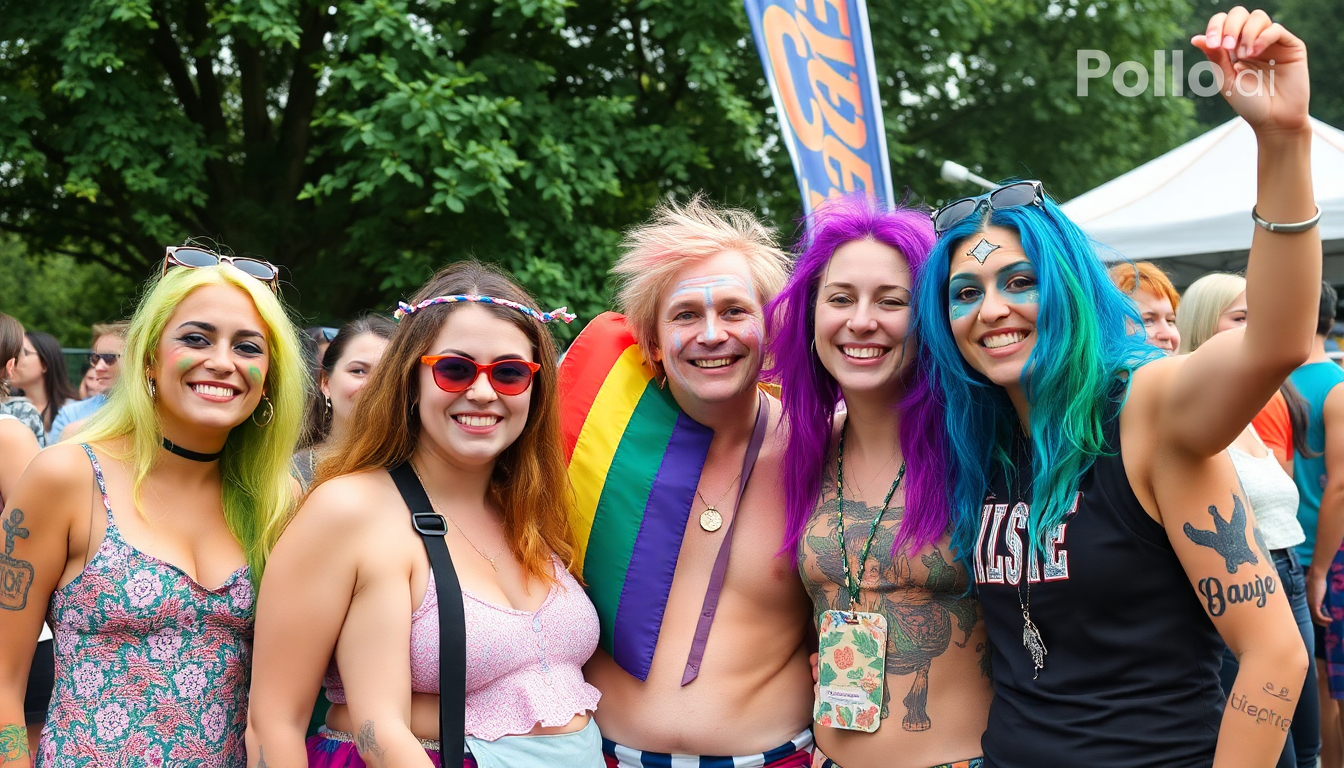
In recent years, there’s been a noticeable shift in how people view and identify their sexual orientations. More individuals are embracing bisexuality, and this trend is particularly evident among those who engage in swinging. As society becomes more open to diverse sexual identities, many are finding freedom in exploring attractions beyond traditional labels. This article will delve into the reasons behind the rise of bisexuality, especially within the swinging community, and highlight the cultural changes contributing to this trend.
Key Takeaways
- Bisexual representation in media has surged, helping to normalize the identity.
- Younger generations, particularly Millennials and Gen Z, are more open about their bisexuality than previous generations.
- Social media plays a crucial role in shaping and affirming bisexual identities.
- The swinging lifestyle is increasingly seen as a space where bisexuality can thrive and be celebrated.
- Cultural acceptance of bisexuality is growing, challenging old stereotypes and encouraging open discussions.
Cultural Shifts In Sexual Identity
The Rise of Bisexual Representation
For a long time, bisexuality was kind of invisible. Now, it’s way more visible. You see it in TV shows, movies, and even just online. This increased visibility helps people understand that bisexuality is a real thing, not just something made up. It’s not perfect, but it’s a start. The rise of LGBTQ identity is undeniable, especially among younger generations.
Changing Perceptions of Bisexuality
People used to have a lot of weird ideas about bisexuality. Some thought it was just a phase, or that bisexual people were greedy or confused. But those ideas are starting to change. More people understand that bisexuality is a valid sexual orientation. This shift in perception is partly because more bisexual people are speaking out and sharing their experiences.
Influence of Media on Sexual Fluidity
Media plays a big role in how we see sexuality. When TV shows and movies include bisexual characters, it helps normalize the idea that sexuality isn’t always black and white. It shows that people can be attracted to more than one gender, and that’s okay. Media representation can also help people who are questioning their own sexuality to feel less alone. It’s interesting to see how bisexual boom in media has impacted public perception.
The Impact of Generational Changes
Millennials and Gen Z Embracing Bisexuality
It’s interesting to see how different generations view sexuality. Millennials, while more open than previous generations, didn’t quite embrace bisexuality as widely as Gen Z does. Gen Z seems to be leading the charge in normalizing bisexuality, and it’s not just a surface-level thing. They’re actively exploring and expressing their identities in ways that feel authentic to them. You see it in their fashion, their music, and their online presence. It’s like they’re saying, “This is who I am, deal with it.”
The Role of Social Media in Identity Formation
Social media has become a huge part of how young people figure out who they are. It’s a place to connect with others, find communities, and learn about different identities. For many, it’s a safe space to explore their feelings without judgment. Platforms like TikTok and Instagram are filled with content about bisexuality, from personal stories to educational resources. This exposure helps to break down stereotypes and create a more accepting environment. It’s not just about finding information; it’s about finding a sense of belonging.
Shifting Attitudes Towards Labels
Attitudes toward labels are definitely changing. While some people find labels helpful in defining themselves, others see them as restrictive. There’s a growing movement to embrace fluidity and reject the need to fit into neat categories. This is especially true for Gen Z, who are more likely to identify as queer or simply say they’re not sure. It’s like they’re saying, “Why do I need a label? I’m just me.” This shift is challenging traditional notions of sexuality and creating space for more nuanced conversations. Attraction-based ratings have increased significantly among Gen Z.
It’s important to remember that everyone’s journey is unique. Some people may find comfort in labels, while others may prefer to avoid them altogether. The key is to respect individual choices and create a culture of acceptance, regardless of how someone identifies.
Here are some reasons why attitudes are shifting:
- Increased representation in media
- Greater access to information online
- A growing awareness of the diversity of human experience
Exploring the Swinging Lifestyle
What It Means to Be a Swinger Today
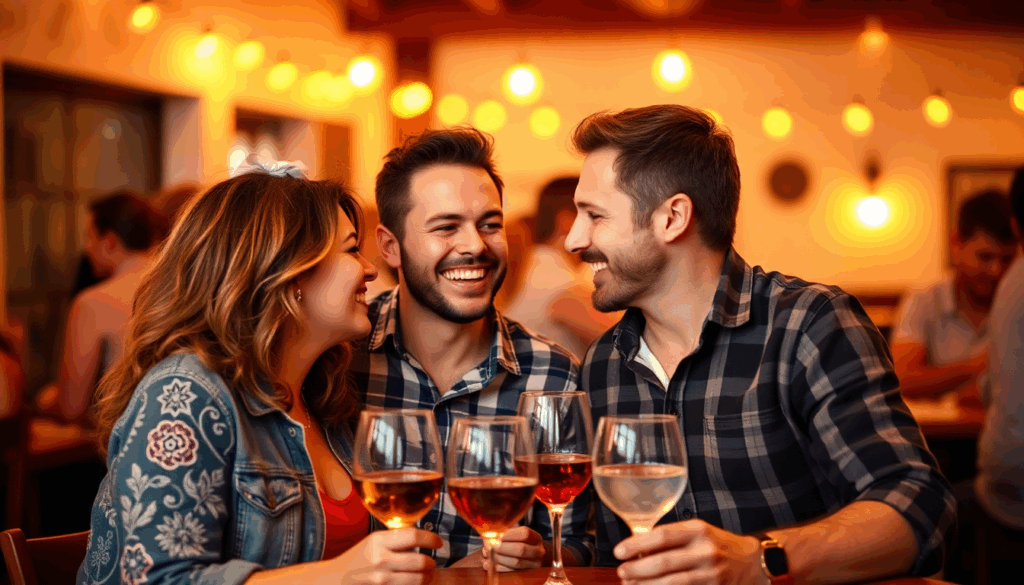
So, what’s the deal with swinging in 2025? It’s not your parents’ key party, that’s for sure. The swinging lifestyle has evolved, becoming more open and diverse. It’s about exploring consensual non-monogamy, often with a focus on communication and boundaries. People get into it for different reasons: some seek sexual exploration, others want to spice up long-term relationships, and some are just curious. It’s a very personal thing.
The Intersection of Swinging and Bisexuality
The connection between swinging and bisexuality is interesting because both involve a degree of openness to different experiences. For bisexual individuals, the appeal of swinging might stem from the opportunity to explore attractions to multiple genders within a safe, structured environment. It’s not that all bisexual people are swingers, or vice versa, but there’s definitely some overlap in the values of exploration and freedom. The impact of swinging on sexual orientation can be profound, offering new perspectives and experiences.
Community Dynamics Among Swingers
Swinging isn’t just about the sex; it’s also about the community. There are groups, clubs, and online forums where people share experiences, offer advice, and organize events. Like any community, there are unspoken rules and expectations. Here are some common aspects:
- Emphasis on consent and communication.
- Importance of discretion and privacy.
- Variety of social events, from casual meetups to themed parties.
It’s important to remember that swinging is not a one-size-fits-all thing. What works for one couple or individual might not work for another. Open communication, respect, and a clear understanding of boundaries are key to a positive experience.
Bisexuality in Popular Culture
Television’s Role in Normalizing Bisexuality
TV has really stepped up its game when it comes to showing bisexuality. Remember when bisexuality was just a punchline? Those days are fading. Now, you see characters exploring their sexuality in ways that feel more real and less like a joke. This shift is helping to normalize bisexuality for a lot of people.
Film Trends Highlighting Bisexual Characters
Movies are also catching on. It’s not just about the token gay character anymore; bisexual characters are getting more screen time and more complex storylines. From indie flicks to big blockbusters, there’s a growing trend of showing characters who aren’t strictly one thing or the other.
Celebrity Influence on Public Perception
Celebrities who come out as bisexual can have a huge impact. When someone famous shares their story, it helps to break down stereotypes and makes it easier for other people to feel comfortable with their own identities. It’s all about visibility, and the more we see, the more the growing acceptance of bisexuality becomes a reality.
It’s interesting to see how media portrayals influence public opinion. When shows and movies feature bisexual characters in a positive light, it can lead to greater understanding and acceptance. This is especially important for younger generations who are still figuring things out.
The Science Behind Sexual Fluidity
Research on Bisexuality and Sexual Spectrum
Okay, so when we talk about bisexuality, it’s not just a simple ‘either/or’ thing. Some researchers think of sexuality as more of a spectrum. It’s like a color gradient, where you have different shades blending into each other, rather than just distinct blocks. One researcher, Dr. Jason Hodgson, even uses a scale from 0 to 1, where 0 is completely straight and 1 is completely gay. Most people, he figures, fall somewhere in between. This suggests that bisexuality isn’t some rare thing, but a common part of the human experience.
Understanding the Bisexual Experience
It’s important to remember that having bisexual experiences isn’t the same as identifying as bisexual. Someone might have had same-sex encounters or attractions but still identify as straight, or vice versa. It’s all about how a person feels and identifies themselves. And that’s valid. Bisexuality isn’t just about the acts you do, but also about who you are attracted to and how you see yourself. It’s a complex thing, and everyone’s experience is unique. It’s also worth noting that myths surrounding bisexuality can really affect how people view themselves and others.
The Biological Basis of Sexual Attraction
Is there a biological reason why some people are bisexual? Well, scientists are still trying to figure that out. Some think that the genes that influence same-sex attraction might also influence general social behavior. In other words, people who are somewhere in the middle of the sexuality spectrum might just be better at forming all kinds of social relationships. It’s also been observed in other primates, like bonobos, who engage in same-sex interactions for social reasons. It’s not just about reproduction; it’s about bonding and connection.
It’s easy to fall into the trap of thinking about sexuality as fixed, but the truth is, it’s often fluid and changing. People’s attractions can shift over time, and that’s perfectly normal. There’s no right or wrong way to experience your sexuality.
Here are some key points to consider:
- Sexuality can change over time.
- Attraction is complex and multifaceted.
- There’s no single “bisexual experience.”
Navigating Relationships as a Bisexual
Challenges Faced by Bisexual Individuals
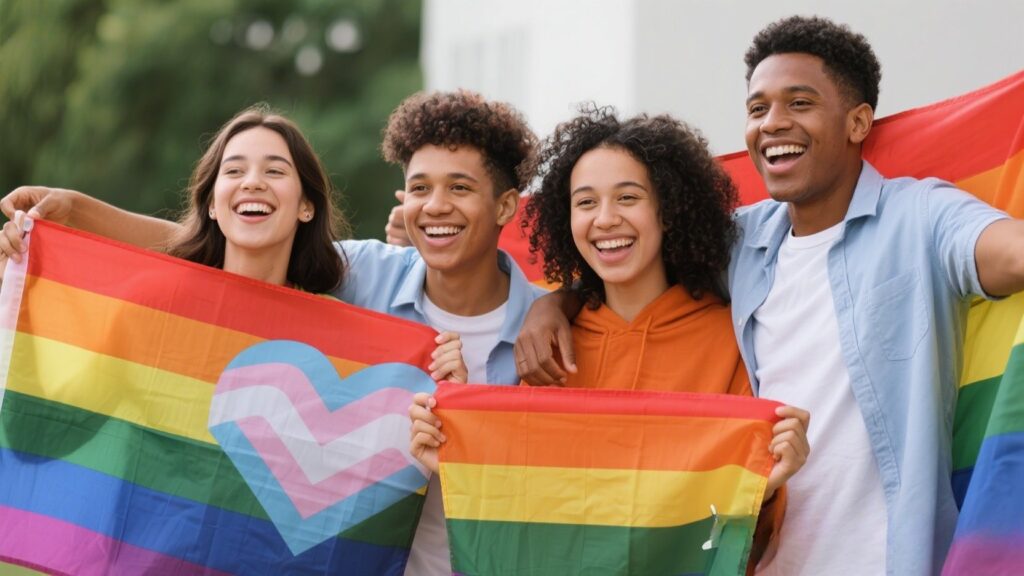
Being bisexual can bring unique challenges in relationships. Sometimes, people might not understand bisexuality, leading to misconceptions or even prejudice from partners, friends, or family. It’s not uncommon for bisexual individuals to feel pressure to “choose a side,” which can be incredibly invalidating. Some people might assume bisexuality is just a phase or that bisexuals are inherently unfaithful. These assumptions can create stress and insecurity in relationships. Also, bisexual people may face erasure, where their attraction to both genders is ignored or dismissed, especially if they are in a seemingly heterosexual or homosexual relationship.
The Importance of Open Communication
Open and honest communication is super important for any relationship, but it’s especially vital when bisexuality is involved. Talking about your attractions, needs, and concerns can help build trust and understanding. It’s good to discuss expectations about monogamy or explore trends in non-monogamous relationships if that’s something both partners are interested in. Being upfront about past experiences and future desires can prevent misunderstandings and hurt feelings. Remember, communication is a two-way street, so it’s also important to listen to your partner’s perspective and address their concerns with empathy.
Building Inclusive Spaces for All Orientations
Creating inclusive spaces means making sure everyone feels welcome, respected, and valued, no matter their sexual orientation. This can start with educating yourself and others about bisexuality and challenging harmful stereotypes.
Here are some ways to build inclusive spaces:
- Actively listen to and validate the experiences of bisexual individuals.
- Use inclusive language that doesn’t assume everyone is straight.
- Support LGBTQ+ organizations and initiatives.
- Speak out against biphobia and discrimination.
By creating inclusive spaces, we can help bisexual individuals feel more comfortable being themselves and build stronger, more supportive relationships. It’s about recognizing that everyone deserves to be loved and accepted for who they are, regardless of who they’re attracted to.
Political and Social Implications
The Fight for Bisexual Visibility
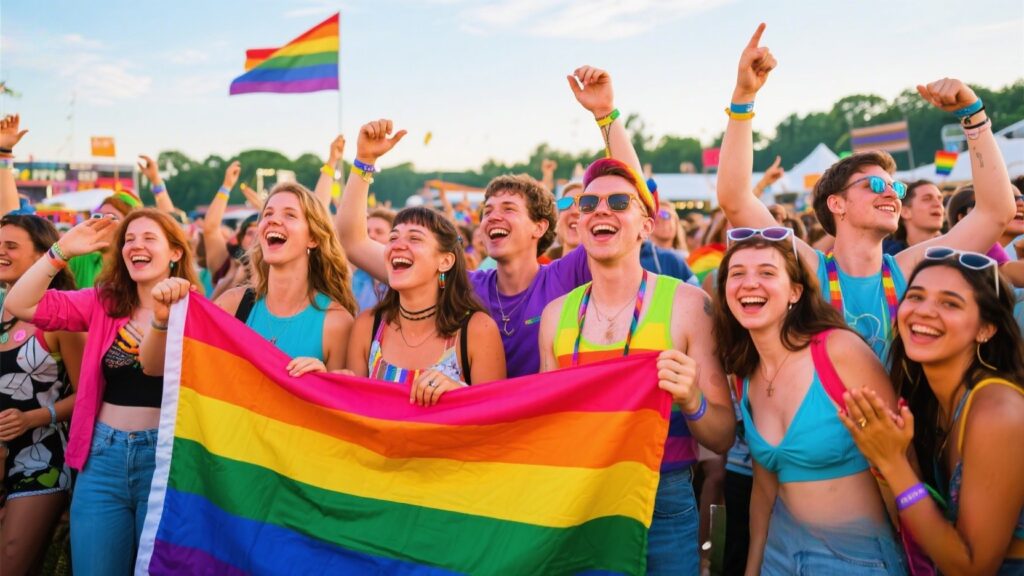
For a long time, bisexuality was kind of ignored. People didn’t really talk about it, or they acted like it wasn’t a real thing. Now, things are changing, but there’s still a lot of work to do. We need more bisexual people in movies, TV shows, and in positions of power so that everyone knows we’re here and we matter. It’s not just about being seen, it’s about being understood and accepted.
Impact of Legislation on LGBTQ+ Rights
Laws can really mess things up or make them better for LGBTQ+ people, including bisexuals. Some laws protect us from getting fired for being bi, but other laws might make it harder to get married or adopt kids. It’s a mixed bag, and it depends on where you live. Legislation can either help or hurt, and it’s important to pay attention to what’s happening in your state and in the country.
Cultural Backlash Against Bisexuality
Even though things are getting better, there’s still some pushback. Some people don’t understand bisexuality, and they might say mean things or try to erase us. It’s frustrating, but it’s also a reminder that we need to keep fighting for our rights and for acceptance. Sometimes, it feels like we’re taking one step forward and two steps back, but we can’t give up.
It’s important to remember that progress isn’t always a straight line. There will be times when things feel hard, but we have to keep supporting each other and working towards a better future for all bisexual people.
Here’s a quick look at how some laws can affect bisexual people:
- Employment Non-Discrimination: Protects against workplace discrimination.
- Marriage Equality: Allows bi people to marry whomever they love.
- Housing Protection: Prevents discrimination in housing.
Wrapping It Up: The Rise of Bisexuality
So, what’s the deal with bisexuality being all the rage right now? It seems like people are finally starting to embrace the idea that love and attraction can be messy and complicated. No longer is it just a phase or a punchline. More folks are stepping up to say, “Yeah, I’m into both!” And honestly, that’s pretty refreshing. With more representation in movies and shows, it’s clear that bisexuality is becoming a part of the mainstream conversation. Whether it’s through pop culture or just people living their truth, it’s a sign that we’re moving towards a more open-minded society. So, here’s to swinging into bisexuality and all the beautiful messiness that comes with it!
Frequently Asked Questions
What does it mean to be bisexual?
Being bisexual means that a person is attracted to both men and women. It’s a way to describe someone who has feelings for people of different genders.
Why is bisexuality becoming more popular?
Bisexuality is becoming more popular because younger generations, like Millennials and Gen Z, are more open about their feelings and identities. Media representation and social media also play a big role in this change.
How does media influence bisexuality?
Media influences bisexuality by showing more bisexual characters in movies and TV shows. This helps people understand that being bisexual is normal and accepted.
What challenges do bisexual people face?
Bisexual people often face challenges like being misunderstood or judged. Some people think they are confused or not serious about their sexuality.
How can we support bisexual individuals?
We can support bisexual individuals by respecting their identity, listening to their experiences, and promoting inclusive spaces where everyone feels welcome.
Is bisexuality just a trend?
No, bisexuality is not just a trend. It has always existed, but more people are feeling comfortable to talk about it openly now.
Unleash Your Curiosity – Where Every Experience Opens a New Door
Curious about the buzz around bisexuality in the swinging scene? You’re not alone—and there’s a whole community ready to explore it with you. Step into a space that celebrates fluid connections, bold choices, and authentic desire. Sign up for a free SwingTowns account today and start your journey with others who are just as open and adventurous as you are.
“Swingtown is so great in am having so much fun and it’s the best site to visit and enjoy. The people are so friendly.” -JS12


