

You’ve probably seen them around – maybe a pineapple on a t-shirt, a decoration on a porch, or even a quirky emoji. But did you know that this tropical fruit, especially when flipped, has become a secret signal in certain circles? It’s true. The pineapple has gone from a symbol of hospitality to a subtle nod within the swinger community, and pop culture is starting to pick up on it. Let’s dive into how this fruit became a wink-wink, nudge-nudge kind of icon.
Key Takeaways
- The pineapple, historically a symbol of welcome and hospitality, has been re-appropriated by the swinger community as a discreet signal, often when displayed upside down.
- This symbol’s popularity surged on cruise ships, where guests used upside-down pineapples on cabin doors or in décor to identify each other, a practice that has since spread to resorts, RV parks, and even online platforms.
- The appeal of the pineapple as a swinger symbol lies in its dual nature: it’s common enough to offer plausible deniability, yet distinct enough for those in the know to recognize.
- Beyond the pineapple, other seemingly ordinary items like flamingos, garden gnomes, and a black ring on the right hand can also serve as subtle identifiers within the swinger lexicon.
- While the upside-down pineapple can be an intentional signal, context is crucial; many people use pineapple imagery simply for its aesthetic appeal, leading to potential misinterpretations.
The Pineapple’s Unexpected Journey: From Hospitality to Hidden Meanings
A Fruit Rooted in Hospitality and Welcome
For ages, the pineapple has been a symbol of warmth and welcome. Think about it – back in the day, these fruits were super rare and expensive. If you were lucky enough to have one at your dinner party, it was a huge deal. It basically screamed, “I’m fancy, and I really like you!” Wealthy folks would show off their pineapples to guests, carving them into furniture or putting them on display. It was the ultimate sign of generosity and good company. You’d see them on doorposts, basically saying, “Come on in, you’re welcome here!” It was all about friendship and making people feel at home.
The Colonial Charm of the Pineapple
During the colonial era, the pineapple really cemented its status as a symbol of hospitality. It wasn’t just a fruit; it was a statement piece. Having a pineapple meant you were sophisticated and had the means to acquire something exotic. This association with welcome and luxury was pretty widespread. People would incorporate pineapple motifs into architecture, art, and decor to convey a sense of abundance and a friendly reception for visitors. It was a visual cue that guests were valued and that the host was gracious.
A Spicy Turn: From Welcome to Wink
So, how did this innocent symbol of welcome get a whole new, spicier meaning? It’s a bit of a wild ride. Somewhere along the line, especially with the rise of online communities and certain travel destinations, the pineapple started to take on a double entendre. The upside-down pineapple, in particular, began to signal something a little more adventurous. It’s a subtle nod, a secret handshake for those in the know. This shift from pure hospitality to a more suggestive wink is fascinating, showing how symbols can evolve and take on hidden meanings within specific subcultures. It’s a prime example of secret meanings of pineapple becoming more widely recognized, at least by some.
“Great community in here!!! Lots of beautiful people. Swingtowns has helped connect with so many new friends, love it!!!!” -2x2more
Here’s a quick look at how the pineapple’s meaning has shifted:
- Historical Meaning: Symbol of hospitality, welcome, and friendship.
- Colonial Era: Signified wealth, exoticism, and gracious hosting.
- Modern Interpretation: Can be a discreet signal within the swinger community, especially when displayed upside down.
It’s pretty wild to think about how a fruit can go from being a sign of a friendly home to a discreet symbol for a particular lifestyle. Context really is everything when it comes to spotting these signals.
Decoding the Upside-Down Pineapple: A Swinger’s Secret Signal
So, you’ve seen it. Maybe on a t-shirt, a doormat, or even, as some stories go, hanging on a cruise ship cabin door. The upside-down pineapple. It seems innocent enough, right? Just a quirky fruit choice. But for those in the know, it’s a whole different story. It’s one of the most recognizable Swinger Code Words and Signals out there.
The Cruise Ship Connection: A Cabin Door Calling Card
Picture this: you’re on a cruise, surrounded by thousands of people. How do you find others who share your particular lifestyle interests without making a scene? Apparently, the upside-down pineapple became a bit of a thing on cruise ships. Some couples would reportedly decorate their cabin doors with pineapple magnets or wear pineapple-print clothing, but with the fruit flipped. It was a subtle way to signal to others passing by, “Hey, we’re part of the lifestyle.” It’s a classic example of how groups develop discreet ways to identify members, especially when their interests might be considered outside the norm. It’s a way to connect without broadcasting to the entire ship.
Resorts, RV Parks, and Lifestyle Hotspots
This isn’t just a cruise ship phenomenon, though. The upside-down pineapple pops up in other places where people looking for connections might gather. Think about RV parks or certain resorts. You might see pineapple decorations, or even someone sporting pineapple-themed attire, that seems a little out of place. It’s not always about the fruit itself, but the symbolism attached to it. It’s a quiet nod, a way to see if someone else recognizes the signal. It’s like a secret handshake, but with fruit.
The Psychology of Covert Signaling
Why does this work? Well, it taps into a basic human need for belonging and connection, but with a layer of discretion. Psychologist Henri Tajfel’s Social Identity Theory suggests that people naturally form groups and use symbols to signal their membership. For the swinger community, the upside-down pineapple serves as a badge of belonging. It allows individuals to find each other and form connections without necessarily revealing their lifestyle to everyone around them. It’s a way to maintain privacy while still finding like-minded people.
“Swingtown is so great in am having so much fun and it’s the best site to visit and enjoy. The people are so friendly.” -JS12
Here’s a quick look at how the signal might be used:
- Apparel: T-shirts, hats, or even socks with upside-down pineapple designs.
- Home Decor: Doormats, garden flags, or porch decorations, especially in more private settings like RVs or homes.
- Accessories: Jewelry, keychains, or even phone cases featuring the flipped fruit.
It’s fascinating how a simple fruit can become such a loaded symbol, isn’t it? It really shows how creative people can get when they want to communicate something specific, especially when they want to keep it a little bit of a secret. The upside-down pineapple is a prime example of this, turning a common item into a secret swinger symbol for those who understand its hidden meaning.
Pineapples in Plain Sight: Pop Culture’s Embrace of the Symbol
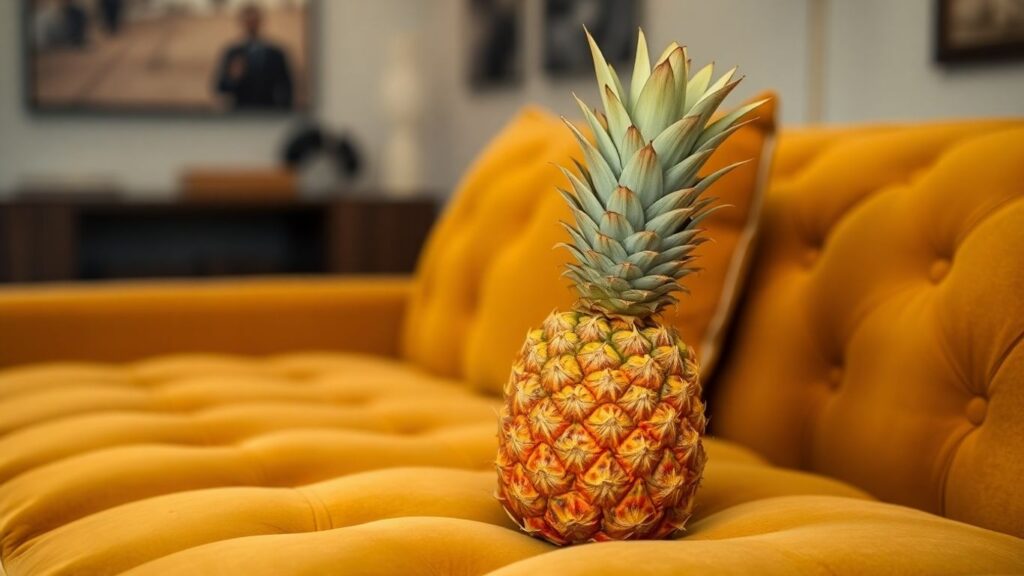
It’s funny how things can sneak into everyday life, isn’t it? The pineapple, once just a symbol of fancy hospitality, has really made its way into all sorts of places. You see it on t-shirts, in home décor, and even on your phone. This fruit has become a surprisingly common way to signal interest in the swinging lifestyle, often without most people even realizing it. It’s like a secret handshake, but for your living room or your social media profile. The pineapple symbol in movies and hidden symbols in TV shows are starting to pop up more, too, adding to its new, cheeky reputation. It’s a prime example of the pineapple as a code, blending into the background while speaking volumes to those in the know.
Grocery Store Aisles and Shopping Cart Codes
Ever noticed a pineapple decoration on a shopping cart at the grocery store? Or maybe a pineapple-themed tote bag someone’s using for their weekly shop? While most folks are just grabbing their groceries, these little fruit symbols can sometimes be a subtle nod. It’s not always a direct invitation, but for those familiar with the pineapple symbol in movies and online communities, it can be a quiet signal. It’s a way to see if anyone else is on the same wavelength, all while picking up milk and bread.
Social Media and Dating Apps: The Digital Swing
Online spaces have really amplified the pineapple’s double life. On social media, you might see people using pineapple emojis or posting pictures with pineapple motifs. Dating apps, especially those catering to alternative lifestyles, have also adopted the pineapple. It’s become a quick way to filter potential connections. A profile featuring an upside-down pineapple, or even just a prominent pineapple image, can be a clear indicator. It’s a modern twist on old-school secret signals, making it easier to find like-minded individuals in the vast digital world.
The Pineapple Emoji: A Subtle Digital Nod
And then there’s the pineapple emoji itself: 🍍. It’s incredibly versatile. Most of the time, it just means someone likes tropical fruit or is dreaming of a vacation. But in certain contexts, especially when paired with other suggestive emojis or within conversations on specific platforms, it can carry a much deeper meaning. It’s a tiny symbol that packs a punch, a digital wink that’s easy to miss if you don’t know what you’re looking for. This subtle digital nod is a testament to how symbols evolve and find new life in our communication.
“We are very excited to have joined Swing Towns. We have already chatted and met some fun people. We look forward to meeting many more friends and having a great time making new connections.” –
IzzyBlossomKatee
Here’s a quick look at how the pineapple shows up:
- Home Decor: Pineapple lamps, doormats, garden flags, and even kitchen towels.
- Fashion: Pineapple prints on clothing, swimwear, and accessories.
- Digital Spaces: Emojis, profile pictures, and hashtags on social media and dating apps.
- Public Spaces: Sometimes seen on cruise ships, resorts, or even discreetly in public gatherings.
It’s a symbol that’s everywhere, and that’s part of its charm. It allows for a level of plausible deniability while still serving its purpose as a pineapple as a code for those who understand.
Why This Fruit? The Allure of the Pineapple as a Swinger Icon
So, why the pineapple? Out of all the fruits and symbols out there, what makes this spiky, tropical treat the go-to for the swinging community? It’s actually a pretty neat combination of history, a bit of mystery, and a whole lot of plausible deniability.
The Perfect Blend of Innocuous and Suggestive
On the surface, the pineapple is just… a fruit. It’s been a symbol of hospitality and welcome for centuries, right? Think fancy colonial dinners or a friendly doormat. This wholesome background is key. It means most people see a pineapple and just think, “Oh, how tropical!” or “What a nice welcome sign.” This inherent innocence is what makes it such a brilliant covert signal. It doesn’t scream anything scandalous. It’s just a pineapple. But for those in the know, that same pineapple, especially when displayed upside down, carries a whole different message. It’s like a secret handshake, but with fruit. It’s subtle enough that you can have pineapple decor all over your house and nobody bats an eye, but if you’re looking for someone specific, you’ll spot it.
Urban Legends and Taste Bud Theories
There’s also this persistent little rumor floating around about pineapples and… well, bodily fluids. The story goes that eating pineapple can make things taste sweeter. Now, whether there’s any actual scientific backing to this is debatable, and honestly, a bit TMI for a general article. But the legend itself, true or not, adds another layer to the fruit’s suggestive appeal. It’s a bit cheeky, a bit risqué, and it ties into the whole sensual vibe that the swinger lifestyle often embraces. It’s not the main reason, probably, but it definitely doesn’t hurt the pineapple’s reputation in certain circles.
Plausible Deniability: Keeping it Cheeky and Discreet
This is where the upside-down pineapple really shines. If someone sees a pineapple on your porch or a pineapple print on your shirt, they have no reason to assume anything. You can always say, “Oh, I just love tropical decor!” or “It reminds me of vacation.” This ability to deflect and maintain a level of privacy is super important for many people exploring this lifestyle. It allows them to signal their interests without necessarily outing themselves to their boss, their grandma, or their nosy neighbors. It’s a way to connect with like-minded individuals in a playful, low-stakes manner. It’s a wink, not a shout, and that’s exactly how many people like it.
Beyond the Pineapple: Other Symbols in the Swinger Lexicon
So, the pineapple is pretty well-known now, right? But it’s not the only secret handshake in the swinger lifestyle representation playbook. People have been using all sorts of little signals for ages to find others who are on the same page. It’s kind of like a hidden language, and once you know the words, you start seeing them everywhere.
Flamingos, Garden Lights, and Gnomes
Think about your neighbor’s yard. See that pink flamingo? Or maybe some quirky garden gnomes? It turns out, these aren’t just random lawn decorations for some folks. In certain circles, especially within the RV and camping communities, these items can be subtle nods to being part of the lifestyle. It’s a way to make your space feel welcoming and maybe signal to others that you’re open to connecting. It’s pretty wild how everyday objects can take on a whole new meaning.
The Black Ring on the Right Hand
This one is a bit more understated. Wearing a plain black ring on the right hand is another signal that some in the swinger community use. It’s not flashy, and it doesn’t scream anything to the average person. But to someone in the know, it can be a quiet way to identify each other. It’s a simple piece of jewelry that carries a lot of unspoken communication.
A Spicy Field Guide to Lifestyle Symbols
It’s fascinating how a whole subculture can develop its own set of symbols. It’s not just about finding partners; it’s also about belonging to a community. These symbols help people feel connected and understood, even in public spaces. Here are a few more things you might notice:
- Pampas Grass: A large, feathery grass often seen in yards can sometimes be a signal.
- White Landscaping Rocks: Arranged in a specific way, these can also be part of the coded messaging.
- Anklets or Thumb Rings: Similar to the black ring, these accessories can sometimes carry a hidden meaning.
- Switching Wedding Rings: Moving a wedding band to the right hand is another subtle indicator.
“I recommend swingtowns because it’s the first site that even as a free profile you can still connect with ppl. I have since upgraded to lifetime but me and my wife have met some really fun cpls since we started on this site so we fully recommend swingtowns.” -TheRowan
It’s easy to dismiss these as just random trends or personal tastes, but when you start seeing them pop up together, the pattern becomes clearer. It’s a whole world of subtle communication happening right under our noses.
Navigating the Pineapple Signal: Intentionality and Interpretation
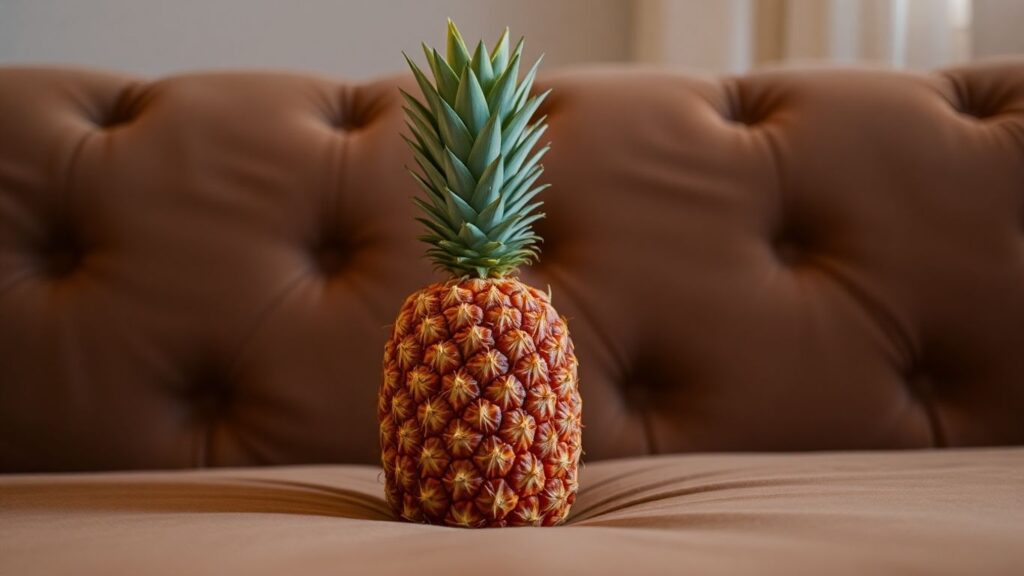
So, you’ve seen the upside-down pineapple, maybe on a cruise ship door, a shopping cart, or even a neighbor’s garden gnome. It’s easy to get caught up in the idea that every pineapple out there is a secret handshake for the lifestyle. But let’s be real, not every tropical print is an invitation to a key party.
Pineapple Prints: Accidental Invitations?
It’s totally possible to just really like pineapples. Maybe you love the tropical vibe, or perhaps you just think they look cool on a t-shirt. Most of the time, a regular, right-side-up pineapple is just a fruit. The real signal comes into play when it’s intentionally flipped. So, if your favorite Hawaiian shirt has a pineapple on it, you’re probably not accidentally signaling anything. Unless, of course, you decide to wear it upside down at a resort known for its… open-minded clientele. Then, maybe, just maybe, you might get some curious glances.
Home Décor That Might Be Talking
Your home is your sanctuary, and you should decorate it however you please. But sometimes, décor choices can unintentionally send messages. That cute pineapple doormat? It might just be a charming welcome. But if it’s upside down, or part of a larger collection of lifestyle-adjacent symbols (think flamingos or specific garden lights), it could be interpreted differently by those in the know. It’s a bit like speaking a secret language without realizing you’re fluent. Most people just see a pineapple, but some will see a potential connection.
Context is Key: When Signals Are Activated
This is where things get interesting. A pineapple symbol’s meaning can change dramatically depending on where and how it’s displayed. On a cruise ship, especially in adult-only areas, an upside-down pineapple is practically a neon sign. In a busy supermarket, it’s likely just a shopper who likes fruit. The same goes for resorts or specific communities known for embracing alternative lifestyles. Outside of these contexts, the pineapple often reverts to its original meaning of hospitality and warmth.
“Swing Towns knows what’s up! Finally a platform where like minded people can connect.” -Cboy6983
Here’s a quick rundown of how context can shift interpretation:
| Location/Context | Right-Side-Up Pineapple | Upside-Down Pineapple | Interpretation Notes |
|---|---|---|---|
| Cruise Ship (Adult Areas) | Tropical decor | Potential signal | High likelihood of being a lifestyle indicator. |
| Supermarket | Just a fruit | Likely just a fruit | Very low likelihood of being a lifestyle indicator. |
| Home Décor (General) | Hospitality, welcome | Ambiguous | Depends heavily on surrounding decor and neighborhood. |
| Resort (Lifestyle Friendly) | Tropical decor | Strong signal | Often used intentionally to find partners. |
| Social Media Profile | Personal preference | Potential signal | Can be used as a subtle indicator of interest. |
The Pineapple’s Mainstream Moment: Visibility and Evolution
It’s pretty wild how a simple fruit has become this… thing. The pineapple’s journey from a symbol of fancy hospitality to a wink-and-nod signal for a specific lifestyle is a testament to how culture shifts and meanings get layered on. What was once a niche code is now popping up everywhere, and honestly, it’s kind of fascinating to see.
Swinging and Ethical Non-Monogamy Today
This whole pineapple thing really took off as more people started talking openly about ethical non-monogamy and swinging. It’s not quite the hushed secret it used to be. You see it reflected in how readily people share their experiences online, in books, and even in mainstream media. The pineapple, in its upside-down form, has become a sort of playful badge for those in the know, a way to connect without making a huge announcement.
- Growing Visibility: The conversation around consensual non-monogamy is louder than ever.
- Community Building: Symbols like the pineapple help create a sense of belonging.
- Playful Recognition: It’s a fun, low-key way to spot like-minded individuals.
From Taboo to Open Conversation
Remember when talking about anything outside the traditional relationship box was a big no-no? Well, things have changed. The pineapple’s rise in popularity mirrors this shift. It’s less about hiding and more about finding your tribe, whether that’s at a resort, on a cruise ship, or even just through online communities. The pineapple has become a marker of this evolving social landscape. It’s a symbol that’s moved from the shadows into a more visible, albeit still coded, space.
“This is an amazing place to explore and experience. The best online platform for swinging.” -Decentfinder
The Pineapple as a Meme and a Marker
Now, the upside-down pineapple is practically a meme. You see it on t-shirts, in social media posts, and on dating apps. It’s a shorthand, a quick way to signal interest or identity. For those outside the lifestyle, it might just look like a quirky tropical decoration. But for those in the know, it’s a subtle nod, a digital handshake. It’s funny how something so simple can carry so much weight, becoming both a pop culture joke and a genuine identifier for a community. It’s a reminder that symbols can evolve and take on new life in unexpected ways, like finding a tropical fruit on your shopping cart and wondering if it means more than just a craving for something sweet.
The Pineapple’s Sweet and Spiky Journey
So, what’s the takeaway from all this pineapple talk? It’s pretty wild how a simple fruit, once a symbol of fancy hospitality, has become this coded wink in pop culture. It shows us how people find ways to connect, especially when they’re part of a group that might not be super mainstream. The upside-down pineapple is like a secret handshake, a way for folks in the lifestyle to spot each other without making a big fuss. Whether you’re seeing it on a cruise ship door, a t-shirt, or even just an emoji, it’s a reminder that symbols can change and mean different things to different people. It’s a bit of fun, a bit of mystery, and definitely a sign that our world of relationships and communication is always evolving. So next time you see that flipped fruit, you’ll know there might be a little more going on than just a love for tropical decor.
Frequently Asked Questions
What’s the big deal with pineapples and swinging?
Pineapples, especially when shown upside down, have become a secret symbol for people who are into swinging or open relationships. It’s like a hidden wink to let others who are also in the lifestyle know they’re not alone. It started as a way to connect discreetly.
Where did this pineapple symbol come from?
Pineapples used to be a symbol of welcome and hospitality a long time ago. But somewhere along the way, especially on cruise ships, people started using the upside-down pineapple as a secret sign for swinging. It’s a fun twist on an old symbol.
Does seeing an upside-down pineapple mean someone is definitely a swinger?
Not always! While it’s a common signal in the swinger community, many people just like pineapples or tropical designs. Context is important. Seeing it on a cruise ship door or in a specific online group might mean more than seeing it on a random t-shirt.
Are there other symbols swingers use?
Yes! Besides the pineapple, other things like flamingos, certain garden gnomes, or even a black ring worn on the right hand can be signals. These symbols help people find others with similar interests without having to announce it to everyone.
Can I accidentally signal I’m a swinger just by decorating my house?
It’s unlikely unless you’re in a place where these symbols are commonly used for that purpose, like certain resorts or RV parks. Most people won’t think twice about pineapple decor. But if you intentionally display an upside-down pineapple, be aware it might get noticed by the right people.
Is the pineapple symbol becoming more common?
Yes, it is. As conversations about different types of relationships, like ethical non-monogamy, become more open, symbols like the upside-down pineapple are getting more attention. It’s become a bit of a pop culture reference and a way for people to connect, whether seriously or just for fun.
When Symbols Go Public – How Hidden Meanings Found the Spotlight
Once a quiet sign among the lifestyle community, the pineapple has made its way into mainstream culture—sometimes with meaning, sometimes by accident. Explore how this playful symbol and others have evolved, blurring the line between private signals and pop culture trends. Join a community that understands the story behind the symbols. Sign up for a free SwingTowns account today and connect with people who share your curiosity, confidence, and sense of fun.
“The best LS site for sure! Real people, easy to navigate, love it!” -Tlove799


