

Online interactions can feel like a whole new language sometimes, right? Especially when you’re trying to connect with people in the swinger community. It’s not always about saying things directly. You’ve got emojis, hashtags, and all sorts of online slang that can mean different things. This guide is here to help you figure it all out, so you can communicate clearly and safely. Think of it as your cheat sheet for the digital swinger scene.
Key Takeaways
- Emojis are more than just pretty pictures; they can be subtle signals in online conversations. Learning common ones and their lifestyle-related meanings can help you understand or send messages without being too direct.
- Hashtags are your map to finding and joining online groups related to the swinger lifestyle. Using them correctly helps you connect with others who share your interests.
- Understanding online lingo, acronyms, and specific terms is important for clear communication. Knowing the slang helps you fit in and avoid misunderstandings.
- Being aware of online privacy and safety is a big deal. Protect your personal info, watch out for red flags, and know how to set boundaries to stay safe.
- Digital signals are the first step to real-world connections. Using profiles, messages, and other online tools effectively can help build relationships, but always stay true to yourself.
Decoding Digital Communication: Emojis and Their Meanings
In the fast-paced world of online interactions, especially within the swinger community, understanding digital signals is key. Emojis, those little pictograms we use daily, are more than just decoration; they’re a vital part of understanding online communication. They add tone, context, and emotion to text that can otherwise fall flat. Mastering their subtle language can make a big difference in how you connect with others.
The Evolution of Emoji Use in Online Interactions
Emojis started as simple smiley faces on early message boards. Now, they’ve exploded into a complex visual language. Think about it: a simple thumbs-up 👍 can mean anything from “okay” to “I agree” to “got it.” The context, and the relationship between the sender and receiver, really matters. This evolution means we’re constantly learning new ways to express ourselves, and sometimes, misinterpretations happen. It’s a dynamic part of how we communicate online, influencing everything from casual chats to more serious discussions about relationships and lifestyle choices. The way we use emojis has changed how we build connections, even impacting how we approach things like voice-based social media [83d4].
Common Emojis and Their Swinger-Adjacent Interpretations
While many emojis have universal meanings, some take on specific nuances within the swinger community. It’s not always about explicit symbols; often, it’s about the implication. Here are a few examples:
- 😉 (Winking Face): Often used playfully, can signal a shared secret, a bit of flirtation, or an inside joke. In a swinger context, it might hint at a shared interest or a discreet understanding.
- 😈 (Smiling Face with Horns): This one is pretty direct. It usually means mischievousness, naughtiness, or a desire for something a bit more adventurous. It’s a clear signal of playful intent.
- 🍆 / 🍑 (Eggplant / Peach): These are commonly understood as suggestive symbols for male and female genitalia, respectively. Their use is usually quite direct and intended to convey sexual interest or readiness.
- 🥂 (Clinking Glasses): While often used for celebrations, in certain contexts, it can imply a toast to a shared experience or a plan being made.
- 🔥 (Fire): This emoji generally means something is hot, exciting, or attractive. In dating or social contexts, it’s a strong indicator of attraction.
It’s important to remember that these interpretations aren’t set in stone. They can vary based on individual users and the specific platform or conversation.
Beyond the Smileys: Emojis as Subtle Signals
Sometimes, the most telling emoji use isn’t the obvious ones. It’s about the pattern or the unexpected use. For instance, someone might consistently use a specific emoji when discussing certain topics, creating a personal code. Or, a lack of emojis where they might be expected could signal disinterest or a more serious tone. Decoding internet slang and emoji meanings in digital chat requires paying attention to these subtle cues. It’s like learning a new dialect. What might seem like a random string of emojis could actually be a coded message or a way to gauge someone’s comfort level. Being aware of these nuances helps in understanding online communication more effectively.
Hashtags: Navigating the Swinger Social Scene Online
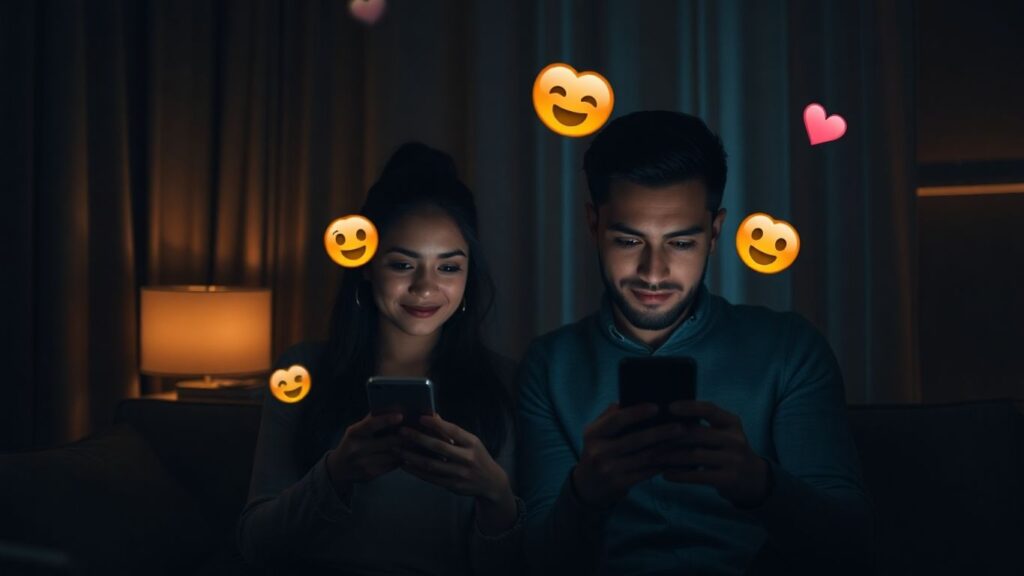
Alright, let’s talk hashtags. These little symbols, #, are more than just a way to categorize posts online. They’re like secret handshakes or coded messages in the swinger community. Using them right can open doors, and using them wrong? Well, it can lead to awkwardness or just get lost in the noise. It’s all part of understanding the language of social media when you’re exploring this lifestyle.
Identifying Relevant Hashtags for the Lifestyle
So, how do you find the right tags? It’s not always obvious. You can’t just slap #swinger on everything and expect magic. Think about what you’re actually looking for or what you want to share. Are you looking for local meetups? Events? Or just connecting with other couples? Different platforms might use slightly different tags too. It’s a bit of trial and error, but here are some common starting points:
- #SwingLifeStyle
- #CouplesSwinging
- #EthicalNonMonogamy
- #OpenRelationship
- #SwingerCouple
- #LifestyleCouple
- #DateNightIdeas (sometimes used playfully)
The key is to look at what others are using and what kind of content pops up when you search them. If you see posts that align with what you’re interested in, that’s a good sign the hashtag is relevant.
Using Hashtags to Connect with Like-Minded Individuals
Once you’ve got a list of tags, it’s time to put them to work. When you post something, use a few relevant hashtags. This makes your profile and your posts discoverable to people who are also using or following those tags. It’s like putting up a sign that says, “Hey, I’m interested in this too!” It’s a simple way to signal your presence and your interests without being overly direct. Think of it as part of the broader online lingo you’ll encounter.
It’s also smart to follow hashtags that interest you. This way, you can see what other people are posting and find new connections. You might discover local groups, upcoming events, or just interesting conversations happening within the community. It’s a great way to get a feel for the vibe and see who’s active.
The Etiquette of Hashtag Usage in Online Communities
There are definitely some unwritten rules when it comes to hashtags. Don’t spam. Using too many hashtags, especially irrelevant ones, can look desperate or spammy, and most platforms will actually penalize your visibility. Stick to a few well-chosen tags per post. Also, be mindful of privacy. Some hashtags are more public than others. If you’re trying to be discreet, stick to more niche or private group tags if possible. It’s all about finding that balance between being visible and being safe. Remember, how to use hashtags effectively is a skill that develops over time, just like navigating social media language in general.
Online Lingo and Slang: A Swinger’s Lexicon
Understanding Common Acronyms and Abbreviations
Navigating the online swinger scene can sometimes feel like learning a new language. There’s a whole set of acronyms and abbreviations that pop up in profiles, messages, and forums. Knowing these terms can help you understand conversations and avoid awkward misunderstandings. It’s not just about knowing what they mean, but also understanding the context in which they’re used.
Here are a few common ones you might see:
- NSFW: Not Safe For Work. This usually means content that’s sexually suggestive or explicit, and you shouldn’t open it if your boss or colleagues might see.
- SFW: Safe For Work. The opposite of NSFW, meaning the content is generally appropriate for a professional environment.
- FF: Female Friend. Sometimes used to refer to a female friend in a platonic sense, but context is key.
- MF: Male Friend. Similar to FF, but for male friends.
- Couple: Refers to a couple who are part of the lifestyle.
- Single F: A single female looking to connect.
- Single M: A single male looking to connect.
- Bi-curious: Someone exploring their attraction to the same gender.
- Hotwife: A term used within the lifestyle to describe a wife who is encouraged and enjoys having sexual encounters with other men, often with her husband’s knowledge and consent.
- Cuckold: While sometimes used negatively, in the swinger context, it can refer to a husband who derives pleasure from his wife having sex with other men.
Navigating Niche Terminology Within the Lifestyle
Beyond the basic acronyms, there’s a whole layer of slang and specific terms that are unique to the swinger community. These terms often describe specific dynamics, preferences, or scenarios. For instance, you might hear about ‘unicorn hunting,’ which refers to a couple looking for a single woman to join them for a threesome. Or ‘soft swap,’ where couples might engage in sexual activity with others but don’t necessarily exchange partners for sex.
It’s also important to understand terms related to consent and boundaries, which are paramount in this lifestyle. Phrases like ‘no means no’ are universally understood, but within the community, you might also encounter terms like ‘safe word’ or ‘check-in,’ which are used to ensure everyone involved is comfortable and consenting throughout an encounter.
“This is the best site we have found! Easy to navigate and easy to make great long lasting memories and friends!” -julwil8182
The Importance of Clear and Respectful Online Language
When you’re communicating online, especially in a space that involves intimacy and relationships, clarity is super important. Misunderstandings can happen easily, and in this context, they can lead to hurt feelings or even dangerous situations. Using clear language helps set expectations and ensures everyone is on the same page.
For example, if you’re looking for a specific type of encounter, be direct about it. Instead of hinting, state your preferences clearly. This saves everyone time and prevents potential confusion. Similarly, when discussing boundaries, be explicit. Don’t assume others know what you’re comfortable with.
Here’s a quick guide to using language respectfully:
- Be Direct: State your intentions and desires clearly. Avoid ambiguity.
- Be Honest: Don’t misrepresent yourself or your intentions.
- Be Respectful: Always use polite language and respect others’ boundaries and preferences.
- Be Mindful of Tone: Online communication lacks non-verbal cues, so be extra careful about how your words might be interpreted.
- Ask Questions: If you’re unsure about something, ask. It’s better to ask than to assume.
Remember, the goal is to build connections based on honesty and mutual respect. Using clear and appropriate language is the first step in doing that.
Privacy and Safety in the Digital Swinger Space

Okay, so we’re talking about the online world, right? It’s exciting, it’s a way to connect, but we gotta be smart about it. Think of it like going to a party – you wouldn’t just hand out your home address to everyone you meet, would you? The internet is kind of the same, but with way more people and a lot less direct supervision.
Protecting Personal Information Online
This is a big one. When you’re setting up profiles or chatting with new people, be mindful of what you’re sharing. Your full name, where you work, your exact location – these are things you might want to keep private, at least until you really know someone. It’s easy to get caught up in the excitement and overshare, but a little caution goes a long way. Think about what information could be used against you or put you in an uncomfortable situation. Maybe use a nickname or a handle that doesn’t directly link back to your everyday life. It’s about creating a safe space for yourself, both online and off.
Recognizing Red Flags and Avoiding Scams
People aren’t always who they seem online. You might run into folks who are just looking to waste your time, or worse, try to scam you. What are some signs? Maybe they’re super pushy about getting personal details right away, or they have a sob story that seems a bit too convenient. Sometimes, profiles look a little too perfect, or they’re very vague about themselves. If something feels off, it probably is. Don’t be afraid to trust your gut. It’s better to be a bit too careful than to end up in a bad situation.
Here are some common red flags to watch out for:
- Vague or incomplete profiles: Lack of details or generic photos can be a sign.
- Pushy behavior: Pressuring you for personal information or to meet up too quickly.
- Inconsistent stories: Details about their life that don’t add up.
- Requests for money or favors: A huge red flag, no matter how convincing the story.
- Refusal to video chat: If they always have an excuse, it might be a sign they aren’t who they say they are.
Setting Boundaries in Digital Interactions
This ties into everything else. You get to decide what you’re comfortable with. If someone is making you feel uneasy, or asking for things you’re not ready to give, it’s okay to say no. You can block people, you can end conversations, and you don’t owe anyone an explanation. Setting clear boundaries from the start helps manage expectations and keeps interactions respectful. It’s about making sure your online experiences are positive and safe for everyone involved.
Remember, the digital world is a tool. Like any tool, it can be used for good or for ill. Your safety and comfort should always be the top priority. Don’t let the desire for connection or excitement override your common sense. Take your time, be observant, and don’t be afraid to step back if something doesn’t feel right.
Building Connections Through Digital Signals

So, you’ve been chatting online, maybe swapping emojis and using the right hashtags. Now what? It’s all about taking those digital sparks and seeing if they can turn into something real. Think of it like this: online profiles and messages are just the first handshake. They give you a peek into someone’s world, their vibe, and what they’re looking for. It’s not just about what people say, but how they say it – the little digital breadcrumbs they leave behind.
From Online Profiles to Real-World Encounters
Moving from a screen to a face-to-face meeting takes a bit of finesse. It’s about building trust and making sure the connection you feel online translates. You want to gauge interest and comfort levels before suggesting a meet-up. Sometimes, a simple “How about we grab a coffee sometime next week?” works. Other times, you might need a few more conversations to feel it out. The goal is to make the transition feel natural, not forced.
The Role of Digital Communication in Relationship Building
Digital tools are pretty amazing for getting to know people, especially when schedules are crazy. You can share little bits of your day, send a funny meme, or just check in. These small interactions add up. They help build a foundation, showing consistency and genuine interest. It’s like tending a garden; you water it regularly with little messages and shared moments.
Here’s a quick look at how different communication styles can play out:
| Style | Digital Impact |
|---|---|
| Direct | Quick, clear, but can sometimes feel abrupt. |
| Playful | Builds rapport, shows personality. |
| Thoughtful | Shows you’re paying attention, builds intimacy. |
| Infrequent | Can lead to feeling forgotten or less important. |
Maintaining Authenticity in Your Online Persona
This is a big one. Be yourself. It sounds simple, but in the online world, it’s easy to put on a show. People can usually tell when something feels off. So, let your real personality shine through. Share your actual interests, your quirks, and your genuine thoughts. Authenticity is what makes connections last.
“Swing towns is my go to dating app. I just joined but truly am in love with swingtowns” -Th3gi4nt
Wrapping It Up
So, we’ve talked about how little symbols and short phrases can say a lot online. It’s not just about sending a message, it’s about how you send it. Whether it’s a smiley face or a specific hashtag, these digital cues help us understand each other better, sometimes without even saying much. It’s kind of like learning a new language, but for the internet. Keep an eye out for these signals, and maybe even start using them yourself. It makes online chats and posts feel a bit more human, you know?
Frequently Asked Questions
What are emojis and how do they help in online conversations?
Emojis are like little pictures or icons we use in texts and online chats. They help show feelings or ideas quickly. For example, a smiley face emoji 😊 can show you’re happy, and a wink 😉 can mean you’re joking or being playful. They add a bit of personality to messages that might otherwise seem plain.
How can hashtags be useful for people in the swinger lifestyle?
Hashtags, like #SwingLife or #CouplesLifestyle, are words or phrases with a ‘#’ symbol before them. They help group posts together online. For people in this lifestyle, using these hashtags makes it easier to find others who share similar interests or are looking to connect within the community. It’s like a digital meeting spot.
What’s some common online slang people in the swinger community might use?
There’s a lot of online lingo! You might see terms like ‘NSFW’ (Not Safe For Work) which means something is adult-themed. People might also use acronyms like ‘MFF’ (Male, Female, Female) or ‘MMF’ (Male, Male, Female) to describe relationship dynamics. It’s always good to learn these terms to understand conversations better.
Why is online privacy important for swingers?
When you’re exploring the swinger lifestyle online, keeping your personal information private is super important. You don’t want strangers knowing too much about your real life, like your full name or where you live. Being careful helps protect you from unwanted attention or potential risks.
How can I tell if someone online is genuine and not a scammer?
It’s smart to be cautious. Look out for profiles that seem too good to be true or people who ask for money or personal details too quickly. If someone’s story doesn’t add up or they avoid answering simple questions, it might be a red flag. Trust your gut feeling!
What’s the best way to move from online chats to real-life meetings?
When you feel comfortable with someone you’ve met online, suggest a casual, public meeting first, like for coffee. This lets you see if you click in person. Always let a trusted friend know where you’re going and who you’re meeting. Safety and clear communication are key every step of the way.
Winks, Tags, and Texts – Where Digital Flirting Turns into Real Connection
Online spaces have their own secret language, and knowing the right emojis and hashtags can open the door to new connections. Learn how swingers use digital signals to express interest, set boundaries, and find like-minded people safely. Join a fun, respectful community where every message can spark something exciting. Sign up for a free SwingTowns account today and start exploring the digital side of desire.
“So far it’s been a fun way to connect with like minded people. In a open, judgement free environment. Lots of people to get to know.” -StaggerinVixen86


