
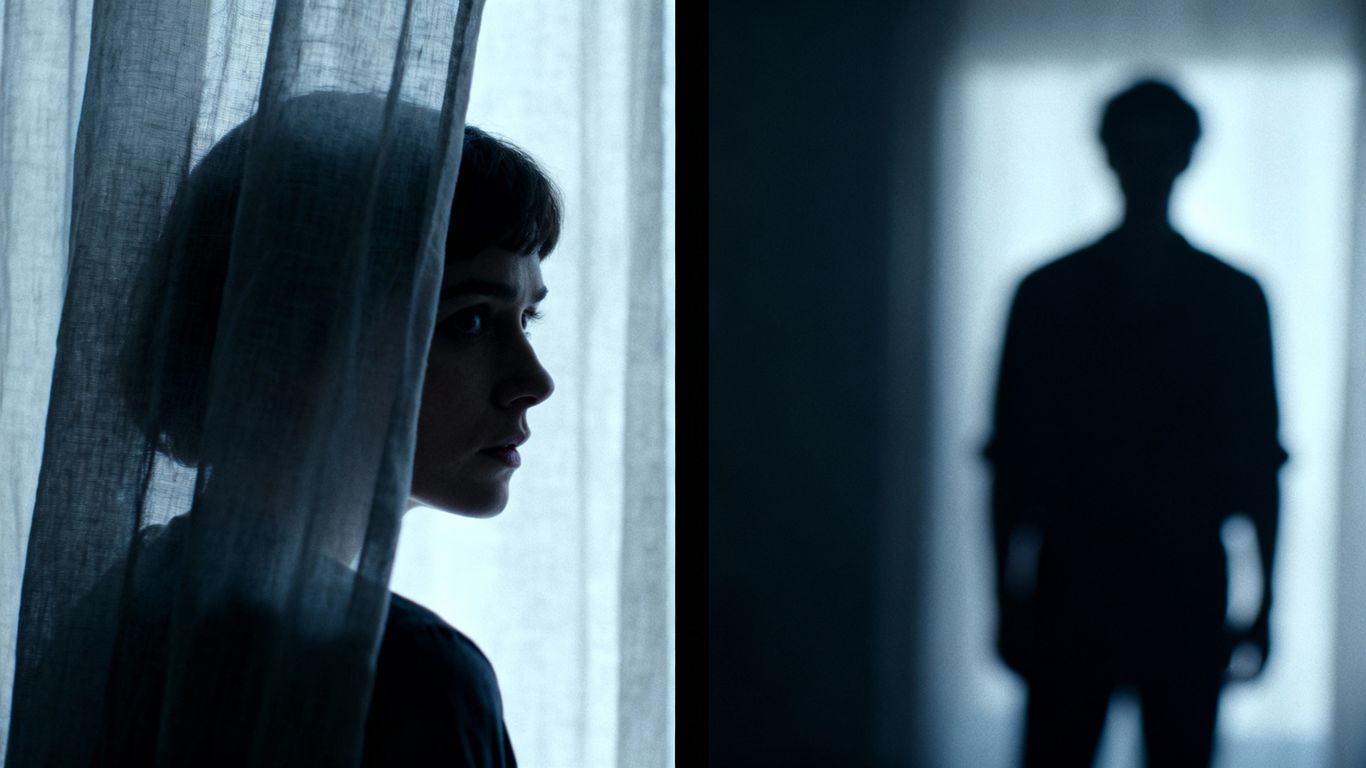
It seems like everyone has their own little quirks when it comes to what turns them on. Some people get turned on by being watched during intimate moments, while others feel the thrill when they’re the ones watching. These are the two sides of desire we’re talking about: exhibitionism and voyeurism. While they might sound different, they often go hand-in-hand, and understanding them is key to exploring your own sexuality, and that of others, safely and respectfully. Let’s break down Exhibitionism vs. Voyeurism: Two Sides of the Same Desire.
Key Takeaways
- Exhibitionists feel aroused when others watch them, while voyeurs find desire in the act of watching—and together, they form an intense connection.
- Both exhibitionism and voyeurism are common fantasies and can be normal, healthy parts of sexuality when they involve consenting adults.
- Consent is the absolute most important factor when exploring exhibitionism or voyeurism; non-consensual acts are illegal and harmful.
- Practicing exhibitionism can involve fantasies, public displays (with consent), sharing photos/videos, or participating in specific communities.
- If exhibitionist or voyeuristic urges start to feel compulsive or disrupt your life, reach out to a mental health professional for help.
Understanding Exhibitionism vs. Voyeurism
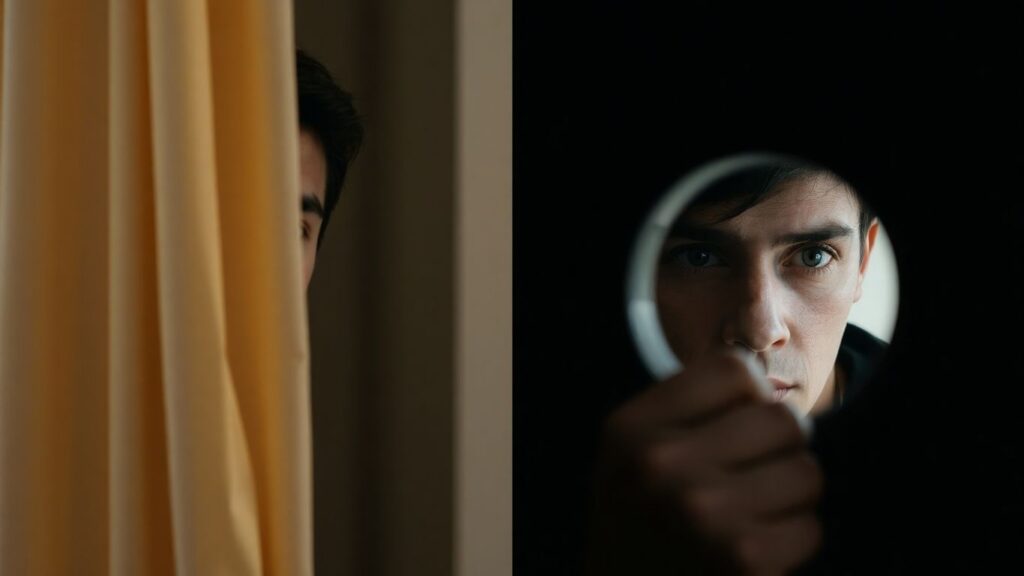
Defining Exhibitionism: The Thrill of Being Seen
So, what exactly is exhibitionism? At its core, exhibitionism involves finding sexual excitement in the idea that someone is watching—or actually watching—while you’re naked or having sex.
It’s a desire to perform, to be the center of attention in a very specific, intimate way. This isn’t about flashing strangers; that’s a different, non-consensual act. Healthy exhibitionism, the kind we’re talking about here, is all about consent and shared fantasy. It’s a common fantasy, too. Studies show a pretty large percentage of people fantasize about having sex in unusual places or where others might see them. It really exists on a spectrum, and most of us probably have a little bit of that exhibitionist streak in us somewhere.
Defining Voyeurism: The Pleasure of Observing
Now, let’s flip the coin and talk about voyeurism. This is the flip side of the exhibitionist coin, where the arousal comes from watching others. It’s the pleasure derived from observing someone undress, be naked, or engage in sexual acts. Like exhibitionism, it’s a pretty common interest. The entertainment industry, for example, thrives on this dynamic – people love to watch performers, and performers love to be watched. When done with consent, voyeurism is a perfectly normal and healthy sexual interest. It’s about the thrill of observation, of being a secret witness to intimacy.
The Intertwined Nature of Exhibitionism and Voyeurism
It’s fascinating how exhibitionism and voyeurism often go hand-in-hand. They’re like two sides of the same coin, really. One person’s desire to be seen can be another’s desire to watch. This creates a dynamic where both parties can get off on the shared experience. The key here, for both exhibitionism and voyeurism, is consent. Without it, it crosses a line. When consent is present, though, it can be a really exciting way for partners to explore their desires together. The psychology of exhibitionism and the desire for being watched versus watching are deeply connected, forming a complex interplay of arousal and satisfaction.
Here’s a quick look at the core difference:
| Aspect | Exhibitionism | Voyeurism |
|---|---|---|
| Focus | Being watched | Watching others |
| Arousal | From the act of being observed | From observing others |
| Role | The performer, the one seen | The observer, the secret witness |
“The best LS site for sure! Real people, easy to navigate, love it!” -Tlove799
The Spectrum of Exhibitionist Desires
So, you’re curious about exhibitionism? It’s a pretty common turn-on, honestly. Think about it – lots of us have fantasies about being watched, right? It’s not always about full-on public displays; it can be much subtler. The key thing to remember is that this desire exists on a wide spectrum, and for most people, it’s a perfectly normal part of their sexuality. It’s a far cry from the disorder, which involves non-consensual exposure and often distress. Healthy exhibitionism is more about the thrill and excitement of being seen by someone who wants to see you.
Defining Exhibitionism: The Thrill of Being Seen
At its core, exhibitionism is about sexual arousal derived from the idea, or the act, of being observed. This could range from a partner watching you masturbate to a more elaborate scenario. It’s about the attention, the feeling of being the center of someone’s gaze, and the added layer of excitement that brings. The fantasy of being watched is incredibly widespread. Studies show a huge percentage of people fantasize about having sex in public or unusual places. It taps into a primal part of us, perhaps, the desire to be noticed and desired.
Exhibitionism as a Common Fantasy
Let’s be real, the idea of being seen can be a huge turn-on. It’s not just a fringe kink; it’s something many people experience in their minds. This can manifest in various ways:
- Fantasizing about being watched during sex or while naked.
- Enjoying intimate moments with a partner where you know you’re being observed.
- Getting a thrill from public displays of affection (PDA) that might feel a bit daring.
- Sharing intimate photos or videos with a trusted partner.
These fantasies are often just that – fantasies. But for some, they can be a gateway to exploring more direct forms of exhibitionism, always with consent, of course.
Healthy Exhibitionism vs. Disorder
It’s super important to draw a line between a consensual kink and a disorder. People with exhibitionistic disorder experience recurrent, intense arousal from exposing themselves to unsuspecting strangers, which often causes distress or problems in daily life. Healthy exhibitionism, on the other hand, is all about mutual consent and shared pleasure. It’s a consensual exploration of desire, not an act that causes harm or distress to others. Think of it like this:
“Great community in here!!! Lots of beautiful people. Swingtowns has helped connect with so many new friends, love it!!!!” -2x2more
Exploring Exhibitionist Tendencies Safely
If you’re feeling drawn to exhibitionism, the best way to explore it is through open communication and gradual steps. Start with fantasies, talk them through with your partner, and maybe try incorporating elements into your private sex life. Sharing intimate pictures or videos with a consenting partner is a common and relatively safe way to start. For those interested in more, exploring communities like swingers’ clubs or attending sex-positive parties can offer opportunities to engage with others who share similar interests, always prioritizing safety and consent above all else. Remember, it’s about what feels good and exciting for everyone involved, not about pushing boundaries without agreement. And always be mindful of the law; public indecency is a real thing and can have serious consequences.
The Nuances of Voyeuristic Interests
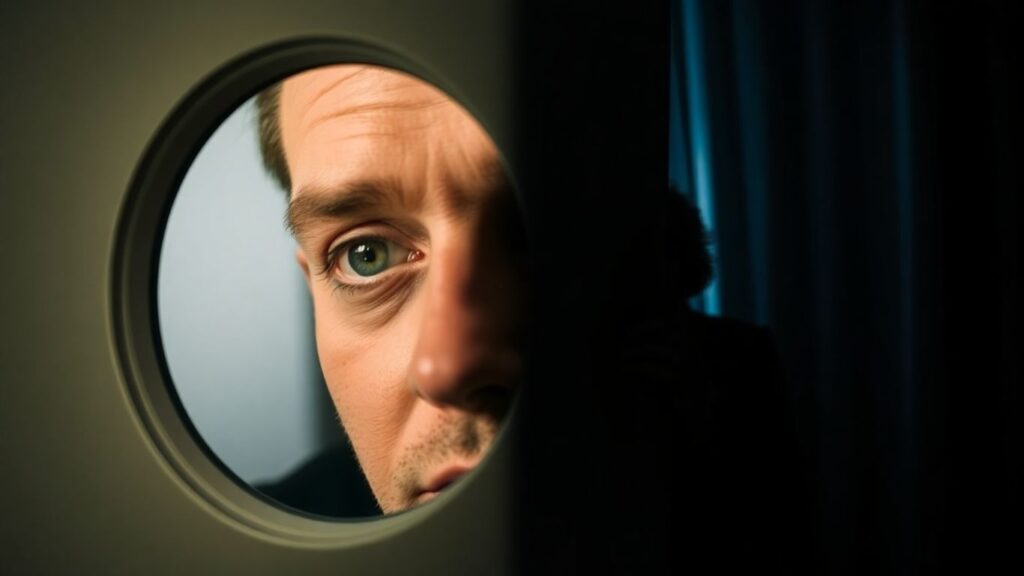
Voyeurism might seem straightforward, but it’s actually pretty layered once you start looking closely. Getting to the heart of voyeuristic tendencies explained means examining where curiosity turns into something more, the history behind secret watching, and how gender might shape these interests.
Voyeurism: A Deep Look at Observation
When someone gets turned on by watching others who haven’t given permission, that’s classic voyeurism. But it can also just mean really enjoying seeing something private or intimate, not always in a sexual way. For many, the excitement is less about what’s seen and more about the hidden nature of the act itself. Some common feelings involved include:
- The rush of catching a moment not meant for public eyes
- Wanting to feel connected with the observed person, even if from a distance
- A sense of secret adventure
Voyeurism doesn’t always play out in the bedroom; it sneaks into everyday curiosity, too. Think people-watching in a café or reality TV obsessions—these can be soft forms of the same curiosity.
Historical and Cultural Perspectives on Voyeurism
Voyeurism isn’t just a modern thing. It’s been around for centuries, from the peep shows of Parisian brothels in the 1800s to myths like Lady Godiva and Peeping Tom. Over time, the meaning of voyeurism broadened. Now, it’s not just about peeking through keyholes—it includes everything from gossip to social media lurking.
Here’s a quick look at how voyeurism has changed:
| Era | Typical Expression | Public Attitude |
|---|---|---|
| 19th Century | Peep shows, brothels | Mostly taboo, secretive |
| 20th Century | Movies, print media, fiction | Somewhat normalized |
| Today | Reality TV, online cams, social media | Mainstream, often legal |
“Swingtown is so great in am having so much fun and it’s the best site to visit and enjoy. The people are so friendly.” -JS12
Gender Differences in Voyeuristic Engagement
You’ll hear a lot about men being more into voyeurism, but the numbers can surprise you. Studies show men are more likely to admit to feeling aroused by voyeuristic acts and might act on these urges a bit more. That said, women also report interest, but perhaps are less likely to act unless the conditions feel safer or more private. When risk gets involved (like getting caught), both men and women usually back off to a similar degree.
A few key points about gender and voyeurism:
- Men more often report mild or moderate arousal from voyeurism
- Women are less likely to act on these urges if the risk of discovery is high
- Cultural shifts are narrowing the gap in reported interest between genders
The short version? Voyeuristic tendencies explained: anybody can feel curiosity about others’ private moments—how they respond depends a lot on personality, opportunity, and what seems socially acceptable.
Consent: The Cornerstone of Ethical Exploration
Consent is what makes everything in exhibitionist and voyeuristic play either exciting or problematic. Without it, this kind of exploration doesn’t just lose its thrill—it can cross into hurtful, illegal territory.
Why Consent is Non-Negotiable
Consent isn’t just nice to have—it’s the line between healthy fun and causing harm. Whether you’re someone who gets a kick out of being watched or someone who enjoys watching, all parties must openly agree to what’s happening. This applies no matter how tame or wild things get. There’s no such thing as “implied” permission, especially with sexual activities, and making assumptions can quickly lead to trouble.
Why It Matters:
- Protects everyone’s sense of safety and trust
- Reduces the chance of regret or trauma
- Keeps activities within legal boundaries
Consent should be spoken or clearly written, especially for things like sending photos or streaming videos. Without that clear “yes,” it’s best to put the brakes on.
Navigating Consent in Digital and Physical Encounters
The internet has made it even easier to cross boundaries without meaning to. Unsolicited nudes, sneaky recordings, and sharing personal videos without someone’s OK? That’s a hard no—every single time.
Here’s how to keep it above-board:
- Always ask first—even if you’ve shared before, check in again.
- Discuss boundaries (for example: what’s okay to show, who sees it, and when).
- Use privacy features and secure apps if sharing digital content.
- In person, read body language and check in verbally.
- Respect a “no” or silence as a definite answer.
| Setting | Consent Check Example |
|---|---|
| Text/DM | “Is it okay if I send this?” |
| Video call | “Would you like to watch this with me?” |
| In-person play | “Are you comfortable with this here and now?” |
| Posting online | “Can I share this video with our group?” |
“We are very excited to have joined Swing Towns. We have already chatted and met some fun people. We look forward to meeting many more friends and having a great time making new connections.” –
IzzyBlossomKatee
The Legal and Ethical Implications of Non-Consent
Stepping over consent isn’t just a broken promise; it might mean breaking the law. Acts like public nudity or spying without consent can lead to criminal charges, public embarrassment, or placement on a sex offender registry.
Common legal and ethical red flags:
- Filming or photographing someone without their knowledge
- Sharing intimate images without agreement (sometimes called revenge porn)
- Peeping, spying, or watching in a way that invades privacy
- Public acts in places where exposure is illegal or others haven’t agreed
Legal rules change depending on where you live, but the golden rule holds up almost everywhere: get enthusiastic consent. If you’re unsure if something’s okay, just ask—or don’t do it at all.
If you ever mess up, own it, apologize, and learn. Consent isn’t about paperwork—it’s about respect, honesty, and keeping trust front and center.
Practicing Exhibitionism and Voyeurism Responsibly
So, you’re curious about exploring exhibitionism and voyeurism, huh? It’s completely normal to feel aroused by watching others or by having someone watch you—so long as everyone involved agrees and feels comfortable. The key here, like with so many things in life, is consent. Without it, things can go from exciting to problematic really fast.
Exploring Exhibitionism Through Various Mediums
There are a bunch of ways to dip your toes into exhibitionism. You can start small, maybe by sharing a suggestive photo with a trusted partner or trying a little public display of affection that feels a bit daring. For those looking for a bigger audience, platforms like OnlyFans exist, allowing you to share content professionally, whether for personal pleasure or profit. Some people find that attending events like swinger clubs or specific resorts where exhibitionism is welcomed can be a way to explore these desires in a more structured environment. The most important thing is to be clear about boundaries and ensure everyone participating is fully aware and consenting.
Finding Communities for Shared Kinks
Sometimes, connecting with others who share similar interests can make the experience feel safer and more enjoyable. This could mean finding online forums, attending local kink-friendly events, or joining groups that focus on exhibitionism and voyeurism. These communities can offer support, advice, and a space to connect with like-minded individuals. Remember, finding your people can make a big difference in how you explore your desires. It’s about finding a place where you feel understood and can express yourself openly, within consensual boundaries, of course. You can find resources and discussions about ethical kink practices at places that discuss sexual health.
The Importance of Self-Pacing and Aftercare
When you’re exploring exhibitionism or voyeurism, it’s really easy to get caught up in the excitement. But it’s super important to go at your own pace. What feels good one day might feel like too much the next, and that’s okay. Pay attention to your own feelings and don’t push yourself beyond what you’re comfortable with. Also, think about aftercare. After an intense experience, whether you were the one performing or observing, you might feel a bit drained or emotionally raw. Having a plan for aftercare, like talking things through with your partner, doing a relaxing activity, or just having some quiet time, can make a huge difference in how you process the experience. It’s about making sure you feel supported and grounded after the thrill wears off.
“I recommend swingtowns because it’s the first site that even as a free profile you can still connect with ppl. I have since upgraded to lifetime but me and my wife have met some really fun cpls since we started on this site so we fully recommend swingtowns.” -TheRowan
When Desires Become Problematic
Sometimes, what starts as a private fantasy or a consensual exploration can begin to feel like it’s taking over. It’s like a song you can’t get out of your head, but instead of a catchy tune, it’s a persistent urge. When exhibitionist or voyeuristic desires start to feel compulsive, interfering with daily life, relationships, or work, that’s a sign things might be getting out of hand. It’s not about judging the desire itself, but about recognizing when it starts to cause distress or harm.
Recognizing Compulsive Behaviors
So, how do you tell if it’s just a strong interest or something more compulsive? Often, it’s about the loss of control. You might find yourself acting on urges even when you know it’s not a good idea, or perhaps you’re spending an excessive amount of time thinking about or planning these activities. It can feel like a powerful drive that’s hard to resist, similar to how someone might feel with other compulsive behaviors. The key is when these urges start to dictate your actions, rather than you dictating your actions.
- Persistent Urges: The desire to expose oneself or observe others becomes a constant thought, difficult to push aside.
- Acting Against Better Judgment: Engaging in exhibitionist or voyeuristic acts despite knowing the potential negative consequences.
- Escalation: The intensity or frequency of the urges and behaviors increases over time.
The Impact on Relationships and Well-being
When these behaviors become compulsive, they can really put a strain on your life. Relationships can suffer because trust might be broken, or partners might feel uncomfortable or unsafe. You might also experience increased anxiety, guilt, or shame, which can really wear you down. It’s a tough cycle to be in, and it’s important to acknowledge the toll it can take on your overall well-being. Sometimes, these behaviors can even lead to legal trouble if they involve non-consensual acts, which is a serious concern for anyone involved. It’s important to remember that exhibitionism can become problematic if it interferes with your life.
Seeking Professional Guidance for Compulsive Patterns
If you’re finding that your exhibitionist or voyeuristic desires are becoming overwhelming and negatively impacting your life, reaching out for help is a really brave and smart step. Talking to a therapist or counselor who specializes in sexual health can make a huge difference. They can help you understand the root of these compulsive patterns and develop strategies to manage them in a healthy way. It’s not about stopping desire altogether, but about regaining control and ensuring your desires don’t cause harm to yourself or others. There are ways to work through these challenges and find a healthier balance.
“Swing Towns knows what’s up! Finally a platform where like minded people can connect.” -Cboy6983
Wrapping Up Exhibitionism and Voyeurism
We’ve explored exhibitionism and voyeurism, and it’s clear they connect like two sides of the same coin. One person feels aroused by being watched, while the other feels turned on by watching. These desires are common, and when everyone involved gives consent and feels comfortable, they fall well within the range of healthy sexual expression. The big thing to remember is consent. Whether you’re the one showing or the one looking, making sure everyone’s on board is super important. It’s not about forcing anything on anyone; it’s about shared excitement. If these desires ever feel overwhelming or start causing problems in your life, talking to a professional is a good idea. But for many, exploring these kinks safely can be a way to add some spice and connection.
Frequently Asked Questions
What’s the difference between exhibitionism and voyeurism?
Exhibitionism is when someone gets turned on by the idea of others watching them, especially when they’re naked or doing something sexual. Voyeurism is the opposite: it’s getting excited by secretly watching others who are naked or having sex. They’re like two sides of the same coin, and they often go together.
Is it normal to fantasize about being watched or watching others?
Yes, it’s very common! Many people fantasize about being watched during sex or about watching others. These thoughts are normal and healthy as long as they stay as fantasies or involve people who have agreed to participate.
When does exhibitionism become a problem?
Exhibitionism becomes a problem when someone acts without consent—when the person they expose themselves to hasn’t agreed to participate. It can also turn harmful when the desire to be watched grows so strong that it creates distress or disrupts daily life, relationships, or work.
How can I explore exhibitionism safely?
The most important rule is consent. Always make sure everyone involved knows what’s happening and agrees to it. Start exploring these fantasies privately with a trusted partner, by writing about them, or by sharing content on platforms that prioritize consent and respect boundaries.
Can exhibitionism and voyeurism be practiced together?
Absolutely! Since exhibitionism is about being watched and voyeurism is about watching, they naturally complement each other. An exhibitionist can get pleasure from performing for a voyeur, and the voyeur gets pleasure from watching. This works best when both people enthusiastically consent.
What if my exhibitionist desires feel compulsive?
If your urge to be watched starts to feel overwhelming, causes distress, or disrupts your life, reach out to a mental health professional for help. A therapist or counselor specializing in sexual health can help you understand these feelings and develop healthy coping strategies.
Two Perspectives, One Desire – Where Watching and Being Seen Connect
Exhibitionism and voyeurism share a fascinating link—each thrives on visibility, curiosity, and connection. One focuses on the thrill of being seen, while the other draws excitement from watching. When partners explore both sides with consent, they build deep intimacy rooted in trust, respect, and mutual desire. Discover a welcoming community that celebrates these dynamics safely and openly. Sign up for a free SwingTowns account today to meet others who share your curiosity and explore both sides of the same desire.
“Swing towns is my go to dating app. I just joined but truly am in love with swingtowns” -Th3gi4nt


