

In today’s world, discussing sex is still a challenging topic for many. Despite being a natural part of life, sexuality is often a topic shrouded in shame and silence during conversations. This article aims to break down those barriers and explore why talking about sex is more important than ever. By addressing the taboos surrounding this subject, we can create a healthier and more informed society.
Key Takeaways
- Keeping sex talk secret leads to misinformation and shame.
- Cultural beliefs heavily influence our views on discussing sex.
- Open conversations about sex can improve safety and health.
- Initiatives and movements are making strides in breaking taboos.
- Technology plays a big role in shaping how we talk about sex.
The Issue with Keeping Sex Talk Secretive
It’s kind of wild how little we openly discuss sex, right? It’s a pretty big part of life, but it’s often shrouded in secrecy. This silence isn’t just awkward; it actually causes problems. When we don’t talk openly about sex, we create an environment where misinformation thrives, shame festers, and people might not get the information they need to make healthy choices. It’s like we’re all walking around with a blindfold on, trying to figure things out in the dark.
Understanding the Impact of Silence
When sex is a taboo topic, it’s hard to get accurate information. This can lead to a lot of confusion and anxiety, especially for young people. The lack of open discussion means people often rely on unreliable sources, like the internet or their friends, which can perpetuate myths and misconceptions. It’s like trying to build a house with a bad blueprint – things are bound to go wrong. We need to create spaces where people feel comfortable asking questions and getting honest answers. This is key to child sexual abuse prevention.
The Role of Shame in Sexual Conversations
Shame is a huge barrier to open and honest conversations about sex. When people feel ashamed of their bodies, their desires, or their experiences, they’re less likely to seek information or ask for help. This shame often stems from societal messages that equate sex with something dirty or wrong. It’s like we’re taught to believe that sex is something to be hidden, rather than celebrated as a natural and healthy part of life. Overcoming sexual stigma is essential for creating a more sex-positive society.
Consequences of Misinformation
The consequences of misinformation about sex can be pretty serious. It can lead to unsafe sexual practices, unplanned pregnancies, and the spread of STIs. It can also affect people’s self-esteem and their ability to form healthy relationships. When people don’t have access to accurate information, they’re more vulnerable to exploitation and abuse. It’s like sending someone into a maze without a map – they’re likely to get lost and hurt along the way.
“Swing towns is my go to dating app. I just joined but truly am in love with swingtowns” -Th3gi4nt
Here are some of the consequences of misinformation:
- Higher rates of STIs
- Increased risk of unplanned pregnancies
- Difficulty communicating with partners
- Lower self-esteem and body image
Why Is Talking About Sex So Taboo?

It’s a question that’s been asked for ages: why is something so natural, so fundamental to human existence, so often shrouded in secrecy and shame? There isn’t one simple answer, but rather a complex web of cultural norms, fears, and societal expectations that contribute to this taboo.
Cultural Influences on Sexual Discourse
From a young age, we’re often taught, directly or indirectly, that sex is something to be kept private, something not to be discussed openly. This can stem from religious beliefs, family values, or broader cultural attitudes. These influences shape our perceptions of sexuality and dictate what is considered appropriate or inappropriate to talk about. Think about how different cultures approach sex education, or the varying levels of openness about sexuality in different communities. It’s clear that culture plays a huge role in shaping our comfort levels with sexual discourse.
Fear and Stigma Surrounding Sexuality
Fear plays a major role—fear of being judged, labeled as promiscuous, or simply not knowing enough. This fear is often fueled by stigma – the negative attitudes and beliefs associated with certain sexual behaviors or identities. For example, the stigma surrounding STIs can prevent people from getting tested or seeking treatment, and it definitely stops people from talking about sexual health openly. It’s a vicious cycle: the more we avoid talking about sex, the more fear and stigma persist.
The Intersection of Gender and Sexual Identity
Sexuality isn’t just about the act itself; it’s deeply intertwined with gender and sexual identity. Society often imposes rigid expectations about how men and women should behave sexually, and these expectations can be incredibly limiting and harmful. Furthermore, the LGBTQIA+ community often faces discrimination and prejudice, which can make it even more difficult to have open and honest conversations about sex. The fear of judgment or rejection can be a powerful deterrent, leading to silence and isolation. It’s important to recognize that sexual development is a journey, and everyone’s experience is unique.
“Great community in here!!! Lots of beautiful people. Swingtowns has helped connect with so many new friends, love it!!!!” -2x2more
The Benefits of Talking About Sex
Promoting Safer Sexual Practices
Talking about sex isn’t just about awkward conversations; it’s about keeping people safe. The importance of discussing sexuality can’t be overstated when it comes to preventing STIs and unplanned pregnancies. When people feel comfortable discussing their sexual health, they’re more likely to get tested, use protection, and communicate their needs and concerns. It’s a direct line to healthier outcomes for everyone involved.
- Open communication reduces the spread of STIs.
- It allows for informed decisions about contraception.
- It encourages regular sexual health check-ups.
“Swingtown is so great in am having so much fun and it’s the best site to visit and enjoy. The people are so friendly.” -JS12
Enhancing Self-Image and Confidence
Sex can be a source of anxiety and insecurity for many. But when we talk openly about it, we start to dismantle the shame and stigma that often surrounds it. This can lead to a more positive self-image and increased confidence, both in and out of the bedroom. couples’ therapy can help facilitate these conversations.
- Talking about sex helps normalize different experiences and desires.
- It allows individuals to explore their sexuality without judgment.
- It fosters a sense of self-acceptance and empowerment.
Fostering Healthy Relationships
Good communication is the bedrock of any strong relationship, and that includes the sexual aspect. Being able to talk openly and honestly about sex with a partner can deepen intimacy, build trust, and create a more fulfilling connection. It’s about understanding each other’s needs, desires, and boundaries, and working together to create a mutually satisfying experience. Empowering sexual education is key to this.
- Open communication improves sexual satisfaction.
- It strengthens emotional intimacy and connection.
- It allows for better understanding of each other’s needs and desires.
| Aspect | Benefit |
|---|---|
| Communication | Increased intimacy and trust |
| Understanding | Mutual satisfaction and respect |
| Shared Exploration | Enhanced sexual experiences together |
Breaking the Silence: Initiatives and Movements
It’s easy to feel like you’re alone in wanting to talk openly about sex, but the good news is, you’re not! There are tons of groups and movements working to break down the stigma and get these conversations started. These initiatives are super important for creating a more sex-positive and informed society.
Grassroots Organizations Leading the Charge
There are so many amazing grassroots organizations out there, working at the local level to change the way we talk about sex. These groups often focus on specific communities or issues, like domestic and sexual violence, providing resources and support where it’s needed most. They might host workshops, run support groups, or advocate for better sexual health education in their communities. It’s really inspiring to see people taking action and making a difference from the ground up.
Educational Programs in Schools
One of the biggest challenges is getting accurate and comprehensive sex education into schools. A lot of schools still rely on outdated or incomplete curricula, which can leave young people with a lot of questions and misinformation. Some programs are working to change that, by advocating for better policies and providing teachers with the resources they need to have open and honest conversations with their students. It’s not always easy, but it’s so important for helping young people make informed decisions about their sexual health and relationships.
Media Representation and Its Impact
The way sex is portrayed in the media can have a huge impact on our attitudes and beliefs. For a long time, sex was either completely absent from mainstream media or it was sensationalized and unrealistic. But things are starting to change, with more shows and movies featuring diverse and realistic portrayals of sex and relationships. This can help to normalize conversations about sex and challenge harmful stereotypes. It’s not perfect, but it’s a step in the right direction. Media representation can be a powerful tool for shaping public opinion and promoting a more sex-positive culture.
“I recommend swingtowns because it’s the first site that even as a free profile you can still connect with ppl. I have since upgraded to lifetime but me and my wife have met some really fun cpls since we started on this site so we fully recommend swingtowns.” -TheRowan
Navigating Conversations About Sex
It’s no secret that talking about sex can feel awkward. But it doesn’t have to be! With the right approach, you can have open, honest, and even comfortable conversations about sex. It’s all about creating a safe space and knowing how to steer the discussion.
Tips for Open and Honest Discussions
Having open talks about sex starts with a few key things:
- Be direct: Don’t beat around the bush. Use clear and simple language.
- Listen actively: Pay attention to what the other person is saying, and show that you’re engaged.
- Be respectful: Even if you disagree, treat the other person with kindness and understanding.
“Swing Towns knows what’s up! Finally a platform where like minded people can connect.” -Cboy6983
Creating Safe Spaces for Dialogue
Safe spaces are essential for conversations about sexual health. Here’s how to make them:
- Choose the right time and place: Pick a time when you both feel relaxed and comfortable.
- Establish ground rules: Agree on what’s okay to talk about and what’s off-limits.
- Respect boundaries: If someone says they’re not comfortable with a topic, respect that.
Addressing Discomfort and Resistance
Not everyone is going to be thrilled to talk about sex. Here’s how to handle discomfort or resistance:
- Acknowledge their feelings: Let them know that it’s okay to feel uncomfortable.
- Explain why it’s important: Help them understand why you want to have the conversation.
- Be patient: Don’t push too hard. Give them time to process and adjust.
Remember that open communication is key to healthy relationships and a positive sexual experience. It’s worth the effort to overcome the initial awkwardness and create a space where you can talk openly and honestly.
The Role of Technology in Sexual Discourse
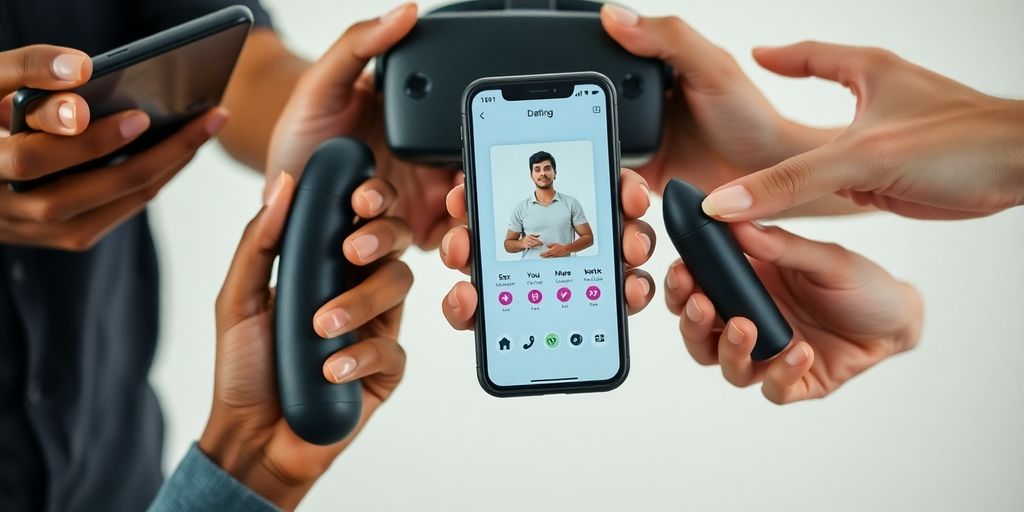
Technology has completely changed how we talk about sex. It’s not just face-to-face anymore; a lot of it happens online now. This has good and bad sides, of course. It’s easier to find information, but it’s also easier to spread misinformation.
Online Platforms for Sexual Education
There are tons of websites and platforms dedicated to sexual education. Some are great, offering accurate and inclusive information. Others? Not so much. It’s really important to check the source and make sure the information is coming from a reliable place. You can find information about everything from STIs to pleasure to relationships. The problem is sorting through it all to find what’s actually helpful and true.
Social Media’s Influence on Sexual Norms
Social media plays a huge role in shaping what we think is “normal” when it comes to sex. Influencers, celebrities, and even our friends post about their experiences, which can influence our own views and expectations. This can be positive, like normalizing conversations about consent or body positivity. But it can also be negative, like promoting unrealistic standards or harmful stereotypes. It’s a mixed bag, for sure.
Apps and Resources for Sexual Health
There are so many apps now that can help with sexual health. You can track your period, find information about contraception, or even get tested for STIs. Some apps even offer virtual consultations with doctors. It’s pretty amazing how much is available right at your fingertips. But again, it’s important to choose apps that are trustworthy and protect your privacy.
“I am enjoying swingtown and the way it is run. Hope to meet some great people who enjoy healthy sexy fun together. Life is tooo short not to.” -teaser71902
Here’s a quick look at some common types of apps:
- Period trackers
- Contraception reminders
- STI testing locators
- Telehealth services
Challenging Norms: The Future of Sexual Conversations

Evolving Attitudes Towards Sexuality
Attitudes are definitely changing, but it’s not a straight line. There’s progress, then backlash, then more progress. It feels like we’re slowly chipping away at old ideas. It’s important to recognize that different generations have very different views, and that can cause friction, but also opportunities for learning. The key is to keep the conversation going, even when it’s uncomfortable.
The Importance of Inclusivity in Discussions
If we’re not including everyone, what’s the point? Sexual conversations need to be a space where all identities and experiences are valued. That means actively listening to and amplifying voices that have been historically marginalized. It’s not just about tolerance; it’s about genuine understanding and respect. We need to be aware of our own biases and work to create a truly inclusive dialogue. For example, sexual wellness business should be inclusive.
Vision for a Sex-Positive Society
Imagine a world where sex is viewed as a normal, healthy part of life. A space where people feel free to express their desires, needs, and boundaries without shame or fear. A community with comprehensive, accessible education for everyone. A culture that values pleasure just as much as safety and consent. It’s a big dream, but it’s possible if we keep [breaking down sexual barriers].
“I’ve been looking for a fun community who share the same interests as I do, and most have failed to meet my expectations. But SwingTowns by far has had the most fun engagements with REAL people, much more than anywhere else I’ve found. Most people on here have been fun, sexy, engaging, and willing to help a young buck learn the ropes of this lifestyle.” -Johncarpenter
Here are some steps we can take to move towards that vision:
- Promote comprehensive sex education in schools and communities.
- Challenge harmful stereotypes and myths about sex and sexuality.
- Create safe spaces for open and honest conversations about sex.
Wrapping It Up: The Importance of Open Conversations About Sex
So, here we are at the end of our chat about sex. It’s clear that talking about it isn’t just about the act itself; it’s about understanding ourselves and each other better. When we break down these walls of silence, we create space for honesty and connection. Sure, it can feel awkward at first, but the benefits are huge. Less shame, better health, and stronger relationships are just a few of the perks. Let’s keep the conversation going, not just in private but in public too. The more we talk, the more we learn, and the less taboo it becomes. So, let’s keep it real and keep talking about sex.
Frequently Asked Questions
Why is talking about sex so important?
Talking about sex is important because it helps people understand their bodies and relationships better. It can also lead to safer sex practices and reduce feelings of shame.
What are some reasons people find it hard to discuss sex?
Many people find it hard to talk about sex due to cultural beliefs, fear of judgment, or a lack of knowledge. These factors can make conversations about sex feel uncomfortable.
How can discussing sex improve self-esteem?
When people talk openly about sex, it can help them feel more confident in themselves. This open dialogue can reduce shame and promote a positive view of their own sexuality.
What are some ways to start a conversation about sex?
You can start by asking open-ended questions, sharing your own thoughts, or discussing related topics like relationships. Creating a comfortable environment can also help.
What role does technology play in sex education?
Technology provides many resources for learning about sex, like educational websites, apps, and social media. These tools can help people find reliable information and connect with others.
Why do some people still feel shame when talking about sex?
Some people feel shame because of societal norms or personal experiences. This can make it hard for them to express themselves openly about their sexual feelings and experiences.
Speak Freely – Where Openness Fuels Connection and Discovery
Join a community where honest conversations about sex, desire, and connection are celebrated, not silenced. Explore a world where taboos are broken, and freedom of expression brings people closer together. It’s time to connect, share, and explore without limits. Sign up for a free SwingTowns account today and start your journey into open, exciting possibilities!
“Swingtowns is awesome and we have no complaints. There are tremendous people and wonderful couples on here that we have had the pleasure of meeting” -wearesexy2015


