
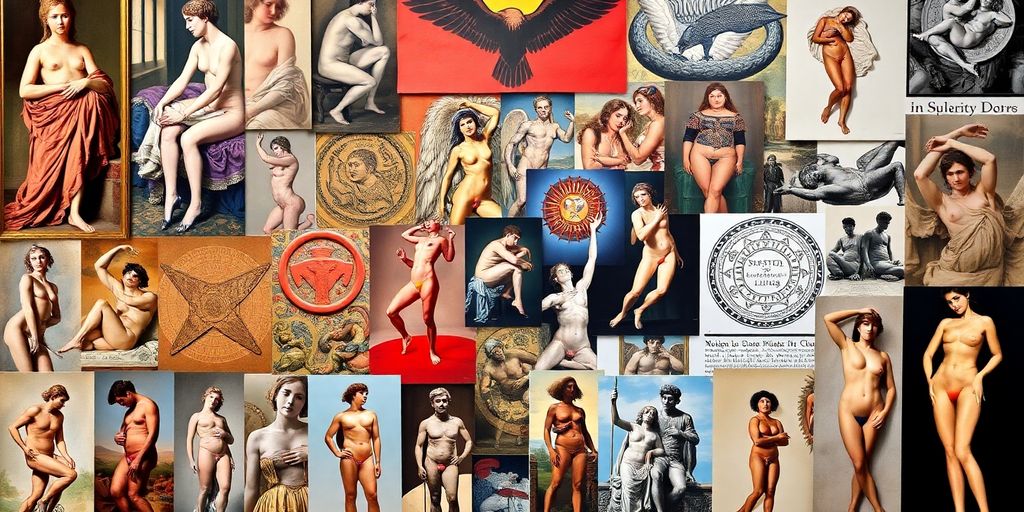
Throughout history, discussions about sexuality have often been shrouded in silence and shame. From ancient civilizations to our modern world, sexual taboos have shaped societal norms and personal experiences. In this article, we’ll take a casual stroll through the history of breaking sexual taboos, exploring how attitudes toward sexuality have evolved over time and the ongoing conversations that challenge old beliefs.
Key Takeaways
- Sexuality has been a complex topic since ancient times, influenced by cultural, religious, and societal norms.
- Colonialism played a significant role in shaping and often restricting sexual practices in many cultures.
- The 20th century saw a shift towards more open discussions about sexuality, paving the way for modern movements.
- Cultural differences greatly affect perceptions of sexuality, with various societies holding unique taboos.
- Education and awareness are crucial in breaking down sexual taboos and promoting sexual wellness.
Exploring Ancient Attitudes Toward Sexuality
Sexual Practices in Ancient Civilizations
Ancient civilizations held diverse views on sexuality, often intertwined with religious beliefs and social structures. These cultural attitudes towards sexuality varied greatly across different regions and time periods.
- In some societies, like ancient Greece, homosexuality was accepted, particularly among men.
- Others, such as ancient Rome, had more structured views, where the focus was on power dynamics within sexual relationships ancient Rome.
- Many cultures incorporated sexual practices into religious rituals and fertility rites.
“The best LS site for sure! Real people, easy to navigate, love it!” -Tlove799
Religious Influences on Sexual Norms
Religion played a significant role in shaping sexual norms in ancient times. Different religions had varying degrees of tolerance and regulation regarding sexual behavior. Some religions promoted abstinence outside of marriage, while others emphasized procreation as the primary purpose of sex. These religious beliefs often influenced laws and social customs related to sexuality.
- Some religions viewed sex as sacred and integral to spiritual practice.
- Others considered it a source of sin and temptation.
- Religious leaders often dictated acceptable forms of sexual expression and relationships.
The Role of Women in Ancient Sexuality
The role of women in ancient sexuality was often defined by their social status and marital status. In many societies, women were primarily valued for their ability to bear children and maintain the household. Their sexual agency was often limited, and they were expected to adhere to strict moral codes. However, there were also instances where women held positions of power and influence, allowing them greater freedom in their sexual expression. The [historical views on sexual behavior] varied widely depending on the culture and time period.
- Women’s sexuality was often controlled by men, particularly within marriage.
- In some cultures, women had more autonomy and could engage in same-sex relationships or other forms of sexual expression.
- The portrayal of women in art and literature provides insights into the prevailing attitudes towards female sexuality.
The Evolution of Sexual Taboos
Historical Shifts in Sexual Morality
Okay, so, things weren’t always how they are now, right? Sexual morality has been on a wild ride through history. What was totally normal in one era could get you burned at the stake in another. Think about it: ancient Rome had some pretty relaxed attitudes compared to, say, Victorian England. It’s all about context and who’s in charge.
- Ancient Rome
- Victorian England
- The Middle Ages
The Impact of Colonialism on Sexual Norms
Colonialism really messed things up for a lot of cultures. It wasn’t just about land and resources; it was about imposing a whole new set of values, especially when it came to sex. Indigenous sexual practices, which were often more open and integrated into daily life, were suddenly labeled as “primitive” or “immoral.” This led to a lot of suppression and the evolution of sexual norms being completely derailed. It’s a dark chapter, for sure.
“Great community in here!!! Lots of beautiful people. Swingtowns has helped connect with so many new friends, love it!!!!” -2x2more
Changing Perspectives in the 20th Century
The 20th century was a game-changer. We saw the rise of feminism, the sexual revolution, and a whole lot of challenging the status quo. Suddenly, people started questioning why certain things were considered taboo in the first place. The invention of the birth control pill was huge, giving women more control over their bodies and reproductive choices. It wasn’t all smooth sailing, but it definitely paved the way for more open conversations about sex and sexuality. The evolution of sexual norms accelerated.
- Feminism
- Birth Control Pill
- Sexual Revolution
Modern Conversations Around Sexuality
The Rise of Sex-Positive Movements
Things are changing, and one of the biggest shifts is the rise of sex-positive movements. These movements are all about embracing sexuality, promoting consent, and challenging shame. It’s about recognizing that sex can be a healthy and enjoyable part of life. Sex-positivity encourages open communication, respect for individual choices, and education about sexual health. It’s not about pushing sex on anyone, but rather creating a safe space to explore and understand one’s own desires and boundaries. It’s a big deal, especially when you consider how much silence and stigma there used to be. Now, people are using platforms to share information, experiences, and resources, making it easier to learn and connect with others. This shift is helping to normalize conversations around sex and challenge outdated ideas.
Influence of Media on Sexual Discourse
Media plays a huge role in shaping how we think about sex. From movies and TV shows to social media, we’re constantly bombarded with messages about sexuality. Sometimes, these messages are positive and informative, promoting healthy relationships and consent. Other times, they can be harmful, perpetuating unrealistic expectations or stereotypes. Social media can be a double-edged sword. On one hand, it provides a platform for sex-positive content creators and educators to reach a wide audience. On the other hand, it can also be a breeding ground for misinformation and harmful comparisons. It’s important to be critical of the media we consume and to seek out diverse and accurate representations of sexuality. Shows like ‘Sex Education’ are helping to open up conversations about sexuality, but there’s still a long way to go.
Challenges in Discussing Sexuality Today
Even with all the progress, talking about sex can still be tough. There’s a lot of shame and stigma attached to it, and many people feel uncomfortable or embarrassed to bring it up. This can be especially true for women, who often face judgment and double standards when it comes to their sexuality. Plus, different cultures and communities have different norms and expectations around sex, which can make it even harder to navigate these conversations. One of the biggest challenges is overcoming the lack of education. Many people don’t have access to accurate information about sexual health, consent, and relationships, which can lead to misunderstandings and harmful behaviors. We need to create more safe spaces for people to talk openly and honestly about sex, without fear of judgment or shame. It’s about sexual wellness and making sure everyone has the information and support they need to make informed decisions about their own bodies and relationships.
“We are very excited to have joined Swing Towns. We have already chatted and met some fun people. We look forward to meeting many more friends and having a great time making new connections.” –
IzzyBlossomKatee
Cultural Differences in Sexual Taboos
Comparative Analysis of Global Taboos
Sexual taboos aren’t universal; what’s off-limits in one culture might be perfectly acceptable, or even celebrated, in another. For example, attitudes toward premarital sex, homosexuality, or even displays of affection vary widely. In some societies, female sexuality is heavily policed, while others are more permissive. Understanding these differences requires looking at the historical, religious, and social contexts that shape these norms. It’s important to avoid judging other cultures based on our own standards.
The Intersection of Culture and Sexuality
Culture profoundly shapes our understanding and expression of sexuality. Cultural norms dictate everything from acceptable attire to courtship rituals. These norms are often deeply ingrained and passed down through generations, influencing individual attitudes and behaviors. The media, religious institutions, and family structures all play a role in reinforcing these cultural scripts. When these scripts clash with individual desires or experiences, it can lead to conflict and feelings of shame or isolation. The historical roots of these norms are often complex.
Case Studies: Taboos in Different Societies
To illustrate the diversity of sexual taboos, let’s consider a few examples:
- In some parts of Asia, open discussion of sex, especially for women, remains heavily stigmatized, often linked to notions of family honor. This can have a significant [impact of societal taboos on relationships].
- Conversely, certain indigenous cultures may have more open attitudes toward sexuality, viewing it as a natural and integral part of life.
- Western societies often grapple with taboos surrounding topics like BDSM or polyamory, despite increasing acceptance of diverse sexual orientations.
“I recommend swingtowns because it’s the first site that even as a free profile you can still connect with ppl. I have since upgraded to lifetime but me and my wife have met some really fun cpls since we started on this site so we fully recommend swingtowns.” -TheRowan
The Role of Education in Breaking Taboos

Sex Education and Its Impact
Sex education is a hot topic, and for good reason. It’s not just about the birds and the bees anymore; it’s about consent, healthy relationships, and understanding your own body. Good sex education can reduce rates of STIs and unwanted pregnancies, but it’s also about empowering young people to make informed choices. The problem is, the quality of sex education varies wildly. Some schools offer comprehensive programs, while others stick to abstinence-only approaches, which, let’s be honest, don’t really work for everyone.
Empowering Women Through Knowledge
Knowledge is power, especially when it comes to women’s sexual health. For too long, women’s pleasure and needs have been ignored or stigmatized. By providing women with accurate information about their bodies, desires, and rights, we can help them reclaim their sexuality and challenge harmful cultural norms. It’s about creating a space where women feel comfortable talking about sex, seeking help when they need it, and prioritizing their own well-being. It’s also about dismantling the idea that women’s sexuality is only for the benefit of men. sexual wellness is a right, not a privilege.
Community Initiatives for Sexual Wellness
It’s not just schools that have a role to play; communities can also step up to provide sexual wellness resources. This could include workshops, support groups, and accessible healthcare services. These initiatives can help to break down the stigma surrounding sex and create a more open and supportive environment for everyone.
Here are some examples of community initiatives:
- Free STI testing clinics
- Workshops on consent and healthy relationships
- Support groups for survivors of sexual assault
“Swing Towns knows what’s up! Finally a platform where like minded people can connect.” -Cboy6983
Ultimately, breaking sexual taboos requires a multi-faceted approach that involves education, community support, and individual empowerment. It’s about creating a world where everyone feels comfortable and confident in their own skin, and where sex is seen as a healthy and natural part of life.
Personal Narratives and Sexual Liberation
Stories of Overcoming Stigmas
Hearing personal stories can be incredibly powerful. It’s one thing to read statistics or academic analyses, but it’s another to hear someone’s lived experience. These narratives often involve individuals challenging societal norms, confronting shame, and ultimately, finding self-acceptance. Sharing these stories helps to normalize diverse experiences and dismantle the stigma surrounding sexuality.
The Power of Sharing Experiences
Sharing experiences, especially those related to sexuality, can be transformative, both for the storyteller and the listener. It creates a sense of community and solidarity, letting people know they aren’t alone. It’s about creating a safe space where vulnerability is celebrated, not shamed. Birangona narratives are a great example of this.
- Reduces feelings of isolation.
- Promotes empathy and understanding.
- Challenges dominant narratives.
“I am enjoying swingtown and the way it is run. Hope to meet some great people who enjoy healthy sexy fun together. Life is tooo short not to.” -teaser71902
Influence of Social Media on Personal Narratives
Social media has revolutionized the way we share and consume personal stories. Platforms like Instagram, TikTok, and YouTube have become spaces for individuals to share their experiences with sexuality, often reaching a global audience. This increased visibility has both positive and negative implications. On one hand, it can amplify marginalized voices and provide access to information and support. On the other hand, it can also expose individuals to harassment and judgment. The rise of [sexual liberation movements] has been significantly impacted by social media, allowing for rapid dissemination of information and the organization of collective action.
Future Directions in Sexual Wellness
Emerging Trends in Sexual Health
Sexual health is changing fast. It’s not just about avoiding pregnancy or STIs anymore. People are thinking more about pleasure, consent, and overall well-being. We’re seeing a rise in personalized approaches to sexual health, with more focus on individual needs and desires.
- Increased focus on mental health’s impact on sexual function.
- Greater acceptance of diverse sexual orientations and gender identities.
- More open conversations about sexual dysfunctions and seeking help.
The Role of Technology in Sexual Education
Tech is making sex education more accessible and engaging. Forget those awkward school talks; now there are apps, websites, and even VR experiences that offer info in a fun, private way. But it’s not all good. We need to make sure the info is accurate and inclusive. Misinformation can spread quickly online, so critical thinking is key.
“Swing Towns knows what’s up! Finally a platform where like minded people can connect.” -Cboy6983
Advocacy for Inclusive Sexuality
Advocacy is super important for making sure everyone feels seen and supported. This means pushing for inclusive sex education in schools, fighting against discrimination, and creating safe spaces for people to talk about their experiences. We need to challenge old ideas about sex and gender and create a world where everyone can explore their sexuality in a healthy and happy way.
- Supporting policies that protect LGBTQ+ rights.
- Promoting body positivity and challenging unrealistic beauty standards.
- Working to end sexual violence and harassment.
Wrapping It Up: The Journey Continues
So, here we are. We’ve taken a look at how sexual taboos have changed over time, and honestly, it’s been a wild ride. From whispers in the dark to open discussions, we’ve come a long way. Sure, there are still hurdles to jump over, especially for women trying to voice their needs and desires. But with more people speaking up and sharing their stories, we’re slowly breaking down those walls. It’s all about creating a space where everyone feels safe to talk about sex without shame. The journey isn’t over yet, but every conversation we have brings us closer to a world where sexual wellness is just part of life, not something to hide. Let’s keep pushing those boundaries and supporting each other along the way.
Frequently Asked Questions
What are sexual taboos?
Sexual taboos are social rules that make certain sexual behaviors or discussions unacceptable in a culture.
How have attitudes toward sexuality changed over time?
Attitudes toward sexuality have changed a lot, especially from ancient times to now. In the past, many cultures had strict rules about sex, while today, people are more open to discussing it.
Why is it important to talk about sexuality?
Talking about sexuality is important because it helps break down shame and stigma, allowing people to understand their bodies and relationships better.
What role does education play in sexual wellness?
Education is key to sexual wellness. It helps people learn about their bodies, safe practices, and healthy relationships.
How can personal stories help with sexual liberation?
Personal stories can inspire others and show that they are not alone in their experiences. Sharing these stories can promote understanding and acceptance.
What future trends might we see in discussions about sexuality?
In the future, we might see more inclusive conversations about sexuality, especially with the help of technology and social media.
Embrace the Journey – Where Curiosity Unfolds and Boundaries Fade Away
Step into a world where curiosity leads and boundaries are meant to be explored. Connect with open-minded individuals who value freedom, expression, and shared discovery. Together, we break the silence and celebrate what once was taboo. Sign up for a free SwingTowns account today and begin your adventure into a more liberated world!
“Swingtowns has been awesome in this lifestyle ! Finding new couples to play with and of course hang with.” -Skaggszy98


